


The clinical information regarding Erectile Dysfunction in this article has been rigorously verified against the latest guidelines from the American Urological Association (AUA) and primary research from databases like PubMed. This piece was reviewed for accuracy and patient-centric clarity and was last updated in August 2025.
Introduction
introductionErectile dysfunction (ED), sometimes called impotence, is a common medical condition that affects a significant number of men, with global prevalence estimates suggesting as many as 30 million men are impacted. While occasional difficulty with erections is normal, persistent or progressive ED is not and warrants medical attention. This condition can be a source of significant stress and can impact self-confidence and relationships. Importantly, ED can also serve as an early warning sign for more serious underlying health issues, such as heart disease or diabetes. This guide provides a comprehensive overview of ED, from its root causes to the most advanced treatment solutions available.
What is Erectile Dysfunction?
what-is-erectile-dysfunctionErectile dysfunction is defined as the consistent or recurrent inability to achieve or maintain a penile erection sufficient for satisfactory sexual performance. An erection is a complex neurovascular process. During sexual arousal, nerve signals trigger increased blood flow into two cylinder-shaped chambers in the penis called the corpora cavernosa. This influx of blood causes the penis to expand, straighten, and stiffen. ED occurs when this process is disrupted at any stage, most commonly due to problems with blood flow, nerve damage, or hormonal imbalances.
What are the Main Causes and Risk Factors for Erectile Dysfunction?
what-are-the-main-causes-and-risk-factors-for-erectile-dysfunctionED can stem from physical conditions, psychological factors, or a combination of both. Identifying the root cause is a critical step in determining the most effective treatment.
Physical Causes:
Vascular Conditions: The most common physical cause of ED is related to blood flow. Conditions like atherosclerosis (hardening of the arteries), heart disease, high blood pressure, and high cholesterol can restrict blood flow to the penis.
Diabetes: High blood sugar can damage both the nerves and blood vessels essential for an erection.
Neurological Disorders: Conditions such as Parkinson's disease, multiple sclerosis, and spinal cord injuries can interfere with the nerve signals sent from the brain to the penis.
Hormonal Imbalances: Low levels of testosterone, thyroid problems, or high levels of prolactin can contribute to ED.
Pelvic Surgery or Injury: Surgeries for prostate, bladder, or colorectal cancer, as well as pelvic trauma, can damage the nerves and arteries involved in erections.
Peyronie's disease: The development of scar tissue inside the penis can cause curvature and painful erections.
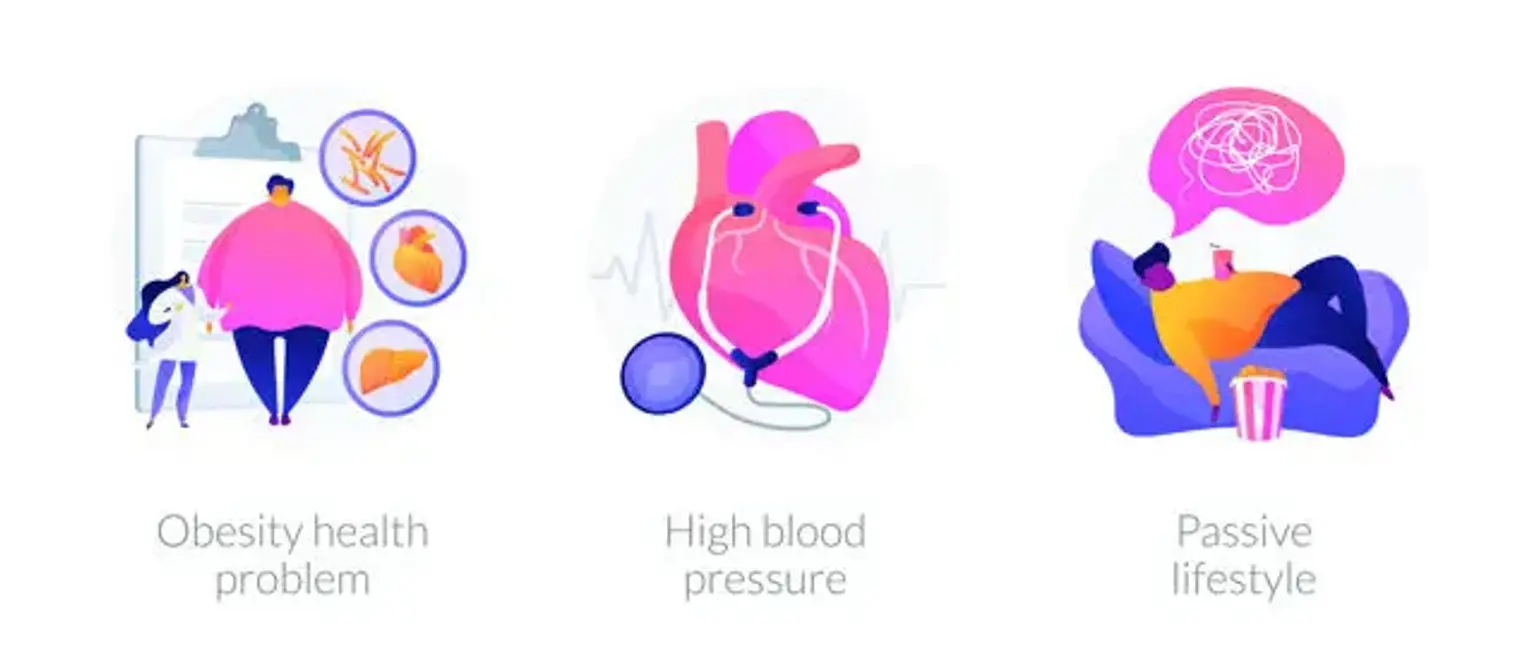
Obesity: Being overweight is a significant risk factor and can lead to other ED-related conditions like heart disease and diabetes.
Medication Side Effects: Many common prescription drugs can cause ED, including certain antidepressants, antihistamines, and medications for high blood pressure.
Lifestyle and Psychological Factors:
Smoking, Alcohol, and Drug Use: Tobacco use restricts blood flow, while excessive alcohol consumption and illicit drug use can damage blood vessels and interfere with sexual function.
Stress, Anxiety, and Depression: Mental health conditions are strongly linked to ED. Performance anxiety, relationship problems, and general life stress can create or worsen erectile problems.
Lack of Exercise: A sedentary lifestyle contributes to many of the physical causes of ED, such as vascular disease and obesity.
What are the Early Symptoms of ED?
what-are-the-early-symptoms-of-edThe symptoms of erectile dysfunction are ongoing and can worsen over time. Recognizing them early is key to seeking timely treatment.
Trouble achieving an erection despite sexual stimulation.
Difficulty maintaining an erection long enough for sexual intercourse.
Reduced firmness of erections.
Decreased sexual desire and low libido, which can be a related but separate issue.
Needing more stimulation to achieve an erection.
How is Erectile Dysfunction Diagnosed by a Urologist?
how-is-erectile-dysfunction-diagnosed-by-a-urologistA diagnosis begins with a thorough discussion of your medical, sexual, and psychological history. Honesty with your healthcare provider is crucial for an accurate diagnosis.
The diagnostic process typically includes:
Medical and Sexual History: Your doctor will ask questions to understand the nature of the problem and to identify potential risk factors or underlying conditions.
Physical Examination: This includes checking your blood pressure, heart, and genitals. A digital rectal exam (DRE) may be performed to check the prostate gland, as conditions like Benign Prostatic Hyperplasia (BPH) are often linked to ED.
Laboratory Tests: Blood and urine tests are used to screen for underlying issues like diabetes, low testosterone, heart disease, or kidney problems.
Penile Doppler Ultrasound: This is an imaging test that uses sound waves to evaluate blood flow in the penis both before and after an erection is induced with an injection, helping to identify vascular problems.
Specialized Tests: In some cases, tests like a nocturnal penile tumescence (NPT) test to check for erections during sleep or an injection test (CIS) may be used to determine if the cause is physical or psychological.
What are the Most Effective Treatments for ED?
what-are-the-most-effective-treatments-for-edTreatment for ED has advanced significantly and is tailored to the underlying cause. A shared decision-making process between you and your clinician is the cornerstone of effective management.
Lifestyle Modifications:
For many men, simple lifestyle changes can significantly improve or reverse ED. This includes regular cardiovascular exercise, quitting smoking, maintaining a healthy weight, eating a balanced diet, and reducing alcohol consumption.
Oral Medications (PDE5 Inhibitors):
These are often the first-line medical treatment for ED. Medications like sildenafil (Viagra), tadalafil (Cialis), vardenafil (Levitra), and avanafil (Stendra) work by increasing blood flow to the penis. They are effective for about 70% of men, though success rates can be lower for individuals with diabetes or who have undergone cancer treatment. These medications require a prescription and should not be used by men taking nitrate drugs for heart conditions.
Other Medical Treatments:
Penile Injections (Intracavernosal Injection): A medication (Alprostadil) is injected directly into the base of the penis to produce an erection.
Intraurethral Suppositories (MUSE): A small pellet containing medication is inserted into the urethra.
Testosterone Replacement Therapy: If blood tests reveal low testosterone, therapy can help restore libido and erectile function.
Low-Intensity Shockwave Therapy (LiSWT): A non-invasive therapy that uses acoustic waves to improve blood flow and encourage the growth of new blood vessels in the penis.
Vacuum Erection Devices (VED): A plastic cylinder is placed over the penis, and a pump creates a vacuum to draw blood into it, creating an erection which is then maintained with a constriction ring.
Surgical Solutions:
Penile Implants: This is considered the most permanent and reliable solution for ED, with high satisfaction rates. A device is surgically placed into the erection chambers, allowing a man to control when and how long an erection lasts.
Vascular Surgery: In rare cases, typically for younger men with a history of pelvic trauma, surgery can be performed to repair damaged arteries.
Can Lifestyle Changes Reverse Erectile Dysfunction?
can-lifestyle-changes-reverse-erectile-dysfunction"For months, the anxiety was almost as bad as the physical problem itself. I felt less of a man. After my diagnosis, I started with small changes—walking every day, cutting out junk food. It wasn't overnight, but seeing gradual improvement was a huge relief and gave me the confidence to keep going." – An anonymous patient, United States.
Yes, for many men, especially those whose ED is linked to lifestyle choices, making significant changes can reverse the condition. Regular cardiovascular exercise, achieving a healthy weight, stopping smoking, and managing stress can restore normal erectile function without the need for medication. Addressing the underlying health conditions like high blood pressure or diabetes, is also a critical component of reversing ED.
When Should I Be Worried About Erectile Dysfunction?
when-should-i-be-worried-about-erectile-dysfunctionYou should consult a healthcare professional if you experience any of the following:
Erection problems are persistent, happening more than half the time you attempt sexual activity.
Your ED is causing you or your partner stress, anxiety, or relationship difficulties.
You have other known health conditions like diabetes, heart disease, or high blood pressure, as ED could be a sign that these conditions are not well-managed.
You experience ED along with other symptoms, such as urinary problems or pain.
Recommended Clinics with Relevant Expertise in South Korea
recommended-clinics-with-relevant-expertise-in-south-koreaSouth Korea is recognized for its advanced medical technology and highly experienced urology specialists. The following clinics and hospitals are noted for their expertise in urological conditions, including the comprehensive treatment of erectile dysfunction.
Website | Clinic Name | Best Known For | Address | Contact |
|---|---|---|---|---|
Gangnam St. Mary's Urology Clinic | Comprehensive Urological Care, Men's Health | Seocho-gu,Seoul, South Korea | ||
Samsung Medical Center | Advanced Diagnostics, Comprehensive Cancer Care, Urology Department | Gangnam-gu, Seoul, South Korea | ||
Asan Medical Center | High-Volume Sophisticated Surgeries, Organ Transplantation, Urology | Songpa-gu, Seoul, South Korea | ||
Seoul National University Hospital | Robotic Surgery, Research-Driven Medical Care, Prostatitis Treatment | Seobuk-gu, Cheonan, South Korea | ||
Korea University Anam Hospital | Robotic Prostatectomy, Urological Oncology, Patient Safety | Seongbuk, Seoul, South Korea | ||
Chung-Ang University Hospital | International Protocols, Urological Treatments | Dongjak, Seoul, South Korea | ||
Best Top Urology Clinic | Specialized Men's Health Procedures, Urological Surgery | Yeongtong-gu, Suwon, South Korea | ||
Top Urology Clinic | General Urology, Men's Sexual Health | Gyeongsangbuk-do, Gumi, South Korea |
Recommended Treatment/Procedure Names with Average Costs in South Korea
recommended-treatmentprocedure-names-with-average-costs-in-south-koreaThe cost of urological treatments in South Korea can vary based on the complexity of the procedure and the institution. The table below provides estimated ranges for various treatments related to urology and men's health.
Treatment/Procedure Name | Duration | Hospitalization? | Avg Cost Range (USD) in S. Korea | Contact |
|---|---|---|---|---|
Prostate Cancer treatment | 2-4 hours | Needed | $15,000 - $35,000 | |
Rezūm Water Vapor Therapy | 15-30 minutes | Not Needed | $2,500 - $3,500 | |
Urolift Procedure | 30-60 minutes | Not Needed | $5,000 - $8,000 | |
Male infertility treatment | 20-40 minutes | Not Needed | $3,000 - $7,000 | |
Kidney Stones treatment | 30-90 minutes | Not Needed | $2,000 - $5,000 | |
Benign Prostatic Hyperplasia (BPH) | 60-90 minutes | Not Needed | $2,500 - $8,000 | |
Sexual dysfunction (ED Consultation & Basic Tests) | 30-60 minutes | Not Needed | $200 - $500 | |
Incontinence treatment | 60-90 minutes | Not Needed | $3,000 - $10,000 | |
Vasectomy surgery | 20-30 minutes | Not Needed | $500 - $1,200 | |
Circumcision | 30-60 minutes | Not Needed | $800 - $1,500 | |
Sexually Transmitted Diseases (STDs) | 15-30 minutes | Not Needed | $100 - $400 | |
Urethritis | 10-20 minutes | Not Needed | $100 - $250 | |
Prostatitis | 15-25 minutes | Not Needed | $500 - $2,500 | |
Haematuria (Blood in Urine) Diagnosis | 15-30 minutes | Not Needed | $300 - $800 | |
CASA (Computer Assisted Semen Analysis) | 15-25 minutes | Not Needed | $200 - $400 |
What Are Common Questions About Erectile Dysfunction?
what-are-common-questions-about-erectile-dysfunction1. Is Erectile Dysfunction a normal part of aging?
1.-is-erectile-dysfunction-a-normal-part-of-agingNo. While erections might take longer to develop or be less firm as men get older, persistent erectile dysfunction is not a normal part of the aging process. It is typically a sign of an underlying health problem that should be evaluated.
2. Can diet affect my condition?
2.-can-diet-affect-my-conditionYes, diet plays a significant role. A diet rich in fruits, vegetables, whole grains, and fish and low in processed foods and red meat is associated with a lower risk of ED. This type of diet, often called a Mediterranean diet, improves cardiovascular health, which is crucial for erectile function.
3. Can Erectile Dysfunction be cured permanently?
3.-can-erectile-dysfunction-be-cured-permanentlyWhile some causes of ED, particularly those related to lifestyle or psychology, can be reversed, a permanent cure depends on the underlying cause. For irreversible physical causes, such as nerve damage from surgery, treatments like penile implants offer a permanent and effective solution, restoring sexual function with very high patient satisfaction rates.
4. Are herbal supplements like herbal Viagra safe and effective?
4.-are-herbal-supplements-like-"herbal-viagra"-safe-and-effectiveMany over-the-counter supplements for ED are not regulated and can be dangerous. They may contain undisclosed prescription drug ingredients or harmful substances. It is crucial to only use treatments prescribed by a qualified healthcare provider.
5. Does masturbation cause erectile dysfunction?
5.-does-masturbation-cause-erectile-dysfunctionNo, there is no scientific evidence to suggest that masturbation causes long-term erectile dysfunction.
6. Can frequent cycling cause ED?
6.-can-frequent-cycling-cause-edProlonged pressure on the perineum (the area between the scrotum and anus) from a bicycle seat can compress nerves and arteries, potentially leading to temporary ED. Using a properly fitted bicycle, a wider seat, and taking regular breaks can mitigate this risk.
7. What's the difference between ED and low libido?
7.-what's-the-difference-between-ed-and-low-libidoED is the physical inability to get or maintain an erection, while low libido is a lack of sexual desire or interest. The two can be linked, for example, low testosterone can cause both, but they are distinct conditions.
Take the First Step Towards Better Sexual Health Now!
take-the-first-step-towards-better-sexual-healthErectile dysfunction is a treatable medical condition, and you do not have to manage it alone. The first step toward reclaiming your confidence and sexual health is seeking a professional diagnosis from specialists who understand the complexities of men's health. By inquiring about treatment at the recommended clinics or directly through a service like CloudHospital, you can begin a seamless and transparent journey to recovery. A dedicated Care Manager will provide end-to-end support, from your initial questions to post-recovery care, ensuring your experience is personalized and comfortable. Start Your Confidential Inquiry and receive a free, personalized treatment plan.