

The clinical information regarding the health impacts of fast food in this article has been rigorously verified against the latest guidelines from the World Health Organization (WHO) and primary research from databases like PubMed. This piece was reviewed for accuracy and patient-centric clarity and was last updated in September 2023 to reflect recent data on ultra-processed foods and noncommunicable diseases.
Introduction
introductionA diet high in fast food, a category largely composed of ultra-processed foods, is a primary driver of noncommunicable diseases globally, contributing to millions of premature deaths each year. While convenient, a regular intake of these meals initiates a cascade of negative effects, impacting everything from your cardiovascular system to your mental clarity. This document provides a clinical breakdown of how fast food affects your body, the long-term risks involved, and the medical pathways available for managing and reversing the damage.
What Are the Immediate Effects of Eating Fast Food?
what-are-the-immediate-effects-of-eating-fast-food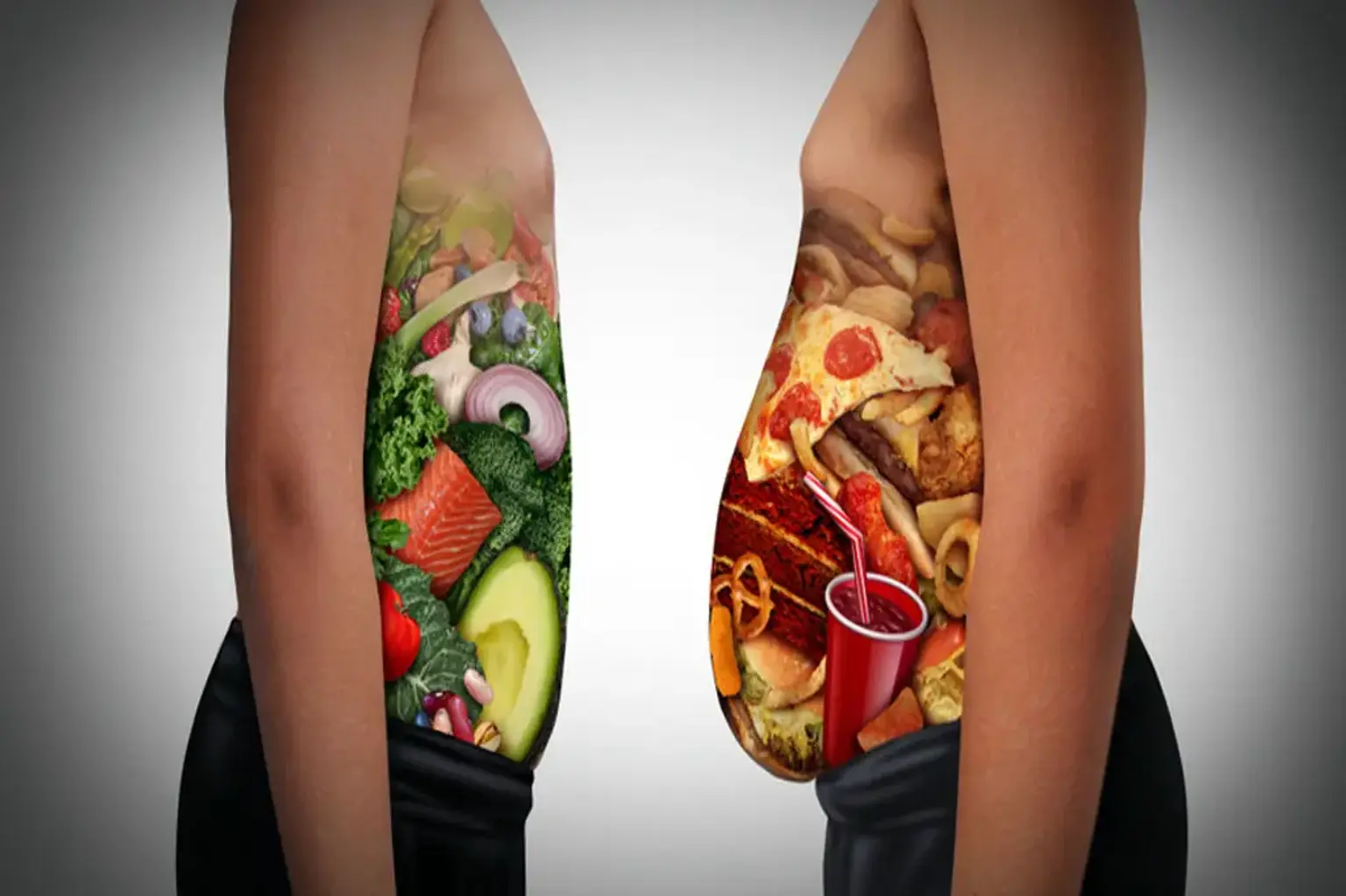
The immediate effects of eating a typical fast-food meal include a rapid spike in blood sugar, a surge in blood pressure, and a feeling of lethargy or brain fog. This is primarily due to the high content of refined carbohydrates, sodium, and unhealthy fats. The sudden influx of sugar forces the pancreas to release a large amount of insulin, leading to a subsequent crash that causes fatigue and cravings for more high sugar foods. Concurrently, the excessive sodium, often exceeding the entire recommended daily intake in a single meal, can cause temporary water retention and an acute increase in blood pressure.
How Does Fast Food Contribute to Inflammation and Chronic Disease?
how-does-fast-food-contribute-to-inflammation-and-chronic-diseaseRegular consumption of fast food is a major contributor to systemic, low-grade inflammation, which is a root cause of most major chronic diseases. The high levels of saturated fats, trans fats, and advanced glycation end products (AGEs) found in fried and highly processed items trigger a persistent inflammatory response from the immune system. This chronic inflammation damages blood vessels, promotes insulin resistance, and is a key mechanism in the development of:
Cardiovascular Disease: Inflammation contributes to the buildup of plaque in the arteries (atherosclerosis), increasing the risk of heart attack and stroke.
Type 2 Diabetes: Persistent inflammation and high insulin levels lead to cells becoming less responsive to insulin, the hallmark of type 2 diabetes.
Metabolic Syndrome: This is a cluster of conditions including high blood pressure, high blood sugar, excess body fat around the waist, and abnormal cholesterol levels that occur together, significantly increasing the risk of heart disease, stroke, and diabetes.
Certain Cancers: Chronic inflammation is a known risk factor for the development of several types of cancer.
What are the Long-Term Health Problems Caused by Fast Food?
what-are-the-long-term-health-problems-caused-by-fast-foodLong-term, consistent consumption of fast food leads to significant and often severe health consequences, including obesity, established cardiovascular disease, and liver damage. The cumulative effect of high caloric intake, poor nutritional quality, and chronic inflammation creates a high risk for multiple co-occurring conditions. For example, a diet rich in fructose, common in sodas and sauces, can lead to non-alcoholic fatty liver disease (NAFLD), where fat accumulates in the liver, potentially progressing to cirrhosis. Over years, the constant strain on the cardiovascular system from high sodium and unhealthy fats hardens arteries and severely elevates the risk of life-threatening cardiac events.
"I didn't connect the dots for years. The afternoon slump at work, the constant bloating, the brain fog... I just thought it was stress. It wasn't until a health screening showed elevated liver enzymes and pre-diabetes that I realized my daily 'quick and easy' lunch was the actual problem." – an anonymous patient, USA.
How Does Fast Food Impact Your Mental Health and Energy Levels?
how-does-fast-food-impact-your-mental-health-and-energy-levelsFast food significantly impacts mental health and daily energy by disrupting the gut-brain axis and creating nutritional deficiencies. The lack of essential nutrients like omega-3 fatty acids, vitamins, and minerals, which are crucial for brain function, combined with high levels of inflammatory ingredients, is strongly linked to an increased risk of depression and anxiety. The blood sugar rollercoaster initiated by these meals leads to fluctuating energy levels, poor concentration, and irritability, directly affecting mood, productivity, and overall quality of life.
Recommended Clinics for Health Screening & Chronic Disease Management in South Korea
recommended-clinics-for-health-screening-and-chronic-disease-management-in-south-koreaFor individuals concerned about the health impacts of their diet, a comprehensive health screening is the first step. The following top-tier medical centers in South Korea offer advanced diagnostic services and specialized programs for managing chronic diseases like diabetes, hypertension, and hyperlipidemia.
Website | Clinic Name | Best Known For | Address | Contact |
|---|---|---|---|---|
Sangdo Woori Internal Medicine | Comprehensive health check-ups and internal medicine | Dongjak-gu, Seoul, South Korea | ||
Asan Medical Center | World-class comprehensive care, cardiology, and oncology | Songpa-gu, Seoul, South Korea | ||
Samsung Medical Center | Advanced diagnostics and research-driven specialty care | Gangnam-gu, Seoul, South Korea | ||
Gangnam Severance Hospital | Robotic surgery, comprehensive health promotion center | Gangnam-gu, Seoul, South Korea | ||
Seoul St. Mary's Hospital-Seocho | Organ transplantation and hematology-oncology | Seocho-gu, Seoul, South Korea | ||
Kangbuk Samsung Hospital | Executive health screenings and preventive medicine | Seongbuk-gu, Seoul, South Korea | ||
Ajou University Hospital | Major trauma center and research hospital | Yeongtong-gu, Gyeonggi-do, South Korea | ||
Seoul Miz Hospital | Specialized care in women's health and pediatrics | Gangdong-gu, Seoul, South Korea |
Relevant Treatments and Average Costs in South Korea
relevant-treatments-and-average-costs-in-south-koreaAddressing the health effects of a poor diet often involves targeted treatments and lifestyle management programs. Below are some relevant procedures and their estimated costs in South Korea.
Treatment/Procedure Name | Duration | Hospitalization? | Avg. Cost (USD) in S. Korea | Contact |
|---|---|---|---|---|
Comprehensive Health Check-Up | 2 - 8 hours | Not Needed | $400 - $2,500 | |
Chronic Disease Management Programs | 130 to 60 mins | Not Needed | $200 - $600 | |
Hyperlipidemia Treatment | 15–30 mins | Not Needed | $150 - $400 | |
Thyroid Tests (Blood Test & Ultrasound) | 1 hour | Not Needed | $150 - $500 | |
Thyroid Hormone Replacement Therapy | 10–20 mins | Not Needed | $100 - $300 | |
Wellness & Nutrient IV Therapy | 45 - 60 mins | Not Needed | $150 - $400 | |
Allergy and Rhinitis Treatment | 20–40 mins | Not Needed | $100 - $350 |
Your Key Questions About Diet and Health Answered
your-key-questions-about-diet-and-health-answeredThis section addresses common follow-up questions about the impact of fast food and the potential for recovery.
1. What happens to your body when you stop eating fast food?
1.-what-happens-to-your-body-when-you-stop-eating-fast-foodWhen you stop eating fast food, your body almost immediately begins to repair itself. Within days, you may notice reduced bloating due to lower sodium intake, more stable energy levels from balanced blood sugar, and improved mental clarity.
2. Is it possible to reverse the negative effects of a fast-food diet?
2.-is-it-possible-to-reverse-the-negative-effects-of-a-fast-food-dietYes, many of the negative effects of a poor diet are reversible, especially if addressed early. Improvements in blood pressure, cholesterol levels, insulin sensitivity, and liver function can be seen within weeks to months of adopting a healthier diet and lifestyle.
3. Can fast food permanently damage your metabolism?
3.-can-fast-food-permanently-damage-your-metabolismFast food does not typically cause permanent damage, but it can lead to long-term metabolic dysregulation, such as insulin resistance, which can be difficult to manage. Consistent, healthy lifestyle changes, and sometimes medical intervention, are required to restore metabolic function. However, the sooner changes are made, the better the prognosis for a full recovery of metabolic flexibility.
4. How much fast food is too much?
4.-how-much-fast-food-is-too-muchThere is no safe amount of ultra-processed fast food, but the risk of negative health outcomes increases significantly with frequency. The WHO recommends a diet based on whole or minimally processed foods. Consuming fast food more than once a week is associated with a significantly higher risk of obesity and related chronic diseases.
5. Are there healthier fast-food options?
5.-are-there-"healthier"-fast-food-optionsWhile some options are less damaging than others, for example a grilled chicken salad versus a double cheeseburger with fries, most fast-food menus are fundamentally designed around highly processed ingredients. Even salads can contain high-calorie dressings and processed meats. The healthiest approach is to minimize fast food intake altogether in favor of meals prepared from whole-food ingredients.
Take Control of Your Health: Address the Impacts of Diet Today!
take-control-of-your-health:-address-the-impacts-of-diet-todayDon’t let unanswered questions about your diet and health linger. With CloudHospital, you gain access to top-tier medical experts in South Korea who specialize in nutrition related conditions and preventative care. From personalized evaluations to structured treatment plans, your dedicated Care Manager will guide you every step of the way with clarity, compassion, and confidence. Start Your Confidential Inquiry through CloudHospital and Get a Free Personalized Treatment Plan Today.