
The clinical information regarding hand tremors in this article has been rigorously verified against the latest guidelines from the National Institute of Neurological Disorders and Stroke NINDS and primary research from databases like PubMed. This piece was reviewed for accuracy and patient-centric clarity and was last updated in October 2023.
Introduction
introductionExperiencing shaking hands can be unsettling and disruptive to daily life. It can range from a barely noticeable quiver to a significant tremor that makes simple tasks difficult. While many people first worry about serious neurological diseases, there are numerous potential causes for hand tremors. This guide provides a comprehensive overview of why your hands might be shaking, how specialists diagnose the cause, and what treatment options are available to help you regain control and peace of mind.
What is a Hand Tremor?
what-is-a-hand-tremor
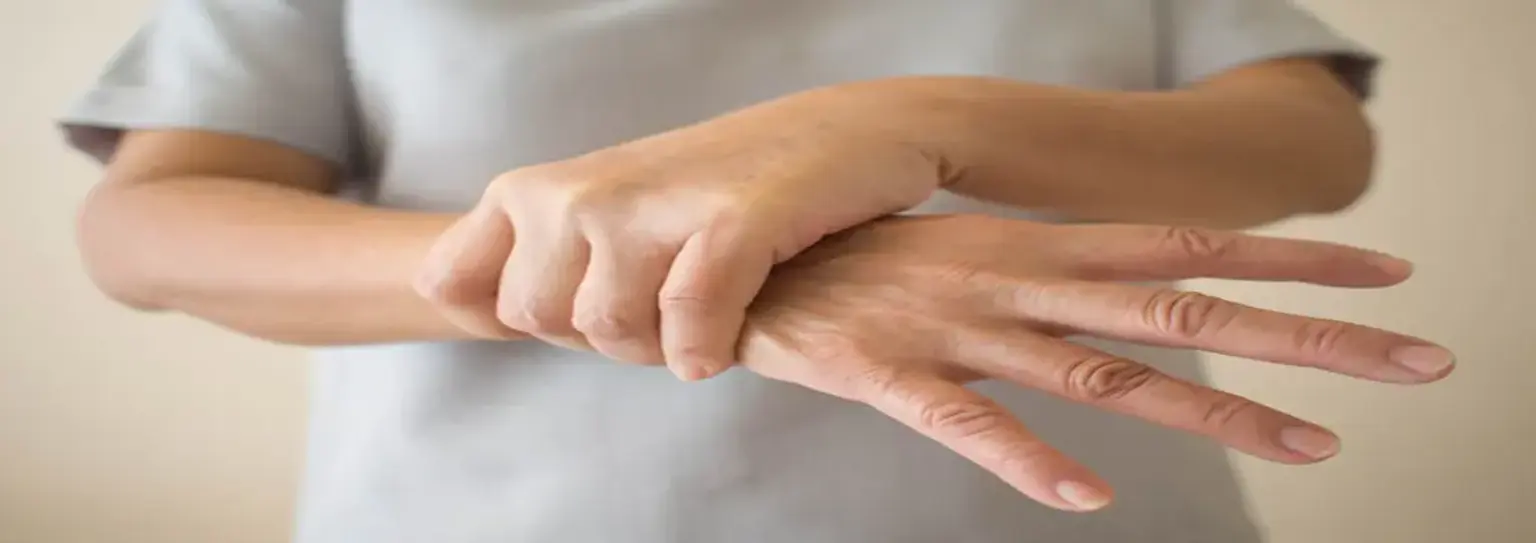
A hand tremor is an unintentional, rhythmic muscle contraction that leads to shaking movements in one or both hands. It is not a disease itself but a symptom of an underlying issue. Tremors can be categorized based on when they occur. Resting tremors happen when the muscle is relaxed such as when your hands are resting on your lap. Action tremors occur during voluntary movement of a muscle. Most hand tremors are action tremors. Understanding the type and nature of the tremor is the first step a neurologist takes in identifying its cause.
What are the Common Causes and Risk Factors for Shaking Hands?
what-are-the-common-causes-and-risk-factors-for-shaking-handsThe causes of hand shaking are diverse, ranging from temporary physiological factors to chronic neurological conditions. A proper medical evaluation is necessary to distinguish between them.
Physiological Tremor: Everyone has a very fine, almost invisible tremor. This can become more noticeable due to stress, anxiety, extreme fatigue, low blood sugar, or excessive caffeine intake.
Essential Tremor: This is the most common neurological disorder that causes tremors. It is an action tremor that often affects both hands and can also involve the head and voice. It is sometimes hereditary. The exact cause is unknown but involves abnormal communication between certain areas of the brain.
Parkinsons Disease: The tremor associated with Parkinsons disease is typically a resting tremor. It often starts in one hand and may look like a pill rolling motion between the thumb and forefinger.
Multiple Sclerosis MS: This condition damages the protective sheath around nerve fibers, which can disrupt signals and cause tremors in various parts of the body, including the hands.
Hyperthyroidism: An overactive thyroid gland speeds up the body's metabolism, leading to a fine, rapid tremor, nervousness, and weight loss.
Medication Side Effects: Many different medications can cause tremors, including certain asthma drugs, antidepressants, and mood stabilizers.
Nerve Damage: Injury or disease affecting the peripheral nerves in your arms and hands can lead to weakness and tremors.
Alcohol or Drug Withdrawal: Tremors are a common symptom of withdrawal from alcohol or certain other substances.
Caffeine Overload: Consuming too much coffee, tea, or other caffeinated products can temporarily cause or worsen a physiological tremor.
Are Hand Tremors a Sign of Anxiety or Nerves?
are-hand-tremors-a-sign-of-anxiety-or-nervesYes, hand tremors are a very common physical manifestation of anxiety or intense stress. When you are anxious, your body enters a fight or flight state, releasing hormones like adrenaline that increase muscle tension and excitability. This physiological response can easily lead to a noticeable tremor in the hands. This type of shaking is usually temporary and subsides as the feeling of anxiety or stress decreases. While common, if it is persistent or affects your quality of life, it is wise to seek a medical opinion.
How Do Doctors Diagnose the Cause of Hand Tremors?
how-do-doctors-diagnose-the-cause-of-hand-tremorsDiagnosing the root cause of hand tremors requires a thorough and systematic approach by a neurologist.
The process begins with a detailed medical history and a physical and neurological exam. The doctor will ask about the tremor's characteristics: when it started, what makes it better or worse, whether it affects one or both hands, and if there is a family history of tremors. During the exam, the doctor will observe the tremor at rest and during specific actions like writing or holding a cup.
Diagnostic tests may be ordered to rule out or confirm specific conditions:
Blood and Urine Tests: These can identify metabolic causes such as hyperthyroidism or electrolyte imbalances.
Imaging Scans: An MRI scan or CT scan of the brain can help detect signs of a stroke, tumor, or structural changes associated with conditions like multiple sclerosis.
DaTscan: This specialized imaging test is used to help confirm a diagnosis of Parkinsons disease by looking at the dopamine transporters in the brain.
Electromyography EMG: This test measures electrical activity in muscles and can help diagnose nerve damage.
When Should I Be Worried About My Hands Shaking?
when-should-i-be-worried-about-my-hands-shakingYou should schedule a visit with a doctor if your hand tremors are:
Persistent or Worsening: A tremor that does not go away or is gradually getting worse over time needs evaluation.
Interfering with Daily Activities: If the shaking makes it difficult to write, eat, drink, or perform your job, it is time to seek help.
Accompanied by Other Symptoms: Tremors that appear with other neurological symptoms like stiffness, slow movement, balance problems, or changes in speech are a particular concern and require prompt medical attention.
Asymmetrical: A tremor that affects one side of the body significantly more than the other, especially a resting tremor, warrants a neurological workup to assess for conditions like Parkinsons disease.
"For months, I blamed my shaky hands on too much coffee or stress from work. But when I started struggling to sign my own name, a cold fear set in. Getting a diagnosis of essential tremor was actually a relief. It had a name, and there were ways to manage it. It gave me back a sense of control." – an anonymous patient, United States.
Recommended Clinics with Relevant Expertise in South Korea
recommended-clinics-with-relevant-expertise-in-south-koreaSouth Korea is home to world class medical facilities with advanced neurology and neurosurgery departments specializing in movement disorders and complex spinal conditions that can cause tremors.
Website | Clinic Name | Best Known For | Address | Contact |
|---|---|---|---|---|
Seoul Yes Hospital | Specialized Spinal and Joint Treatments | Suji-gu, Gyeonggi-do, South Korea | ||
Kangdong Sacred Heart Hospital | Comprehensive Neurological Care | Gangdong-gu, Seoul, South Korea | ||
Seoul St. Mary’s Hospital | Advanced Neurology and Neurosurgery Center | Seocho-gu, Seoul, South Korea | ||
Seoul National University Hospital | Premium Health Screening and Neurology | Jongno-gu, Seoul, South Korea | ||
H Plus Yangji Hospital | Integrated Spine and Neurology Centers | Gwanak-gu, Seoul, South Korea | ||
Ewha Womans University Medical Center | State of the Art Neurological Treatment | Gangseo-gu, Seoul, South Korea | ||
Asan Medical Center | Renowned for Complex Neurological Cases | Songpa-gu, Seoul, South Korea | ||
MEDREX hospital | Specialization in Spine and Joint Disorders | Gangnam-gu, Seoul, South Korea | ||
Severance Hospital | Advanced Robotic Surgery and Neurology | Seodaemun-gu, Seoul, South Korea |
Recommended Treatment and Procedure Names with Average Costs in South Korea
recommended-treatment-and-procedure-names-with-average-costs-in-south-koreaTreatment is tailored to the specific diagnosis. Many neurological and spinal issues can present with tremors, and South Korean hospitals offer a full spectrum of advanced therapies.
Treatment/Procedure Name | Duration | Hospitalization? | Avg. Cost (USD) in S. Korea | Contact |
|---|---|---|---|---|
Spinal Disorder Treatment | 2–6 hours | Needed (4 to 10 days) | $5,000 to $30,000 | |
Minimally Invasive Spinal Fusion Surgery | 2 to 4 hours | Needed (2 to 4 days) | $18,000 to $35,000 | |
Spinal Endoscopic Treatment | 1 to 2 hours | Needed (1 day) | $10,000 to $22,000 | |
Microscopic Decompression Surgery | 1 to 3 hours | Needed (1 to 3 days) | $12,000 to $25,000 | |
Artificial Disc Replacement | 2 to 3 hours | Needed (2 to 4 days) | $20,000 to $40,000 | |
Epidural Neuroplasty | 30 to 60 mins | Not Needed | $1,500 to $4,000 | |
Zero Gravity Spinal Decompression | 30 to 45 mins | Not Needed | $100 to $300 | |
Complex Neuromuscular Treatment | 1 to 2 hours | Needed (5 to 14 days) | $10,000 to $50,000 |
What are Common Questions About Hand Tremors?
what-are-common-questions-about-hand-tremorsThis section addresses practical questions patients often have.
1. Can lack of sleep cause hands to shake?
1.-can-lack-of-sleep-cause-hands-to-shakeYes, sleep deprivation can definitely cause or worsen hand tremors. Lack of adequate sleep puts stress on the nervous system, which can amplify the natural physiological tremor that everyone has, making it much more noticeable.
2. Could my shaking hands be a sign of Parkinsons?
2.-could-my-shaking-hands-be-a-sign-of-parkinsonsIt is possible, but many other conditions are more common causes. The classic Parkinsonian tremor is a resting tremor that often starts on one side of the body. In contrast, an essential tremor occurs with action and usually affects both hands. A neurologist is the only one who can make an accurate diagnosis.
3. Can tremors be cured permanently?
3.-can-tremors-be-cured-permanentlyThis depends entirely on the cause. Tremors due to caffeine, anxiety, or medication side effects can be resolved by addressing the trigger. Tremors from conditions like essential tremor or Parkinsons disease cannot be cured, but they can be very effectively managed with medications, therapy, and in some cases, surgical procedures like deep brain stimulation to significantly reduce symptoms.
4. Does diet affect hand tremors?
4.-does-diet-affect-hand-tremorsFor some individuals, certain dietary factors can influence tremor severity. Caffeine and other stimulants are well known triggers. Some people find that a balanced diet and stable blood sugar levels help reduce fluctuations in their tremor. An elimination diet to identify potential food sensitivities may be helpful under medical guidance.
5. Is essential tremor a dangerous condition?
5.-is-essential-tremor-a-dangerous-conditionEssential tremor is not life threatening. However, it can be progressive and may eventually become severe enough to cause significant disability, making daily tasks like eating, dressing, or writing very challenging. Early management can help maintain quality of life for many years.
Find Clarity and Control: Get Your Hand Tremors Evaluated Now!
find-clarity-and-control:-get-your-hand-tremors-evaluatedLiving with the uncertainty of shaking hands is stressful. Taking the step to get an accurate diagnosis is the first move towards regaining control. The world class neurology departments in South Korea, in collaboration with CloudHospital, offer advanced diagnostic tools and a wide range of treatments to identify the cause of your tremor and create an effective management plan. By inquiring through a trusted partner, you can navigate the process seamlessly. A dedicated Care Manager will provide end to end support, from your initial questions to post treatment care, ensuring a transparent and stress free experience. And Start Your Confidential Inquiry today CloudHospital.