

The clinical information regarding How Massage Therapy Can Safely Relieve Your Pain in this article has been rigorously verified against the latest guidance from the National Center for Complementary and Integrative Health (NCCIH) and primary research from databases like PubMed. This piece was reviewed for accuracy and patient-centric clarity and was last updated in October 2023.
Introduction
introductionLiving with persistent pain can be a debilitating experience, affecting everything from your mobility and mood to your overall quality of life. For many, the search for effective, non-invasive relief is a constant challenge. This article presents a powerful, evidence-based solution: therapeutic massage. We will explore how specific massage techniques, when administered by qualified professionals, can safely and significantly reduce pain, restore function, and improve your well-being.
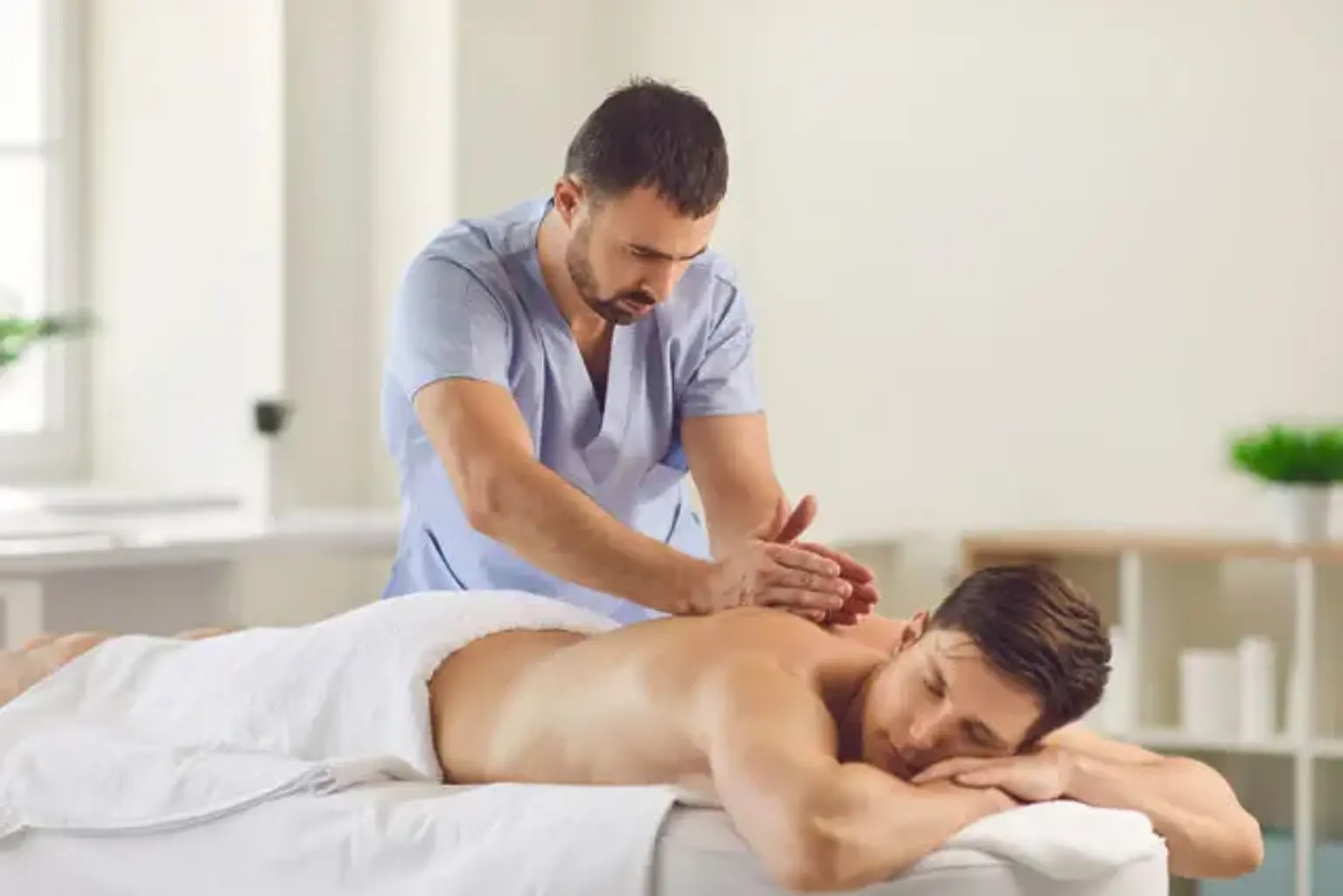
How does massage therapy work to relieve pain?
how-does-massage-therapy-work-to-relieve-painMassage therapy relieves pain through a combination of physiological and neurological mechanisms. It works by physically manipulating soft tissues, which increases blood circulation to deliver more oxygen and nutrients to muscles and helps remove metabolic waste products. This process reduces muscle tension and stiffness. On a neurological level, massage stimulates nerve fibers that can interrupt or block pain signals from reaching the brain, a concept known as the gate control theory of pain. Furthermore, it is shown to decrease levels of the stress hormone cortisol while boosting the production of endorphins and serotonin, the body’s natural painkillers and mood elevators.
What types of massage are best for chronic pain?
what-types-of-massage-are-best-for-chronic-painThe best type of massage depends on the specific cause and nature of your pain, but several modalities are particularly effective for chronic conditions. A consultation with a physiatrist or rehabilitation specialist can determine the most suitable approach for you.
Deep Tissue Massage: This technique uses slow, forceful strokes to target deeper layers of muscle and connective tissue. It is highly effective for chronic aches and pains and contracted areas such as a stiff neck and upper back, low back pain, leg muscle tightness, and sore shoulders.
Myofascial Release: This therapy focuses on releasing tension in the fascia, the connective tissue web that surrounds muscles, bones, and organs. By applying gentle, sustained pressure, therapists can unwind fascial restrictions and restore mobility, making it ideal for conditions like fibromyalgia and chronic postural stress.
Trigger Point Therapy: This approach identifies and deactivates specific, hyper-irritable spots in muscles known as trigger points or knots. Applying direct pressure to these points can relieve pain not only in the immediate area but also in other parts of the body, a phenomenon known as referred pain.
Swedish Massage: While known for relaxation, this technique's long, flowing strokes are excellent for improving circulation, reducing general muscle tension, and promoting an overall sense of well-being, which is a crucial component of managing chronic pain.
Is massage therapy safe for all types of pain?
is-massage-therapy-safe-for-all-types-of-painWhile generally very safe when performed by a trained professional, massage therapy is not appropriate for all conditions or types of pain. Direct, deep pressure should be avoided over areas with recent fractures, open wounds, skin infections, or blood clots deep vein thrombosis. Patients with certain conditions should consult their primary physician before seeking massage.
Key contraindications include:
Severe osteoporosis
Bleeding disorders or use of blood-thinning medication
Areas with active tumors or recent radiation therapy
Nerve damage or neuropathy that reduces sensation
Immediately following surgery without clearance from your surgeon
A thorough intake assessment by a qualified therapist is essential to ensure your safety and the effectiveness of the treatment.
What should I expect during a therapeutic massage session?
what-should-i-expect-during-a-therapeutic-massage-sessionYou should expect a professional and clinical experience focused on your specific health goals. The session typically begins with a detailed consultation where the therapist asks about your medical history, pain symptoms, lifestyle, and what you hope to achieve. You will then undress to your level of comfort in private and lie on a padded massage table, covered by a sheet or blanket. Only the area being worked on will be exposed.
Throughout the session, the therapist will use oil or lotion and apply specific techniques. Communication is key. The therapist should check in with you about the pressure to ensure it is firm enough to be effective but not painful. After the massage, your therapist may suggest self-care activities like drinking water, gentle stretching, or applying heat to prolong the benefits.
How do I choose the right solution for me?
how-do-i-choose-the-right-solution-for-me"For months, my lower back pain was a constant, dull ache that stopped me from playing with my kids. I was skeptical, but after a series of targeted deep tissue massages recommended by my doctor in Seoul, I feel like I have my life back. The relief was gradual but profound." – An anonymous patient, USA.
Choosing the right path begins with a proper diagnosis.
Medical Consultation: First, see a doctor, such as a specialist in Orthopedics or Physical Medicine & Rehabilitation, to get an accurate diagnosis for your pain. This rules out serious conditions and ensures massage is an appropriate part of your treatment plan.
Professional Referral: Your doctor can refer you to a hospital's rehabilitation center or a certified physical therapist who specializes in the recommended type of manual therapy.
Verify Credentials: Ensure your therapist is certified and has experience treating your specific condition. Top medical centers in South Korea integrate physical and manual therapy within their rehabilitation departments, guaranteeing a high standard of care.
Recommended Clinics with Relevant Expertise in South Korea
recommended-clinics-with-relevant-expertise-in-south-koreaSouth Korea's leading hospitals offer advanced rehabilitation and pain management centers, integrating therapeutic massage as part of comprehensive treatment plans.
Website | Clinic Name | Best Known For | Address | Contact |
|---|---|---|---|---|
Sangdo Woori Internal Medicine | Chronic Disease Management, Health Screenings | Dongjak-gu, Seoul, South Korea | ||
Asan Medical Center | Orthopedics, Rehabilitation Medicine, Pain Management | Songpa-gu, Seoul, South Korea | ||
Samsung Medical Center | Comprehensive Cancer Center, Orthopedics, Pain Clinic | Gangnam-gu, Seoul, South Korea | ||
Gangnam Severance Hospital | Spine & Orthopedic Centers, Rehabilitation Medicine | Gangnam-gu, Seoul, South Korea | ||
Seoul St. Mary's Hospital-Seocho | Orthopedic Surgery, Rheumatology, Pain Management | Seocho-gu, Seoul, South Korea | ||
Kangbuk Samsung Hospital | Health Promotion Center, Orthopedics, Family Medicine | Jongno-gu, Seoul, South Korea | ||
Ajou University Hospital | Regional Trauma Center, Orthopedics, Rehabilitation | Yeongtong-gu, Suwon, Gyeonggi-do, South Korea | ||
Seoul Miz Hospital | Women's Health (OB/GYN), Pediatrics | Gangdong-gu, Seoul, South Korea |
Recommended Treatment/Procedure Names with Average Costs in South Korea
recommended-treatmentprocedure-names-with-average-costs-in-south-koreaBelow are common therapeutic options for pain relief available in South Korea. Costs are estimates and can vary based on the clinic and the complexity of your condition.
Treatment/Procedure Name | Treatment Duration | Hospitalization? | Avg Cost Range (USD) in S. Korea | Contact |
|---|---|---|---|---|
Therapeutic Massage (Manual Therapy) | 1–2 weeks | Not Needed | $70 - $200 | |
Myofascial Release Therapy | 2 to 6 weeks | Not Needed | $80 - $250 | |
Physical Therapy (PT) Session | 4–8 weeks | Not Needed | $100 - $300 | |
Extracorporeal Shock Wave Therapy (ESWT) | 3 to 6 weeks | Not Needed | $150 - $400 | |
Trigger Point Injections | 10-15 mins | Not Needed | $200 - $500 | |
Acupuncture | 1–3 weeks | Not Needed | $50 - $150 |
What Other Questions Do People Have About These Solutions?
what-other-questions-do-people-have-about-these-solutionsThis section addresses common practical questions when considering therapeutic massage for pain.
1. How many sessions are needed to feel results?
1.-how-many-sessions-are-needed-to-feel-resultsThis varies significantly based on whether the pain is acute or chronic and its underlying cause. While some people feel relief after a single session, a structured treatment plan often yields the best results. For chronic issues, a plan of 4-6 weekly or bi-weekly sessions is often recommended to achieve significant, lasting improvement.
2. Can massage therapy make pain worse?
2.-can-massage-therapy-make-pain-worseIt is common to feel some mild muscle soreness or therapeutic discomfort for a day or two after a deep tissue massage, similar to post-workout soreness. This is a normal sign that the muscles have been worked effectively. However, you should not feel sharp, shooting, or intense pain during or after the session. If you do, communicate this to your therapist immediately.
3. Does insurance in my home country cover massage therapy in Korea?
3.-does-insurance-in-my-home-country-cover-massage-therapy-in-koreaCoverage depends entirely on your individual insurance plan. Some policies cover manual therapy or physical therapy performed abroad if it is deemed medically necessary and prescribed by a doctor. It is crucial to contact your insurance provider before your trip to confirm their policies on overseas medical care and get pre-authorization if required.
4. What's the difference between a spa massage and a therapeutic massage?
4.-what's-the-difference-between-a-spa-massage-and-a-therapeutic-massageThe primary difference is intent. A spa massage is designed for general relaxation and stress relief. A therapeutic or medical massage, in contrast, is an outcome-based treatment. It is intended to address a specific, diagnosed musculoskeletal issue, and the techniques are applied to resolve that specific problem and improve function.
Take Control of Your Pain: Explore Your Treatment Options in Korea Today!
take-control-of-your-pain:-explore-your-treatment-options-in-koreaYou don't have to let chronic pain dictate your life. Taking the first step toward a correct diagnosis and a personalized treatment plan is essential. The world-class medical centers in South Korea offer a path to effective relief through a blend of advanced diagnostics and expert therapeutic care. By inquiring through CloudHospital a trusted medical coordinator, you gain access to a seamless, transparent process. A dedicated Care Manager will support you end-to-end, from matching you with the right specialist to post-recovery follow-up. And Start Your Confidential Inquiry to receive a personalized treatment plan tailored to your needs.