

The clinical information regarding Infertility Insights: Expert Advice and Key Facts You Should Know in this article has been rigorously verified against the latest guidelines from the American Society for Reproductive Medicine and primary research from databases like PubMed. This piece was reviewed for accuracy and patient centric clarity and was last updated in September 2023.
Introduction
introductionNavigating the complexities of infertility can be an emotionally taxing and confusing experience. Patients often face a deluge of information, making it difficult to separate medical facts from myths. This expert driven Q&A provides professional insights into the most common and critical questions about infertility. Our goal is to cut through the noise, offering the clarity and confidence needed to take the next step in your health journey.
When should I be concerned about infertility?
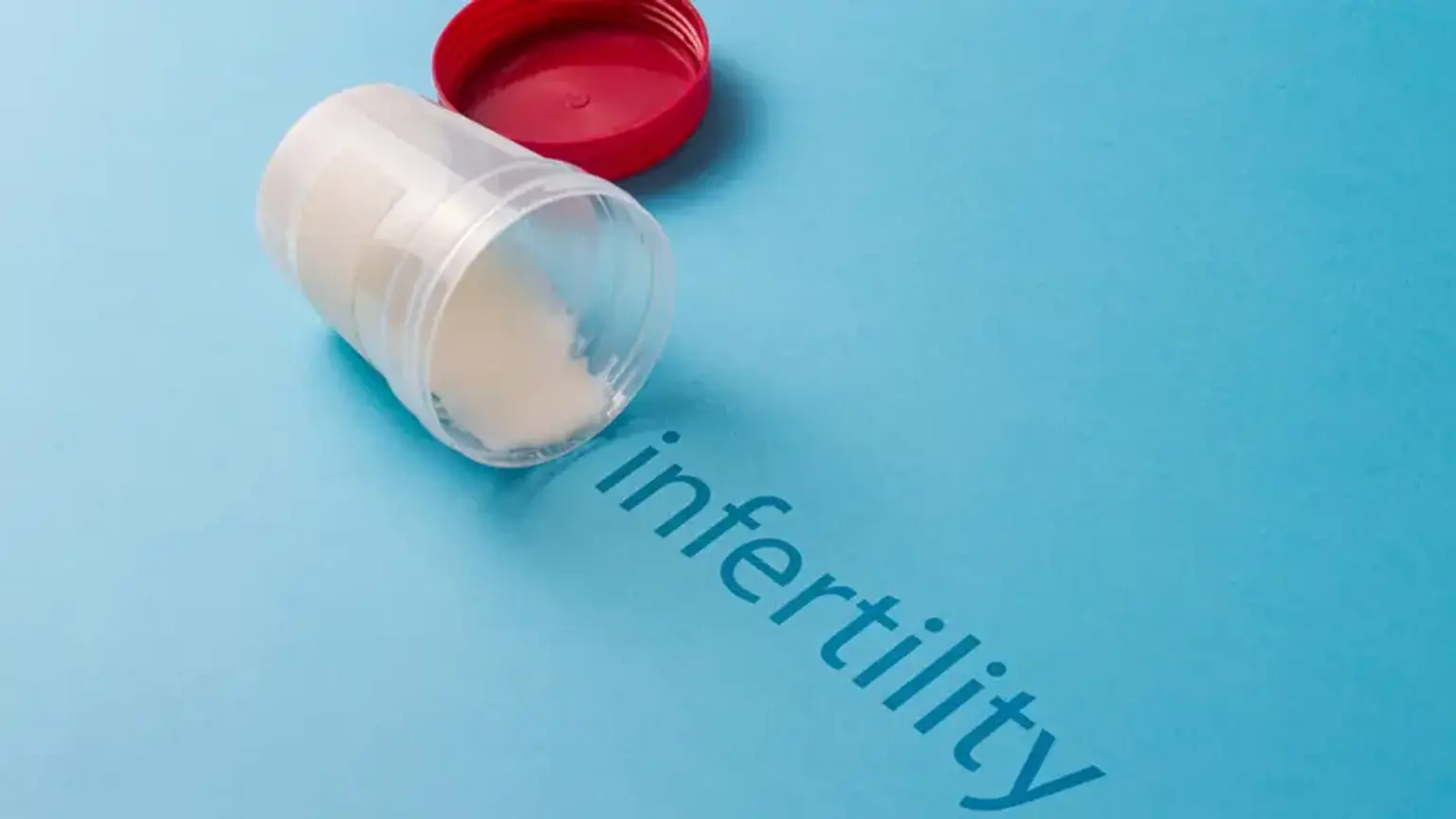
when-should-i-be-concerned-about-infertilityYou should consider consulting a specialist about infertility if you are under 35 and have been trying to conceive for 12 months without success. This timeframe is shortened to six months for individuals aged 35 and older. Certain medical conditions also warrant an earlier consultation, regardless of how long you have been trying. These include a history of irregular or absent menstrual cycles, known endometriosis, polycystic ovary syndrome, or previous pelvic inflammatory disease. For male partners, a history of testicular trauma or surgery is also a reason for earlier evaluation. Globally, infertility affects millions of people of reproductive age.
What are the most common causes of female infertility?
what-are-the-most-common-causes-of-female-infertilityThe causes of female infertility are diverse and can involve one or multiple factors. A specialist can perform targeted diagnostics to identify the specific issue.
Ovulation Disorders: These are the most frequent cause, accounting for about 25% of cases of infertility in females . Conditions like PCOS, hormonal imbalances, or diminished ovarian reserve can disrupt or prevent the regular release of an egg.
Fallopian Tube Damage or Blockage: Often caused by pelvic inflammatory disease, previous surgeries, or endometriosis, blocked or damaged tubes prevent sperm from reaching the egg or block the fertilized egg from reaching the uterus.
Uterine or Cervical Causes: Abnormalities in the uterus, such as uterine fibroids, polyps, or an unusually shaped uterus, can interfere with implantation. Cervical stenosis, a narrowing of the cervix, can also impede sperm's journey.
Endometriosis: This condition occurs when tissue similar to the lining of the uterus grows outside of it. It can affect the function of the ovaries, uterus, and fallopian tubes, leading to inflammation and scarring that impairs fertility.
Unexplained Infertility: In some cases, a specific cause cannot be identified despite a thorough evaluation. This diagnosis is made when all standard test results for both partners are normal.
How is infertility officially diagnosed by a doctor?
how-is-infertility-officially-diagnosed-by-a-doctorA formal diagnosis of infertility involves a comprehensive evaluation of both partners, starting with a detailed medical history and physical exam. For the female partner, the diagnostic process typically includes:
Hormone Testing: Blood tests are used to check levels of hormones that control the menstrual cycle, such as follicle stimulating hormone, luteinizing hormone, and anti Müllerian hormone, which helps assess ovarian reserve.
Ovulation Testing: This can be done through tracking basal body temperature, using ovulation predictor kits, or via blood tests to measure progesterone levels.
Hysterosalpingography (HSG): An X-ray procedure where dye is injected into the uterus to visualize its shape and confirm if the fallopian tubes are open.
Transvaginal Ultrasound: This imaging test examines the uterus, ovaries, and fallopian tubes for structural abnormalities like fibroids, ovarian cysts, or polyps.
Laparoscopy: A minimally invasive surgical procedure that allows a doctor to directly view the pelvic organs to check for endometriosis, scarring, or blockages. This is typically reserved for cases where other tests are inconclusive.
What are the main types of infertility treatments available?
what-are-the-main-types-of-infertility-treatments-availableTreatment for infertility is highly personalized and depends on the underlying cause, your age, and personal preferences. The primary approaches range from medications to advanced surgical and reproductive technologies.
Fertility Medications: Drugs like Clomiphene citrate or Letrozole are often a first line treatment to stimulate or regulate ovulation.
Intrauterine Insemination (IUI): This procedure involves placing specially prepared sperm directly into the uterus around the time of ovulation. It is often combined with fertility medications to increase the number of available eggs.
In Vitro Fertilization (IVF): This is the most effective form of assisted reproductive technology. It involves stimulating the ovaries to produce multiple eggs, retrieving them, fertilizing them with sperm in a laboratory to create embryos, and then transferring an embryo into the uterus.
Surgical Procedures: Surgery can correct problems such as blocked fallopian tubes, remove uterine fibroids or polyps, or treat endometriosis. A hysteroscopy or laparoscopy are common surgical interventions.
What lifestyle changes can actually improve fertility?
what-lifestyle-changes-can-actually-improve-fertilityWhile medical treatments are often necessary, certain lifestyle modifications can have a significant positive impact on fertility for both men and women.
Maintain a Healthy Weight: Being either overweight or underweight can disrupt hormone levels and interfere with ovulation. Achieving a Body Mass Index within the normal range is highly recommended.
Optimize Your Diet: A balanced diet rich in antioxidants, fiber, healthy fats, and lean proteins can support reproductive health. Limiting processed foods, excessive sugar, and trans fats is beneficial.
Moderate Exercise: Regular, moderate physical activity can help manage weight and reduce stress. However, excessively intense exercise can negatively affect ovulation.
Reduce Stress: Chronic stress can interfere with the hormones that regulate reproduction. Practices like yoga, meditation, and mindfulness can be effective.
Avoid Smoking and Excessive Alcohol: Smoking ages the ovaries and depletes eggs prematurely. Heavy alcohol consumption can also negatively impact fertility in both partners.
"For over a year, my husband and I were lost in a sea of confusing online articles and well-meaning but unhelpful advice. Our first consultation, where the doctor systematically answered every single question with data and a clear plan, was like a light turning on. We finally felt in control and understood our path forward." – an anonymous patient, United States.
Recommended Clinics with Relevant Expertise in South Korea
recommended-clinics-with-relevant-expertise-in-south-koreaSouth Korea is recognized for its advanced medical infrastructure and specialized women's health centers. The following clinics offer a range of services from general gynecology to advanced fertility treatments.
Website | Clinic Name | Best Known For | Address | Contact |
|---|---|---|---|---|
Second Spring Women's Clinic | Aesthetic and Reconstructive Gynecology | Gangnam-gu, Seoul, South Korea | ||
Seoul Miz Hospital | Comprehensive Women's Health & Maternity Care | Gangdong-gu, Seoul, South Korea | ||
MariaPlus (Songpa) Fertility Hospital | Advanced Fertility Treatments (IVF, IUI) | Songpa-gu, Seoul, South Korea | ||
Asan Medical Center | High-Risk Pregnancy & Complex Gynecological Conditions | Songpa-gu, Seoul, South Korea | ||
Goeunbit Women’s Clinic | General Obstetrics, Gynecology, and Fertility Workups | Songpa-gu, Seoul, South Korea | ||
MizMedi Hospital | Specialized Infertility Center & Women's Health | Gangseo-gu, Seoul, South Korea | ||
HI Fertility Clinic | Personalized Fertility Care & Egg Freezing | Gangseo-gu, Seoul, South Korea | ||
Helen Women’s Obstetrics & Gynecology Clinic | Comprehensive Gynecological and Obstetric Services | Gangnam-gu, Seoul, South Korea |
Recommended Treatment/Procedure Names with Average Costs in South Korea
recommended-treatmentprocedure-names-with-average-costs-in-south-koreaThe costs below are estimates and can vary based on the complexity of the case and the specific clinic. A personalized quote is essential for accurate financial planning.
Treatment/Procedure Name | Treatment Duration | Hospitalization? | Avg Cost Range (USD) in S. Korea | Contact |
|---|---|---|---|---|
Gynecological Surgery (e.g., Myomectomy) | 1-3 hours | Needed (1-3 days) | $6,000 - $12,000 | |
Vaginal Aesthetic and Reconstructive Treatments | 1-2 hours | Not Needed | $3,000 - $7,000 | |
Labiaplasty | 1-2 hours | Not Needed | $2,500 - $4,500 | |
Vaginal Tightening | 1-2 hours | Needed (1 day) | $4,000 - $7,000 | |
Hormone Replacement Therapy | 30-60 mins | Not Needed | $100 - $300 | |
Endometriosis Management (Laparoscopy) | 1-3 hours | Needed (1-2 days) | $7,000 - $15,000 | |
Menstrual and Hormonal Disorders Treatments | 3-6 months | Not Needed | $500 - $1,500 | |
Contraception and Miscarriage Care (D&C) | 30-60 minutes | Not Needed | $1,500 - $3,000 |
How do I prepare for my first fertility consultation?
how-do-i-prepare-for-my-first-fertility-consultationPreparing for your initial consultation can make the process more efficient and less stressful. Taking a structured approach helps ensure you and your doctor have all the necessary information.
1. Gather Your Medical History
1.-gather-your-medical-historyCompile a detailed timeline of your menstrual cycles, including regularity, length, and any symptoms like heavy bleeding or pain. Note any past pregnancies, miscarriages, or gynecological conditions. It is equally important to gather the medical history of your partner.
2. List Your Questions
2.-list-your-questionsBefore the appointment, write down every question you have. No question is too small. Group them by topic, such as Diagnostic Tests, Treatment Options, and Costs. This ensures you don't forget anything during the consultation.
3. Bring Previous Test Results
3.-bring-previous-test-resultsIf you have had any previous medical tests related to fertility or general health, bring copies of the results. This can prevent redundant testing and provide the specialist with a more complete picture from the start.
4. Discuss Goals with Your Partner
4.-discuss-goals-with-your-partnerIf you have a partner, ensure you are both on the same page regarding your goals, concerns, and what you are willing to consider for treatment. Presenting as a united team helps the physician tailor a plan that works for both of you.
5. Understand It's a Marathon, Not a Sprint
5.-understand-it's-a-marathon-not-a-sprintThe journey to diagnosing and treating infertility can take time. Set realistic expectations. The first appointment is about information gathering and creating a diagnostic plan. It is the first step on a path that requires patience and persistence.
Your Path to Parenthood Begins Here: Inquire About Infertility Treatment
your-path-to-parenthood-begins-here:-inquire-about-infertility-treatmentTaking the first step is often the most challenging part of the fertility journey. Armed with clear, expert-backed information, you can make confident decisions about your health and future. The clinics and specialists in South Korea offer world-class care, utilizing the latest technologies to help you achieve your goal of building a family. CloudHospital provide a seamless, transparent process and a dedicated Care Manager who will support you from your initial questions to your post-recovery care. Start Your Confidential Inquiry to receive a personalized treatment plan and begin your journey with a team you can trust.