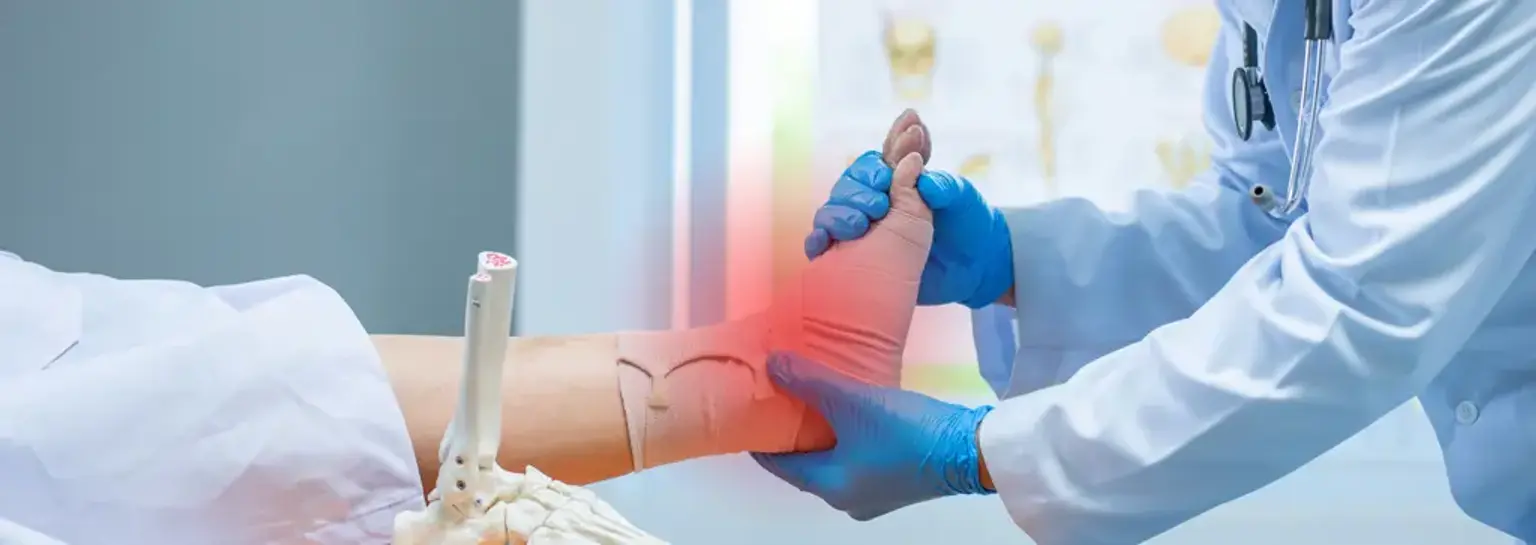



The clinical information regarding Plantar Fascia Pain in this article has been rigorously verified against the latest guidelines from the American Academy of Orthopaedic Surgeons (AAOS) and primary research from databases like PubMed. This piece was reviewed for accuracy and patient-centric clarity and was last updated in October 2023.
Introduction
introductionThat first step out of bed in the morning can feel like stepping on a nail. This sharp, stabbing pain in the bottom of your heel is the hallmark sign of plantar fasciitis, a frustrating and common orthopedic condition. You are not alone in this struggle, and the constant discomfort can significantly impact your daily activities, from walking to simply standing. This guide presents a clear, evidence based path forward, detailing the causes of your pain and the most effective solutions, from at home care to advanced medical treatments available from world class specialists.
What Are the Main Causes of Plantar Fascia Pain?
what-are-the-main-causes-of-plantar-fascia-pain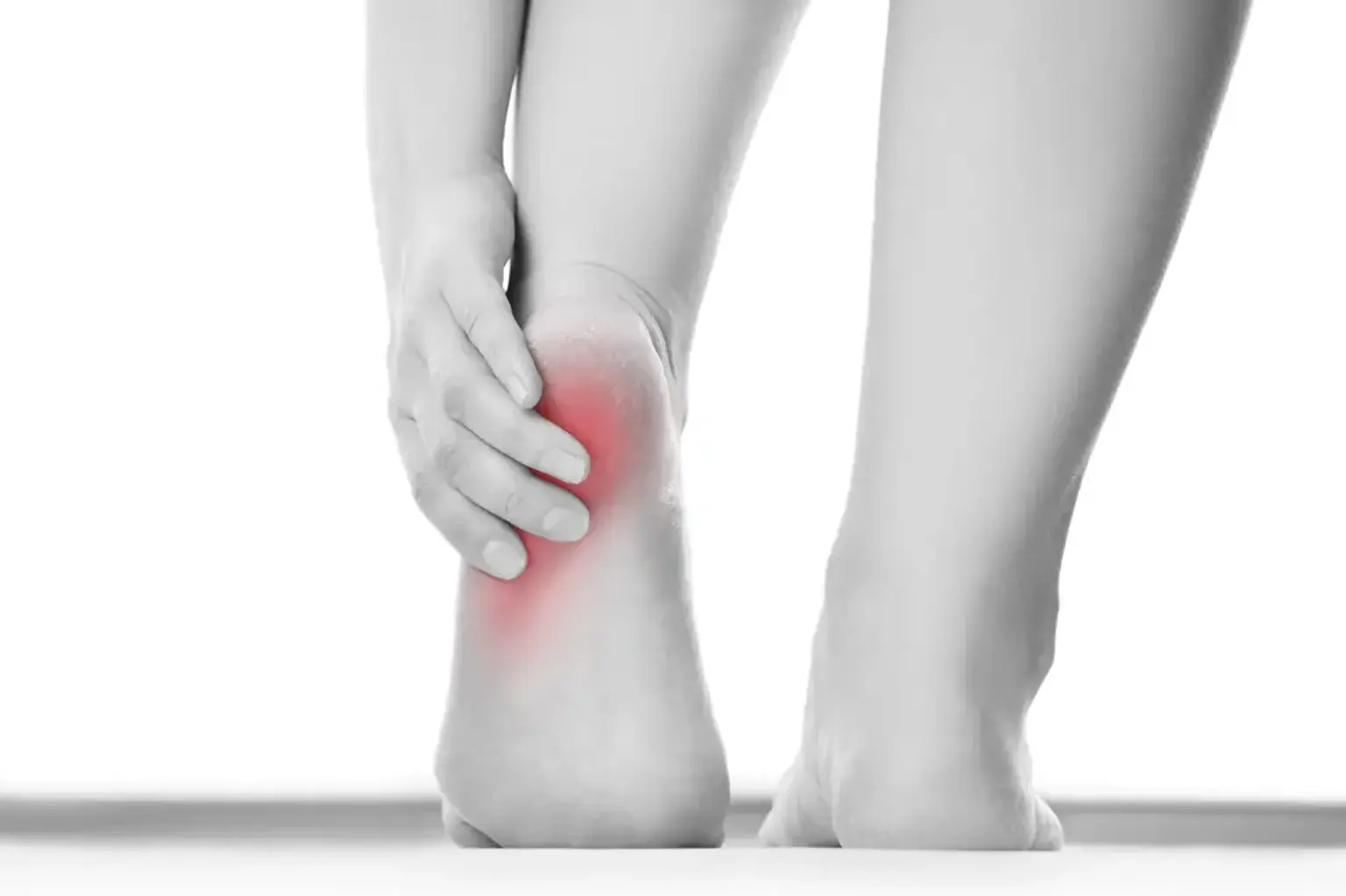
Plantar fascia pain, clinically known as plantar fasciitis, is primarily caused by inflammation and micro-tearing of the plantar fascia a thick band of tissue that runs across the bottom of your foot, connecting your heel bone to your toes. This tissue acts as a shock absorber, supporting the arch of your foot. When it's over stressed and strained, it becomes irritated, leading to the characteristic pain.
Several factors can increase your risk of developing this condition:
Mechanical Issues: Flat feet (pes planus) or high arches can alter the distribution of weight, placing excess stress on the plantar fascia.
Overuse or Sudden Activity Increase: Runners, athletes, or individuals who suddenly increase the intensity or duration of their workouts are at high risk.
Occupation: Jobs that require long hours of standing or walking on hard surfaces (e.g., teachers, factory workers, nurses) put constant strain on the feet.
Obesity: Excess body weight increases the load on your plantar fascia with every step.
Age: It is most common between the ages of 40 and 60.
Improper Footwear: Shoes with poor arch support or soft soles can contribute to the problem.
Tightness in Associated Muscles: A tight Achilles tendon or calf muscles can limit ankle flexibility and increase strain on the plantar fascia.
If left unaddressed, chronic plantar fasciitis can lead to compensatory changes in your walk gait, potentially causing secondary problems in your feet, knees, hips, or back.
How Can I Relieve Plantar Fascia Pain at Home?
how-can-i-relieve-plantar-fascia-pain-at-homeFor many people, the initial line of defense involves conservative, at home treatments designed to reduce inflammation and relieve stress on the fascia. These methods are effective for mild to moderate cases and are crucial components of any treatment plan.
Rest and Ice: The most immediate step is to reduce activities that aggravate the pain. Applying ice to the bottom of your heel for 15-20 minutes, several times a day, can significantly decrease inflammation and provide temporary pain relief. A frozen water bottle rolled under the foot works especially well.
Targeted Stretching: Gentle, consistent stretching is vital. Focus on two main areas:
Plantar Fascia Stretch: While seated, pull your big toe back towards your shin until you feel a stretch in your arch. Hold for 30 seconds and repeat several times.
Calf Stretches: Lean against a wall with one leg back and the heel on the floor. Hold for 30 seconds on each side.
Supportive Footwear and Orthotics: Avoid walking barefoot on hard surfaces. Wear shoes with good cushioning and strong arch support. Over-the-counter or custom-molded [orthotics] (shoe inserts) can help distribute pressure more evenly and correct structural foot issues.
Night Splints: For those with severe morning pain, a night splint can be highly effective. It holds the foot in a flexed position overnight, continuously stretching the plantar fascia and Achilles tendon, which can prevent the intense morning pain cycle.
What Are the Best Medical Treatments for Severe Plantar Fasciitis?
what-are-the-best-medical-treatments-for-severe-plantar-fasciitisWhen home care isn't enough after several months, or the pain is severe, medical interventions offer more powerful and targeted relief. These treatments are aimed at promoting healing and breaking the cycle of chronic inflammation.
Extracorporeal Shock Wave Therapy (ESWT) is a highly effective, non-invasive option for chronic cases. It uses high energy sound waves directed at the painful area of the heel. These waves create a micro-trauma effect, which stimulates the body's natural healing processes, increasing blood flow and accelerating tissue repair. It is a go-to treatment for patients who have not responded to conservative care.
Other common medical treatments include:
Physical Therapy: A physical therapist can design a specific program of exercises and stretches to strengthen your lower leg muscles, stabilize your walk, and reduce the load on the plantar fascia. They may also use techniques like taping or manual therapy.
Corticosteroid Injections: Injecting a powerful anti-inflammatory medication directly into the damaged area can provide rapid, though often temporary, pain relief. Due to potential risks like fat pad atrophy or fascia rupture, their use is carefully considered by specialists.
Regenerative Medicine: For resistant cases, treatments like Orthopedic Stem Cell Therapy or Platelet-Rich Plasma (PRP) injections are being explored. These use the body's own cells to try to regenerate damaged tissue, offering a potential long-term solution.
In very rare and persistent cases (less than 5% of patients), a surgical procedure to release a portion of the plantar fascia might be considered, but this is reserved as a last resort.
How Do I Choose the Right Solution For Me?
how-do-i-choose-the-right-solution-for-meThe best treatment path depends on the severity and duration of your symptoms. A stepped care approach is usually best start with conservative home treatments for a few weeks. If pain persists, a consultation with an orthopedic specialist is the next logical step to explore options like physical therapy, ESWT, or injections.
"For almost a year, every morning was agony. I tried everything stretches, new shoes, icing but nothing gave me lasting relief. After three sessions of shockwave therapy, the change was unbelievable. I can now get out of bed and walk without that dreaded sharp pain. It feels like I have my life back." – an anonymous patient, Australia.
Recommended Clinics with Relevant Expertise in South Korea
recommended-clinics-with-relevant-expertise-in-south-koreaSouth Korea is home to globally recognized orthopedic centers specializing in joint, spine, and foot/ankle disorders. The clinics below are noted for their advanced diagnostics, comprehensive rehabilitation programs, and expertise in treating conditions like plantar fasciitis.
Website | Clinic Name | Best Known For | Address | Contact |
|---|---|---|---|---|
Seoul Yes Hospital | Specialized Orthopedics, Joint & Spine Center | Yongin-si, Gyeonggi-do, South Korea | ||
Asan Medical Center | Complex Orthopedic Cases & High-Volume Surgery | Songpa, Seoul, South Korea | ||
Bumin Hospital Group | Joint & Spine Specialty Hospital Network | Haeundae, Busan, South Korea | ||
Nanoori Hospital, Gangnam | Minimally Invasive Spine & Joint Treatments | Gangnam, Seoul, South Korea | ||
Himchan Hospital | High-Volume Joint & Arthritis Specialty Center | Bupyeong, Incheon, South Korea | ||
Nasaret International Hospital | Comprehensive Care & Rehabilitation Services | Yeonsu-gu, Incheon, South Korea | ||
Gachon University Gil Medical Center | University Hospital with a Focus on Research | Namdong-gu, Incheon, South Korea | ||
Wooridul Hospital Gangnam | World-Leading Minimally Invasive Spine Surgery | Gangnam, Seoul, South Korea |
Recommended Treatment/Procedure Names with Average Costs in South Korea
recommended-treatmentprocedure-names-with-average-costs-in-south-koreaThe following table outlines various orthopedic treatments. Extracorporeal Shock Wave Therapy is the most directly relevant advanced treatment for plantar fasciitis from this list. Other procedures may be used for different or co-existing orthopedic conditions. Costs are estimates and can vary.
Treatment/Procedure Name | Treatment Duration | Hospitalization Status | Average Cost Range (USD) in S. Korea | Contact |
|---|---|---|---|---|
Extracorporeal shock wave therapy | 3 to 5 weeks | Not Needed | $200 - $500 | |
Total knee replacement | 2-3 hours | Needed (5-10 days) | $19,000 - $25,000 | |
Artificial disc replacement | 2-3 hours | Needed (3-5 days) | $20,000 - $30,000 | |
Artificial joint replacement | 2-4 hours | Needed (4-7 days) | $15,000 - $25,000 | |
Minimally invasive spinal fusion surgery | 3-5 hours | Needed (3-5 days) | $25,000 - $40,000 | |
Stem cell-based cartilage regeneration | 1-2 hours | Needed (1-2 days) | $10,000 - $18,000 | |
Orthopedic Stem Cell Therapy | 2 hours | Not Needed | $5,000 - $15,000 | |
Complex neuromuscular treatment | 3 to 6 Months | Needed (5-14days) | $5,000 - $50,000 | |
Spinal endoscopic treatment | 1-2 hours | Needed (1 day) | $12,000 - $20,000 | |
High tibial osteotomy | 1.5-2.5 hours | Needed (4-7 days) | $13,000 - $18,000 | |
ACL reconstruction | 1.5-2 hours | Needed (1-2 days) | $8,000 - $13,000 | |
Ankle ligament reconstruction | 1-1.5 hours | Needed (1 day) | $7,000 - $12,000 | |
Arthroscopic surgery | 30-90 mins | Needed (1 day) | $5,000 - $15,000 | |
Microscopic decompression surgery | 1-2 hours | Needed (1-2 days) | $15,000 - $22,000 | |
Spinal Disorder Treatment | 2-3 weeks | Needed(3 to 5 days) | $10,000 - $60,000 | |
Joint Disorder Treatment | 6 to 8 weeks | Needed(3 to 5 days) | $5,000 - $25,000 | |
Percutaneous vertebroplasty | 30-60 mins | Needed (1 day) | $7,000 - $12,000 | |
Hallux valgus correction | 1-1.5 hours | Needed (1-2 days) | $6,000 - $10,000 | |
Epidural neuroplasty | 30-60 mins | Not Needed | $2,500 - $5,000 | |
Zero-gravity spinal decompression | 6 weeks | Not Needed | $1,500 - $4,000 |
What Other Questions Do People Have About Plantar Fasciitis?
what-other-questions-do-people-have-about-plantar-fasciitisNavigating treatment options can bring up practical questions. Here are clear answers to common concerns.
1. How long does it take for plantar fasciitis to heal?
1.-how-long-does-it-take-for-plantar-fasciitis-to-healThe healing timeline varies greatly. With consistent conservative care stretching, icing, supportive footwear, many people see significant improvement in 3-6 months. Chronic cases that require medical intervention like ESWT may see results faster after treatment begins, but overall recovery can take up to a year for the tissue to fully heal. Over 90% of people improve within 10 months with simple treatments.
2. What is the difference between plantar fasciitis and a heel spur?
2.-what-is-the-difference-between-plantar-fasciitis-and-a-heel-spurA heel spur is a calcium deposit that forms a bony protrusion on the underside of the heel bone. It is often a result of the long-term stress on the plantar fascia, not the cause of the pain. Many people have heel spurs without any pain. The pain comes from the inflamed fascia itself, so treatment is directed at the fascia, not the spur.
3. Are treatments like shockwave therapy painful?
3.-are-treatments-like-shockwave-therapy-painfulDuring an ESWT session, you may feel some discomfort, but the intensity is adjusted to your tolerance. The procedure itself is short, typically lasting only 15-20 minutes. There may be some minor soreness afterward, similar to a deep tissue massage, but there is no downtime, and you can walk immediately.
4. Can plantar fasciitis come back after treatment?
4.-can-plantar-fasciitis-come-back-after-treatmentYes, recurrence is possible if the underlying causes are not addressed. Continuing to wear supportive footwear, maintaining a healthy weight, and regularly stretching your calf muscles and plantar fascia are the most effective ways to prevent the pain from returning.
When Should I See a Doctor for Persistent Heel Pain?
when-should-i-see-a-doctor-for-persistent-heel-painYou should schedule a consultation with an orthopedic specialist if you experience any of the following:
Heel pain that does not improve after 2-3 weeks of consistent home care.
Pain that is severe and interferes with your ability to walk or perform daily tasks.
Pain that is present even when you are not standing or walking.
Numbness, tingling, or swelling in your heel or foot.
A specialist can provide an accurate diagnosis, rule out other causes of heel pain like a stress fracture or nerve issue, and create a personalized, effective treatment plan.
Take the First Step Towards Pain-Free Mornings
take-the-first-step-towards-pain-free-morningsYou do not have to live with debilitating heel pain. A clear diagnosis and an effective treatment plan can help you return to your active life. By inquiring about plantar fasciitis treatment through a trusted partner like CloudHospital, you can access leading orthopedic specialists in South Korea through a seamless, transparent process. A dedicated Care Manager will provide end-to-end support, from your initial inquiry to your post-recovery care. And Start Your Confidential Inquiry and receive a personalized treatment plan from a top-tier specialist.