

The clinical information regarding Understanding E. Coli Symptoms in this article has been rigorously verified against the latest guidelines from the Centers for Disease Control and Prevention and primary research from databases like PubMed. This piece was reviewed for accuracy and patient-centric clarity and was last updated in September 2023.
Introduction
introductionAn infection with Escherichia coli (E. coli) can range from a mild inconvenience to a life threatening medical emergency. While most strains of this bacterium are harmless inhabitants of the human gut, certain strains, particularly Shiga toxin producing E. coli , can cause severe illness. This guide offers a comprehensive overview of E. coli symptoms, causes, and treatment pathways for those seeking to understand and navigate this common yet potentially dangerous infection.
What is an E. coli Infection?
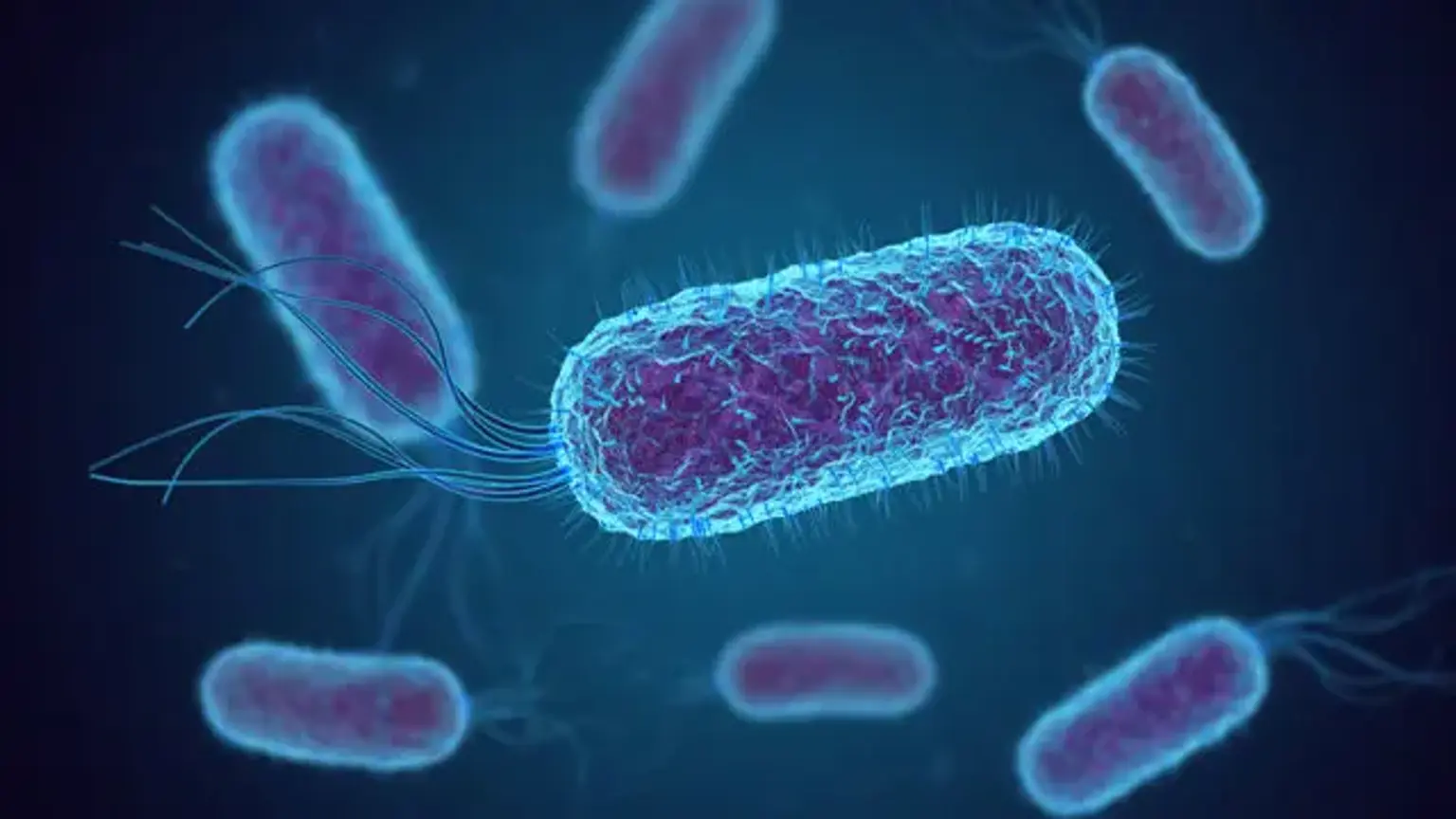
what-is-an-e.-coli-infectionAn E. coli infection is a type of illness caused by harmful strains of the Escherichia coli bacteria. These pathogenic strains are primarily transmitted through contaminated food such as undercooked ground beef, unpasteurized milk, or raw vegetables or contaminated water. When ingested, the bacteria colonize the intestines and can produce potent toxins, like the Shiga toxin, which damages the lining of the intestine. This damage leads to the characteristic symptoms of the infection and, in severe cases, can allow toxins to enter the bloodstream and affect other organs, most notably the kidneys.
What are the Common Causes and Risk Factors for E. coli?
what-are-the-common-causes-and-risk-factors-for-e.-coliUnderstanding the sources of E. coli is critical for prevention. The infection is primarily spread through fecal oral transmission.
Contaminated Food: This is the most common cause. High risk foods include undercooked ground meat, raw milk and cheeses, and fresh produce like lettuce and sprouts contaminated by animal waste runoff.
Contaminated Water: Swallowing water from contaminated sources, such as lakes, pools, or non-potable wells, can lead to infection.
Person-to-Person Contact: The bacteria can spread easily, especially in settings like daycare centers, if proper handwashing is not practiced after using the bathroom or changing diapers.
Contact with Animals: Visiting farms or petting zoos can pose a risk, as E. coli is commonly found in the intestines of cattle, goats, and sheep.
Risk Factors: Young children and older adults are at the highest risk for developing severe illness. Individuals with weakened immune systems or low stomach acid levels are also more susceptible.
What are the First Signs of an E. Coli Infection?
what-are-the-first-signs-of-an-e.-coli-infectionThe initial symptoms of a pathogenic E. coli infection typically appear 3 to 4 days after exposure to the bacteria, though they can start as early as one day or as late as ten days after. The onset is often sudden.
Severe Abdominal Cramps: This is frequently the first and most prominent symptom. The pain can be intense and may come in waves.
Watery Diarrhea: The diarrhea often starts as watery and can be very frequent.
Nausea and Vomiting: While not always present, many individuals experience nausea and may vomit, particularly in the early stages.
Fatigue and Low-Grade Fever: A general feeling of being unwell, tired, and a slight fever may accompany the gastrointestinal symptoms.
Within a couple of days, the diarrhea may progress to become bloody, a hallmark sign of a serious STEC infection.
How is an E. coli Infection Diagnosed?
how-is-an-e.-coli-infection-diagnosedA definitive diagnosis of an E. coli infection is made by testing a stool sample. A doctor will suspect E. coli based on your symptoms, especially if you report bloody diarrhea. The stool sample is sent to a laboratory to be analyzed for the presence of E. coli bacteria, specifically looking for the Shiga toxin producing strains. In cases where complications are suspected, further tests may be required, including blood tests to check for low platelet counts, anemia, or signs of kidney distress, which could indicate the development of hemolytic uremic syndrome.
How Long Do E. coli Symptoms Usually Last?
how-long-do-e.-coli-symptoms-usually-lastFor most healthy adults, an E. coli infection is a self limiting illness that resolves without specific treatment. Symptoms typically last for about 5 to 7 days. During this time, the primary focus is on supportive care, especially maintaining hydration. It is crucial to monitor symptoms closely, as a worsening condition can signal a serious complication. Patients are generally advised against using anti diarrheal medications, as these can slow down the digestive system and increase the time the toxins remain in the body, potentially worsening the outcome (Source: CDC, 2023).
"It started with what I thought was just bad stomach flu, but within a day, the cramps were unbearable and I saw blood. I was terrified. Getting a diagnosis and knowing what was wrong was the first step toward feeling safe again." – an anonymous patient, United States.
When Should You Go to the Hospital for E. coli?
when-should-you-go-to-the-hospital-for-e.-coliWhile many cases can be managed at home, certain symptoms warrant immediate medical attention. You should see a doctor or go to the hospital if you or your child experience any of the following:
Severe vomiting that prevents you from keeping liquids down.
Signs of dehydration: little to no urination, extreme thirst, a very dry mouth, and dizziness.
A fever higher than 102°F (38.9°C).
Diarrhea that has not improved after 5 days (2 days for a child).
Signs of Hemolytic Uremic Syndrome (HUS): Decreased frequency of urination, feeling very tired, and losing pink color in cheeks and inside the lower eyelids. HUS is a medical emergency.
Can E. coli Cause Long-Term Kidney Problems?
can-e.-coli-cause-long-term-kidney-problemsYes, this is the most serious risk associated with STEC infections. About 5-10% of individuals diagnosed with a STEC infection develop a life-threatening complication called hemolytic uremic syndrome (HUS) (Source: WHO, 2023). HUS typically develops about 7 days after the first symptoms appear, often when the diarrhea is improving. It is a condition where the red blood cells are destroyed and the kidneys fail. HUS is the most common cause of acute kidney failure in young children and requires intensive hospital care, often including dialysis. While most people with HUS recover completely, some may suffer permanent kidney damage or other long-term health issues.
Recommended Clinics with Relevant Expertise in South Korea
recommended-clinics-with-relevant-expertise-in-south-koreaFor complex gastroenterological conditions or severe infections, seeking care at a top-tier medical center is crucial. South Korea is home to world-renowned hospitals with advanced gastroenterology departments.
Website | Clinic Name | Best Known For | Address | Inquire Now |
|---|---|---|---|---|
Asan Medical Center | Comprehensive Digestive Disease Center & Research | Songpa-gu, Seoul,South Korea | ||
Seoul St. Mary's Hospital-Seocho | Advanced Endoscopic Procedures & IBD Care | Seocho-gu, Seoul,South Korea | ||
Seoul National University Hospital- Gangnam District | Leading Surgical Gastroenterology & Cancer Treatment | Gangnam-gu, Seoul, South Korea | ||
Kangdong Sacred Heart Hospital | Minimally Invasive Colorectal Surgery | Gangdong-gu, Seoul, South Korea | ||
H Plus Yangji Hospital | Specialized Digestive Endoscopy Center | Gwanak-gu, Seoul, South Korea | ||
Soon Chun Hyang University Hospital Seoul | High-Volume Gastroenterology & Hepatology Services | Yongsan-gu, Seoul, South Korea | ||
Kyung Hee University Hospital At Gangdong | Integrative Medicine & Digestive Health | Gangdong-gu, Seoul, South Korea | ||
Hanyang University Seoul Hospital | Expertise in Complex Gastrointestinal Disorders | Seongdong-gu, Seoul, South Korea |
Recommended Diagnostic Procedures and Average Costs in South Korea
recommended-diagnostic-procedures-and-average-costs-in-south-koreaDiagnosis and management of gastrointestinal issues may involve various procedures. The costs below are estimates and can vary based on the specifics of a patient's case and the chosen hospital.
Treatment/Procedure Name | Treatment Duration | Hospitalization? | Avg Cost Range (USD) in S. Korea | Contact |
|---|---|---|---|---|
Colonoscopy with Polypectomy | 30 - 60 mins | Not Needed | $500 - $1,200 | |
Upper GI Endoscopy with Biopsy (EGD) | 20 - 30 mins | Not Needed | $400 - $1,000 | |
Endoscopic Ultrasound (EUS) with Fine Needle Aspiration | 30 - 90 mins | Needed (1 day) | $1,500 - $4,000 | |
ERCP with Stenting | 1 - 2 hours | Needed (1-3 days) | $3,000 - $7,000 | |
Inflammatory Bowel Disease (IBD) Biologic Therapy | 1 - 3 hours | Not Needed | $2,000 - $5,000 | |
Hepatitis C Antiviral Therapy | 8-12 weeks | Not Needed | $15,000 - $30,000 | |
Bariatric Surgery (e.g., Sleeve Gastrectomy) | 1 - 2 hours | Needed (2-4 days) | $12,000 - $18,000 | |
Colon Cancer Surgery (Colectomy) | 2 - 4 hours | Needed (4-7 days) | $15,000 - $25,000 | |
Pancreatic Surgery (Whipple Procedure) | 4 - 8 hours | Needed (7-14 days) | $40,000 - $60,000 | |
Liver Transplantation | 6 - 12 hours | Needed (2-4 weeks) | $100,000 - $150,000 |
What Are Common Questions About E. coli Infections?
what-are-common-questions-about-e.-coli-infectionsThis section addresses common practical questions patients have about E. coli.
1. Are antibiotics used to treat E. coli?
1.-are-antibiotics-used-to-treat-e.-coliFor infections caused by Shiga toxin-producing E. coli, antibiotics are generally not recommended. There is evidence that certain antibiotics may increase the risk of developing HUS. Treatment focuses on supportive care: rest, fluid replacement, and monitoring for complications.
2. Is an E. coli infection contagious?
2.-is-an-e.-coli-infection-contagiousYes, E. coli is highly contagious. The bacteria are shed in the stool of an infected person for about a week or longer. It can be spread through person-to-person contact if proper hand hygiene is not observed.
3. How can I prevent an E. coli infection?
3.-how-can-i-prevent-an-e.-coli-infectionPrevention involves safe food handling and good hygiene. Cook meats thoroughly, especially ground beef, to an internal temperature of 160°F (71°C). Wash hands, counters, and utensils with hot, soapy water after they touch raw meat. Avoid raw milk and unpasteurized dairy products. Wash fruits and vegetables well.
4. Can you get E. coli more than once?
4.-can-you-get-e.-coli-more-than-onceYes, a person can get infected with E. coli multiple times. There are many different strains of the bacteria, and an infection with one strain does not provide immunity against others.
Find Clarity and Expert Care for Digestive Health in Seoul Now!
find-clarity-and-expert-care-for-digestive-health-in-seoulNavigating severe digestive symptoms can be frightening. Taking decisive action to get an accurate diagnosis and expert care is the most important step you can take. The world-class medical centers in South Korea offer advanced diagnostic capabilities and specialized gastroenterology care. We are here to simplify the process for you. Start Your Confidential Inquiry through CloudHospital connect you with leading specialists for a consultation. You will receive end-to-end support from a dedicated Care Manager, ensuring a seamless and transparent experience from your first inquiry through post-treatment care.