



The clinical information regarding Tonsil Stones in this article has been rigorously verified against the latest guidelines from the American Academy of Otolaryngology Head and Neck Surgery (AAO-HNS) and primary research from databases like PubMed. This piece was reviewed for accuracy and patient-centric clarity and was last updated in May 2024.
Introduction
introduction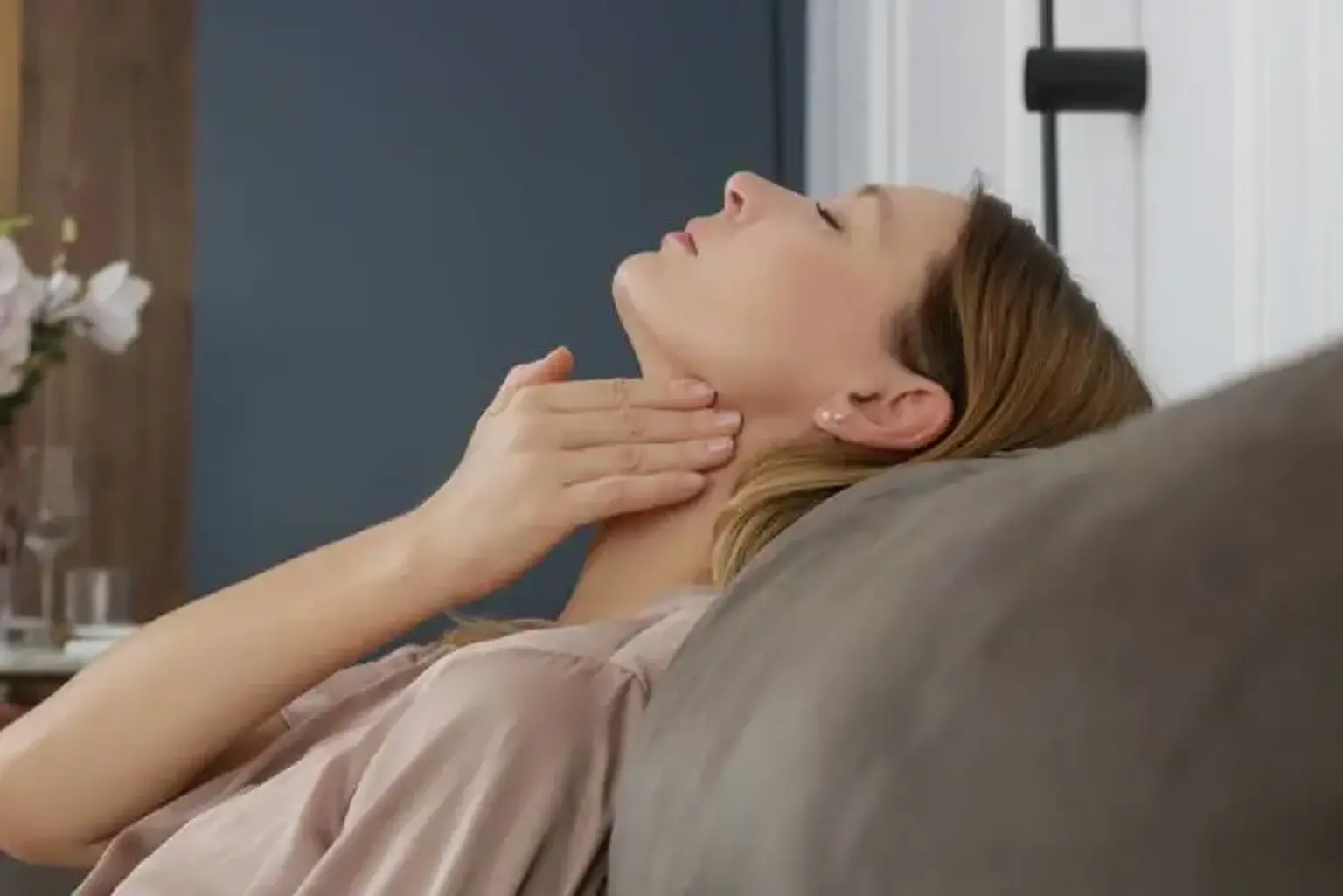
Tonsil stones, medically known as tonsilloliths, are a common and often bothersome condition that can cause significant discomfort and social anxiety, primarily due to severe bad breath. While often harmless, they can be a source of chronic irritation and concern for many individuals. This guide offers a comprehensive, expert level overview of what tonsil stones are, why they form, and the full spectrum of solutions available, from at-home care to definitive medical procedures.
What Are Tonsil Stones?
what-are-tonsil-stonesTonsil stones, or tonsilloliths, are small, hard or soft masses of calcified material that form in the natural crevices of the tonsils, known as tonsillar crypts. Your tonsils are gland like structures in the back of your throat that are part of your immune system. Their surface is not smooth; it is pitted with these crypts. When dead cells, mucus, food particles, and bacteria get trapped in these pockets, the material can accumulate and harden, or calcify, into a stone. These stones are typically white, off white, or yellowish and can range in size from a grain of rice to a large grape, although larger stones are rare.
What Causes Tonsil Stones to Form in the Throat?
what-causes-tonsil-stones-to-form-in-the-throatTonsil stones form when debris becomes trapped and calcifies within the tonsillar crypts. Several factors can increase the likelihood of their development.
Tonsil Anatomy: The primary cause is having tonsils with deep, large, or intricate crypts, which provide an ideal environment for debris to accumulate.
Chronic Tonsillitis: Recurrent inflammation and infection of the tonsils can lead to scarring and the deepening of crypts, increasing the risk.
Poor Oral Hygiene: Inadequate brushing and flossing can allow more bacteria and food particles to remain in the mouth, which can then become trapped in the tonsils.
Dehydration and Dry Mouth: Saliva plays a crucial role in washing away bacteria and debris. A lack of saliva can contribute to the buildup that forms stones.
Sinus Issues and Post-Nasal Drip: Chronic sinus problems or allergies can cause excess mucus to drip down the back of the throat, providing more material for stone formation.
What Are the Symptoms and Signs of Tonsil Stones?
what-are-the-symptoms-and-signs-of-tonsil-stonesMany small tonsil stones cause no symptoms and are only discovered incidentally. When symptoms do occur, they can be persistent and distressing.
Halitosis (Bad Breath): This is the most common and often most bothersome symptom. The bacteria and sulfur compounds within the stones produce a potent, foul odor.
Sensation of Something Stuck: A persistent feeling of a foreign object lodged in the back of the throat.
Visible White/Yellow Debris: You may be able to see the stones as white or yellow specks on your tonsils.
Sore Throat or Discomfort: The stones can cause localized irritation, inflammation, and pain in the throat.
Difficulty Swallowing (Dysphagia): Larger stones may interfere with the normal swallowing process, causing pain or a sensation of blockage.
Ear Pain: Due to shared nerve pathways, tonsil irritation can sometimes cause referred pain in the ear.
Tonsil Swelling: The tonsil itself may become inflamed and swollen around the site of the stone.
How Are Tonsil Stones Diagnosed?
how-are-tonsil-stones-diagnosedDiagnosing tonsil stones is often straightforward and can typically be done by an Otolaryngologist .
Physical Examination: Most tonsil stones are visible during a routine examination of the mouth and throat. The doctor will use a light and a tongue depressor to inspect the tonsils for the characteristic white or yellow formations within the crypts.
Patient History: A detailed discussion of your symptoms, particularly chronic halitosis, a foreign body sensation, or a history of coughing up small, foul smelling particles, is a key part of the diagnosis.
Imaging Scans: For stones that are not visible or are suspected to be deeply embedded, an imaging scan like a CT scan may be ordered. This is uncommon and typically reserved for cases where other conditions need to be ruled out or the stone is unusually large and causing significant symptoms.
How Can You Safely Remove Tonsil Stones at Home?
how-can-you-safely-remove-tonsil-stones-at-homeYou can safely remove some tonsil stones at home, but it requires caution to avoid injuring the delicate tonsil tissue or pushing the stone deeper. The goal is gentle dislodging, not aggressive scraping.
Vigorous Gargling: Gargling with warm salt water can help soothe the throat, dislodge smaller stones, and cleanse the tonsil crypts.
Water Flosser (Low Setting): Using a water flosser on its lowest pressure setting can be an effective way to gently flush out the crypts and dislodge stones. Aim the stream at the stone, not directly into the crypt.
Gentle Swab Pressure: A clean, wet cotton swab can be used to gently press on the tissue next to the stone. This can sometimes pop the stone out of its pocket. Never use sharp objects like toothpicks or tweezers, as this can cause bleeding and infection.
If these methods are unsuccessful or cause pain, it is best to stop and consult a medical professional.
What Are the Professional Medical Treatments for Recurring Tonsil Stones?
what-are-the-professional-medical-treatments-for-recurring-tonsil-stonesFor individuals with persistent, large, or deeply embedded tonsilloliths, professional medical treatment offers more definitive and lasting solutions.
Office-Based Removal: An ENT doctor can often remove visible stones in their office using specialized instruments like a probe or irrigation tool.
Laser Tonsil Cryptolysis: This is a minimally invasive procedure performed under local anesthesia. A laser is used to vaporize and smooth out the surface of the tonsil crypts, eliminating the pockets where stones form. This procedure preserves most of the tonsil tissue.
Coblation Cryptolysis: Similar to laser treatment, this technique uses radiofrequency energy to ablate the tonsil crypts, reducing their depth and preventing debris accumulation.
Tonsillectomy: The surgical removal of the tonsils is the only treatment that guarantees a permanent cure for tonsil stones. Because it is a surgical procedure with a significant recovery period, a tonsillectomy is typically reserved for severe, chronic cases where other treatments have failed and the symptoms significantly impact the patient's quality of life. An estimated 75% of patients who undergo tonsillectomy for chronic tonsillitis or stones report resolution of their halitosis.
When Should I See an ENT Doctor for Tonsil Stones?
when-should-i-see-an-ent-doctor-for-tonsil-stones"For years, I was so self-conscious about my breath. No amount of brushing, flossing, or mouthwash seemed to help. I'd occasionally cough up these strange, foul smelling white chunks and had no idea what they were. Finally seeing an ENT and getting a diagnosis of tonsil stones was a huge relief; it wasn't just in my head, and there were actual solutions." – An anonymous patient, USA.
You should schedule an appointment with a healthcare professional, preferably an ENT specialist, if you experience any of the following:
"Persistent or Severe Symptoms: If bad breath, throat discomfort, or other symptoms are chronic and affecting your daily life.
"Large Stones: If you can see a large stone or have difficulty swallowing.
"Signs of Infection: If you experience significant pain, fever, or red, swollen tonsils along with the stones.
"Failed Home Removal: If you are unable to safely remove the stones at home or find that they return quickly.
"Diagnostic Certainty: If you are unsure whether your symptoms are from tonsil stones or another underlying condition.
Recommended Clinics with Relevant Expertise in South Korea
recommended-clinics-with-relevant-expertise-in-south-koreaFor patients considering treatment in South Korea, several world-class hospitals and clinics specialize in ENT procedures, offering advanced diagnostics and treatments for conditions like tonsil stones.
Website | Clinic Name | Best Known For | Address | Contact |
|---|---|---|---|---|
Hyundai Uvis Hospital | Comprehensive care in a general hospital setting with a dedicated ENT department. | Michuhol-gu, Incheon, South Korea | ||
Gangnam Severance Hospital | Leading university hospital renowned for complex ENT and head/neck surgeries. | Gangnam-gu, Seoul, South Korea | ||
Samsung Medical Center | Premier research hospital with advanced technology for diagnostics and treatment. | Gangnam-gu, Seoul, South Korea | ||
Special ENT Clinic | Highly specialized care focusing on voice, snoring, sinus, and throat disorders. | Seocho-gu, Seoul, South Korea | ||
Gangdong Yonsei ENT Clinic | Clinic focused exclusively on treating a wide range of ear, nose, and throat conditions. | Gangdong-gu, Seoul, South Korea | ||
Always Green ENT Clinic | Providing comprehensive ENT care for both pediatric and adult patients. | Seocho-gu, Seoul, South Korea | ||
Jeongdam ENT Clinic | Offering a full spectrum of treatments for common and complex ENT issues. | Songpa-gu, Seoul, South Korea | ||
Yeouido ENT Clinic | Specialized practice with a focus on nasal, sinus, and related throat conditions. | Yeongdeungpo-gu, Seoul, South Korea |
Recommended Treatment/Procedure Names with Average Costs in South Korea
recommended-treatmentprocedure-names-with-average-costs-in-south-koreaSouth Korea is a leading destination for high-quality medical procedures. The following table outlines common ENT treatments, including those relevant to severe tonsil conditions, with estimated costs.
Treatment/Procedure Name | Duration | Hospitalization? | Avg. Cost(USD) in S. Korea | Contact |
|---|---|---|---|---|
Tonsillectomy & Adenoidectomy (T&A) | 30-60 minutes | Not Needed | $2,500 - $5,000 | |
Septoplasty with Turbinate Reduction | 1-1.5 hours | Not Needed | $3,500 - $6,000 | |
Complex Sinus Surgery (FESS) | 2-4 hours | Needed (1 day) | $6,000 - $10,000 | |
Cochlear Implant Surgery | 2-4 hours | Needed (1-2 days) | $25,000 - $50,000 | |
Tympanomastoidectomy | 2-4 hours | Needed (1-2 days) | $7,000 - $12,000 | |
Thyroidectomy (Partial or Total) | 1.5-3 hours | Needed (1-3 days) | $7,000 - $15,000 | |
Parotidectomy | 2-4 hours | Needed (1-3 days) | $8,000 - $16,000 | |
Stapedectomy | 1-2 hours | Not Needed | $5,000 - $9,000 | |
Laryngectomy | 5-9 hours | Needed (7-14 days) | $20,000 - $40,000 | |
Rhinoplasty (Cosmetic/Functional) | 2-4 hours | Needed (1 day) | $4,000 - $12,000 |
What Are Common Questions About Tonsil Stones?
what-are-common-questions-about-tonsil-stonesThis section addresses frequently asked questions about tonsil stones and their management.
1. What is the reason tonsil stones smell so bad?
1.-what-is-the-reason-tonsil-stones-smell-so-badThe foul odor is caused by anaerobic bacteria that thrive in the low-oxygen environment of the tonsil crypts. These bacteria feed on the trapped debris and release volatile sulfur compounds (VSCs), such as hydrogen sulfide and methyl mercaptan, which are the same compounds responsible for the smell of rotten eggs and severe bad breath.
2. Are tonsil stones dangerous or a sign of something serious?
2.-are-tonsil-stones-dangerous-or-a-sign-of-something-seriousNo, tonsil stones are not dangerous in themselves and are not a sign of cancer or other serious illnesses. They are a benign condition resulting from anatomy and trapped debris. However, their symptoms, especially chronic bad breath and discomfort, can be very disruptive to a person's life.
3. Can you permanently prevent tonsil stones from coming back?
3.-can-you-permanently-prevent-tonsil-stones-from-coming-backYou can take steps to reduce their frequency, but prevention is not always possible without a medical procedure. Improving oral hygiene with meticulous brushing, flossing, tongue scraping, and staying well-hydrated are the best preventive measures. Using a non-alcoholic, oxygenating mouthwash can also help. However, for those with deep crypts, the only way to permanently stop tonsil stones is to either eliminate the crypts (cryptolysis) or remove the tonsils entirely tonsillectomy.
4. Can diet affect the formation of tonsil stones?
4.-can-diet-affect-the-formation-of-tonsil-stonesWhile no specific food directly causes tonsil stones, certain dietary habits may contribute. Consuming a lot of dairy products may thicken mucus for some individuals, and sugary foods can promote bacterial growth. Maintaining a balanced diet and rinsing your mouth with water after meals can help minimize the amount of debris available to form stones.
5. Are tonsil stones contagious?
5.-are-tonsil-stones-contagiousNo, tonsil stones are not contagious. They are a physical formation of debris and bacteria from your own body and cannot be passed from one person to another through kissing or sharing utensils.
6. Do tonsil stones go away on their own?
6.-do-tonsil-stones-go-away-on-their-ownSometimes, smaller tonsil stones can be dislodged naturally through coughing, sneezing, or swallowing and may go unnoticed. However, larger or more embedded stones often require manual removal or intervention to be cleared from the tonsil crypts. They will likely recur if the underlying anatomical cause is not addressed.
Find Lasting Relief from Tonsil Stones: Get Your Expert Consultation Now !
find-lasting-relief-from-tonsil-stones:-get-your-expert-consultationLiving with the discomfort and embarrassment of chronic tonsil stones is not necessary. The first step toward a definitive solution is a professional evaluation with an ENT specialist who can assess your specific condition and recommend the most effective treatment path. By inquiring through a trusted platform, you can access world-class care in South Korea through a seamless, transparent process. A dedicated Care Manager will provide end to end support, from your initial inquiry to your post-recovery care. Start Your Confidential Inquiry with CloudHospital to receive a personalized treatment plan and quote from leading ENT specialists.