

The clinical information regarding what anxiety feels like in this article has been rigorously verified against the latest diagnostic criteria from the American Psychiatric Association (APA), specifically the DSM-5-TR, and cross-referenced with primary research from databases like PubMed. This piece was reviewed for accuracy and patient-centric clarity and was last updated in October 2023, referencing the diagnostic manual update from March 2022.
Introduction
introductionAnxiety is more than just feeling worried it's a complex and often overwhelming condition that can manifest in physical, emotional, and cognitive ways. Anxiety disorders are among the most common mental health conditions globally, affecting an estimated 301 million people worldwide. This guide offers a comprehensive overview for those seeking to understand the multifaceted nature of anxiety and learn about effective pathways to manage it.
What is Anxiety?
what-is-anxiety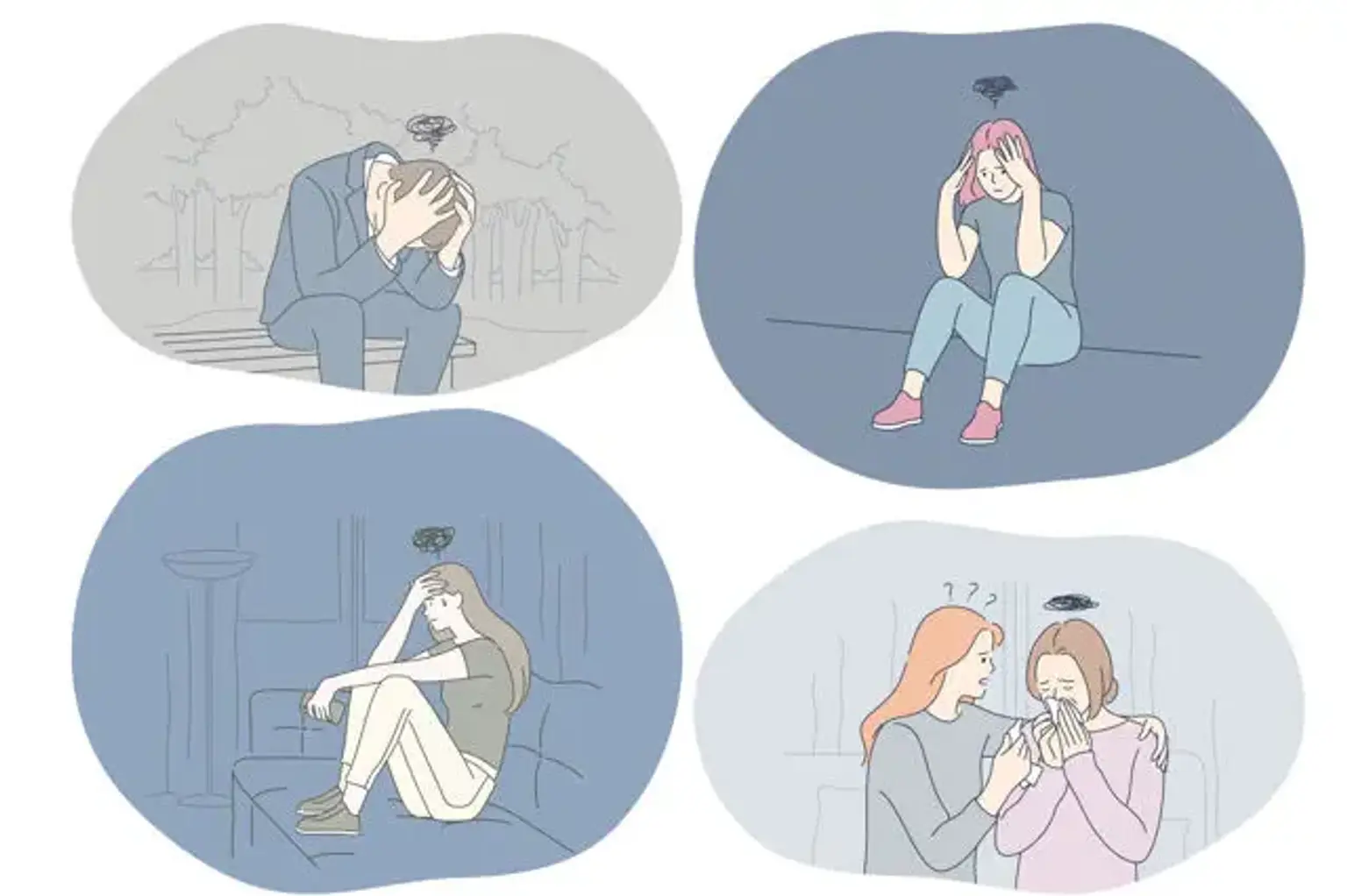
Anxiety is the body's natural response to stress, an alarm system that triggers a fight or flight reaction to perceived danger. It involves the anticipation of a future threat. While occasional anxiety is a normal part of life, anxiety disorders involve intense, excessive, and persistent worry and fear about everyday situations. These feelings are often out of proportion to the actual danger and can interfere significantly with daily activities. At a biological level, this involves the over activation of brain areas like the amygdala and an imbalance in neurotransmitters such as serotonin and norepinephrine.
What are the Physical Feelings of Anxiety?
what-are-the-physical-feelings-of-anxietyThe physical feelings of anxiety are the direct result of the body's fight or flight response, which floods the system with hormones like adrenaline and cortisol. These sensations are not just in your head they are real physiological events.
Racing Heart or Palpitations: A feeling that your heart is pounding, fluttering, or beating too fast.
Shortness of Breath: A sensation of not being able to get enough air or feeling smothered.
Chest Tightness or Pain: This can be a sharp or dull pain, often mistaken for a heart attack.
Trembling or Shaking: Uncontrollable shaking, particularly in the hands and legs.
Sweating and Chills: Experiencing sudden sweating, hot flashes, or cold chills.
Nausea or Stomach Discomfort: Feeling butterflies, stomach cramping, or an urgent need to use the restroom.
Dizziness or Lightheadedness: A feeling that you might faint or that the room is spinning.
Muscle Tension: Chronic tightness and aching, especially in the neck, shoulders, and back.
Numbness or Tingling Sensations: Often experienced in the hands, feet, or face.
What Does a Panic Attack Feel Like?
what-does-a-panic-attack-feel-likeA panic attack feels like a sudden, intense surge of overwhelming fear or terror that peaks within minutes, often with no apparent trigger. It is a discrete episode of anxiety at its most extreme, where the physical and cognitive symptoms become so severe that the person may feel they are dying, having a heart attack, or losing control completely. Key differentiators from general anxiety are its abrupt onset and debilitating intensity.
What are the Cognitive and Emotional Symptoms of Anxiety?
what-are-the-cognitive-and-emotional-symptoms-of-anxietyBeyond the physical sensations, anxiety profoundly impacts thoughts and emotions. These symptoms can be just as debilitating and often create a feedback loop that worsens the physical feelings.
Persistent Worry: Uncontrollable and excessive worrying about a wide range of topics.
Intrusive Thoughts: Unwanted and distressing thoughts or images that are difficult to dismiss.
Catastrophizing: A tendency to assume the worst case scenario will happen.
Difficulty Concentrating: Feeling like your mind has gone blank or being unable to focus.
Irritability: Feeling easily agitated, on edge, or snapping at others.
Restlessness: An inability to relax or a constant feeling of being keyed up.
Derealization or Depersonalization: A strange feeling of being detached from yourself or your surroundings, as if watching a movie.
How is Anxiety Diagnosed?
how-is-anxiety-diagnosedA proper diagnosis is made by a qualified healthcare professional, such as a psychiatrist or psychologist, and is crucial for effective treatment. The process typically involves a comprehensive evaluation to rule out other medical conditions and identify the specific type of anxiety disorder.
Psychological Evaluation: This involves a detailed discussion about your thoughts, feelings, behaviors, and symptoms. The professional will ask about the intensity, duration, and impact of your anxiety on your daily life.
Physical Examination: A doctor may perform a physical exam and ask about your medical history to ensure your symptoms are not caused by an underlying physical health problem, such as a thyroid issue or heart condition.
Diagnostic Criteria: The clinician will compare your symptoms to the criteria listed in the Diagnostic and Statistical Manual of Mental Disorders DSM-5-TR, the standard classification used by mental health professionals. This helps differentiate between Generalized Anxiety Disorder (GAD), Panic Disorder, Social Anxiety Disorder, and other related conditions.
What are the Best Treatments for Anxiety Disorders?
what-are-the-best-treatments-for-anxiety-disordersThe most effective treatment plans for anxiety are often a combination of therapy, medication, and lifestyle adjustments, tailored to the individual's specific needs.
Psychotherapy: Also known as talk therapy, this is a cornerstone of anxiety treatment. Cognitive Behavioral Therapy (CBT) is one of the most effective forms, helping individuals identify and change negative thought patterns and behaviors.
Medication: Psychiatrists may prescribe medications to help manage symptoms. Common classes include Selective Serotonin Reuptake Inhibitors (SSRIs) and Serotonin Norepinephrine Reuptake Inhibitors (SNRIs).
Advanced Therapies: For treatment resistant cases, innovative options like Transcranial Magnetic Stimulation (TMS) are available. TMS is a non-invasive procedure that uses magnetic fields to stimulate nerve cells in the brain to improve symptoms of depression and anxiety.
Behavioral Therapies: These include techniques like exposure therapy, which gradually exposes you to the object or situation you fear to help you gain control.
"For years, it felt like a constant, low-grade hum of dread in my chest and a 'what if' for every possible situation. Getting diagnosed was like being given a map; I finally understood the terrain of my own mind and could start navigating it instead of just being lost in it." – an anonymous patient, South Korea.
When Should I See a Doctor for Anxiety?
when-should-i-see-a-doctor-for-anxietyYou should see a doctor if your anxiety is excessive, persistent, and interfering with your work, relationships, or other parts of your life. Seek professional help if you experience:
Worry that is distressing and difficult to control.
Symptoms that cause you significant emotional distress or impair your daily functioning.
Physical symptoms like panic attacks, shortness of breath, or a racing heart.
Avoidance of social situations or places due to fear.
Thoughts of self harm or suicide.
Recommended Clinics with Relevant Expertise in South Korea
recommended-clinics-with-relevant-expertise-in-south-koreaWebsite | Clinic Name | Best Known For | Address | Contact |
|---|---|---|---|---|
Seoul Psychiatry Gangnam | English Speaking Psychiatrists, General Psychiatry | Gangnam-gu, Seoul, South Korea | ||
It's Okay Mental Health Medicine Clinic | Comprehensive Mental Health and Wellness Services | Songpa-gu, Seoul, South Korea | ||
Yonsei Gasansup Mental Health Clinic | Stress, Depression, and ADHD Management | Geumcheon-gu, Seoul, South Korea | ||
Same Heart Mental Health Medicine Clinic | General Mental Health Medicine | Namyangju-si, Gyeonggi-do, South Korea | ||
Jangdeok-hwan Mental Health Clinic | Adult and Geriatric Psychiatry | Paldal-gu, Gyeonggi-do, South Korea | ||
Son Psychiatry Clinic | General Psychiatric and Counseling Services | Gyeongju-si, Gyeongsangbuk-do, South Korea | ||
Saerom Mental Health Medicine Clinic | Modern Mental Health Treatment Approaches | Gyeongsan-si, Gyeongsangbuk-do, South Korea | ||
Seongmo Mental Health Clinic | Community Focused Mental Healthcare | Nonsan-si, Chungcheongnam-do, South Korea |
Recommended Treatment/Procedure Names with Average Costs in South Korea
recommended-treatmentprocedure-names-with-average-costs-in-south-koreaTreatment/Procedure Name | Duration | Hospitalization? | Avg. Cost (USD) in S. Korea? | Contact |
|---|---|---|---|---|
Brainstim100 Helmet TMS | 20 to 40 mins | Not Needed | $150 to $300 | |
Comprehensive Neurological Assessment | 1 to 3 hours | Not Needed | $500 to $1500 | |
Psychotherapy | 45 to 60 mins | Not Needed | $100 to $250 | |
Behavioral Therapies | 45 to 60 mins | Not Needed | $100 to $250 |
What Are Common Questions About Anxiety?
what-are-common-questions-about-anxietyThis section addresses some of the most common practical questions individuals have about understanding and living with anxiety.
1. How is anxiety different from stress?
1.-how-is-anxiety-different-from-stressStress is a response to a specific, external trigger (e.g., a work deadline, a difficult exam) and typically resolves once the trigger is gone. Anxiety is more internal and can persist even without an obvious stressor it is a sustained mental health state characterized by worry, fear, and physical symptoms.
2. Can anxiety be cured permanently?
2.-can-anxiety-be-cured-permanentlyWhile a complete cure may not be the right term, anxiety disorders are highly treatable. The goal of treatment is effective management, where symptoms are reduced to a point where they no longer control your life. Many people achieve long-term remission and live full, productive lives with the right coping strategies and support.
3. Is anxiety hereditary?
3.-is-anxiety-hereditaryGenetics can play a role. Individuals with a family history of anxiety disorders may have a higher predisposition to developing one themselves. However, environmental factors, life experiences, and brain chemistry are also significant contributing factors.
4. Can diet and exercise affect my anxiety?
4.-can-diet-and-exercise-affect-my-anxietyYes, significantly. Regular physical activity is a powerful tool for reducing anxiety symptoms by releasing endorphins and improving sleep. A balanced diet, avoiding excessive caffeine, sugar, and processed foods, can also help stabilize mood and energy levels, preventing spikes that can trigger anxious feelings.
5. What is the first step I should take if I think I have an anxiety disorder?
5.-what-is-the-first-step-i-should-take-if-i-think-i-have-an-anxiety-disorderThe best first step is to schedule an appointment with a healthcare professional. This could be your primary care doctor, who can perform an initial assessment and rule out physical causes, or you can seek a direct consultation with a mental health specialist like a psychiatrist or psychologist.
Take Control of Your Mental Well-being: Find Your Path to Calm Today!
take-control-of-your-mental-well-being:-find-your-path-to-calm-todayUnderstanding what you are experiencing is the first, most powerful step toward regaining control. You do not have to navigate the complexities of anxiety alone. Expert, compassionate care can provide you with the diagnosis, tools, and support necessary to manage your symptoms and improve your quality of life. For a seamless, transparent process and Start Your Confidential Inquiry. You will be connected with CloudHospital a dedicated Care Manager who provides end-to-end support, from matching you with the right specialist in South Korea to coordinating your entire care journey.