
The clinical information regarding Aneurysms in this article has been rigorously verified against the latest guidelines from the Society for Vascular Surgery (SVS) and primary research from databases like PubMed. This piece was reviewed for accuracy and patient-centric clarity and was last updated in October 2023.
Introduction
introductionAn aneurysm is a serious medical condition that can develop silently and become life-threatening if not diagnosed and managed properly. It is a bulge or ballooning in the wall of a blood vessel, most often an artery. While they can occur anywhere, they are most common in the body's largest artery, the aorta, and in the blood vessels of the brain. This guide provides a comprehensive overview of aneurysms for individuals seeking to understand the condition, its risks, and available treatments.
What is an Aneurysm?
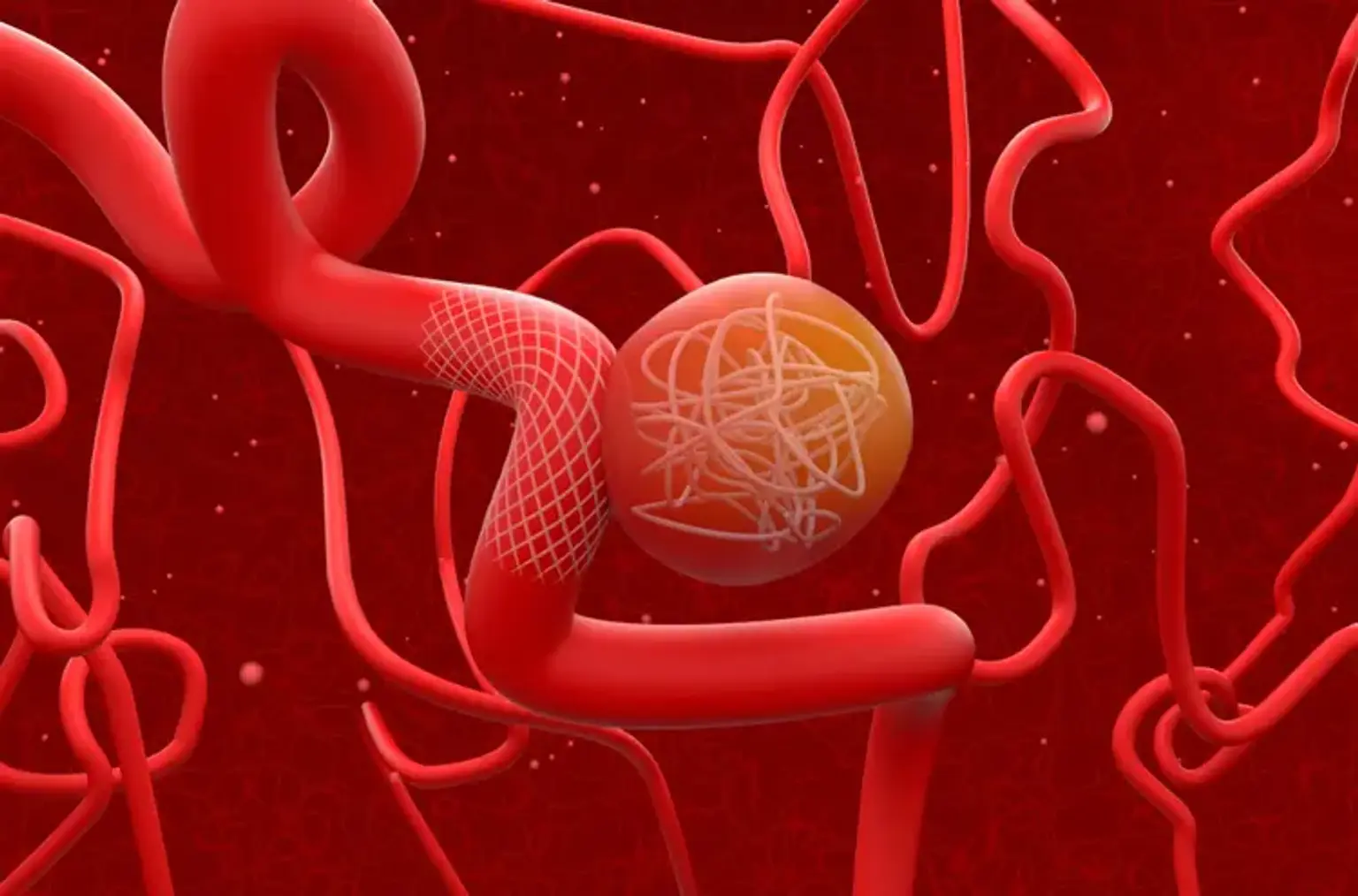
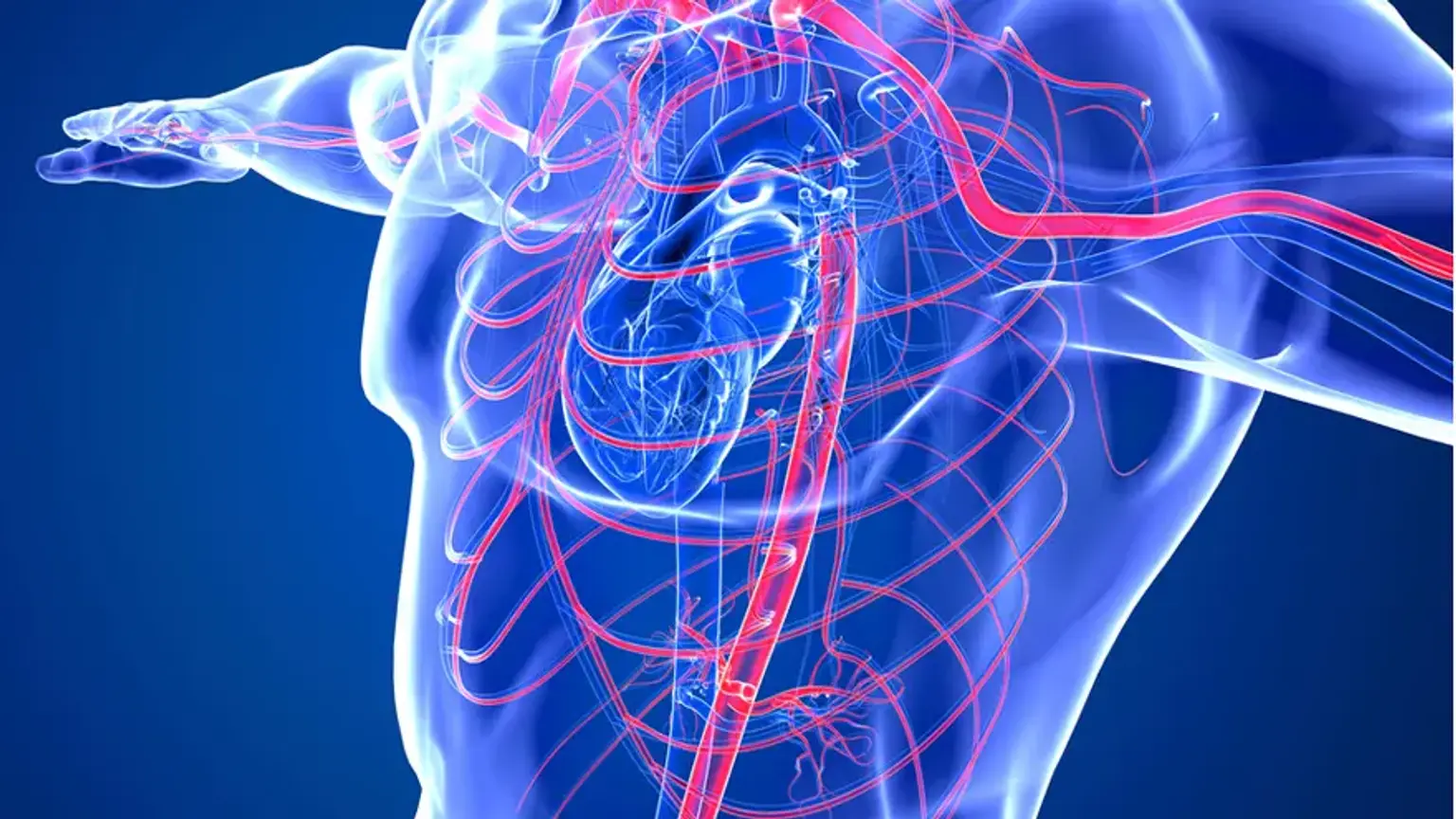
what-is-an-aneurysmAn aneurysm is a localized, abnormal, and weak spot on a blood vessel wall that causes an outward bulge, dilatation, or ballooning. Arteries are responsible for carrying oxygen-rich blood from the heart to the rest of the body, and their walls are typically strong and elastic to handle the pressure. When a section of this wall weakens, the force of the blood flow can cause it to swell outwards, forming an aneurysm.
The primary danger of an aneurysm is rupture. A ruptured aneurysm allows blood to leak into the surrounding tissues, which can lead to severe internal bleeding, stroke, coma, and can be fatal. The risk of rupture depends on the aneurysm's size, location, and rate of growth.
Key Types of Aneurysms:
Aortic Aneurysm: Occurs in the aorta.
Abdominal Aortic Aneurysm AAA: The most common type, located in the part of the aorta that runs through the abdomen.
Thoracic Aortic Aneurysm TAA: Located in the part of the aorta that passes through the chest.
Cerebral Aneurysm Brain Aneurysm: Occurs in a blood vessel in the brain. A rupture leads to a hemorrhagic stroke.
Peripheral Aneurysm: Occurs in other arteries, such as those in the legs popliteal artery, neck carotid artery, or behind the knee.
What are the Main Causes and Risk Factors for an Aneurysm?
what-are-the-main-causes-and-risk-factors-for-an-aneurysmThe first step in understanding an aneurysm is knowing what causes the arterial wall to weaken. While the exact cause can vary, the process is often linked to factors that damage the blood vessels over time. The primary risk factors include:
Atherosclerosis: Often called hardening of the arteries, this condition involves the buildup of plaque a fatty, waxy substance on the artery walls. This buildup damages and weakens the arterial structure.
High Blood Pressure: Chronic high blood pressure exerts increased force on the artery walls, which can cause them to weaken and bulge over time in susceptible areas.
Smoking: Tobacco use is a major risk factor, particularly for abdominal aortic aneurysms. Chemicals in tobacco smoke can damage the lining of the arteries, contribute to high blood pressure, and accelerate the growth of an aneurysm.
Genetics and Family History: Individuals with a family history of aneurysms are at a higher risk of developing one. Certain genetic conditions that affect connective tissue, such as Marfan syndrome and Ehlers-Danlos syndrome, significantly increase risk.
Age and Gender: The risk of developing an aneurysm increases with age, typically after 65. Men are more likely to develop abdominal aortic aneurysms than women.
Trauma or Injury: A severe injury to a blood vessel, such as from a car accident, can lead to a traumatic aneurysm.
Infection: In rare cases, an infection can damage a section of an artery wall, leading to a mycotic aneurysm.
What are the First Warning Signs of an Aneurysm?
what-are-the-first-warning-signs-of-an-aneurysmMany aneurysms, especially small ones, produce no symptoms and are often discovered incidentally during imaging tests for other conditions. When symptoms do occur, they depend on the aneurysm's location and size.
Symptoms of an Abdominal Aortic Aneurysm (AAA):
A pulsating or throbbing feeling in the abdomen, similar to a heartbeat.
Deep, constant pain in the abdomen or on the side of the abdomen.
Persistent back pain.
Symptoms of a Cerebral Brain Aneurysm:
An unruptured cerebral aneurysm may press on nerves and cause:
Pain above and behind one eye.
A dilated pupil.
A change in vision or double vision.
Numbness on one side of the face.
Symptoms of a Ruptured Aneurysm:
A rupture is a life-threatening event requiring immediate medical attention.
Ruptured AAA: Sudden, intense, and persistent abdominal or back pain; a drop in blood pressure; and signs of shock clammy skin, rapid heart rate, fainting.
Ruptured Cerebral Aneurysm: A sudden, extremely severe headache often described as the worst headache of my life, nausea, vomiting, stiff neck, blurred vision, sensitivity to light, seizure, and loss of consciousness.
How are Different Types of Aneurysms Diagnosed?
how-are-different-types-of-aneurysms-diagnosedDiagnosing an aneurysm before it ruptures is critical. The diagnostic process begins with a physical exam and a review of the patient's medical history and risk factors. A doctor may feel a pulsating mass in the abdomen during a routine checkup, prompting further investigation.
Definitive diagnosis relies on medical imaging tests:
Ultrasound: This is a common, non-invasive screening tool for abdominal aortic aneurysms. It uses sound waves to create images of the aorta and can measure its size accurately.
Computed Tomography (CT) Scan: A CT scan provides detailed, cross-sectional images of the arteries. A CT Angiogram CTA involves injecting a contrast dye to make the blood vessels highly visible, allowing doctors to see the aneurysm's exact size, shape, and location. This is often the gold standard for both aortic and cerebral aneurysms.
Magnetic Resonance Imaging (MRI): An MRI uses magnetic fields and radio waves to create detailed images. A Magnetic Resonance Angiogram MRA is a type of MRI that focuses specifically on blood vessels.
Cerebral Angiogram Catheter Angiography: This is an invasive procedure used for cerebral aneurysms. A catheter is guided through an artery usually in the groin) up to the brain. Contrast dye is injected to provide the clearest and most detailed images of the brain's blood vessels.
What is the Difference Between Endovascular and Open Surgery for an Aneurysm?
what-is-the-difference-between-endovascular-and-open-surgery-for-an-aneurysmTreatment decisions depend on the aneurysm's size, location, growth rate, and the patient's overall health. The goal is to prevent rupture. The two main surgical approaches are open surgical repair and endovascular repair.
1. Open Surgical Repair:
This is the traditional method. A surgeon makes a large incision to directly access the artery with the aneurysm.
Process: The surgeon clamps the artery above and below the aneurysm, opens the weakened section, and sews a synthetic tube graft into place to replace it. Blood flow is then restored through the graft.
Best For: Younger, healthier patients; aneurysms with complex anatomy that are not suitable for endovascular repair.
Pros: Highly durable and proven effective over many decades.
Cons: More invasive, longer recovery time, and higher risk of complications during and immediately after surgery.
2. Endovascular Aneurysm Repair (EVAR/TEVAR):
This is a minimally invasive procedure that has become increasingly common.
Process: Instead of a large incision, the surgeon makes small punctures in the groin. A catheter is used to guide a collapsed stent-graft a fabric tube supported by a metal mesh to the site of the aneurysm. The stent-graft is then expanded, sealing off the aneurysm from blood flow and creating a new path for the blood. The aneurysm eventually shrinks around the graft. For cerebral aneurysms, similar techniques like endovascular coiling or flow diversion are used.
Best For: Older patients or those with medical conditions that make open surgery too risky.
Pros: Less pain, shorter hospital stay, and faster recovery.
Cons: Requires lifelong surveillance imaging to ensure the graft has not shifted or developed a leak. Not all aneurysms are anatomically suitable for this approach.
"For years, I'd had this strange, pulsing feeling in my stomach, but I brushed it off. During a check-up for something else, my doctor felt it and sent me for an ultrasound. Finding out I had a large abdominal aortic aneurysm was terrifying. The thought that it could have ruptured at any moment is something I still think about. Having the repair surgery gave me back my peace of mind." – Anonymous patient, South Korea.
Can an Aneurysm Be Cured or Managed Without Surgery?
can-an-aneurysm-be-cured-or-managed-without-surgeryNot all aneurysms require immediate surgery. The decision to treat is a careful balance between the risk of surgery and the risk of rupture.
Watchful Waiting: For small, asymptomatic aneurysms, the recommended approach is often watchful waiting. This involves regular imaging tests to monitor the aneurysm's size and growth rate. If it grows to a certain size or begins to cause symptoms, surgery is then recommended.
Medical Management: This is a crucial part of managing any aneurysm, whether surgery is performed or not. It focuses on controlling risk factors to slow the aneurysm's growth and reduce the risk of rupture.
Blood Pressure Control: Medications like beta-blockers and ACE inhibitors are used to keep blood pressure low.
Smoking Cessation: Quitting smoking is the single most important lifestyle change a person with an aneurysm can make.
Cholesterol Management: Statins may be prescribed to manage atherosclerosis.
Recommended Clinics with Vascular Surgery Expertise in South Korea
recommended-clinics-with-vascular-surgery-expertise-in-south-koreaSouth Korea is home to world-class medical centers with advanced vascular surgery departments capable of performing both complex open and minimally invasive aneurysm repairs.
Website | Clinic Name | Best Known For | Address | Contact |
|---|---|---|---|---|
Charm Vascular Clinic | Specialized Vascular Surgery | Gwanak-gu, Seoul, South Korea | ||
Happy Varicose Vein Clinic | Specializing in varicose vein and related vascular treatments. | Gangnam-gu, Seoul, South Korea | ||
Seoul Miz Hospital | Comprehensive care, including vascular & general surgery. | Gangdong-gu, Seoul, South Korea | ||
Kangdong Sacred Heart Hospital | University hospital with a specialized Cardiovascular Center. | Gangdong-gu, Seoul, South Korea | ||
Ewha Womans University Medical Center | Leading university hospital with expertise in complex vascular diseases. | Gangseo-gu, Seoul, South Korea | ||
Asan Medical Center | World-class center for complex surgeries, including cardiothoracic and vascular procedures. | Songpa-gu, Seoul, South Korea | ||
Kyung Hee University Hospital At Gangdong | University hospital with integrated Eastern-Western medicine approaches. | Gangdong-gu, Seoul, South Korea | ||
MizMedi Hospital Seoul | Specialized hospital focusing on women's health and general surgery. | Gangseo-gu, Seoul, South Korea |
Related Vascular Procedures & Average Costs in South Korea
related-vascular-procedures-and-average-costs-in-south-koreaWhile specific aneurysm repair costs vary greatly depending on the complexity, the following table provides cost estimates for other common vascular procedures offered in South Korea to give a general sense of pricing.
Treatment/Procedure Name | Treatment Duration | Hospitalization? | Avg Cost Range (USD) in S. Korea | Contact |
|---|---|---|---|---|
AngioJet Thrombectomy | 1-3 hours | Needed (1-2 days) | $8,000 - $15,000 | |
Arteriovenous Graft (AVG) Placement | 1-2 hours | Not Needed | $4,000 - $7,000 | |
Arteriovenous Fistula (AVF) Creation | 1-2 hours | Not Needed | $3,000 - $6,000 | |
VenaSeal Varicose Vein Treatment | 30-45 mins | Not Needed | $2,500 - $4,500 | |
Laser Varicose Vein Surgery | 45-60 mins | Not Needed | $2,000 - $4,000 | |
Vein Stripping & Phlebectomy | 1-2 hours | Not Needed | $1,500 - $3,500 | |
Varicose Vein Removal | 30 mins - 2 hours | Not Needed | $1,000 - $4,000 | |
Sclerotherapy | 15-30 mins | Not Needed | $300 - $700 |
Common Questions About Aneurysms
common-questions-about-aneurysmsThis section addresses frequently asked practical questions from patients.
1. Is an aneurysm hereditary?
1.-is-an-aneurysm-hereditaryA direct hereditary link is uncommon for most aneurysms, but a familial predisposition exists. If a first-degree relative parent, sibling, child has had an aneurysm, your risk is higher. Specific genetic disorders like Marfan syndrome, which affect connective tissue, carry a very strong hereditary risk. It is vital to inform your doctor about any family history of aneurysms.
2. What does recovery from aneurysm repair surgery involve?
2.-what-does-recovery-from-aneurysm-repair-surgery-involveRecovery varies significantly between open and endovascular surgery.
Open Surgery Recovery: Involves a hospital stay of 5-10 days, often including time in an ICU. Full recovery can take 2-3 months. Lifting heavy objects is restricted for at least 6 weeks.
Endovascular Surgery Recovery: Involves a much shorter hospital stay, typically 1-3 days. Patients can often return to most normal activities within 1-2 weeks.
3. Can diet and exercise prevent or help an aneurysm?
3.-can-diet-and-exercise-prevent-or-help-an-aneurysmWhile diet and exercise cannot cure an existing aneurysm, they are crucial for managing the risk factors that cause them to grow. A heart-healthy diet low in saturated fats and sodium can help control blood pressure and atherosclerosis. Regular, moderate exercise as approved by your doctor also helps manage blood pressure and overall cardiovascular health. High-intensity exercise or heavy weightlifting may be discouraged for individuals with a known large aneurysm.
4. What is the screening recommendation for aneurysms?
4.-what-is-the-screening-recommendation-for-aneurysmsScreening is most strongly recommended for abdominal aortic aneurysms AAA. The U.S. Preventive Services Task Force recommends a one-time screening ultrasound for men aged 65 to 75 who have ever smoked. Screening may also be considered for men in that age group who have never smoked but have other risk factors, or for women with a strong family history or history of smoking. There is no routine screening for cerebral aneurysms unless a person has a very strong family history or a related genetic condition.
5. Can an aneurysm go away on its own?
5.-can-an-aneurysm-go-away-on-its-ownNo, an aneurysm will not heal or go away on its own. The weakened arterial wall cannot repair itself. The condition can either remain stable for a long time especially if small or grow larger over time. This is why active surveillance and risk factor management are critical.
Secure Your Health: Take the First Step Towards Aneurysm Care Now!
secure-your-health:-take-the-first-step-towards-aneurysm-careAn aneurysm diagnosis requires expert care and a clear plan. Taking proactive steps is the most powerful thing you can do for your long-term health and peace of mind. The world-class vascular specialists in South Korea are equipped with the latest technology to provide precise diagnosis and effective treatment. We are here to facilitate that journey. By inquiring through us, you gain access to a seamless, transparent process and a dedicated Care Manager who will provide end-to-end support, from your initial questions to post-recovery care. And Start Your Confidential Inquiry through CloudHospital to receive a personalized assessment from top vascular surgeons.