

The clinical information regarding Menopause: Essential Facts Every Woman Should Know in this article has been rigorously verified against the latest guidelines from The North American Menopause Society NAMS and primary research from databases like PubMed. This piece was reviewed for accuracy and patient centric clarity and was last updated in July 2022.
Introduction
introductionMenopause is a natural and inevitable biological process in a woman's life. By 2025, over one billion women worldwide will be experiencing menopause. This transition, while universal, is a deeply individual experience marked by significant hormonal, physical, and emotional changes. This document provides a clinical explanation of the stages of menopause, its effects on the body, the primary symptoms to recognize, and the modern treatment options available to manage this significant life stage.
What Are the Main Stages of Menopause?
what-are-the-main-stages-of-menopause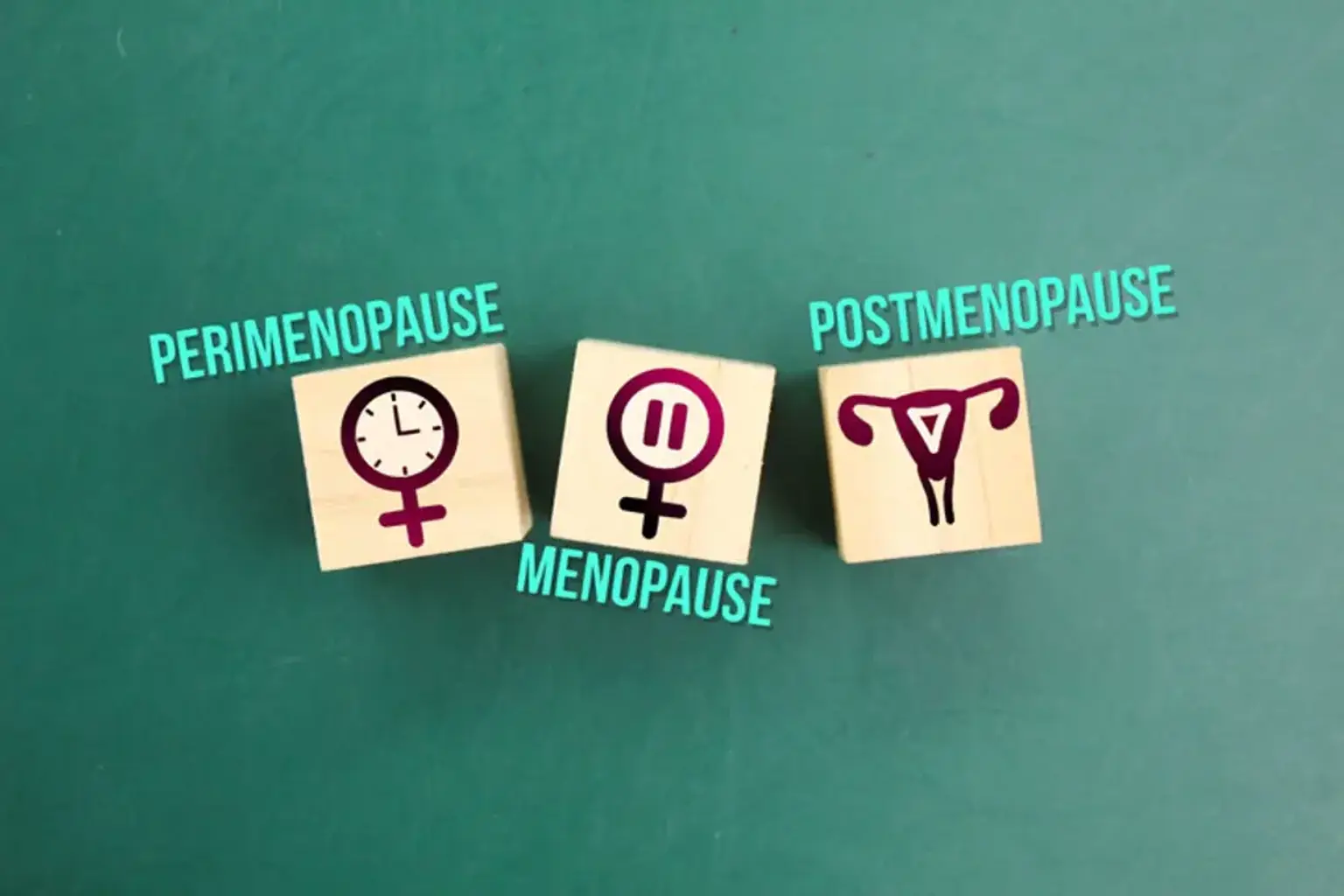
Menopause is not a single event but a gradual transition that occurs in three distinct stages. Understanding these phases helps contextualize the symptoms and changes a woman experiences.
Perimenopause: This is the transitional period before menopause, which can begin in a woman's 40s, or even earlier for some. During this stage, the ovaries begin to produce less estrogen erratically. It is characterized by the first noticeable symptoms, most commonly irregular menstrual cycles. Perimenopause lasts until the ovaries stop releasing eggs entirely.
Menopause: This stage is clinically defined by one specific point in time: twelve consecutive months without a menstrual period. At this point, the ovaries have stopped releasing eggs and produce very little estrogen. The average age for menopause is 51 in developed countries, but it can occur naturally anytime from the 40s to the late 50s.
Postmenopause: This refers to the years following the menopause event. During this stage, menopausal symptoms like hot flashes may ease for many women. However, due to low estrogen levels, postmenopausal women have an increased risk for certain health conditions, such as osteoporosis and heart disease, making ongoing health management crucial.
How Does Menopause Affect a Woman's Body?
how-does-menopause-affect-a-woman's-bodyThe decline in estrogen production during menopause triggers a wide array of physiological changes throughout the body. Estrogen is a powerful hormone that affects more than just the reproductive system; it plays a role in brain function, bone density, cardiovascular health, and skin elasticity.
The primary long term health considerations linked to the loss of estrogen include:
Bone Density: Estrogen helps maintain strong bones. Its decline accelerates bone loss, significantly increasing the risk of osteoporosis, a condition where bones become weak and brittle.
Cardiovascular Health: Estrogen has a protective effect on the heart and blood vessels. Lower levels can lead to an increase in harmful LDL cholesterol and a decrease in beneficial HDL cholesterol, raising the risk for cardiovascular events.
Genitourinary Health: The tissues of the vagina and urethra are rich in estrogen receptors. Without sufficient estrogen, these tissues can become thinner, drier, and less elastic. This condition, known as genitourinary syndrome of menopause GSM, can lead to vaginal dryness, discomfort during intercourse, and increased urinary tract infections.
What Are the First Signs of Perimenopause?
what-are-the-first-signs-of-perimenopauseThe earliest indications of the menopausal transition are often subtle and can be mistaken for other conditions. Recognizing these signs is the first step toward seeking appropriate care and management.
Irregular Periods: This is the hallmark sign of perimenopause. Menstrual cycles may become longer, shorter, heavier, or lighter.
Vasomotor Symptoms VMS: These are commonly known as hot flashes and night sweats. A hot flash is a sudden feeling of intense heat, often accompanied by a flushed face and sweating.
Sleep Disturbances: Night sweats can disrupt sleep, but insomnia can also occur independently due to hormonal shifts affecting the brain's sleep centers.
Mood Changes: Increased irritability, anxiety, or feelings of sadness are common as fluctuating hormones impact neurotransmitters in the brain.
Vaginal and Bladder Issues: Initial signs may include mild vaginal dryness or an increased urgency to urinate.
"I remember the first hot flash vividly, a sudden wave of heat that felt like it was radiating from my bones. It was confusing and a little scary." – an anonymous patient, United States.
When Should I See a Doctor for Menopause Symptoms?
when-should-i-see-a-doctor-for-menopause-symptomsYou should consult a healthcare provider, specifically a gynecologist, when perimenopausal or menopausal symptoms begin to interfere with your quality of life. There is no need to wait until symptoms become severe. A proactive consultation can help you understand your individual health profile, confirm that your symptoms are related to menopause, and explore management strategies before they significantly impact your daily activities, work, or relationships. A doctor can also rule out other medical conditions and discuss the long term health risks associated with postmenopause.
Recommended Clinics with Relevant Expertise in South Korea
recommended-clinics-with-relevant-expertise-in-south-koreaSouth Korea is recognized for its advanced medical infrastructure and specialized women's health centers. The following clinics are noted for their expertise in gynecology and menopause management.
Website | Clinic Name | Best Known For | Address | Contact |
|---|---|---|---|---|
Second Spring Women's Clinic | Vaginal aesthetic treatments and menopause care | Gangnam-gu, Seoul, South Korea | ||
Seoul Miz Hospital | Comprehensive women's health and gynecological surgery | Gangdong-gu, Seoul, South Korea | ||
MariaPlus Fertility Hospital | Fertility treatments and hormonal disorders | Songpa-gu, Seoul, South Korea | ||
Asan Medical Center | Major multidisciplinary hospital with a leading OBGYN department | Songpa-gu, Seoul, South Korea | ||
Goeunbit Women’s Clinic | Specialized women's disease and menstrual disorders | Songpa-gu, Seoul, South Korea | ||
MizMedi Hospital | Specialized hospital for women's health and infertility | Gangseo-gu, Seoul, South Korea | ||
HI Fertility Clinic | Advanced fertility and hormonal care | Gangseo-gu, Seoul, South Korea | ||
Helen Women’s Obstetrics & Gynecology Clinic | Full service obstetrics and gynecology | Songpa-gu, Seoul, South Korea |
Recommended Treatment/Procedure Names with Average Costs in South Korea
recommended-treatmentprocedure-names-with-average-costs-in-south-koreaA range of treatments is available to manage menopause symptoms and related conditions. The appropriate choice depends on a woman's individual symptoms, medical history, and personal preferences.
Treatment/Procedure Name | Duration | Hospitalization? | Avg. Cost (USD) in S. Korea | Contact |
|---|---|---|---|---|
Hormone Replacement Therapy HRT | 15–30 mins | Not Needed | $200 - $500 | |
Endometriosis Management | 2 - 4 hours | Not Needed | $300 - $800 | |
Non Invasive Vaginal Aesthetic Procedures | 30-60 mins | Not Needed | $800 - $2,000 | |
Labiaplasty | 1-2 hours | Not Needed | $2,500 - $4,500 | |
Vaginal Tightening Surgery | 1-2 hours | Not Needed | $3,000 - $5,500 | |
Vaginal Mucosa Correction Injections | 30 mins | Not Needed | $1,000 - $2,500 | |
Vulvar Whitening | 30-45 mins | Not Needed | $400 - $1,200 | |
General Gynecological Surgery | 1 - 5 hours | Not Needed | $1,500 - $10,000 |
Your Key Questions About Menopause Answered
your-key-questions-about-menopause-answeredThis section addresses common and practical questions about navigating the menopausal transition.
1. Is hormone replacement therapy safe for menopause?
1.-is-hormone-replacement-therapy-safe-for-menopauseYes, for many women, hormone replacement therapy is a safe and effective treatment when started before age 60 or within 10 years of the final menstrual period. It is considered the most effective treatment for managing moderate to severe vasomotor symptoms like hot flashes and preventing bone loss. A thorough evaluation with a doctor is necessary to weigh the individual benefits against potential risks, such as blood clots or certain cancers.
2. How long do menopause symptoms last?
2.-how-long-do-menopause-symptoms-lastThe duration of menopause symptoms varies widely, but vasomotor symptoms like hot flashes last for an average of 7.4 years and may continue for more than a decade in some women. The severity and length of symptoms depend on various factors including genetics, lifestyle, and ethnicity. Symptoms typically decrease in intensity during the postmenopausal years.
3. What non hormonal treatments exist for menopause?
3.-what-non-hormonal-treatments-exist-for-menopauseSeveral non hormonal treatments are effective for managing menopause symptoms, particularly for women who cannot or choose not to take hormones. These include low dose selective serotonin reuptake inhibitors SSRIs like paroxetine for hot flashes, lifestyle changes such as regular exercise and a balanced diet, and specific non hormonal prescription medications to prevent osteoporosis. Vaginal moisturizers and lubricants are effective for managing vaginal dryness.
4. Can I get pregnant during perimenopause?
4.-can-i-get-pregnant-during-perimenopauseYes, pregnancy is still possible during perimenopause because ovulation continues, although it may be irregular and less frequent. Women are advised to continue using contraception until they have gone a full 12 months without a period if they wish to avoid pregnancy. A healthcare provider can offer guidance on when it is safe to stop contraception.
5. Does menopause cause weight gain?
5.-does-menopause-cause-weight-gainMenopause itself does not directly cause weight gain, but the associated hormonal changes can lead to a shift in body composition and make weight gain more likely. The decline in estrogen is linked to a slowing metabolism and a tendency to accumulate fat around the abdomen rather than the hips and thighs. Maintaining a healthy diet and active lifestyle becomes even more critical during this time to manage weight and protect metabolic health.
Begin Your Personalized Menopause Management Plan Now!
begin-your-personalized-menopause-management-planNavigating menopause is a journey that can be greatly improved with expert guidance and a personalized care plan. You do not have to manage complex symptoms or health concerns alone. By taking the proactive step to seek a consultation, you can gain clarity, relief, and a strategy for long term wellness. We encourage you to inquire about menopause management at the recommended clinics or directly through CloudHospital for customized assistance. Our dedicated Care Managers ensure a seamless and transparent process, providing end to end support from your initial questions to post treatment care. Start Your Confidential Inquiry and receive a personalized plan tailored to your health needs.