
The clinical information regarding Artificial Knee and Hip Joint Replacement in Korea presented in this article has been rigorously verified against the latest guidelines from the American Academy of Orthopaedic Surgeons (AAOS) and primary research from databases such as PubMed. This piece was reviewed for accuracy and patient-centric clarity and was last updated in June 2024.
Introduction
introductionFor many grappling with chronic joint pain, the idea of a life free from discomfort can seem distant. Yet, for countless individuals, artificial knee and hip joint replacement offers a profound restoration of mobility and quality of life. In the realm of advanced orthopaedic care, South Korea has emerged as a global leader, attracting patients worldwide with its cutting-edge technology, highly skilled surgeons, and compassionate medical care. These five inspiring patient journeys highlight not just the success of these procedures but also the transformative power of choosing specialized treatment in Korea. From regaining the ability to walk without pain to returning to beloved hobbies, their stories underscore the efficacy and profound impact of artificial joint replacement.
How much does an artificial knee replacement cost in Korea?
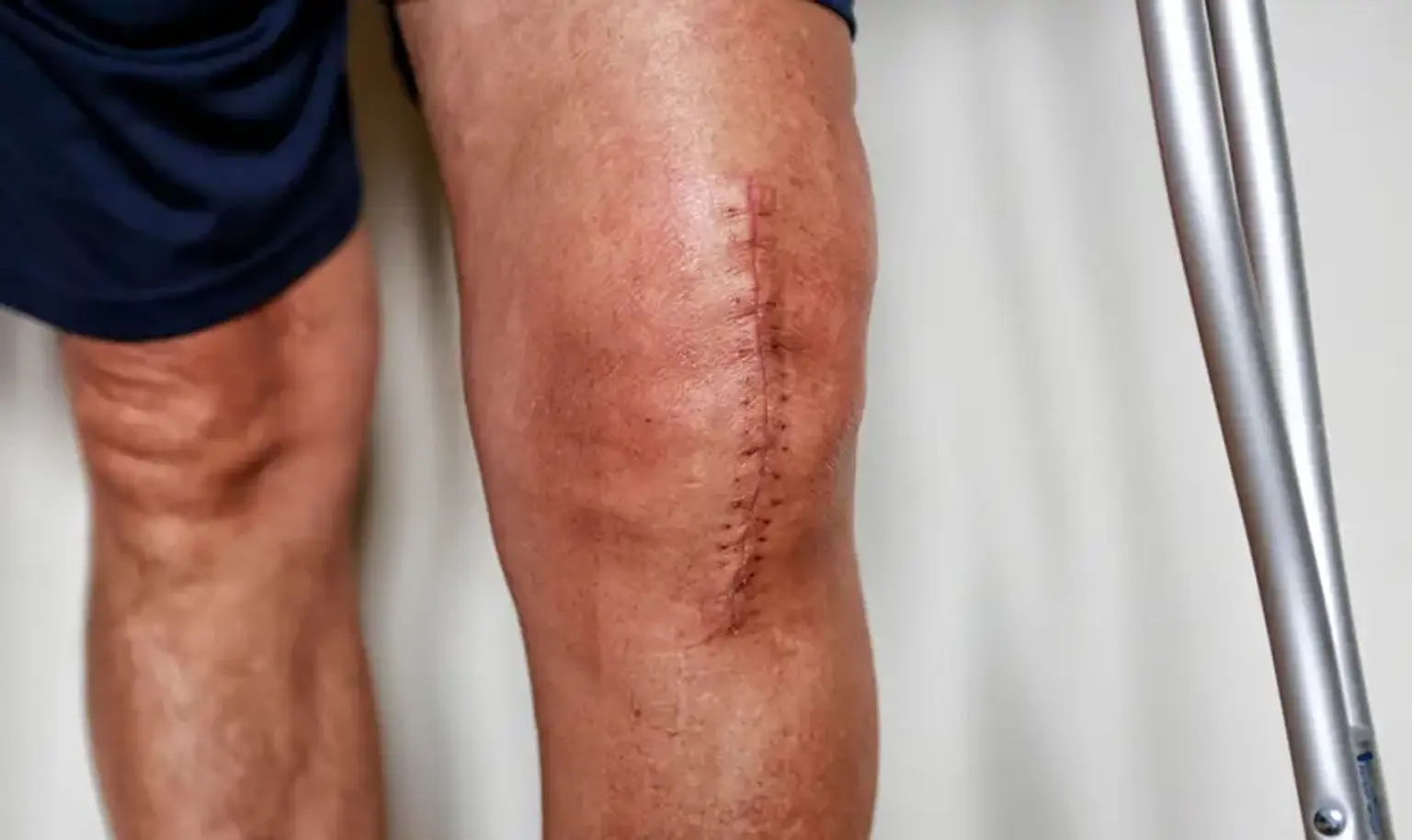
how-much-does-artificial-knee-replacement-cost-in-koreaThe cost of artificial knee replacement in Korea can vary significantly based on the hospital, the type of implant used, the specific surgical technique, and the length of hospital stay. On average, patients can expect to pay between $10,000 and $18,000 USD for a total knee replacement, including hospital fees, surgeon fees, and anesthesia, which often represents a significant saving compared to Western countries while maintaining world-class standards. This transparent pricing structure and the high quality of care make Korea an attractive destination for medical tourists. Additional costs may include pre-operative diagnostics, post-operative rehabilitation, and accommodation, though many clinics offer comprehensive packages that bundle these services.
What is the recovery time for hip replacement surgery in Korea?
what-is-the-recovery-time-for-hip-replacement-surgery-in-koreaRecovery time for hip replacement surgery in Korea typically involves several stages, with initial recovery lasting a few weeks and full recovery extending up to six months or even a year. Immediately after surgery, patients usually spend 2-4 days in the hospital, engaging in early mobilization guided by physical therapists. Within 6-8 weeks, most patients can walk without assistive devices, though some may require a cane for longer. Intensive physiotherapy is crucial during this period to restore strength, flexibility, and range of motion. Full integration back into strenuous activities like sports may take 6-12 months, depending on individual factors like age, overall health, and adherence to rehabilitation protocols. Korean hospitals are renowned for their structured rehabilitation programs, which significantly contribute to optimal patient outcomes.
What are the benefits of artificial joint surgery in Korea?
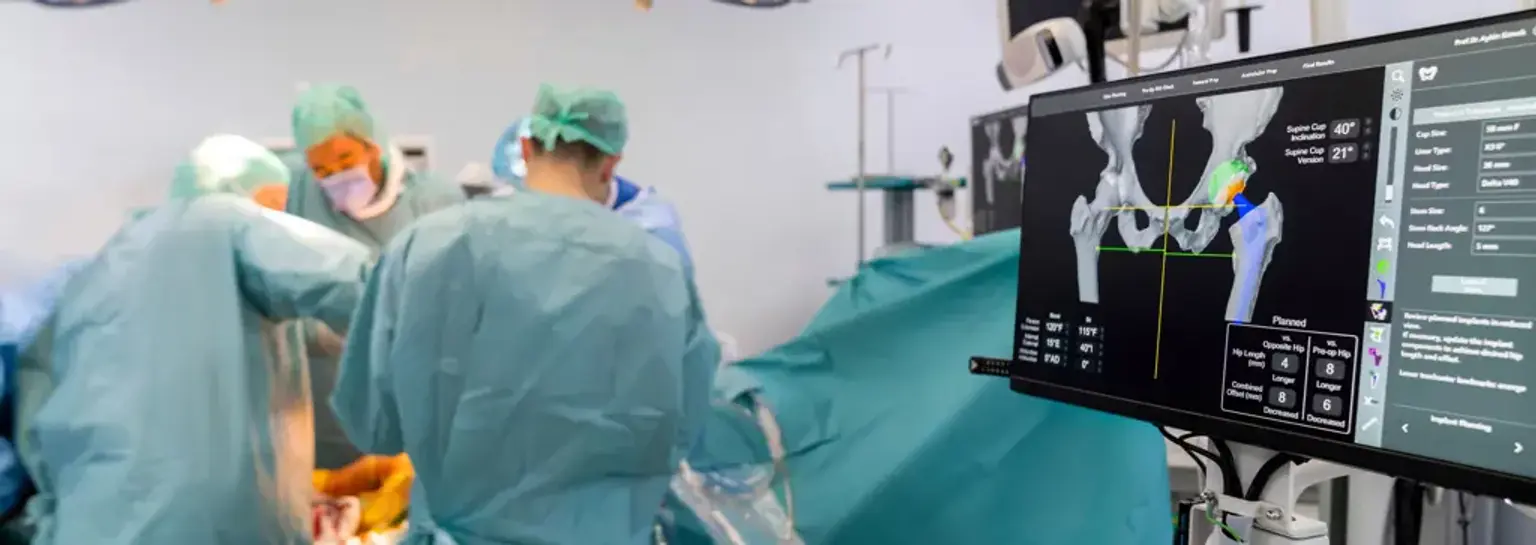
what-are-the-benefits-of-artificial-joint-surgery-in-koreaThe benefits of undergoing artificial joint surgery in Korea are multifaceted, drawing patients globally seeking superior medical outcomes and a holistic care experience. Firstly, Korean hospitals are at the forefront of medical technology, utilizing advanced imaging, robotic-assisted surgery, and minimally invasive techniques that lead to smaller incisions, reduced pain, and faster recovery times. Secondly, the surgical expertise is globally recognized, with many orthopaedic surgeons having extensive training and experience in complex joint replacement procedures. Thirdly, the comprehensive rehabilitation programs are meticulously designed to optimize patient recovery and long-term joint function. Finally, the overall patient experience is enhanced by a strong emphasis on hospitality, clear communication through dedicated international patient services, and often, more affordable pricing compared to Western counterparts without compromising quality.
How to prepare for artificial joint replacement surgery?
how-to-prepare-for-artificial-joint-replacement-surgeryPreparing for artificial joint replacement surgery involves several key steps to ensure the best possible outcome and a smooth recovery. Patients are typically advised to undergo a thorough pre-operative medical evaluation, including blood tests, imaging studies, and a cardiac assessment, to identify any underlying health issues. It is crucial to inform the surgical team about all medications, supplements, and allergies. Patients are often encouraged to optimize their physical health before surgery, which may include weight management, strengthening exercises for surrounding muscles (prehabilitation), and quitting smoking. Planning for post-operative care, such as arranging for home support or understanding rehabilitation schedules, is also vital. The medical teams in Korea provide detailed pre-operative instructions, often including nutritional advice and exercises, to mentally and physically prepare patients for the procedure and recovery.
Are artificial joints safe and long-lasting?
are-artificial-joints-safe-and-long-lastingModern artificial joints are remarkably safe and designed for long-term durability, with many lasting 15 to 20 years or even longer, depending on factors such as the patient's activity level, weight, and the type of implant. Advances in biomaterials, such as highly cross-linked polyethylene and ceramic-on-ceramic bearings, have significantly improved implant longevity and reduced wear rates. While no surgical procedure is without risks, complications from joint replacement, such as infection or dislocation, are relatively low. Regular follow-up appointments with the orthopaedic surgeon are crucial to monitor the joint's condition and address any potential issues early. Ongoing research continues to enhance implant design and surgical techniques, further improving the safety profile and extending the lifespan of artificial joints.
What support is available for international patients in Korea?
what-support-is-available-for-international-patients-in-koreaInternational patients in Korea benefit from a robust support system designed to make their medical journey seamless and stress-free. This often includes dedicated international patient coordination services offered by hospitals and medical tourism facilitators like CloudHospital. These services typically encompass multilingual staff to assist with communication, appointment scheduling, visa assistance, accommodation arrangements, and transportation. Many hospitals also provide translation services during consultations and throughout the patient's stay. Furthermore, care managers often offer personalized guidance, addressing concerns from pre-arrival planning to post-discharge follow-up. This comprehensive support ensures that patients can focus solely on their treatment and recovery, navigating the complexities of international travel and medical care with ease.
Recommended Clinics with Relevant Expertise in South Korea
recommended-clinics-with-relevant-expertise-in-south-koreaWebsite | Clinic Name | Best Known For | Address | Contact |
|---|---|---|---|---|
Seoul Yes Hospital | Joint and Spine Disorders | Yongin-si, Gyeonggi-do, South Korea | ||
Bumin Hospital Group | Joint & Spine Specialization, Rehabilitation | Haeundae, Busan, South Korea | ||
Nanoori Hospital, Gangnam | Spine & Joint Specialization, Minimally Invasive Procedures | Gangnam, Seoul, South Korea | ||
Nasaret International Hospital | International Medical Care, Comprehensive Diagnostics | Yeonsu-gu, Incheon, South Korea | ||
Gachon University Gil Medical Center | Cancer Treatment, Cardiovascular Diseases, Emergency Care | Namdong-gu, Incheon, South Korea | ||
Bundang Seoul National University Hospital | Organ Transplantation, Robotic Surgery, Clinical Research | Bundang-gu, Gyeonggi-do, South Korea | ||
Kyung Hee University Hospital At Gangdong | Traditional Korean Medicine Integration, Complex Disease Treatment | Gangdong-gu ,Seoul, South Korea | ||
Gangnam Severance Hospital | Advanced Cancer Treatment, Robotic Surgery, International Healthcare | Gangnam, Seoul, South Korea |
Recommended Treatment/Procedure Names with Average Costs in South Korea
recommended-treatmentprocedure-names-with-average-costs-in-south-koreaTreatment/Procedure Name | Duration | Hospitalization? | Avg Cost Range (USD) in S. Korea | Contact |
|---|---|---|---|---|
Total knee replacement | 2-3 hours | Needed (3-5 days) | $10,000 - $18,000 | |
Artificial disc replacement | 2-4 hours | Needed (2-4 days) | $15,000 - $25,000 | |
Artificial joint replacement | 2-3 hours | Needed (3-5 days) | $12,000 - $20,000 | |
Minimally invasive spinal fusion surgery | 3-5 hours | Needed (3-7 days) | $18,000 - $35,000 | |
Stem cell-based cartilage regeneration | 1-2 hours | Not Needed | $5,000 - $15,000 | |
Orthopedic Stem Cell Therapy | 30 mins | Not Needed | $4,000 - $12,000 | |
Complex neuromuscular treatment | 1-2 hours | Not Needed | $200 - $800 per session | |
Spinal endoscopic treatment | 1-2 hours | Needed (1-2 days) | $8,000 - $15,000 | |
High tibial osteotomy | 2-3 hours | Needed (3-5 days) | $9,000 - $16,000 | |
ACL reconstruction | 1-2 hours | Needed (1-3 days) | $7,000 - $14,000 | |
Ankle ligament reconstruction | 1-2 hours | Needed (1-2 days) | $6,000 - $11,000 | |
Arthroscopic surgery | 30-90 mins | Not Needed | $3,000 - $8,000 | |
Microscopic decompression surgery | 1-2 hours | Needed (1-3 days) | $7,000 - $13,000 | |
Spinal Disorder Treatment | 30–90 min | Needed (1-2 days) | $5,000 - $30,000+ | |
Joint Disorder Treatment | 30-60 mins | Not Needed | $3,000 - $20,000+ | |
Percutaneous vertebroplasty | 30-60 mins | Not Needed | $4,000 - $9,000 | |
Hallux valgus correction | 1-2 hours | Not Needed | $3,000 - $7,000 | |
Epidural neuroplasty | 30-60 mins | Not Needed | $2,000 - $5,000 | |
Zero-gravity spinal decompression | 30-45 mins | Not Needed | $100 - $300 per session | |
Extracorporeal shock wave therapy | 15-30 mins | Not Needed | $50 - $200 per session |
How Can I Start My Own Patient Journey?
how-can-i-start-my-own-patient-journeyFor those inspired by these stories and considering artificial joint replacement, the path forward is clear. Taking the first step towards a pain-free life often begins with gathering comprehensive information and understanding your options. CloudHospital is dedicated to making this process as transparent and supportive as possible, connecting you with top-tier orthopaedic care in South Korea.
1. Are results like this typical for every patient?
1.-are-results-like-this-typical-for-every-patientWhile the inspiring outcomes shared are common, individual results for artificial joint replacement can vary based on factors such as age, overall health, adherence to rehabilitation, and the specific type of joint and implant used. While most patients experience significant pain relief and improved mobility, it's essential to have realistic expectations and discuss potential outcomes with your surgeon. Success rates for artificial knee and hip replacements are very high, often exceeding 90-95% for pain reduction and functional improvement.
2. How was the language barrier managed in Korea?
2.-how-was-the-language-barrier-managed-in-koreaManaging the language barrier is a critical concern for international patients, and Korean hospitals, especially those catering to medical tourism, have robust systems in place. This includes dedicated international patient centers with multilingual staff fluent in English, Chinese, Russian, Arabic, and other languages. Professional medical interpreters are often provided during consultations, examinations, and throughout the hospital stay to ensure clear communication between patients and their medical team. CloudHospital also provides dedicated care managers who facilitate communication and manage logistics, ensuring a smooth experience.
3. What support did CloudHospital provide besides booking the clinic?
3.-what-support-did-cloudhospital-provide-besides-booking-the-clinicCloudHospital offers comprehensive, end-to-end support that extends far beyond just booking a clinic. This includes assisting with visa applications and travel arrangements, providing personalized treatment plans and cost estimates, facilitating communication with medical specialists, and arranging accommodation. During your stay, a dedicated Care Manager offers continuous support, coordinating appointments, ensuring access to interpreters, and addressing any logistical or personal needs. Post-treatment, CloudHospital also assists with follow-up care and rehabilitation planning, ensuring a seamless journey from inquiry to full recovery.
4. What are the latest advancements in artificial joint replacement?
4.-what-are-the-latest-advancements-in-artificial-joint-replacementThe field of artificial joint replacement is continually evolving, with significant advancements enhancing outcomes and patient experience. Latest developments include robotic-assisted surgery, such as MAKOplasty and ROSA Knee System, which offer unparalleled precision in implant placement, leading to better alignment and potentially longer implant lifespan. Personalized implants, tailored to the patient's unique anatomy, are also becoming more prevalent. Furthermore, enhanced recovery after surgery (ERAS) protocols, focusing on pre-operative education, optimized pain management, and early mobilization, are standard practice, significantly reducing hospital stays and accelerating rehabilitation.
5. What is the lifespan of modern artificial joints?
5.-what-is-the-lifespan-of-modern-artificial-jointsThe lifespan of modern artificial joints has significantly improved due to advancements in biomaterials and surgical techniques. For total knee and hip replacements, implants are generally expected to last between 15 to 20 years, with many lasting even longer. Factors influencing longevity include the patient's age, activity level, weight, and the presence of underlying conditions. While revisions may eventually be necessary, ongoing research and material innovations continue to push the boundaries of implant durability, offering patients a lasting solution to joint pain and immobility. Regular follow-up with your orthopaedic surgeon is crucial to monitor the implant's performance.
6. Are there non-surgical alternatives to joint replacement in Korea?
6.-are-there-non-surgical-alternatives-to-joint-replacement-in-koreaYes, South Korea's advanced medical landscape offers a range of non-surgical alternatives for joint pain, particularly for early-stage arthritis or for patients who are not candidates for surgery. These include Orthopedic Stem Cell Therapy for cartilage regeneration, Extracorporeal Shock Wave Therapy (ESWT) for pain relief and tissue healing, and high tibial osteotomy for knee joint realignment. Prolotherapy and platelet-rich plasma (PRP) injections are also frequently used to stimulate natural healing processes. These treatments are often combined with targeted physiotherapy and lifestyle modifications to manage symptoms and delay or potentially avoid the need for surgical intervention. A thorough consultation with an orthopaedic specialist can determine the most appropriate course of action for each case.
7. How do Korean rehabilitation programs support recovery?
7.-how-do-korean-rehabilitation-programs-support-recoveryKorean rehabilitation programs for artificial joint replacement are renowned for their comprehensive, structured, and intensive approach, playing a vital role in optimizing patient recovery. These programs typically begin immediately after surgery, focusing on early mobilization and pain management. Patients work with experienced physical therapists who guide them through a tailored regimen of exercises designed to restore range of motion, strengthen surrounding muscles, and improve balance and gait. Many hospitals utilize advanced rehabilitation equipment and hydrotherapy. The emphasis is on continuous progress, patient education, and a multidisciplinary team approach to ensure patients regain maximum functional independence and a return to their desired activities.
Achieve Lasting Mobility: Start Your Joint Replacement Journey Today!
achieve-lasting-mobility:-start-your-joint-replacement-journey-todayInspired by the success stories of those who found renewed life through artificial joint replacement in Korea? Don't let joint pain dictate your life any longer. Take the proactive step towards a future of restored mobility and freedom. Inquire about artificial knee and hip joint replacement today and connect with world-class orthopaedic specialists. CloudHospital offers a seamless, transparent process with a dedicated Care Manager providing end-to-end support from your initial inquiry to post-recovery care. Get a Free Personalized Treatment Plan and embark on your own transformative journey.