

The clinical information regarding fever in this article has been rigorously verified against the latest guidelines from the Centers for Disease Control and Prevention (CDC) and primary research from databases like PubMed. This piece was reviewed for accuracy and patient-centric clarity and was last updated in October 2023.
Introduction
introductionA fever is one of the most common medical signs experienced by humans, yet it remains widely misunderstood. While often a source of anxiety, a rise in body temperature is not a disease itself but a sophisticated defense mechanism. It is a cardinal sign of your body's immune system actively fighting an underlying issue, most commonly an infection. This document provides a clinical explanation of what a fever is, what it signifies, how to manage it, and when it warrants professional medical attention.
What Exactly Is a Fever?
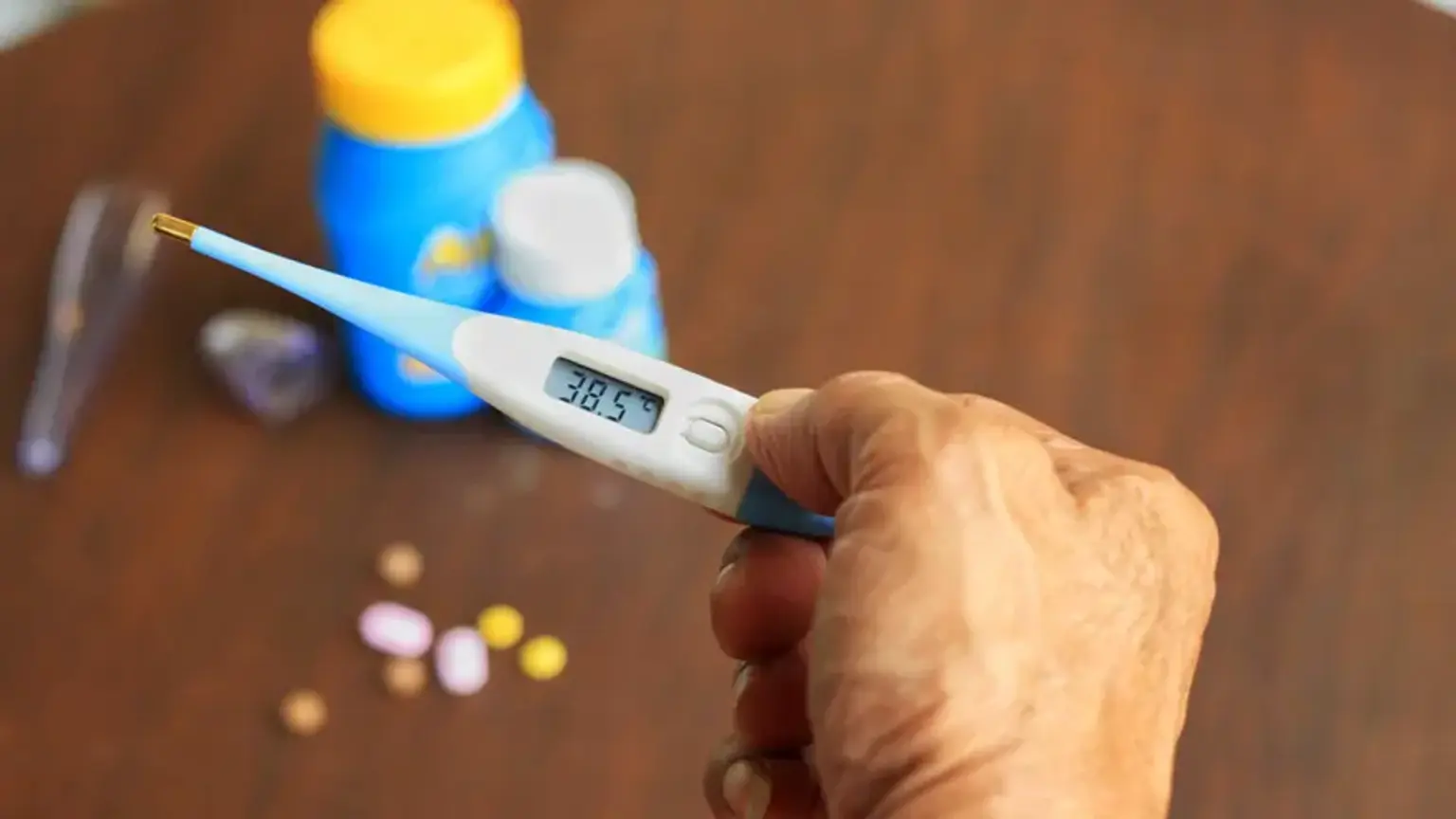
what-exactly-is-a-feverA fever, clinically known as pyrexia, is a temporary increase in your body's core temperature above its normal range. The average normal body temperature is typically cited as 37°C (98.6°F), but this can vary slightly among individuals and throughout the day. A fever occurs when a part of your brain called the hypothalamus, which acts as the body's thermostat, shifts the set point of your normal body temperature upward. Your body then works to raise its temperature to this new set point, which is why you may experience chills or shivering as your muscles contract to generate heat.
Why Is Understanding Fever So Important?
why-is-understanding-fever-so-importantMismanaging a fever can lead to unnecessary anxiety or, conversely, a delay in seeking crucial medical care. Understanding that fever is a symptom, not the illness, is the first step. Its primary purpose is to create a less hospitable environment for pathogens like viruses and bacteria, which are temperature-sensitive. Elevated temperatures can also enhance the function of your immune cells, such as T-cells, making your immune response more effective . However, a very high or persistent fever can be dangerous, potentially leading to complications like dehydration or, in rare cases, febrile seizures in young children. The key is to know when to let a low-grade fever run its course and when to intervene or see a doctor.
How Does the Body Create a Fever? The Mechanism of Pyrexia
how-does-the-body-create-a-fever-the-mechanism-of-pyrexiaThe process of developing a fever is a controlled biological response initiated by substances called pyrogens.
Detection of a Threat: When pathogens like bacteria or viruses enter the body, or when significant inflammation occurs, your immune cells release signaling proteins.
Release of Pyrogens: These immune cells produce endogenous internal pyrogens, primarily inflammatory molecules called cytokines like Interleukin-1 and TNF-alpha. Some pathogens also release exogenous external pyrogens directly.
Action on the Hypothalamus: These pyrogens travel through the bloodstream to the brain's thermostat, the hypothalamus. They trigger the production of prostaglandins, which effectively tell the hypothalamus to raise the body's temperature set-point.
Heat Generation and Conservation: The body responds by generating more heat through muscle contractions shivering and conserving heat by constricting blood vessels in the skin vasoconstriction, which prevents heat loss. This combined effort raises the core body temperature to the new, higher set-point, resulting in a fever.
What Are the Common Signs and Symptoms of a Fever?
what-are-the-common-signs-and-symptoms-of-a-feverWhile the primary sign is an elevated temperature reading on a thermometer, a fever is often accompanied by a cluster of other symptoms as your body fights the underlying cause.
Chills and Shivering: Feeling cold even when your temperature is high.
Sweating: This often occurs as the fever breaks and the body tries to cool down.
Headache and Muscle Aches: Common complaints due to the inflammatory response.
Loss of Appetite: A natural response to redirect energy to the immune system.
Irritability or Lethargy: Especially noticeable in infants and children.
Dehydration: Increased body temperature raises the risk of fluid loss.
"The shivering started first, even under two blankets, and then the heat settled in my bones. I knew it wasn't just a cold when my daughter's thermometer beeped at 39.5°C, and that's when we decided to call the clinic." – An anonymous patient, South Korea.
Who Is at Higher Risk for Fever Complications?
who-is-at-higher-risk-for-fever-complicationsWhile most fevers in healthy adults are self-limiting, certain populations are more vulnerable to complications and require closer monitoring.
Infants and Very Young Children: Their immune systems are still developing, and they are more susceptible to serious bacterial infections like sepsis. A fever in a newborn under 3 months is considered a medical emergency.
The Elderly: Older adults may have a weaker immune response, and a fever could indicate a serious underlying infection. They may also have a lower baseline temperature, so a smaller rise can be significant.
Immunocompromised Individuals: People with conditions like HIV/AIDS, those undergoing chemotherapy, or taking immunosuppressant drugs have a reduced ability to fight infection, making any fever a serious concern.
Individuals with Chronic Illnesses: Patients with serious heart or lung disease may not tolerate the increased metabolic demands caused by a fever.
Recommended Clinics with Relevant Expertise in South Korea
recommended-clinics-with-relevant-expertise-in-south-koreaFor accurate diagnosis of the cause of a fever and appropriate management, consulting with experienced internal medicine or pediatric specialists is crucial. The following top-tier medical centers in South Korea are recognized for their expertise in general and specialized medicine.
Website | Clinic Name | Best Known For | Address | Contact |
|---|---|---|---|---|
Sangdo Woori Internal Medicine | Chronic diseases, Diabetes, Thyroid disorders, General internal medicine | Dongjak-gu, Seoul, South Korea | ||
Asan Medical Center | Comprehensive care, Organ transplantation, Cancer, Cardiology | Songpa-gu, Seoul, South Korea | ||
Samsung Medical Center | Advanced diagnostics, Cancer treatment, Comprehensive health screening | Gangnam-gu, Seoul, South Korea | ||
Gangnam Severance Hospital | Robotic surgery, Spine treatment, Health promotion center | Gangnam-gu, Seoul, South Korea | ||
Seoul St. Mary's Hospital | Hematopoietic stem cell transplantation, Eye and vascular diseases | Seocho-gu, Seoul, South Korea | ||
Kangbuk Samsung Hospital | Health screening, Corporate health, General surgery | Jongno-gu, Seoul, South Korea | ||
Ajou University Hospital | Trauma care, Organ transplantation, Severe diseases | Yeongtong-gu, Suwon, Gyeonggi-do, South Korea | ||
Seoul Miz Hospital | Obstetrics, Gynecology, Pediatrics, Infertility | Gangdong-gu, Seoul, South Korea |
Supportive Treatments with Average Costs in South Korea
supportive-treatments-with-average-costs-in-south-koreaDepending on the underlying cause of the fever, various supportive treatments and diagnostic tests may be recommended. The clinics listed often specialize in managing the conditions that cause fever.
Treatment/Procedure Name | Treatment Duration | Hospitalization? | Avg Cost Range (USD) in S. Korea | Contact |
|---|---|---|---|---|
Chronic Disease Management | 30-60 mins | Not Needed | $200 - $500 | |
IV Therapy (Hydration/Nutrients) | 1-2 hours | Not Needed | $150 - $400 | |
Thyroid Tests (TSH, T3, T4 Panel) | 30 mins | Not Needed | $100 - $300 | |
Pediatrics Consultation | 30-60 mins | Not Needed | $100 - $250 | |
Allergy & Rhinitis Testing | 1-2 hours | Not Needed | $300 - $900 | |
Immune Stem Therapy | 2-4 houts | Not Needed | $15,000 - $30,000 |
Your Key Questions About Fever Answered
your-key-questions-about-fever-answeredThis section directly addresses common and practical questions about fever to provide clear, actionable information.
1. What temperature is considered a fever in adults and children?
1.-what-temperature-is-considered-a-fever-in-adults-and-childrenA temperature of 38°C (100.4°F) or higher is generally considered a fever in both adults and children when measured with an oral or rectal thermometer. However, the specific threshold can vary slightly based on the method of measurement with rectal temperatures being the most accurate reflection of core body temperature, especially in infants.
2. When should you go to the hospital for a fever?
2.-when-should-you-go-to-the-hospital-for-a-feverYou should seek immediate medical care for a fever in specific situations, including any fever in an infant younger than 3 months, a high fever over 40°C (104°F) that doesn't respond to medication, or a fever accompanied by severe symptoms like confusion, stiff neck, severe headache, difficulty breathing, or a rash. A fever lasting more than three days is also a reason to consult a doctor.
3. How can you reduce a fever at home?
3.-how-can-you-reduce-a-fever-at-homeYou can take several steps to manage fever-related discomfort at home by using over-the-counter medications like acetaminophen or ibuprofen never give aspirin to children, drinking plenty of fluids to prevent dehydration, getting adequate rest, and wearing light clothing. Lukewarm not cold baths can also help lower body temperature.
4. What causes a fever without any other symptoms?
4.-what-causes-a-fever-without-any-other-symptomsA fever without other obvious symptoms, known as a fever of unknown origin (FUO), can be caused by a wide range of conditions, from a subtle viral infection that the body is fighting off effectively to less common causes like autoimmune disorders, certain cancers, or a reaction to a medication. If a fever persists for several days without a clear cause, a medical evaluation is necessary to investigate further.
5. Is having a fever a sign of a strong immune system?
5.-is-having-a-fever-a-sign-of-a-strong-immune-systemHaving a fever is a sign of an active immune system, not necessarily a strong or weak one. It indicates your body has recognized a potential threat and mounted a standard inflammatory response to combat it. Both healthy individuals and those with compromised immunity can develop fevers, though the body's ability to reach a high temperature might be blunted in the elderly or immunocompromised.
6. How long does a fever from a viral infection typically last?
6.-how-long-does-a-fever-from-a-viral-infection-typically-lastFor most common viral infections, such as the common cold or influenza, a fever typically lasts for three to five days. A fever that persists beyond this timeframe or a fever that resolves and then returns a biphasic fever may suggest a secondary bacterial infection or other complication and warrants a discussion with a healthcare provider.
7. What is the difference between fever and hyperthermia?
7.-what-is-the-difference-between-fever-and-hyperthermiaThe critical difference lies in the brain's thermostat, the hypothalamus. In a fever pyrexia the hypothalamus intentionally raises the body's temperature set-point. In hyperthermia, the set-point remains normal, but the body overheats due to external factors like heat stroke or an inability to dissipate heat, overwhelming its temperature-control mechanisms. Hyperthermia does not respond to standard fever-reducing medications and is a medical emergency.
Get Clarity and Expert Care for Your Fever Concerns
get-clarity-and-expert-care-for-your-fever-concernsNavigating the uncertainty of a persistent or high fever can be stressful. You do not have to manage it alone. The world-class medical centers in South Korea provide expert diagnostic services to identify the root cause of a fever and deliver precise, effective treatment. By inquiring through a dedicated service, you gain access to a seamless, transparent process and a personal Care Manager who will support you from your initial inquiry to your post-recovery care. Take the first step towards getting the right answers. Start Your Confidential Inquiry through CloudHospital for a personalized assessment and treatment plan.