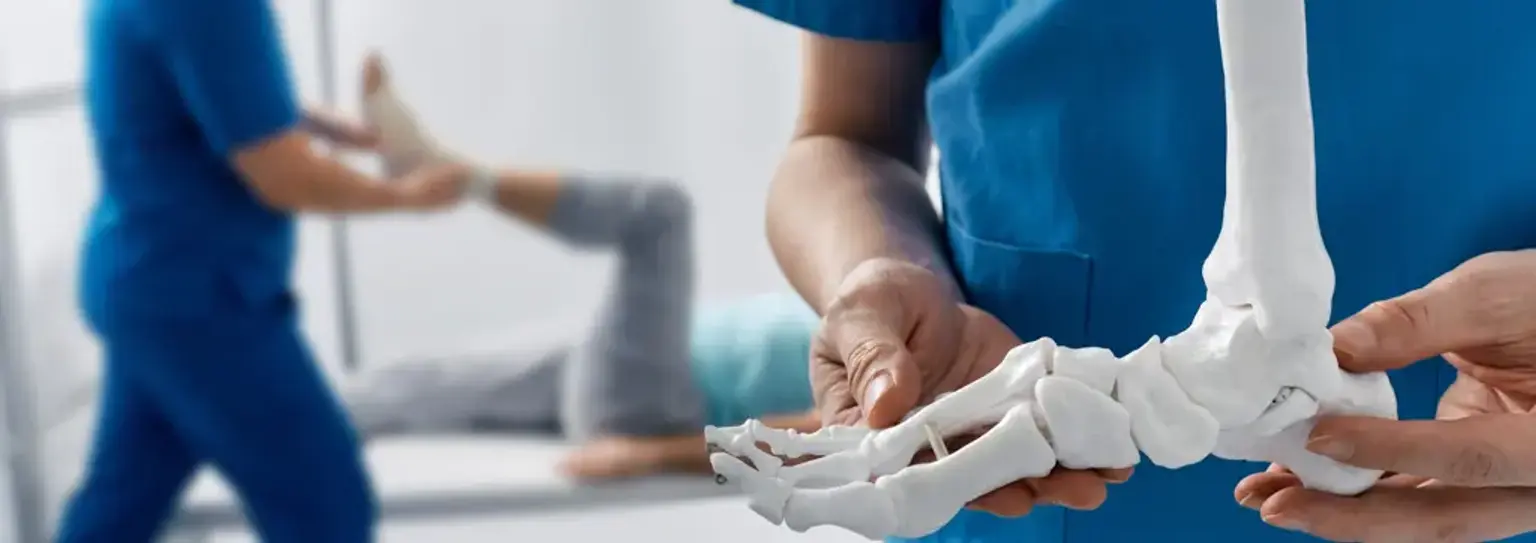

The clinical information regarding Common Foot Problems and Treatments in this article has been rigorously verified against the latest guidelines from the American Academy of Orthopaedic Surgeons (AAOS) and primary research from databases like PubMed. This piece was reviewed for accuracy and patient-centric clarity and was last updated in October 2023.
Introduction
introductionYour feet are complex structures An estimated 75% of people will experience foot problems at some point in their lives Source: American Podiatric Medical Association. This guide provides a clinical explanation of the most common orthopedic foot and ankle issues, their causes, and the advanced treatment options available.
What Are the Most Common Orthopedic Foot Problems?
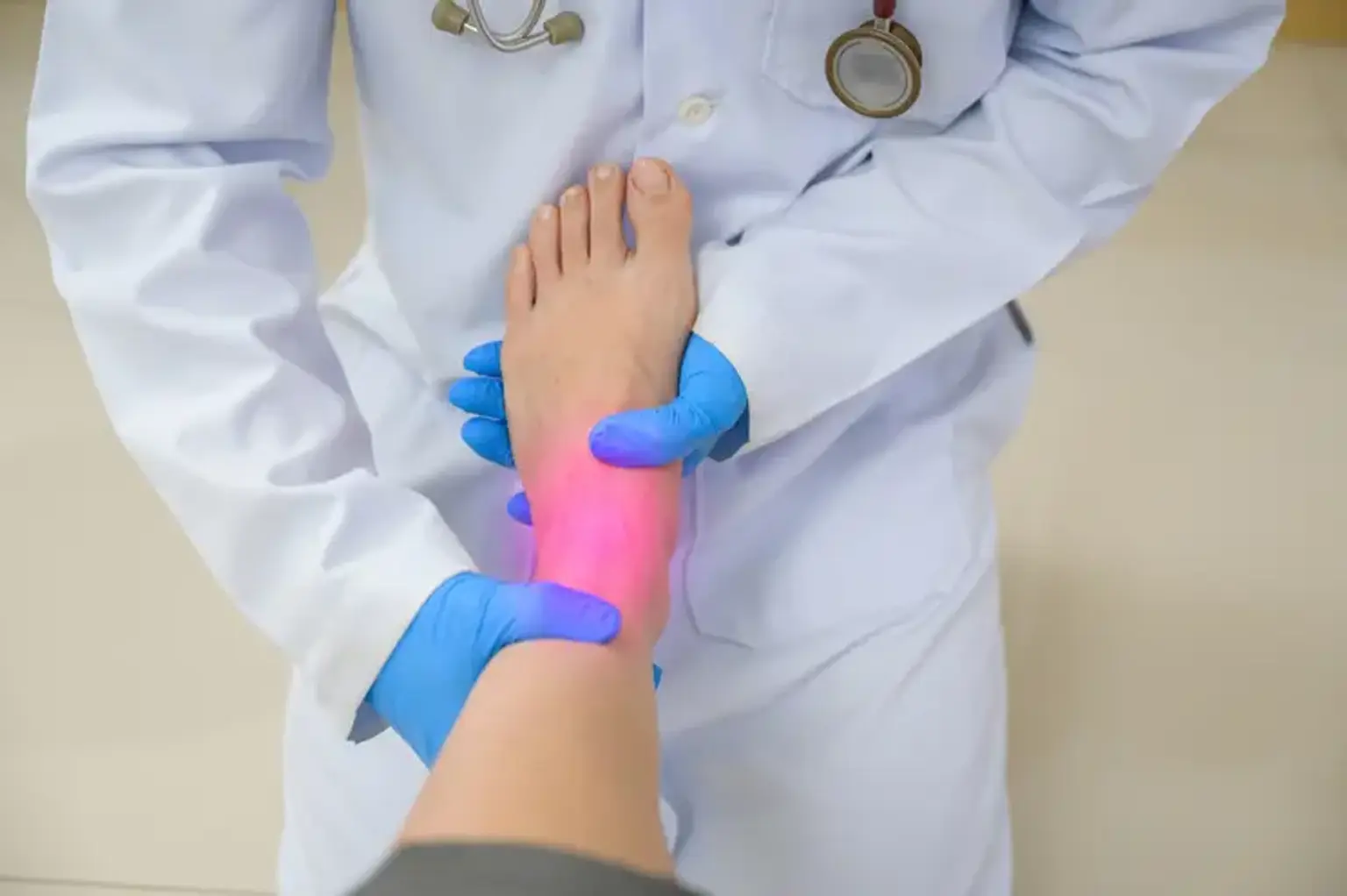
what-are-the-most-common-orthopedic-foot-problemsThe most prevalent orthopedic foot problems are conditions that affect the bones, joints, ligaments, and tendons, leading to pain, deformity, or loss of function. These often result from a combination of genetics, footwear choices, overuse, or injury. Key conditions include structural issues like hallux valgus , inflammatory conditions like plantar fasciitis, and injuries such as ankle sprains that lead to chronic instability.
What Causes Chronic Foot and Ankle Pain?
what-causes-chronic-foot-and-ankle-painChronic foot and ankle pain is typically caused by repetitive stress, underlying structural abnormalities, or unresolved acute injuries. For instance, wearing ill fitting shoes can exacerbate a genetic predisposition for bunions. Repetitive impact from running can lead to inflammation of the plantar fascia or Achilles tendon. An ankle sprain that doesn't heal properly can damage ligaments, resulting in long-term instability and pain. Systemic conditions like arthritis also play a significant role.
What Are the Signs of Common Foot & Ankle Conditions?
what-are-the-signs-of-common-foot-and-ankle-conditionsRecognizing the specific signs of foot and ankle problems is the first step toward seeking effective treatment. While symptoms vary, certain patterns point to common diagnoses.
Hallux Valgus (Bunions): A visible bony bump at the base of the big toe. The big toe may angle toward the other toes, causing pain, redness, and soreness.
Plantar Fasciitis: A sharp, stabbing pain in the bottom of the heel, which is usually most severe with the first steps in the morning.
Achilles Tendonitis: Pain and stiffness along the back of the heel and lower leg, particularly after activity.
Chronic Ankle Instability: A recurring feeling of the ankle giving way, especially on uneven surfaces, often accompanied by persistent swelling and tenderness.
Hammertoe: An abnormal bend in the middle joint of a toe, causing it to point downwards.
"The first step out of bed felt like stepping on a shard of glass, every single morning. I tried different shoes, stretching, everything. It wasn't until I saw a specialist that I realized the constant heel pain had a name—plantar fasciitis—and a clear path to getting better." – an anonymous patient, United States.
When Should I See a Doctor for Foot Pain?
when-should-i-see-a-doctor-for-foot-painYou should consult a medical professional for foot pain if it persists for more than a week, is severe, or is accompanied by other warning signs. Seek immediate attention if you experience:
Inability to bear weight on the affected foot.
Visible deformity or an open wound.
Signs of infection, such as redness, warmth, and fever.
Severe swelling that does not improve with rest and ice.
Pain that disrupts sleep or daily activities.
Recommended Clinics for Foot & Ankle Care in South Korea
recommended-clinics-for-foot-and-ankle-care-in-south-koreaSouth Korea is home to world-class orthopedic centers specializing in treating the full spectrum of foot and ankle disorders, from common issues to complex reconstructions.
Website | Clinic Name | Best Known For | Address | Contact |
|---|---|---|---|---|
Seoul Yes Hospital | Joint, Spine, and Arthroscopic Surgery | Yongin-si, Gyeonggi-do, South Korea | ||
Asan Medical Center | Comprehensive Orthopedic and Trauma Care | Seoul, Songpa, South Korea | ||
Bumin Hospital Group | Specialized Joint and Spine Hospital Network | Haeundae, Busan, South Korea | ||
Nanoori Hospital, Gangnam | Minimally Invasive Spine and Joint Treatment | Gangnam, Seoul, South Korea | ||
Himchan Hospital | High-Volume Joint Replacement and Arthroscopy | Bupyeong, Incheon, South Korea | ||
Nasaret International Hospital | Orthopedics, Rehabilitation, and Neurology | Yeonsu-gu, Incheon, South Korea | ||
Gachon University Gil Medical Center | Advanced University Hospital with Orthopedic Expertise | Namdong-gu, Incheon, South Korea | ||
Wooridul Hospital Gangnam | World-Renowned Spine and Joint Specialists | Gangnam, Seoul, South Korea |
Advanced Treatments and Average Costs in South Korea
advanced-treatments-and-average-costs-in-south-koreaClinics in South Korea offer a range of treatments from non-invasive therapies to advanced, minimally invasive surgeries.
Treatment/Procedure Name | Treatment Duration | Hospitalization? | Avg Cost Range (USD) in S. Korea | Contact |
|---|---|---|---|---|
Hallux Valgus (Bunion) Correction | 1-2 hours | Needed (1-3 days) | $4,500 - $7,000 | |
Ankle Ligament Reconstruction | 1.5-2.5 hours | Needed (1-3 days) | $6,000 - $9,000 | |
Ankle Arthroscopy | 1-1.5 hours | Needed (1 day) | $5,000 - $8,000 | |
Achilles Tendon Repair | 1-2 hours | Needed (1-2 days) | $7,000 - $11,000 | |
Plantar Fasciitis Release (Surgical) | 30-60 mins | Not Needed | $4,000 - $6,500 | |
Stem Cell Cartilage Regeneration (Ankle) | 1-2 hours | Needed (1-2 days) | $8,000 - $15,000 | |
Extracorporeal Shock Wave Therapy (ESWT) | 15-20 mins | Not Needed) | $1,000 - $2,500 |
Your Key Questions About Foot & Ankle Care Answered
your-key-questions-about-foot-and-ankle-care-answeredThis section addresses practical questions about diagnosis, treatment, and recovery for common foot and ankle issues.
1. How is a bunion (hallux valgus) corrected surgically?
1.-how-is-a-bunion-(hallux-valgus)-corrected-surgicallySurgical correction of a bunion, known as an osteotomy, involves cutting and realigning the metatarsal bone to straighten the big toe. The surgeon then fixes the bone in its new position with small screws or pins. This procedure aims to relieve pain, correct the deformity, and restore normal foot function.
2. What is the recovery time for ankle ligament surgery?
2.-what-is-the-recovery-time-for-ankle-ligament-surgeryRecovery from ankle ligament reconstruction varies but typically involves 2-4 weeks of non-weight-bearing in a cast or boot, followed by several months of physical therapy. Most patients can return to light activities within 2-3 months, with a full return to sports and high-impact activities often taking 6-12 months to ensure the new ligament structure is strong and stable.
3. Can plantar fasciitis be cured without surgery?
3.-can-plantar-fasciitis-be-cured-without-surgeryYes, over 90% of plantar fasciitis cases are resolved with non-surgical treatments. The most effective conservative treatments include stretching exercises, physical therapy, orthotic shoe inserts, night splints, and non steroidal anti inflammatory drugs . Therapies like ESWT may also be used before surgery is considered.
4. What are the benefits of ankle arthroscopy?
4.-what-are-the-benefits-of-ankle-arthroscopyAnkle arthroscopy offers significant benefits as it is a minimally invasive technique that uses a small camera to diagnose and treat problems inside the joint. This approach results in smaller incisions, less pain and scarring, a lower risk of infection, and a faster recovery compared to traditional open surgery. It is commonly used for cartilage damage, bone spur removal, and ligament assessment.
Regain Your Mobility: Explore Foot & Ankle Treatment Today!
regain-your-mobility:-explore-foot-and-ankle-treatment-in-koreaPersistent foot and ankle pain should not dictate the quality of your life. Taking the next step to understand your condition and explore treatment options is crucial for reclaiming your comfort and mobility reach out to CloudHospital directly Get Free Treatment Plan & Quote for faster response and multilingual support. Begin your journey with a leading Korean clinic today.