

The clinical information regarding Non-Surgical Treatments for Stress Urinary Incontinence (SUI) in this article has been rigorously verified against the latest guidelines from the American Urological Association (AUA) and primary research from databases like PubMed. This piece was reviewed for accuracy and patient centric clarity and was last updated in October 2023.
Introduction
introduction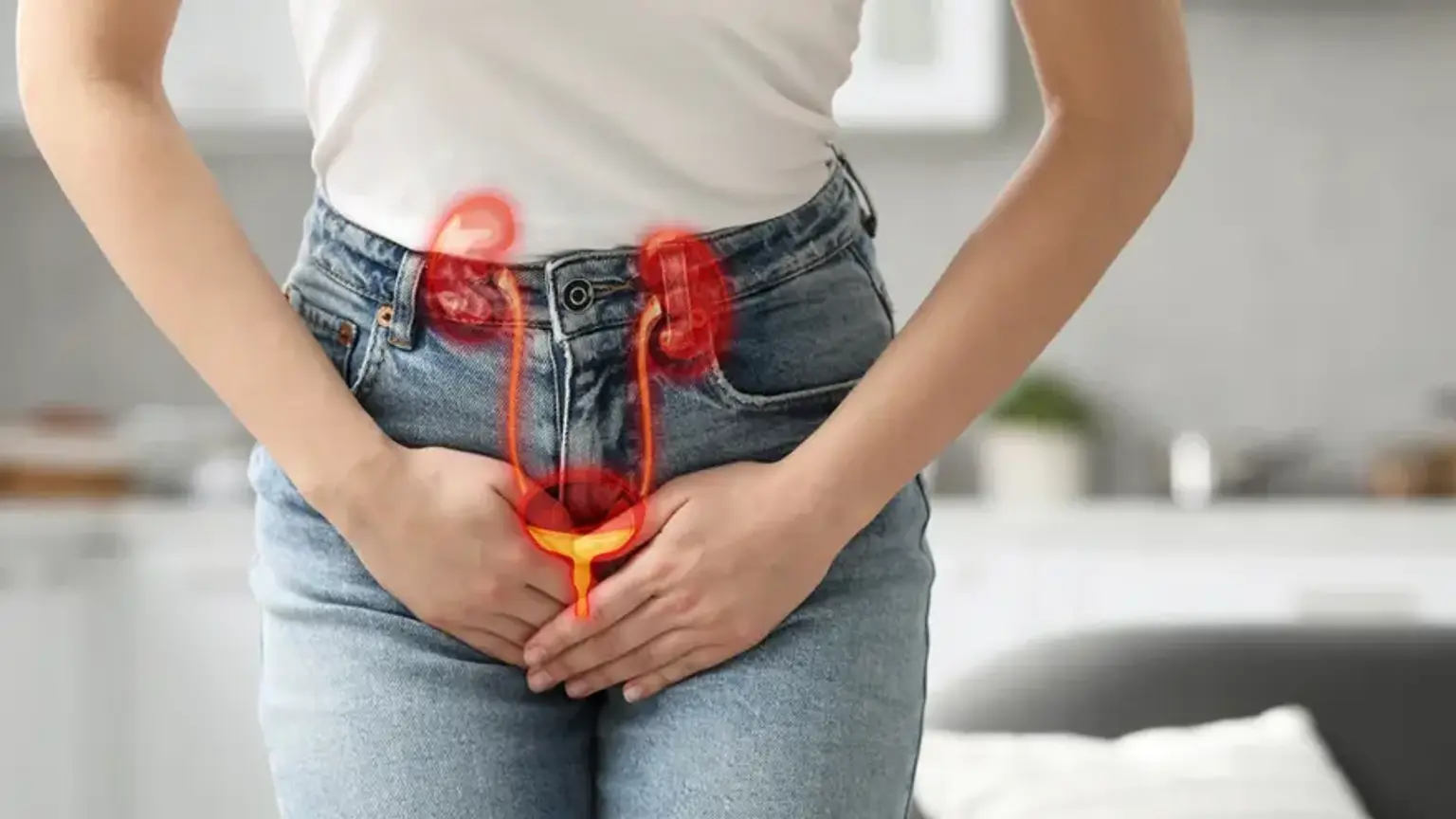
Stress Urinary Incontinence (SUI), the involuntary leakage of urine during physical activities like coughing, sneezing, laughing, or exercising, is a common and treatable medical condition. It affects millions of people, primarily women, and can significantly impact quality of life. While surgery is a viable option for some, a wide range of highly effective non surgical treatments exists. This guide provides a detailed examination of these first line and minimally invasive options for individuals seeking to manage SUI without undergoing a major operation.
What Causes Stress Urinary Incontinence?
what-causes-stress-urinary-incontinenceSUI occurs when the muscles and tissues supporting the urethra and the bladder neck weaken. This support system, known as the pelvic floor, is responsible for keeping the urethra closed during moments of increased abdominal pressure. When it is compromised often due to childbirth, pregnancy, menopause, chronic coughing, or high impact sports the urethra cannot remain sealed, leading to leakage. The goal of non surgical SUI treatment is to restore this support mechanism or improve the urethra's ability to close.
What Are the Best Non-Surgical Treatments for Stress Incontinence?
what-are-the-best-non-surgical-treatments-for-stress-incontinenceThe best non surgical treatment depends on the severity of your SUI, your anatomy, and your personal goals. A urologist will typically recommend starting with the least invasive options first. These treatments are often used in combination for optimal results.
Pelvic Floor Muscle Training (PFMT)
pelvic-floor-muscle-training-(pfmt)Often called Kegel exercises, PFMT is the cornerstone of non surgical SUI management. These exercises are designed to strengthen the pelvic floor muscles, providing better support for the bladder and urethra.
How It Works: By systematically contracting and relaxing the correct muscles, patients can improve muscle tone, strength, and endurance. A physical therapist specializing in pelvic health can provide crucial guidance to ensure correct technique.
Effectiveness: When performed correctly and consistently, PFMT can significantly reduce or even eliminate SUI symptoms for many women, particularly those with mild to moderate incontinence.
Incontinence Pessaries
incontinence-pessariesA pessary is a small, removable device made of medical grade silicone that is inserted into the vagina to support the bladder neck or gently compress the urethra.
How It Works: It acts as a physical support structure, repositioning the pelvic organs to prevent urethral movement and subsequent leakage during exertion.
Best For: Women who need support only during specific activities or those who wish to avoid or delay more invasive procedures. They require fitting by a healthcare professional.
Urethral Bulking Agents
urethral-bulking-agentsThis is a minimally invasive procedure performed in a clinical setting. It involves injecting a biocompatible material into the tissues surrounding the urethra.
How It Works: The bulking material narrows the urethral opening, helping it to seal more effectively against pressure. This procedure is typically done under local anesthesia and takes about 15-30 minutes.
Effectiveness: Success rates vary, but many patients experience a significant reduction in leakage. The effect may diminish over time, and repeat injections may be necessary after several years.
"After the bulking agent procedure, the constant worry about laughing or sneezing in public just vanished. It wasn't a major surgery, but it gave me back a huge piece of my life and confidence." – an anonymous patient, Australia.
Emerging Energy-Based Therapies
emerging-energy-based-therapiesNewer technologies using radiofrequency or laser energy are being explored for mild to moderate SUI.
How It Works: These therapies deliver controlled energy to the vaginal tissue, aiming to stimulate collagen production and tighten the supportive structures around the urethra. Examples include treatments like Emsella (which uses electromagnetic energy) and various laser systems.
Status: While promising, these are still considered newer options, and long term efficacy data is still being gathered. They are often best suited for women with milder symptoms or those seeking aesthetic and functional vaginal rejuvenation simultaneously.
Who Is a Good Candidate for Non-Surgical SUI Therapy?
who-is-a-good-candidate-for-non-surgical-sui-therapyYou are likely a good candidate for non surgical SUI treatment if you meet one or more of the following criteria:
Mild to Moderate SUI: Your leakage is manageable but bothersome.
Desire to Avoid Surgery: You have personal, medical, or lifestyle reasons for not wanting an operation.
Planning Future Pregnancies: Non surgical options do not preclude future childbirth, which can alter the results of surgical repairs.
Medically Unfit for Surgery: You have other health conditions that make anesthesia or surgery a higher risk.
Seeking Initial Treatment: These options are the standard first line approach recommended by urological associations worldwide.
What is the Recovery and Timeline for Non-Surgical Options?
what-is-the-recovery-and-timeline-for-non-surgical-optionsRecovery varies significantly depending on the treatment chosen, but all are designed for minimal downtime.
Treatment Type | Typical Recovery & Timeline |
|---|---|
Pelvic Floor Muscle Training | No downtime. It takes 6-12 weeks of consistent daily exercise to notice significant improvement. Lifelong maintenance is recommended. |
Incontinence Pessary | No downtime. Requires an initial fitting appointment. Patients can use it as needed immediately. Regular cleaning is necessary. |
Urethral Bulking Agents | Minimal downtime. Patients are typically advised to avoid strenuous activity and sexual intercourse for 1-2 weeks. Most return to normal daily life within 24-48 hours. |
Energy-Based Therapies | Very little to no downtime. Some protocols recommend avoiding intercourse or tampons for a few days. Multiple sessions spaced weeks apart are usually required. |
Recommended Clinics with Relevant Expertise in South Korea
recommended-clinics-with-relevant-expertise-in-south-koreaSouth Korea is home to world-class medical facilities and highly experienced urologists who specialize in both surgical and non-surgical management of urinary incontinence.
Website | Clinic Name | Best Known For | Address | Contact |
|---|---|---|---|---|
Gangnam St. Mary's Urology Clinic | Comprehensive Urological Care, BPH, Male Health | Seocho-gu, Seoul, South Korea | ||
Samsung Medical Center | Advanced Diagnostics, Comprehensive Cancer Care, Multi-disciplinary Specialties | Gangnam-gu, Seoul, South Korea | ||
Asan Medical Center | High-Volume Surgery Center, Organ Transplantation, Advanced Medical Research | Songpa-gu, Seoul, South Korea | ||
Seoul National University Hospital | Leading Research Hospital, Complex Disease Management, Urology Department | Gangnam-gu, Seoul, South Korea | ||
Korea University Anam Hospital | Robotic Surgery, Specialized Medical Centers, International Patient Services | Seongbuk-gu, Seoul, South Korea | ||
Chung-Ang University Hospital | General & Specialized Surgery, International Healthcare Center | Dongjak-gu, Seoul, South Korea | ||
Best Top Urology Clinic | Specialized Urological Procedures, Men's Health, Incontinence | Seongnam-si,Gyeonggi-do, South Korea | ||
Top Urology Clinic | Focused Urological Care, STD testing, Localized Treatments | Gumi-si, Gyeongsangbuk-do, South Korea |
Associated Urological Treatments & Procedures in South Korea
associated-urological-treatments-and-procedures-in-south-koreaPatients seeking SUI treatment may also inquire about other advanced urological care available at leading South Korean hospitals.
Treatment/Procedure Name | Treatment Duration | Hospitalization? | Avg Cost Range (USD) in S. Korea | Contact |
|---|---|---|---|---|
Prostate Cancer treatment | 7–9 weeks | Needed (1–3 days) | $15,000 - $40,000 | |
Rezūm Water Vapor Therapy | 15-30 minutes | Not Needed | $6,000 - $9,000 | |
Urolift Procedure | 30-60 minutes | Not Needed | $7,000 - $11,000 | |
Male infertility treatment | 3 to 6 months | Not Needed | $2,000 - $10,000 | |
Kidney Stones treatment | 30-90 minutes | Not Needed | $4,000 - $8,000 | |
Benign Prostatic Hyperplasia (BPH) | 1-2 hours | Not Needed | $5,000 - $12,000 | |
Sexual dysfunction | 8 to 12 weeks | Not Needed | $500 - $5,000 | |
Vasectomy surgery | 20-30 minutes | Not Needed | $800 - $2,000 | |
Circumcision | 30-60 minutes | Not Needed | $1,000 - $2,500 | |
CASA (Semen Analysis) | 30 minutes | Not Needed | $150 - $400 |
Frequently Asked Questions (FAQs) about Non-Surgical SUI Treatment
frequently-asked-questions-(faqs)-about-non-surgical-sui-treatment1. Can pelvic floor exercises cure stress incontinence?
1.-can-pelvic-floor-exercises-cure-stress-incontinenceFor many women with mild to moderate SUI, a consistent and correctly performed PFMT program can significantly reduce leakage to the point where it is no longer a problem, effectively acting as a cure. However, for more severe cases, it may only provide partial improvement and is often used alongside other treatments.
2. Are these treatments covered by insurance?
2.-are-these-treatments-covered-by-insuranceCoverage varies widely by country and insurance provider. Medically necessary treatments like PFMT, pessaries, and urethral bulking agents are often covered. Newer, energy based therapies may be considered elective or cosmetic and are less likely to be covered. Always check with your insurance provider.
3. How do I know which non-surgical option is right for me?
3.-how-do-i-know-which-non-surgical-option-is-right-for-meThe best way to determine the right path is through a consultation with a urologist or a urogynecologist. They will conduct a thorough evaluation, which may include a physical exam, a bladder diary, and potentially urodynamic testing, to diagnose the precise cause and severity of your SUI before recommending a personalized treatment plan.
4. What happens if non-surgical treatments don't work?
4.-what-happens-if-non-surgical-treatments-don't-workIf you do not achieve your desired outcome with non surgical options, your doctor will discuss surgical procedures. The most common and effective surgeries for SUI are the mid-urethral sling procedures (e.g., TVT, TOT) or a Burch colposuspension, which have very high long term success rates.
Take the First Step Towards a Leak-Free Life
take-the-first-step-towards-a-leak-free-lifeYou do not have to live with the limitations and anxiety of Stress Urinary Incontinence. The first step towards freedom and confidence is understanding your options. By inquiring about SUI treatments at South Korea's leading urology centers through CloudHospital, you gain access to expert diagnosis and a personalized care plan tailored to your needs. A dedicated Care Manager will guide you through a seamless and transparent process, from your initial questions to post-treatment support. Start Your Confidential Inquiry to receive a free, personalized treatment plan and reclaim your active life.