


The clinical information regarding Breast Asymmetry Correction in this article has been rigorously verified against the latest guidelines from the American Society of Plastic Surgeons (ASPS) and primary research from databases like PubMed. This piece was reviewed for accuracy and patient-centric clarity and was last updated in October 2023.
Introduction
introductionA noticeable difference in the size, shape, or position of the breasts is a common condition known as breast asymmetry. While nearly all women have some degree of asymmetry, for some, the difference is significant enough to affect self-confidence and clothing choices. Breast asymmetry correction is a highly personalized set of plastic surgery procedures designed to create a more balanced and symmetrical breast appearance. This guide provides a detailed examination of the causes, treatment options, and recovery process for individuals considering this transformative surgery.
What Causes Significant Breast Asymmetry?
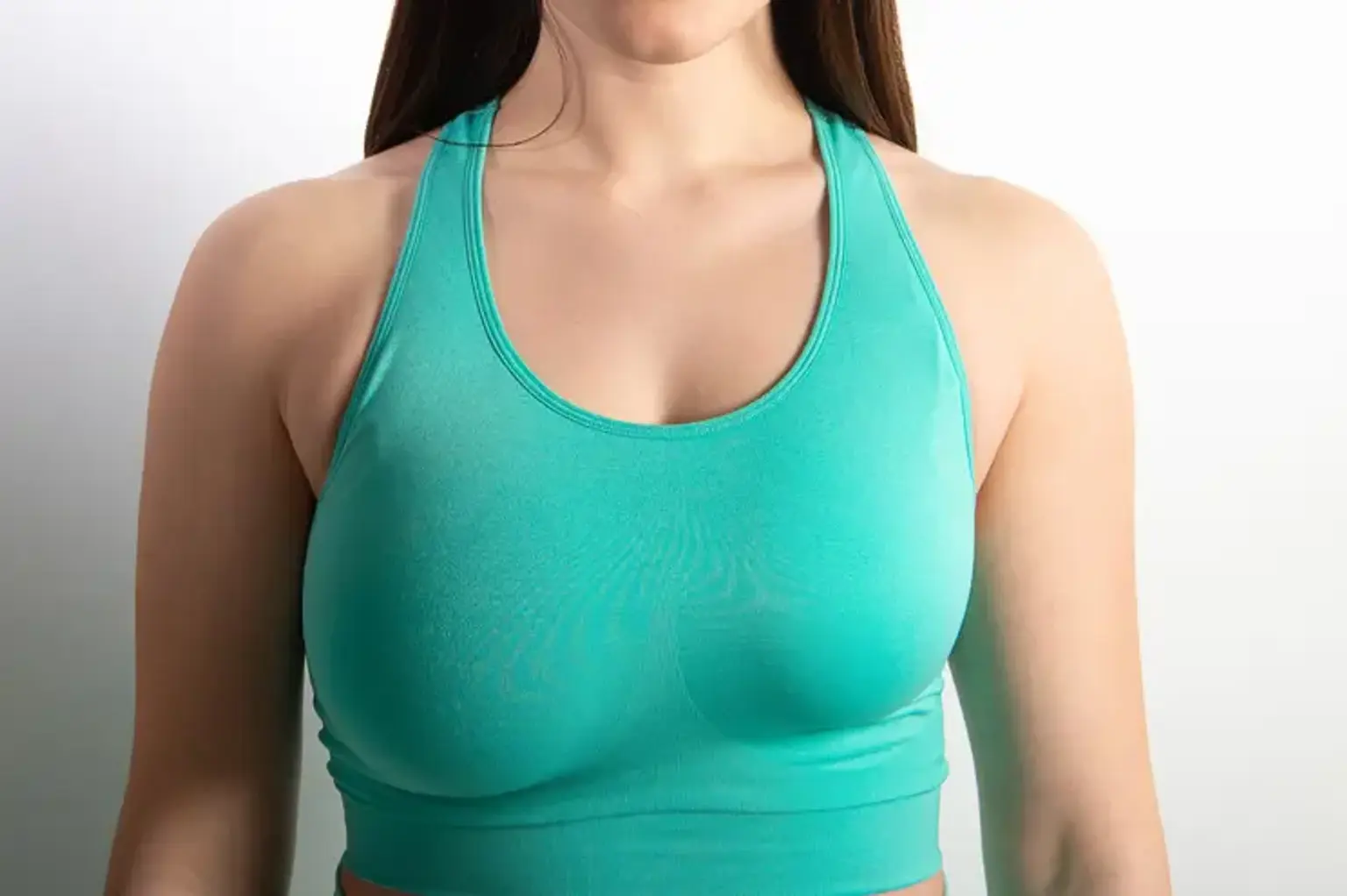
what-causes-significant-breast-asymmetrySignificant breast asymmetry is primarily caused by differences in breast tissue development during puberty. Hormonal fluctuations can lead to one breast growing more or differently than the other. Other contributing factors can include tuberous breast deformity, a congenital condition affecting breast shape, or Poland syndrome, which involves underdeveloped chest muscles on one side of the body. Significant weight changes, pregnancy, and breastfeeding can also create or exacerbate asymmetry. In rare cases, trauma or previous medical conditions can be a factor.
Who is a Good Candidate for Breast Asymmetry Correction?
who-is-a-good-candidate-for-breast-asymmetry-correctionDetermining candidacy is a crucial first step and requires a consultation with a board-certified plastic surgeon. Ideal candidates for breast asymmetry correction typically meet the following criteria:
Physically Healthy: Individuals with no active illnesses or medical conditions that could impair healing.
Non-Smoker: Smoking significantly compromises blood flow and can lead to severe post-operative complications.
Realistic Expectations: Understands that the goal is significant improvement and better symmetry, not perfect mathematical equality.
Bothered by the Asymmetry: The difference in breast size, shape, or position is a source of emotional distress or physical discomfort.
Finished Breast Development: Patients should wait until breast development is complete, typically in their late teens or early twenties.
What Are the Surgical Options for Correcting Uneven Breasts?
what-are-the-surgical-options-for-correcting-uneven-breastsA surgeon corrects breast asymmetry by employing one or a combination of techniques tailored to the patient's specific anatomy and aesthetic goals. There is no one-size-fits-all approach; the plan is uniquely designed to achieve balance.
Breast Augmentation: If one breast is significantly smaller, an implant can be placed to increase its volume and match the larger breast. This is a common solution for simple size discrepancies.
Breast Reduction: For cases where one breast is disproportionately large, a breast reduction mammoplasty is performed on the larger breast to remove excess tissue, fat, and skin, creating a size that matches the smaller breast.
Breast Lift Mastopexy: When asymmetry involves drooping or differences in nipple position, a mastopexy is performed. The surgeon removes excess skin and tightens surrounding tissue to lift and reshape one or both breasts for a more symmetrical and youthful contour.
Combination Procedures Augmentation/Lift or Reduction/Lift: The most common approach for significant asymmetry involves a combination of techniques. For example, the surgeon might lift both breasts, place a small implant in the smaller breast, and perform a slight reduction on the larger one.
Fat Grafting: This technique involves harvesting fat from another area of the patient's body like the abdomen or thighs via liposuction, purifying it, and then carefully injecting it into the smaller breast to increase its volume. It is an excellent option for modest size adjustments and refining shape.
What Are the Steps of the Breast Asymmetry Correction Procedure?
what-are-the-steps-of-the-breast-asymmetry-correction-procedureThe surgical journey is a structured process designed for safety and optimal outcomes, broken down into distinct phases.
Before the Procedure: Consultation and Preparation
before-the-procedure:-consultation-and-preparationYour journey begins with an in-depth consultation. The surgeon will evaluate your medical history, examine your breasts, and take detailed measurements. You will discuss your aesthetic goals, and the surgeon will recommend the best surgical plan. Pre-operative instructions typically include stopping certain medications like aspirin and anti-inflammatory drugs that can increase bleeding, arranging for help during recovery, and refraining from smoking for several weeks before and after surgery.
During the Procedure: What Happens in the Operating Room
during-the-procedure:-what-happens-in-the-operating-roomBreast asymmetry correction is performed under general anesthesia and can take between 2 to 4 hours, depending on the complexity of the techniques used. The surgeon makes incisions in inconspicuous locations such as around the areola, in the crease under the breast, or from the areola down to the crease to minimize visible scarring. They will then proceed with the planned augmentation, reduction, lift, or combination of techniques to reshape and reposition the breast tissue and achieve symmetry.
Immediately After the Procedure: The Initial Recovery Phase
immediately-after-the-procedure:-the-initial-recovery-phaseAfter the surgery, you will be moved to a recovery area for monitoring. Dressings or bandages will be applied to your incisions, and you will likely be fitted with a supportive surgical bra to minimize swelling and support the breasts as they heal. Some swelling, bruising, and discomfort are normal and can be managed with prescribed pain medication.
"The most incredible feeling was finally being able to wear clothes without thinking about it. My confidence has completely changed, and I feel balanced for the first time." – an anonymous patient, Australia.
What is the Recovery Timeline for Breast Asymmetry Surgery?
what-is-the-recovery-timeline-for-breast-asymmetry-surgeryRecovery varies based on the specific procedures performed, but a general timeline provides a clear expectation of the healing process.
First 24-48 Hours: The most significant discomfort occurs during this time and is managed with medication. Rest is essential.
Week 1: You will be able to move around lightly but must avoid any lifting or strenuous activity. You will likely have a follow-up appointment for the surgeon to check your healing progress. Most patients can return to a desk job within 5-7 days.
Weeks 2-4: Swelling and bruising will continue to subside. You may be cleared to begin light walking, but any vigorous exercise, heavy lifting, or upper body workouts are still prohibited.
Weeks 4-6: Most of the swelling has resolved, and the new shape of your breasts becomes more apparent. Your surgeon may clear you to resume most normal activities and exercise routines.
3-6 Months: The final results emerge as residual swelling disappears and the tissues settle into their new position. Scars will continue to fade and soften over the next year.
How Long Do Breast Asymmetry Correction Results Last?
how-long-do-breast-asymmetry-correction-results-lastThe results of breast asymmetry correction surgery are considered permanent. The structural changes made to the breast tissue, whether through reduction, lifting, or augmentation with implants, will last for many years. However, the breasts are not immune to the effects of aging, gravity, or significant weight fluctuations. Maintaining a stable weight and a healthy lifestyle can help preserve your results long-term. Breast implants may need to be replaced after 10-15 years.
Recommended Clinics with Relevant Expertise in South Korea
recommended-clinics-with-relevant-expertise-in-south-koreaSouth Korea is renowned for its advanced plastic surgery centers and highly experienced surgeons. The following clinics are noted for their expertise in a range of aesthetic procedures, including complex breast surgeries.
Website | Clinic Name | Best Known For | Address | Contact |
|---|---|---|---|---|
Human Plastic Surgery | Comprehensive procedures including facial contouring, rhinoplasty, and breast surgery. | Gangnam-gu, Seoul, South Korea | ||
Dite Plastic Surgery | Specialized in eye surgery, rhinoplasty, and anti-aging treatments. | Gangnam-gu, Seoul, South Korea | ||
1mm Plastic Surgery | Advanced facial contouring, rhinoplasty, and revision surgeries. | Gangnam-gu, Seoul, South Korea | ||
Kowon Plastic Surgery | Leading expertise in primary and revision rhinoplasty. | Gangnam-gu, Seoul, South Korea | ||
SoonPlus Plastic Surgery | Full-service clinic for eyes, nose, facial contouring, and breast surgery. | Gangnam-gu, Seoul, South Korea | ||
Face Plus Plastic Surgery | Specializing in facial bone surgery, rhinoplasty, and eye surgery. | Gangnam-gu, Seoul, South Korea | ||
TJ plastic surgery | Focused on facial lifting and breast surgeries for natural-looking results. | Gangnam-gu, Seoul, South Korea | ||
Hugo Plastic Surgery | Expertise in eye, nose, and anti-aging procedures. | Gangnam-gu, Seoul, South Korea | ||
Yujin PS & Dermatology | Comprehensive center offering plastic surgery, dermatology, and stem cell research. | Gangnam-gu, Seoul, South Korea | ||
ID Hospital | Major hospital famous for facial bone surgery, also offering comprehensive plastic surgery. | Gangnam, Seoul, South Korea | ||
JK Plastic Surgery | One-stop center for a wide range of aesthetic and reconstructive procedures. | Gangnam, Seoul, South Korea |
Recommended Treatment/Procedure Names with Average Costs in South Korea
recommended-treatmentprocedure-names-with-average-costs-in-south-koreaThe cost of plastic surgery in South Korea is competitive, offering high-quality care at accessible price points. Below are average cost ranges for various procedures.
Treatment/Procedure Name | Treatment Duration | Hospitalization? | Avg Cost Range (USD) in S. Korea | Contact |
|---|---|---|---|---|
Full Face Lifting | 3-5 hours | Needed (1-2 days) | $12,000 - $20,000 | |
SMAS Facelift | 2-4 hours | Needed (1 day) | $8,000 - $15,000 | |
Facelift | 2-4 hours | Needed (1 day) | $7,000 - $14,000 | |
Face Contouring | 2-4 hours | Needed (1-3 days) | $7,000 - $18,000 | |
Square Jaw Surgery | 1-2 hours | Needed (1-2 days) | $5,000 - $9,000 | |
Cheekbone Reduction Surgery | 1-2 hours | Needed (1 day) | $5,000 - $8,000 | |
Revision Rhinoplasty | 2-4 hours | Not Needed | $6,000 - $12,000 | |
Male Rhinoplasty | 1.5-3 hours | Not Needed | $4,000 - $7,500 | |
Rhinoplasty | 1.5-3 hours | Not Needed | $3,500 - $7,000 | |
Breast Augmentation | 1-2 hours | Not Needed or 1 day | $8,000 - $15,000 | |
Breast Surgery (General) | 1-4 hours | Not Needed | $6,000 - $18,000 | |
Hip Surgery / Hip-up Plastic Surgery | 2-3 hours | Needed (1 day) | $9,000 - $16,000 | |
Liposuction (Body) | 1-3 hours | Not Needed | $3,000 - $8,000 | |
Chin Correction / Genioplasty | 1-2 hours | Needed (1 day) | $4,000 - $7,000 | |
Upper & Lower Blepharoplasty | 1.5-2.5 hours | Not Needed | $3,500 - $6,000 | |
Lower Eyelid Surgery | 1-1.5 hours | Not Needed | $2,000 - $4,000 | |
Neck Lift | 1.5-2.5 hours | Needed (1 day) | $5,000 - $9,000 | |
Brow Lift Surgery / Forehead Lift | 1-2 hours | Not Needed | $4,000 - $7,000 | |
Double Eyelid Surgery | 30-60 mins | Not Needed | $1,500 - $3,500 | |
Thread Lifting | 30-60 mins | Not Needed | $2,000 - $5,000 |
Frequently Asked Questions (FAQs) about Breast Asymmetry Correction
frequently-asked-questions-(faqs)-about-breast-asymmetry-correction1. Will I have visible scars from the surgery?
1.-will-i-have-visible-scars-from-the-surgerySurgeons are highly skilled at placing incisions in areas where scars will be least conspicuous, such as in the natural breast crease or around the areola. While scars are a permanent part of any surgery, they fade significantly over time and can often be well-concealed by a bra or bikini top.
2. Is the breast asymmetry correction procedure painful?
2.-is-the-breast-asymmetry-correction-procedure-painfulThe procedure is performed under general anesthesia, so you will not feel any pain during the surgery itself. Post-operative pain and discomfort are expected, especially in the first few days, but are effectively managed with prescribed pain medication. Most patients report the discomfort is manageable and subsides within the first week.
3. How soon can I exercise after the procedure?
3.-how-soon-can-i-exercise-after-the-procedureLight walking is encouraged soon after surgery to promote circulation. However, you must avoid all strenuous activities, heavy lifting anything over 10 lbs, and upper body workouts for at least 4-6 weeks. Your surgeon will provide a specific timeline for safely reintroducing exercise based on your healing progress.
4. Can I breastfeed after breast asymmetry correction surgery?
4.-can-i-breastfeed-after-breast-asymmetry-correction-surgeryThe ability to breastfeed can be affected, depending on the specific techniques used. Procedures like a breast reduction or a lift that involves repositioning the nipple-areola complex carry a higher risk of impacting milk ducts and nerves. If future breastfeeding is a priority, you must discuss this in detail with your surgeon during the consultation.
5. How do I choose the right surgeon?
5.-how-do-i-choose-the-right-surgeonChoosing a board-certified plastic surgeon with extensive experience in breast surgery is the most critical factor for a safe and successful outcome. Verify their credentials, review before-and-after photos of their work on cases similar to yours, and ensure you feel comfortable and confident in their care.
Achieve Balance and Confidence: Begin Your Breast Asymmetry Correction Journey Today!
achieve-balance-and-confidence:-begin-your-breast-asymmetry-correction-journeyTaking the step to correct breast asymmetry is a personal decision that can lead to profound improvements in comfort and self-esteem. The key to a successful outcome is expert care and a plan tailored specifically to you. By exploring your options with highly qualified specialists, you can move forward with confidence. For a seamless and transparent process, a dedicated Care Manager can provide end-to-end support, from your initial questions to post-recovery care. Start Your Confidential Inquiry through CloudHospital and receive a personalized treatment plan from top-tier specialists.