
The clinical information regarding Top Korean Clinics Using Smart Diagnostic Tools in this article has been rigorously verified against the latest standards of care from the American Academy of Ophthalmology (AAO) and primary research from databases like PubMed. This piece was reviewed for accuracy and patient-centric clarity and was last updated in October 2023.
Introduction
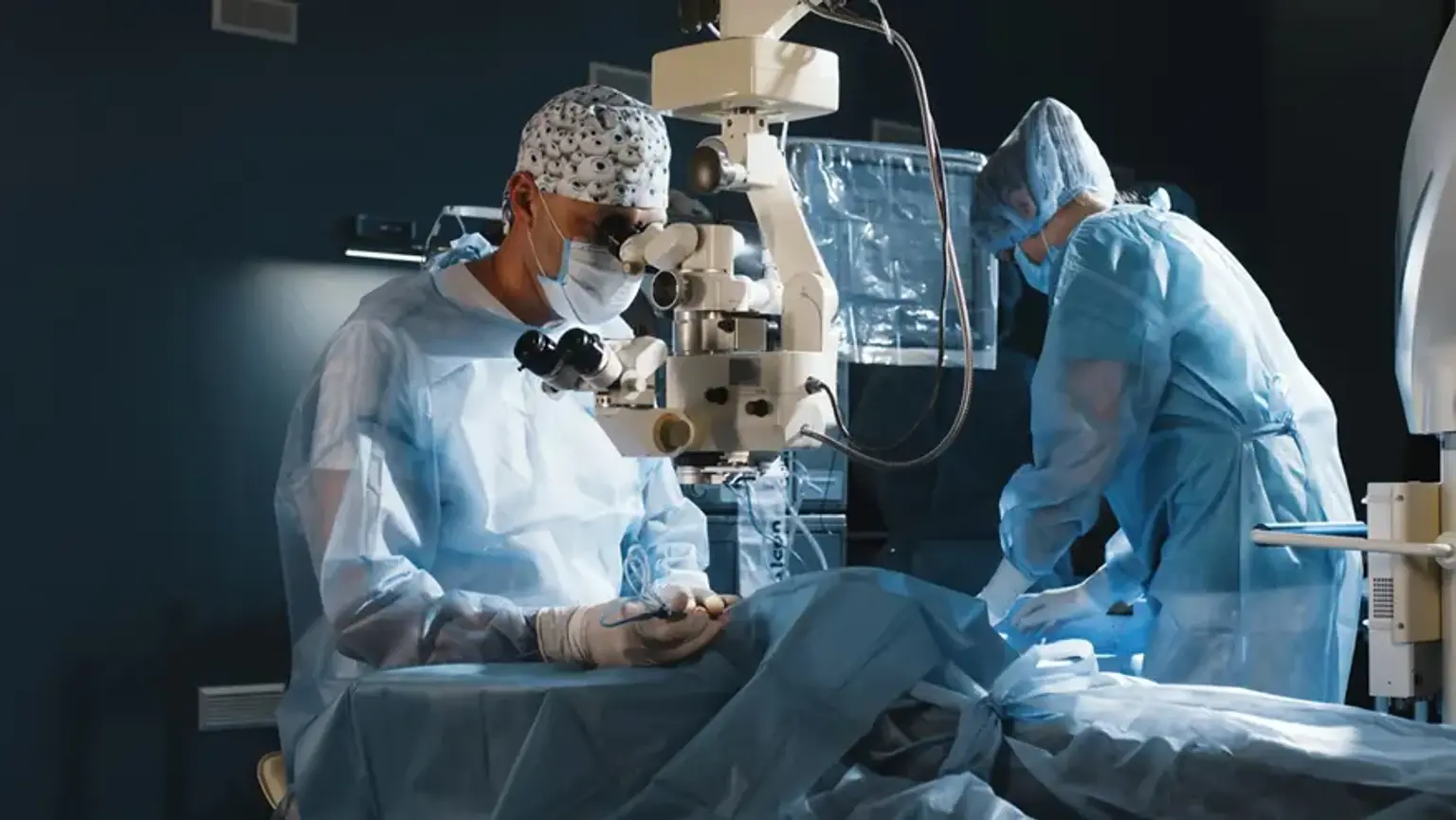
introductionThe single most critical factor in a successful vision correction or eye treatment outcome is the expertise of the ophthalmologist, empowered by superior diagnostic technology. South Korea is a global leader in ophthalmology, renowned for its highly skilled surgeons and early adoption of cutting-edge equipment. This guide provides a clear, methodical framework for researching, vetting, and choosing the right specialist and facility for your needs, ensuring you can proceed with absolute confidence.
Why is advanced diagnostic technology crucial for eye surgery success?
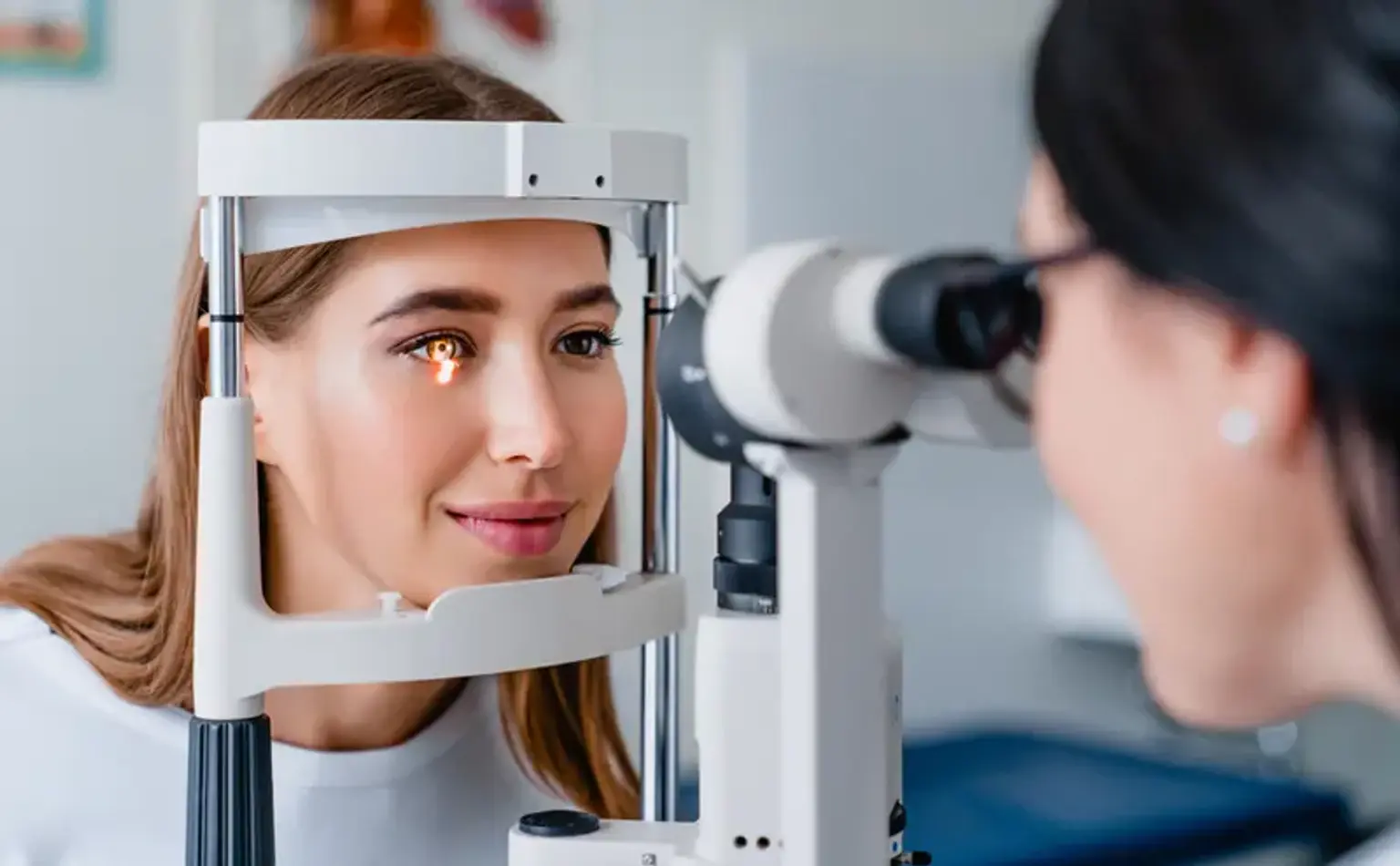
why-is-advanced-diagnostic-technology-crucial-for-eye-surgery-successAdvanced diagnostic technology is crucial because it provides the surgeon with a hyper-detailed, multi-dimensional map of your unique eye anatomy. This precision is non-negotiable for safety and optimal outcomes. Unlike a standard eye exam, these tools measure dozens of variables, including corneal thickness and shape, anterior chamber depth, and retinal health. This data allows surgeons to identify subtle conditions like early-stage keratoconus that would make a patient ineligible for certain procedures, thereby preventing complications. It also enables the creation of a truly personalized treatment plan, which is the foundation of modern, high-precision eye surgery.
What advanced diagnostic tools do top Korean eye clinics use?
what-advanced-diagnostic-tools-do-top-korean-eye-clinics-useTop Korean eye clinics utilize a suite of sophisticated diagnostic instruments to ensure the highest levels of precision and safety for procedures like LASIK, SMILE Eye Surgery, and premium cataract surgery.
Key Diagnostic Platforms:
Corneal Topographers/Tomographers: Devices like the Pentacam or Orbscan create a 3D map of the cornea's surface and thickness. This is fundamental for assessing candidacy for laser vision correction and planning astigmatism treatment.
Optical Coherence Tomography (OCT): This technology provides high-resolution, cross-sectional images of the retina, macula, and optic nerve. It is the gold standard for diagnosing and monitoring glaucoma, diabetic retinopathy, and macular degeneration.
Wavefront Aberrometers: These tools map the way light travels through your eye, identifying even the smallest imperfections higher-order aberrations beyond nearsightedness, farsightedness, and astigmatism. This data is used to program the excimer laser for truly customized vision correction.
Advanced Biometers: Instruments such as the IOLMaster or Lenstar are essential for Cataract Surgery. They provide ultra-precise measurements of the eye's length and corneal curvature to calculate the exact power needed for the replacement Premium Cataract Surgery with IOLs.
AI-Assisted Analysis Software: Leading clinics are now integrating Artificial Intelligence to analyze diagnostic data. AI algorithms can detect patterns imperceptible to the human eye, improving the accuracy of disease detection and surgical planning.
How do you properly research an ophthalmologist in South Korea?
how-do-you-properly-research-an-ophthalmologist-in-south-koreaProperly researching an ophthalmologist involves a multi-step process focused on verifying qualifications, experience, and specialization.
Verify Board Certification: Confirm the surgeon is a board-certified ophthalmologist, which indicates they have completed rigorous training and examinations.
Investigate Sub-Specialization: Ophthalmology has many sub-fields. Look for a doctor who specializes in your specific need a cornea and refractive specialist for LASIK, or a vitreoretinal surgeon for Retinal Diseases Treatment.
Assess Technology Use: Check the clinic's website or inquire directly about the specific diagnostic and surgical technology they use. A commitment to leading-edge equipment is a strong positive signal.
Review Surgeon's Experience: Look for the volume of procedures performed. A surgeon who has performed thousands of a specific surgery possesses a level of refined skill that only comes with high-volume experience.
Seek Transparent Communication: During the research phase, assess how clearly the clinic communicates. Reputable centers provide detailed information online and are responsive to international patient inquiries.
What key questions should I ask during my vision correction consultation?
what-key-questions-should-i-ask-during-my-vision-correction-consultationAsking specific, informed questions during your consultation is critical for building confidence and ensuring you are an ideal candidate for the proposed procedure.
Candidacy: Based on my diagnostic tests, what makes me a strong candidate for this specific procedure likeSMILE, LASIK and Are there any factors that give you pause?
Technology: Which specific laser platform and diagnostic tools will be used for my surgery?
Surgeon's Experience: How many of this exact procedure have you personally performed?
Outcomes: What is a realistic expectation for my final vision? What is your personal enhancement rate?
Risks & Recovery: What are the most common side effects, like dry eye, and how do you manage them? What does the full recovery timeline look like?
Post-Operative Care: What is the schedule for follow-up appointments, and how is post-operative care managed for international patients?
What are the major red flags to avoid when choosing an eye clinic?
what-are-the-major-red-flags-to-avoid-when-choosing-an-eye-clinicAvoiding certain red flags is just as important as looking for positive signs. Be cautious of any clinic that exhibits the following characteristics.
High-Pressure Sales Tactics: You should never feel rushed into a decision. A reputable clinic will encourage you to take your time and will provide information transparently.
One-Size-Fits-All Approach: If a clinic pushes the same procedure for every patient without a detailed explanation of why it is best for you, it is a significant red flag.
Lack of Transparency on Costs: The pricing structure should be clear, with all potential costs pre-op tests, surgery, post-op medications outlined upfront.
Vague Answers on Technology: If the staff cannot clearly name the diagnostic or surgical equipment they use, it may indicate they are not using current-generation technology.
Dismissal of Risks: Every surgical procedure has potential risks. A trustworthy surgeon will discuss them openly and explain how they are mitigated.
"The moment I saw the incredibly detailed 3D map of my own eye on the screen, and the doctor used it to explain exactly why SMILE was the perfect choice for me, all my anxiety vanished. The technology gave me a profound sense of confidence in my decision." – an anonymous patient, Australia.
Recommended Clinics with Relevant Expertise in South Korea
recommended-clinics-with-relevant-expertise-in-south-koreaThe following is a list of highly-regarded university hospitals and specialized private clinics in South Korea known for their ophthalmology departments and use of advanced technology.
Website | Clinic Name | Best Known For | Address | Contact |
|---|---|---|---|---|
SNU Eye Clinic | Complex Vision Correction, Premium Cataract Surgery, Retinal Disorders | Gangnam-gu, Seoul, South Korea | ||
Gangnam Joeunnun Vision Clinic | High-Volume SMILE Pro, LASIK, LASEK, and Lens Implant Surgeries | Gangnam-gu, Seoul, South korea | ||
Jryn Eye Clinic | Advanced Vision Correction, Comprehensive Dry Eye Treatment | Busanjin-gu, Busan, South Korea | ||
Global Ubal Eye Center | Presbyopia Correction (Monovision), ICL, Advanced Cataract Surgery | Jung-gu, Incheon, South Korea | ||
Cha University Bundang Medical Center | Comprehensive Ophthalmology, Retinal Diseases, Glaucoma Management | Bundang-gu, Seongnam-si, South Korea | ||
Chosun University Hospital | Full-Spectrum Ophthalmic Care, Surgical Ophthalmology in a University Setting | Gwangju, Dong-gu, South Korea | ||
Kangdong Sacred Heart Hospital | Glaucoma Treatment, Pediatric Eye Care, Neuro-Ophthalmology | Gangdong-gu ,Seoul, South Korea | ||
Samyook Busan Adventist Hospital | General and Surgical Ophthalmology, Community-Focused Eye Health | Busan, Seo-gu, South Korea |
Recommended Treatment/Procedure Names with Average Costs in South Korea
recommended-treatmentprocedure-names-with-average-costs-in-south-koreaThe following table provides an overview of common ophthalmic procedures offered in South Korea, along with estimated costs. Prices are indicative and can vary based on the clinic, surgeon's experience, and the specific technology used.
Treatment/Procedure Name | Treatment Duration | Hospitalization? | Avg Cost Range (USD) in S. Korea | Contact |
|---|---|---|---|---|
LASIK | 10-15 minutes | Not Needed | $1,500 - $2,800 | |
SMILE Eye Surgery | 10-15 minutes | Not Needed | $2,200 - $3,500 | |
LASEK | 10-15 minutes | Not Needed | $1,400 - $2,500 | |
Implantable Collamer Lens (ICL) | 20-30 minutes | Not Needed | $4,000 - $6,000 | |
Standard Cataract Surgery | 20-30 minutes | Not Needed | $1,800 - $3,000 | |
Premium Cataract Surgery with IOLs | 20-30 minutes | Not Needed | $3,000 - $5,500 | |
Presbyopia Correction | 15-20 minutes | Not Needed | $2,500 - $4,500 | |
Glaucoma Treatment (Laser) | 10-20 minutes | Not Needed | $800 - $1,500 | |
Dry Eye Treatment (IPL/RF) | 15-30 minutes | Not Needed | $300 - $600 | |
Vitreoretinal Surgery | 1-3 hours | Needed (1-2 days) | $7,000 - $15,000 | |
Corneal Transplantation Surgery | 1-2 hours | Needed (1-3 days) | $10,000 - $20,000 |
What Else Should I Know When Choosing a Doctor?
what-else-should-i-know-when-choosing-a-doctorFinalizing your decision involves understanding professional credentials, the value of second opinions, and how to interpret patient feedback.
1. How can I verify a Korean ophthalmologist's qualifications?
1.-how-can-i-verify-a-korean-ophthalmologist's-qualificationsYou can verify a Korean ophthalmologist's qualifications by checking their credentials on the clinic's website, which often lists their medical school, residency, and any fellowship training. For an added layer of verification, you can check their membership in professional bodies like the Korean Ophthalmological Society. A dedicated medical tourism coordinator can also assist in verifying a doctor's credentials and experience.
2. Is it acceptable to get a second opinion?
2.-is-it-acceptable-to-get-a-second-opinionYes, it is not only acceptable but often highly recommended, especially for complex cases or major surgeries. A reputable and confident surgeon will never be offended by a patient's desire for a second opinion. It demonstrates that you are a well-informed and engaged patient, and it can provide you with peace of mind before proceeding.
3. How important are online patient reviews?
3.-how-important-are-online-patient-reviewsOnline reviews can be a useful tool but should be interpreted with caution. Look for patterns in feedback rather than focusing on a single glowing or negative review. Consistent praise regarding a doctor's communication style, the clinic's professionalism, and successful outcomes is a strong positive indicator. Conversely, consistent complaints about long wait times, poor communication, or post-op issues should be considered.
4. What is the difference between board-certified and board-eligible?
4.-what-is-the-difference-between-board-certified-and-board-eligibleA board-certified ophthalmologist has successfully completed a residency program approved by an official medical board and has passed a rigorous two-part examination to test their knowledge and clinical skills. A board-eligible doctor has completed their residency but has not yet passed the board certification exams. Choosing a board-certified surgeon ensures a verified standard of expertise.
5. What role does a medical tourism coordinator play?
5.-what-role-does-a-medical-tourism-coordinator-playFor international patients, a medical tourism coordinator or a service like CloudHospital is invaluable. They act as your advocate and liaison, helping you navigate the process. Their role includes verifying clinic and doctor credentials, scheduling consultations, arranging for translators, consolidating medical records, and managing logistics from travel to accommodation, creating a seamless and stress-free experience.
Begin Your Journey to Clearer Vision in South Korea Today!
begin-your-journey-to-clearer-vision-in-south-koreaTaking the first step toward visual freedom is a significant decision. The key is to arm yourself with the right information and connect with world-class providers who prioritize safety and precision. The clinics and surgeons in South Korea represent the pinnacle of modern ophthalmology. By using a coordinated service, you ensure a seamless, transparent process with a dedicated Care Manager supporting you from your initial questions to your post-procedure care. And Start Your Confidential Inquiry through CloudHospital to receive a personalized treatment plan from leading specialists.