

The clinical information regarding Best Sleeping Positions After Breast Augmentation in this article has been rigorously verified against the latest post-operative care guidelines from the American Society of Plastic Surgeons (ASPS) and primary research from databases like PubMed. This piece was reviewed for accuracy and patient-centric clarity and was last updated in October 2023.
Introduction
introductionA successful breast augmentation outcome extends far beyond the operating room. The quality of your recovery, particularly in the initial weeks, is paramount to achieving the beautiful, natural looking results you desire. Proper post-operative care directly influences healing, minimizes complications, and ensures implant stability. This guide provides a detailed, step-by-step overview of the single most important aspect of early recovery: your sleeping position. Following these instructions is crucial for a smooth, safe, and effective healing journey.
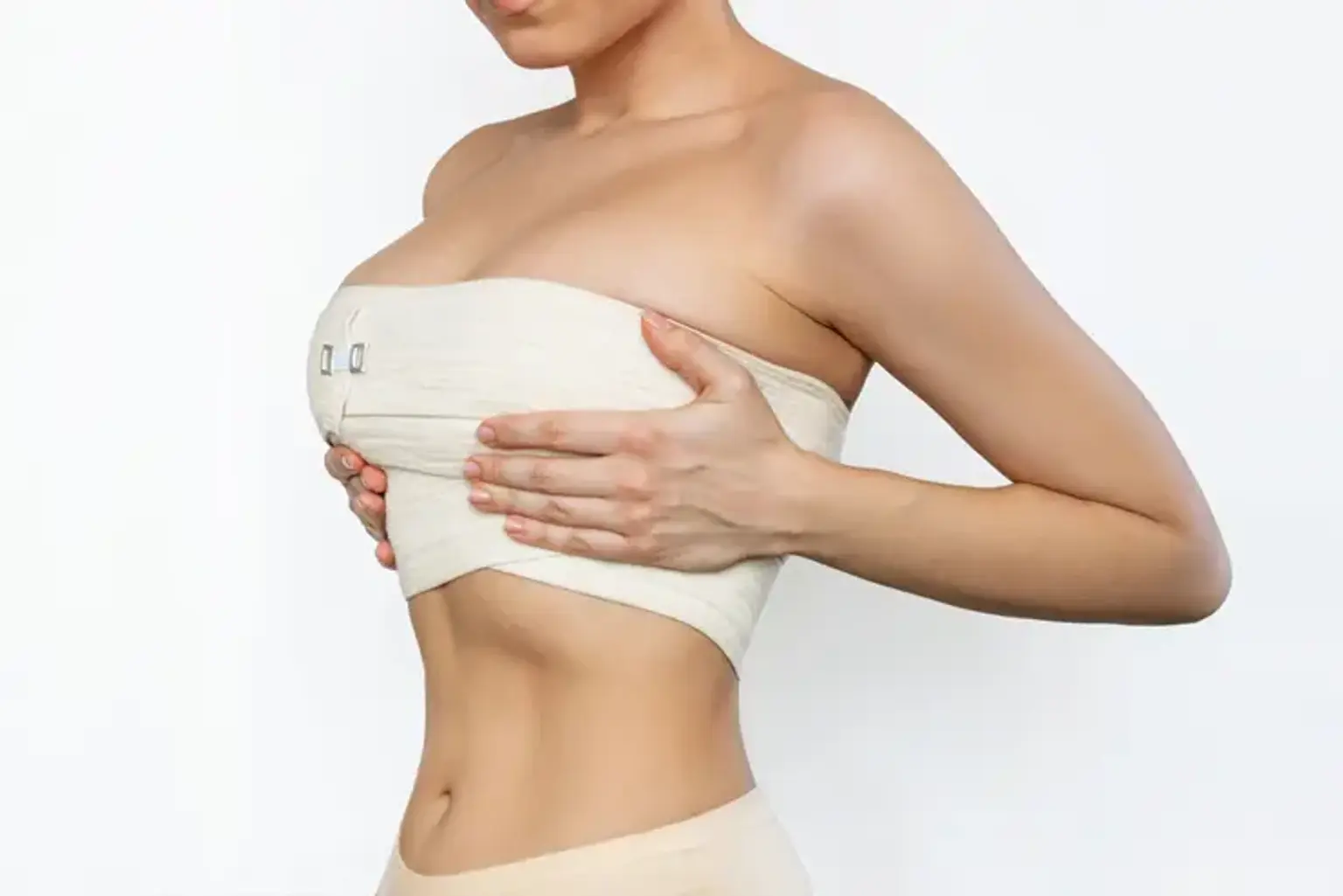
Why is Your Sleeping Position So Critical After Breast Augmentation?
why-is-your-sleeping-position-so-critical-after-breast-augmentationYour body performs the majority of its healing and cellular repair during sleep. After breast augmentation, the chest area is delicate, with newly placed implants settling into their pockets and incisions beginning to heal. Sleeping in the correct position is not merely for comfort; it is a medical necessity to protect your surgical results.
The primary goals of controlled sleeping positions are:
Minimizing Swelling and Bruising: Sleeping on an incline helps drain fluid away from the chest, reducing post-operative edema and discomfort.
Preventing Implant Malposition: The initial weeks are when the tissue capsule forms around the implant. Sleeping on your side or stomach can exert undue pressure, potentially causing the implant to shift, rotate, or settle incorrectly implant malposition.
Protecting Incisions: A stable, on the back position prevents tension or friction on your incision lines, which is vital for minimizing scarring and preventing wound separation dehiscence.
Reducing Risk of Complications: Proper positioning can lower the risk of post-surgical complications like seroma fluid collection or hematoma (blood collection).
The Only Safe Position: How Long Do I Have to Sleep on My Back?
the-only-safe-position:-how-long-do-i-have-to-sleep-on-my-backFor the first several weeks following your breast augmentation, you must sleep on your back in an elevated position. This is non-negotiable for a safe recovery.
The Golden Rule: The universally accepted standard is to sleep on your back for a minimum of 4 to 6 weeks post-surgery.
The Incline is Key: You should sleep at a 30- to 45-degree angle. This position uses gravity to your advantage, significantly reducing swelling and pressure on your chest. Most patients find a recliner or a supportive wedge pillow system in bed to be the most effective way to maintain this incline comfortably.
Your surgeon will provide a specific timeline based on your individual healing progress, the type and placement of your implants (submuscular vs. subglandular), and the surgical technique used. Always adhere to their personalized instructions.
The Recovery Timeline: Transitioning Sleeping Positions
the-recovery-timeline:-transitioning-sleeping-positionsUnderstanding the recovery timeline helps manage expectations and reinforces the importance of patience during the healing process.
Week 1: The Critical Phase
Position: Strictly on your back, elevated at a 30-45 degree angle.
What to Expect: This is when swelling and discomfort are at their peak. You will be wearing a [surgical bra] for support. Getting in and out of bed should be done carefully, using your core muscles rather than your arms to push yourself up.
Do not, under any circumstances, attempt to sleep on your side or stomach.
Weeks 2-4: Continued Healing
Position: Continue sleeping on your back. If swelling has significantly subsided and your surgeon approves, you may be able to reduce the incline slightly, but remaining on your back is still mandatory.
What to Expect: Bruising will fade, and pain should be minimal, managed with over the counter medication if needed. Your energy levels will start to return.
Weeks 4-6: The Transition Period Begins
Position: This is the earliest point at which your surgeon might clear you to begin sleeping on your side. Do not make this change without explicit permission.
How to Transition: When you are cleared for side sleeping, do so cautiously. Use pillows to support your back and place one between your knees for alignment. It's also helpful to place a soft pillow under your top breast to prevent it from folding over or putting pressure on the lower breast. Avoid putting direct, prolonged pressure on the implants.
Is It Ever Safe to Sleep on My Stomach After Breast Augmentation?
is-it-ever-safe-to-sleep-on-my-stomach-after-breast-augmentationStomach sleeping places direct, sustained pressure on the breast implants and chest. This can lead to significant problems.
Short-Term Risk: In the early weeks, it can cause severe pain, implant displacement, and damage to your incisions.
Long-Term Risk: Even after you are fully healed, many surgeons advise against stomach sleeping. Over years, this consistent pressure can potentially increase the risk of implant distortion or contribute to the stretching of the skin envelope. Some studies suggest it may be a contributing factor to late stage complications like capsular contracture, where the scar tissue around the implant hardens.
The Verdict: Most plastic surgeons recommend patients avoid stomach sleeping for at least 3-6 months, with many advising it be avoided indefinitely to best protect the longevity of the surgical results.
"The first week was tough, but creating my 'pillow fort' as my surgeon suggested made all the difference. Knowing I was secure and protecting my results gave me incredible peace of mind and let me focus on healing." – an anonymous patient, United States.
Recommended Clinics with Relevant Expertise in South Korea
recommended-clinics-with-relevant-expertise-in-south-koreaSouth Korea is renowned for its advanced plastic surgery centers staffed by highly experienced, board-certified specialists. The clinics below are noted for their expertise in a wide range of procedures, including breast surgery.
Website | Clinic Name | Best Known For | Address | Inquire Now |
|---|---|---|---|---|
Human Plastic Surgery | Facial Contouring and Body Sculpting | Gangnam-gu, Seoul, South Korea | ||
Dite Plastic Surgery | Rhinoplasty and Eye Surgery | Gangnam-gu, Seoul, South Korea | ||
TJ Plastic Surgery | Facial Contouring and Rhinoplasty | Gangnam-gu, Seoul, South Korea | ||
Hugo Plastic Surgery | Revision Rhinoplasty and Anti-Aging Surgery | Gangnam-gu, Seoul, South Korea | ||
SoonPlus Plastic Surgery | Breast Surgery and Body Contouring | Gangnam-gu, Seoul, South Korea | ||
Yujin Plastic Surgery & Stem Cell Research | Eye Surgery and Facial Lifting | Gangnam-gu, Seoul, South Korea | ||
JK Plastic Surgery Center | Rhinoplasty and Facial Fat Grafting | Gangnam-gu, Seoul, South Korea | ||
ID Hospital | Two-Jaw Surgery and Facial Contouring | Gangnam-gu, Seoul, South Korea | ||
Seojin Plastic Surgery Clinic | Comprehensive Anti-Aging and Dermatology | Gangnam-gu, Seoul, South Korea | ||
View plastic surgery | Comprehensive Plastic Surgery Center | Gangnam-gu, Seoul, South Korea | ||
THE PLUS Plastic Surgery | Maxillofacial and Facial Bone Surgery | Gangnam-gu, Seoul, South Korea |
Recommended Treatment/Procedure Names with Average Costs in South Korea
recommended-treatmentprocedure-names-with-average-costs-in-south-koreaThe following table provides an overview of common plastic surgery procedures available in South Korea, along with estimated costs and recovery details.
Treatment/Procedure Name | Duration | Hospitalization? | Avg. Cost(USD) in S. Korea | Contact |
|---|---|---|---|---|
Breast Augmentation | 1-2 hours | Needed (1 day) | $5,000 - $10,000 | |
Breast Surgery (General) | 1-3 hours | Varies by procedure | $4,000 - $12,000 | |
Liposuction (Abdominal) | 1-2 hours | Not Needed | $3,000 - $6,000 | |
Full Face Lifting | 3-5 hours | Needed (1-2 days) | $8,000 - $15,000 | |
SMAS Facelift | 2-4 hours | Needed (1 day) | $7,000 - $12,000 | |
Neck Lift | 1.5-3 hours | Needed (1 day) | $4,000 - $7,000 | |
Rhinoplasty | 1.5-3 hours | Needed (1 day) | $4,000 - $8,000 | |
Revision Rhinoplasty | 2-4 hours | Needed (1 day) | $5,000 - $10,000 | |
Double Eyelid Surgery | 30-60 mins | Not Needed | $1,500 - $3,000 | |
Hip Surgery (Hip-up) | 2-3 hours | Needed (1-2 days) | $8,000 - $15,000 | |
Face Contouring | 2-4 hours | Needed (1-2 days) | $6,000 - $12,000 | |
Chin Correction (Genioplasty) | 1-2 hours | Needed (1 day) | $3,500 - $6,000 | |
Thread Lifting | 30-60 mins | Not Needed | $2,000 - $5,000 |
Frequently Asked Questions About Recovery
frequently-asked-questions-about-recoveryThis section addresses the most common practical questions patients have about their day-to-day life during recovery.
1. What are the best pillows to use after breast augmentation surgery?
1.-what-are-the-best-pillows-to-use-after-breast-augmentation-surgeryA high-quality wedge pillow is the most recommended option. It provides stable, elevated support for your entire torso. Many patients create a nest with additional pillows: one under each arm to prevent rolling and one under the knees to relieve lower back pressure. Specialized U-shaped pregnancy pillows can also be very effective at preventing you from turning onto your side while you sleep.
2. How can I make back-sleeping more comfortable if I'm not used to it?
2.-how-can-i-make-back-sleeping-more-comfortable-if-i'm-not-used-to-itComfort is key to compliance. Beyond the pillow setup, take your pain medication as prescribed by your surgeon, especially before bed in the first week. Establish a relaxing bedtime routine to signal to your body that it's time to sleep. Ensure your room is dark, quiet, and cool. Some patients find listening to calming music or a podcast helps them drift off without focusing on their sleeping position.
3. When can I safely return to work?
3.-when-can-i-safely-return-to-workThis depends entirely on your job. For a desk job or sedentary work, most patients can return within 5-7 days. For jobs that require heavy lifting, strenuous arm movements, or physical exertion, you may need to wait 4-6 weeks or longer. Always discuss your specific job duties with your surgeon for a personalized recommendation.
4. Is it normal to feel emotional or have "post-op blues" during recovery?
4.-is-it-normal-to-feel-emotional-or-have-"post-op-blues"-during-recoveryYes, it is very normal. The combination of anesthesia leaving your system, physical discomfort, temporary limitations on your independence, and the anticipation of seeing your final results can create a rollercoaster of emotions. Be patient with yourself, rest as much as possible, and lean on your support system. These feelings almost always subside as you begin to heal and feel more like yourself.
5. What are the risks of sleeping in the wrong position?
5.-what-are-the-risks-of-sleeping-in-the-wrong-positionSleeping on your side or stomach too early is one of the biggest post-operative mistakes a patient can make. The primary risks are:
Implant Displacement: The implant can shift up, down, or to the side, leading to asymmetry.
Bottoming Out: The implant drops too low on the chest.
Symmastia (Bread Loafing): The implants merge in the middle of the chest.
Increased Swelling & Pain: Pressure from incorrect positions exacerbates these symptoms.
Wound Complications: Tension on incisions can lead to poor scarring or opening.
Correcting these issues often requires revision surgery.
Recover Smarter - Get Expert Tips for Safe, Restful Sleep After Surgery!
begin-your-transformation-with-confidence:-plan-your-breast-augmentation-todayAchieving your aesthetic goals is a partnership between you and your surgical team. By following post-operative instructions, especially for sleeping, you take an active and vital role in ensuring a beautiful, lasting outcome. If you are considering breast augmentation, taking the next step is simple and confidential. Connect with world-class specialists in South Korea who can provide a personalized plan tailored to your unique anatomy and goals. A dedicated Care Manager is ready to assist you, ensuring a seamless and transparent process from your initial questions to post-recovery support. And Start Your Confidential Inquiry with CloudHospital to receive a free, personalized treatment plan and embark on your journey with confidence.