

The clinical information regarding Arteriovenous Fistula creation and care in this article has been rigorously verified against the latest guidelines from the National Kidney Foundation (NKF) and primary research from databases like PubMed. This piece was reviewed for accuracy and patient-centric clarity and was last updated in October 2023.
Introduction
introduction
Facing the need for hemodialysis can be a challenging and uncertain time. Understanding your treatment options is the first step toward taking control of your health journey. For many patients with end stage renal disease (ESRD), the creation of an Arteriovenous (AV) Fistula is a critical procedure that makes life-saving dialysis possible and safer. This guide provides a detailed, step by step explanation of what an AV fistula is, how the procedure works, what to expect during recovery, and how to properly care for your new vascular access.
What is an AV Fistula and Why is it the Preferred Choice?
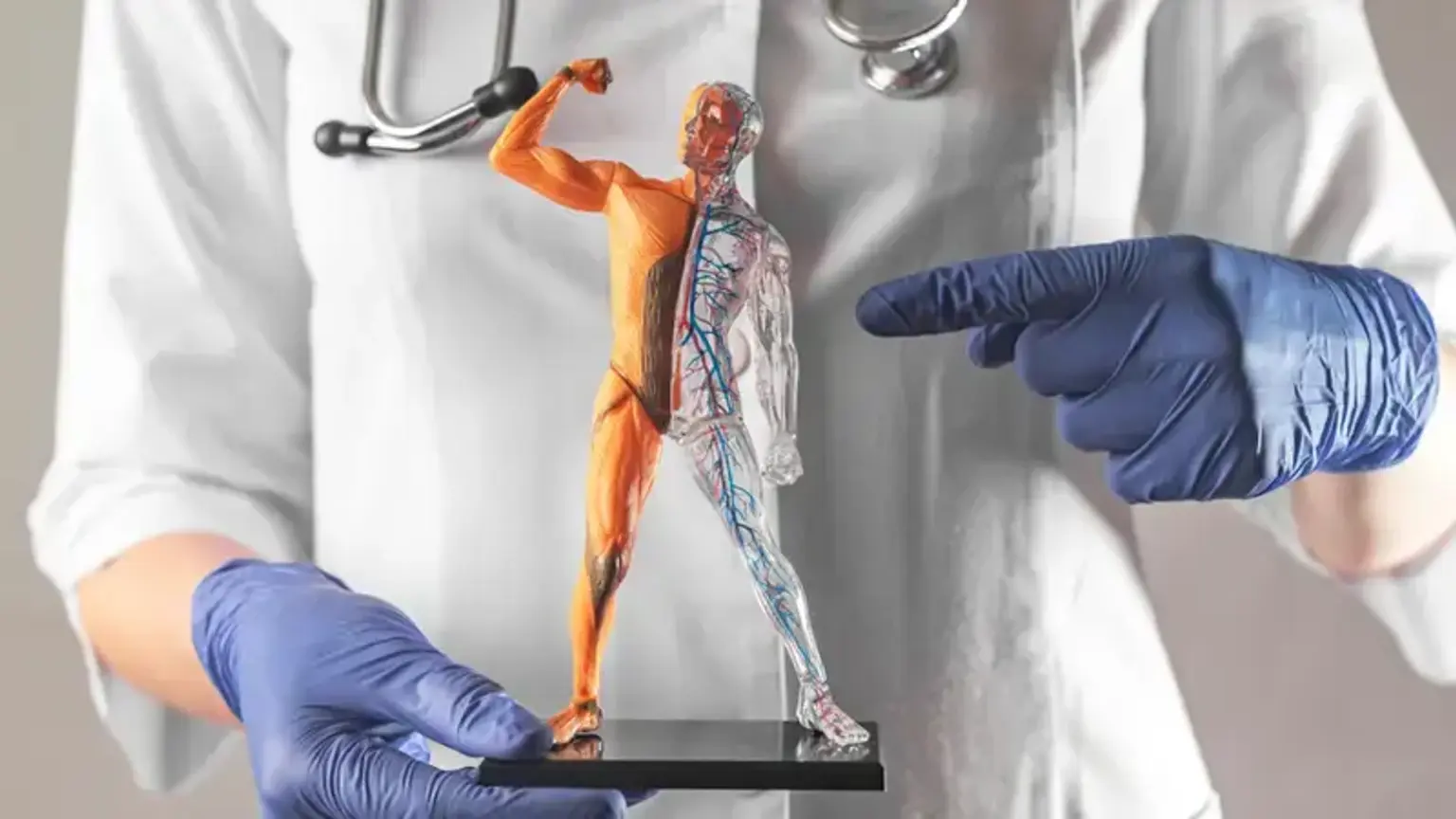
what-is-an-av-fistula-and-why-is-it-the-preferred-choiceAn Arteriovenous (AV) fistula is a surgically created connection between an artery and a vein, typically in your arm. This is considered the gold standard for hemodialysis access because it provides the most durable and reliable way to access your blood for cleaning. By connecting a high-flow artery directly to a vein, the fistula causes the vein to enlarge and thicken over time. This matured vein can then handle the repeated needle placements required for dialysis, providing high blood flow rates for an effective treatment.
Compared to other access types like AV grafts or central venous catheters, AV fistulas offer significant advantages:
Lower Risk of Infection: Because a fistula uses your own body's blood vessels, the risk of infection is much lower than with artificial grafts or external catheters.
Lower Risk of Clotting: Fistulas are less prone to developing blood clots thrombosis that can block the access.
Superior Performance: They allow for higher blood flow rates, leading to more efficient and effective dialysis treatments.
Long-Term Durability: A well cared for fistula can last for many years, even decades, providing a stable lifeline for your treatment.
How is an Arteriovenous Fistula Surgically Created?
how-is-an-arteriovenous-fistula-surgically-createdThe creation of an AV fistula is a specialized vascular surgery procedure, usually performed on an outpatient basis. Your surgeon will first perform a vessel mapping exam, using ultrasound to assess the health and size of the arteries and veins in your non-dominant arm to find the best location.
The Surgical Steps:
Anesthesia: The procedure is typically done under local anesthesia, numbing the area of your arm where the surgery will take place. Some patients may receive a nerve block or light sedation to ensure comfort.
Incision: The vascular surgeon makes a small incision on your arm, usually on the wrist a radiocephalic fistula or near the elbow a brachiocephalic fistula.
Vessel Connection: The surgeon carefully identifies the target artery and vein. The artery is then surgically connected directly to the side of the vein.
Closure: Once the connection, or anastomosis, is complete and blood flow is confirmed, the incision is closed with sutures.
The entire procedure typically takes about 1 to 2 hours. You will be able to return home the same day after a short observation period.
How Long Does it Take for an AV Fistula to Mature for Dialysis?
how-long-does-it-take-for-an-av-fistula-to-mature-for-dialysisAn AV fistula needs time to mature before it can be used for dialysis. This maturation process involves the vein growing larger and stronger in response to the increased arterial blood flow. A mature fistula feels like a soft, vibrating pulse under the skin, known as a thrill, and makes a whooshing sound, called a bruit, which can be heard with a stethoscope.
The maturation period varies from person to person but typically takes 8 to 12 weeks. In some cases, it can take up to 6 months. During this time, your nephrology team will monitor the fistula's development. You may be given specific arm exercises, like squeezing a soft ball, to encourage blood flow and help the fistula mature faster. It is crucial that the fistula is not used for dialysis until a clinician has confirmed it is fully ready.
"At first, the constant vibrating feeling in my arm was strange. My nurse called it the 'thrill' and told me it was the sound of my lifeline. Now, checking for it every morning is the first thing I do. It's a reassuring feeling." – Anonymous Patient, South Korea
What Are the Key Signs of a Problem with My AV Fistula?
what-are-the-key-signs-of-a-problem-with-my-av-fistulaProper monitoring is essential to keeping your fistula healthy. You should check your fistula every day for the presence of the bruit and thrill. Any change can be a sign of a problem.
Contact your doctor immediately if you notice any of the following:
Loss of Bruit or Thrill: If you can no longer hear the whooshing sound or feel the vibration, the fistula may have clotted. This is a medical emergency.
Signs of Infection: Redness, warmth, swelling, pain, or drainage from the fistula site or needle sites.
Changes in Pulse: A very weak pulse or a sudden, hammering, water hammer pulse can indicate a narrowing stenosis in the vessel.
Prolonged Bleeding: Bleeding that doesn't stop after more than 20 minutes of applying gentle pressure after a dialysis session.
Numbness or Coldness in Your Hand: This could indicate steal syndrome, where the fistula is diverting too much blood away from your hand.
Bulging or Aneurysms: Significant ballooning or weak spots along the vein.
How Do I Properly Care for My AV Fistula at Home?
how-do-i-properly-care-for-my-av-fistula-at-homeYour fistula is your lifeline, and protecting it is one of your most important jobs.
Follow these essential care steps:
Keep it Clean: Wash the skin over your fistula with antibacterial soap and water every day and before every dialysis treatment.
Check it Daily: Feel for the thrill and listen for the bruit every single day.
No Blood Pressure or Needles: Never allow anyone to take your blood pressure, draw blood, or start an IV in your fistula arm. Consider wearing a medical alert bracelet.
Avoid Constriction: Do not wear tight clothing, jewelry, or watches on your fistula arm. Avoid sleeping on it or carrying heavy bags that could put pressure on it.
Rotate Needle Sites: Ensure your dialysis technicians rotate the needle insertion sites for each treatment to prevent weak spots aneurysms from forming. This is known as the rope ladder technique.
Apply Gentle Pressure: After dialysis, apply only enough pressure to the needle sites to stop the bleeding. Pressing too hard can block blood flow.
Recommended Clinics with Relevant Expertise in South Korea
recommended-clinics-with-relevant-expertise-in-south-koreaSouth Korea is home to world-class medical institutions with specialized nephrology and vascular surgery departments capable of performing AV fistula creation and providing comprehensive kidney care.
Website | Clinic Name | Best Known For | Address | Contact |
|---|---|---|---|---|
Ddm Nephrology | Specialized Nephrology and Dialysis Center | Seoul, South Korea | ||
Hyesung Internal Medicine Clinic | Comprehensive Internal Medicine including Kidney Care | Seoul, South Korea | ||
EL Hospital | General Hospital with Internal Medicine Department | Gyeonggi-do, South Korea | ||
Bumin Hospital Group | Major Comprehensive Hospital with a Nephrology Center | Busan, South Korea | ||
Incheon Sejong Hospital | Advanced Specialty Hospital with Internal Medicine | Incheon, South Korea | ||
Daejeon Sun Hospital | University-level General Hospital | Daejeon, South Korea | ||
Wonkwang University Hospital | University Hospital with a strong Nephrology Department | Jeonbuk, South Korea | ||
Yeungnam University Medical Center | Leading University Medical Center with Kidney Transplant Services | Daegu, South Korea |
Associated Kidney Disease Treatments & Costs in South Korea
associated-kidney-disease-treatments-and-costs-in-south-koreaManaging kidney disease involves more than just dialysis access. Here are some associated procedures and their estimated costs in South Korea.
Treatment/Procedure Name | Duration | Hospitalization? | Avg. Cost (USD) in S. Korea | Contact |
|---|---|---|---|---|
Professional Nephrology Consultation & Monitoring | 30-60 mins | Not Needed | $150 - $400 | |
Kidney Biopsy | 30-60 mins | Needed (1 -2days) | $1,500 - $3,500 | |
Dialysis (Hemodialysis, per session) | 3-5 hours | Not Needed | $300 - $600 | |
Dialysis (Peritoneal, monthly supplies) | 1-2 hours | Not Needed | $2,000 - $4,000 | |
ACE Inhibitors/ARBs (Prescription Plan) | 1-2 hours | Not Needed | $400 - $900 | |
GLP-1 / SGLT2 Inhibitors (for eligible patients) | 2-3 hours | Not Needed | $800 - $2,000 | |
Renal Autologous Cell Therapy | 1-2 hours | Needed (1-3 days) | $15,000 - $30,000 | |
Stem Cell Therapy for Kidney Failure | 1-2 hours | Needed (1-3 days) | $18,000 - $35,000 | |
Kidney Transplant | 3-5 hours | Needed (5-14 days) | $35,000 - $65,000 |
Frequently Asked Questions About AV Fistulas
frequently-asked-questions-about-av-fistulasThis section addresses common follow-up questions patients have about their vascular access.
1. What are the alternatives to an AV fistula for dialysis access?
1.-what-are-the-alternatives-to-an-av-fistula-for-dialysis-accessThe two main alternatives are an Arteriovenous (AV) Graft and a Central Venous Catheter CVC. An AV graft is a synthetic tube surgically placed under the skin to connect an artery and a vein. It matures faster than a fistula 2-3 weeks but has higher rates of clotting and infection. A CVC is a tube inserted into a large vein in the neck, chest, or groin. It can be used immediately but has the highest risk of infection and can damage blood vessels over time, making it a temporary solution for most patients.
2. Is AV fistula surgery painful?
2.-is-av-fistula-surgery-painfulYou will not feel pain during the surgery due to local anesthesia or sedation. After the procedure, you can expect some mild to moderate pain, swelling, and bruising in your arm for several days. This is typically well-managed with prescribed pain medication and by keeping your arm elevated.
3. What are the potential risks and complications of AV fistula surgery?
3.-what-are-the-potential-risks-and-complications-of-av-fistula-surgeryWhile AV fistulas are very safe, potential risks include infection at the incision site, bleeding, fistula failure to mature, stenosis narrowing, thrombosis clotting, and, rarely, steal syndrome, where blood flow to the hand is reduced. Your surgical and nephrology teams will monitor you closely to manage these risks. The success rate for a fistula maturing and being used successfully for over a year is high, often cited as over 85-90%.
4. Can I still use my arm normally after getting a fistula?
4.-can-i-still-use-my-arm-normally-after-getting-a-fistulaYes, once your fistula has healed and matured, you should be able to use your arm for most normal daily activities. However, you must always follow the precautions to protect it avoid heavy lifting with that arm e.g., more than 10-15 lbs or 5-7 kg, avoid putting pressure on it, and prevent any injuries, cuts, or scrapes to the fistula arm.
5. What if my fistula stops working?
5.-what-if-my-fistula-stops-workingIf your fistula clots thrombosis or narrows stenosis, it may be possible to save it with a procedure like an angioplasty using a balloon to open the vessel or thrombectomy clot removal. If it cannot be salvaged, your surgeon will need to create a new access, possibly in another location on the same arm or on the other arm. This is why protecting your fistula is so critical.
Your Lifeline to Better Health: Inquire About Your AV Fistula Options Today!
your-lifeline-to-better-health:-inquire-about-your-av-fistula-optionsTaking the step to establish a reliable dialysis access is a proactive and powerful move toward managing your kidney health. The right vascular access can significantly improve the effectiveness of your treatments and your overall quality of life. We are here to help you navigate this process with clarity and confidence. For a seamless, transparent experience, our dedicated Care Managers provide end to end support, from your initial inquiry to post-recovery care. Inquire about AV fistula surgery at South Korea's leading medical centers and let us help you coordinate your care. And Start Your Confidential Inquiry with CloudHospital.