

The clinical information regarding the Best Hospitals in Seoul for Eye Rejuvenation Packages in this article has been rigorously verified against the latest standards from the Korean Ophthalmological Society (KOS) and primary research from databases like PubMed. This piece was reviewed for accuracy and patient-centric clarity and was last updated in October 2023.
Introduction
introductionThe single most critical factor in the success of any eye procedure from vision correction to advanced aesthetic treatments is the expertise of your chosen ophthalmologist and the quality of the facility. South Korea, particularly Seoul, is a global hub for medical excellence in ophthalmology. This guide provides a clear, step by step framework for researching, vetting, and choosing the right specialist and hospital for your eye rejuvenation with complete confidence.
Key Qualities of a Top-Tier Ophthalmology Clinic
key-qualities-of-a-top-tier-ophthalmology-clinic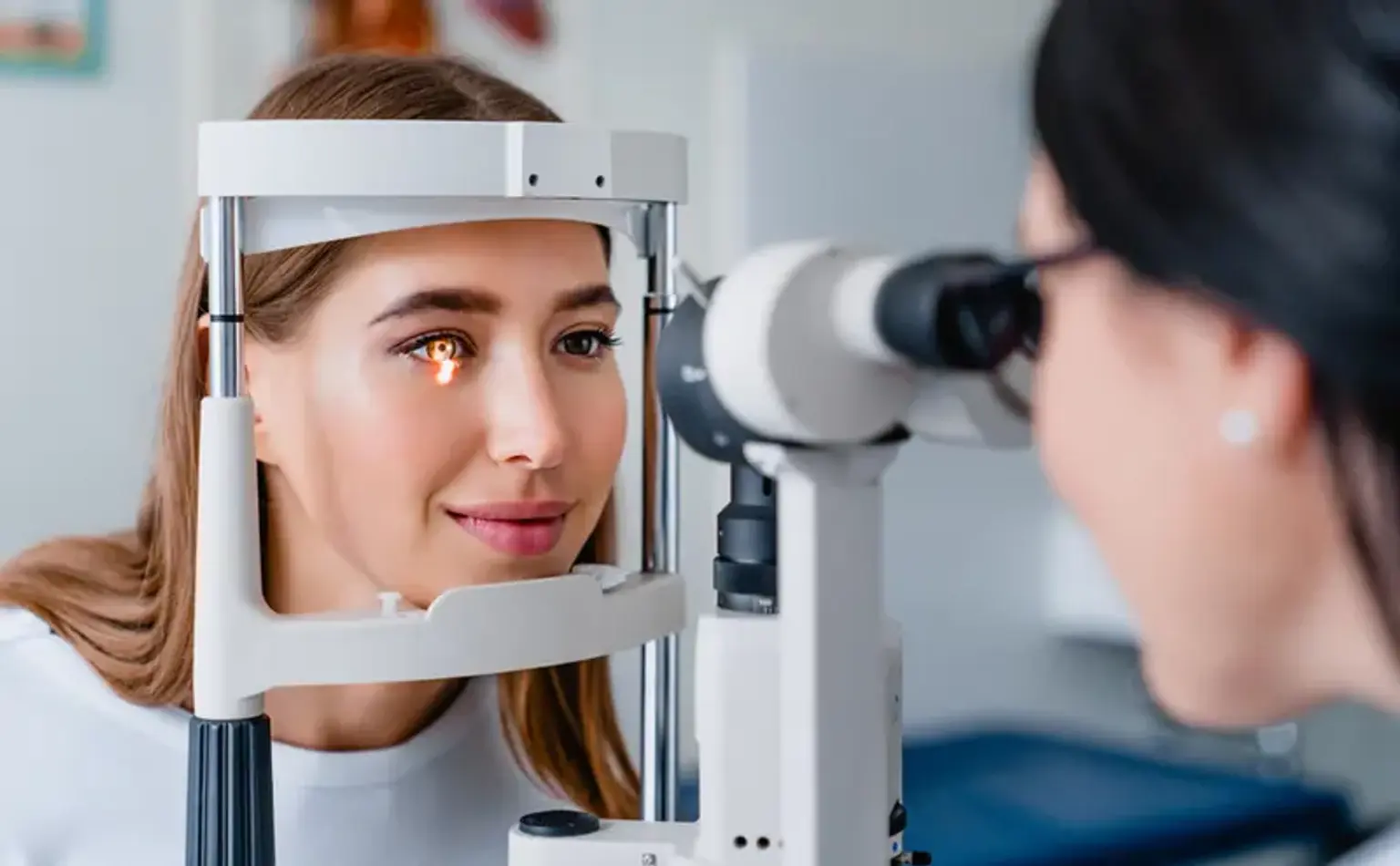
Your search should begin by evaluating potential clinics against a set of non-negotiable criteria. A premier clinic does not compete on price alone; it competes on outcomes, safety, and patient experience.
Board Certification: The ophthalmologist must be board certified by a recognized national body, such as the Korean Board of Ophthalmology. This certification is a baseline indicator of standardized training, rigorous examination, and commitment to ongoing education.
Specialization and High Volume: A surgeon who performs hundreds of SMILE Eye Surgery procedures a year will have more refined skills for that specific operation than a generalist. Look for a clinic or a specific doctor whose practice is heavily focused on your desired procedure, whether it's Presbyopia Correction or complex Vitreoretinal Surgery. High volume often correlates with higher proficiency and lower complication rates.
Verifiable Patient Outcomes: Reputable clinics are proud of their results. They should readily provide access to anonymized patient testimonials and, where appropriate, before and after results. This demonstrates a track record of success and patient satisfaction.
Advanced Diagnostic and Surgical Technology: Leading clinics invest in the latest technology. For vision correction, this means advanced corneal topographers, femtosecond lasers, and precise diagnostic suites. For conditions like Glaucoma Treatment, it means state of the art imaging and pressure monitoring devices. Technology enhances safety and precision.
Affiliation with a University or Major Hospital: While not mandatory for all procedures, clinics affiliated with larger medical centers like many on our list often handle more complex cases and have robust protocols for patient safety and managing complications.
How to Systematically Research Your Potential Providers
how-to-systematically-research-your-potential-providersWith your criteria established, you can begin the research phase. A structured approach prevents overwhelm and leads to a more informed decision.
Check Professional Organizations: The Korean Ophthalmological Society (KOS) and other international bodies are excellent starting points for identifying qualified members.
Analyze Online Reviews with a Critical Eye: Look for patterns. A single negative review may be an outlier, but multiple reviews mentioning poor communication, rushed consultations, or issues with post-operative care are significant red flags. Pay close attention to reviews from other international patients, as they often comment on the clinic's communication and support systems.
Review Their Website and English-Language Support: A professional, informative website with clear details about their specialists, technology, and procedures is a good sign. Critically, evaluate their system for international patients. Do they have dedicated coordinators? Is communication clear and prompt? This is a proxy for how you will be treated throughout your medical journey.
Crucial Questions to Ask During Your Consultation
crucial-questions-to-ask-during-your-consultationThe consultation is your opportunity to interview the surgeon and their team. Do not be hesitant to ask direct and detailed questions. This is a critical step in assessing their expertise and whether their approach aligns with your needs.
How many procedures exactly like mine have you performed in the last year?
Based on my diagnostic tests, why am I a better candidate for LASIK versus SMILE Eye Surgery?
Who administers and monitors anesthesia or sedation during the procedure?
What is your specific protocol if a complication arises during or after the surgery?
Can I see before and after results for patients who had a similar prescription or age profile to mine?
What does the post-operative care plan include, and who is my point of contact for questions?
Understanding Facility Accreditation and Technology
understanding-facility-accreditation-and-technologyThe quality of the surgical environment is paramount. Ask if the clinic's operating rooms are accredited by a recognized body, such as the Korean Ministry of Health and Welfare. This ensures they meet stringent standards for safety, sterility, and emergency preparedness. Modern technology, from the diagnostic equipment used to map your eyes to the specific laser platform for a procedure, directly impacts the precision and safety of your outcome. A top clinic will be transparent about the technology they use and why it's superior.
Red Flags to Watch Out For
red-flags-to-watch-out-forEqually important is knowing what to avoid. Be prepared to walk away if you encounter any of these warning signs:
High pressure sales tactics or time limited discounts that rush your decision.
Lack of transparency about the total cost, including pre-operative tests and post-operative check-ups.
Vague answers to your specific questions about risks, complications, or surgeon experience.
Over-promising unrealistic results that sound too good to be true.
A significant number of negative reviews mentioning safety concerns, infection, or poor post-operative care.
"The research felt overwhelming at first, but following a structured checklist gave me so much confidence. When I finally met my surgeon in Seoul, I knew I had made the right choice. That peace of mind was priceless." – An anonymous patient, Australia.
Recommended Clinics for Expert Consultations in South Korea
recommended-clinics-for-expert-consultations-in-south-koreaThe following list includes leading private clinics and major university hospitals in South Korea known for their excellence in ophthalmology.
Website | Clinic Name | Best Known For | Address | Contact |
|---|---|---|---|---|
SNU Eye Clinic | Comprehensive care for complex eye diseases, academic-level expertise. | Gangnam-gu, Seoul, South Korea | ||
Gangnam Joeunnun Vision Clinic | High-volume refractive surgery including LASIK, LASEK, and ICL. | Gangnam-gu, Seoul, South korea | ||
Jryn Eye Clinic | Specialized in presbyopia correction and premium cataract surgery. | Busanjin-gu, Busan, South Korea | ||
Global Ubal Eye Center | Vision correction for international patients, SMILE and LASIK. | Jung-gu, Incheon, South Korea | ||
Cha University Bundang Medical Center | Full-spectrum ophthalmology in a large, modern university hospital. | Seongnam-si, Gyeonggi-do, South Korea | ||
Chosun University Hospital | Treatment for a wide range of eye diseases including retinal and corneal issues. | Buk-gu, Gwangju, South Korea | ||
Kangdong Sacred Heart Hospital | General and specialized ophthalmological care, including glaucoma and pediatric eye care. | Gangdong-gu, Seoul, South Korea | ||
Samyook Busan Adventist Hospital | Comprehensive eye care services serving the Busan metropolitan area. | Busanjin-gu, Busan, South Korea |
Relevant Procedures and Average Costs in South Korea
relevant-procedures-and-average-costs-in-south-koreaThis table provides estimated costs for common eye rejuvenation and vision correction procedures in South Korea. Prices are indicative and can vary based on the clinic's reputation, the surgeon's experience, and the specific technology used.
Treatment/Procedure Name | Duration | Hospitalization? | Avg. Cost (USD) in S. Korea | Contact |
|---|---|---|---|---|
SMILE Eye Surgery | 15 minutes | Not Needed | $4,000 - $5,500 | |
Implantable Collamer Lens (ICL) | 20-30 min | Not Needed | $4,500 - $6,500 | |
Premium Cataract Surgery (IOL) | 20-30 min | Not Needed | $3,500 - $6,000 | |
Presbyopia Correction (Lens Exchange) | 20 min | Not Needed | $4,000 - $7,000 | |
Advanced Dry Eye Treatment (IPL) | 15 min | Not Needed | $300 - $600 | |
LASIK Vision Correction | 15 minutes | Not Needed | $3,000 - $4,500 | |
Vitreoretinal Surgery | 1 - 3 hours | Not Needed | $7,000 - $15,000 |
What Else Should I Consider When Choosing a Doctor?
what-else-should-i-consider-when-choosing-a-doctorFinalizing your decision involves weighing several practical and personal factors to ensure a smooth and successful medical journey.
1. What is the difference between board-certified and board-eligible?
1.-what-is-the-difference-between-board-certified-and-board-eligibleBoard certified means an ophthalmologist has completed their residency training and passed a rigorous two part examination administered by a recognized medical specialty board, demonstrating a high level of knowledge and skill. Board eligible means the doctor has completed their residency but has not yet passed the board certification exams. Choosing a board certified surgeon provides an extra layer of assurance about their qualifications.
2. Is it necessary to get a second opinion?
2.-is-it-necessary-to-get-a-second-opinionYes, it is always wise and acceptable to seek a second opinion, especially for a significant procedure. A second consultation can confirm the initial diagnosis and recommended treatment plan or offer an alternative perspective. It can increase your confidence in your chosen path or raise important questions you hadn't considered. Reputable surgeons will support your decision to get a second opinion.
3. How important are online patient reviews?
3.-how-important-are-online-patient-reviewsOnline reviews can be a useful tool but should be interpreted with caution. Look for patterns in reviews rather than focusing on a single glowing or negative comment. Consistent feedback about a surgeon's communication style, the clinic's organization, or post-operative support can be very insightful. However, remember that clinical outcomes are highly individual, and reviews do not replace the need to vet a surgeon's official credentials and experience.
4. How much does surgeon experience really matter for common procedures?
4.-how-much-does-surgeon-experience-really-matter-for-common-proceduresSurgeon experience is critically important, even for common procedures like LASIK. A high volume surgeon has encountered a wider variety of eye shapes, corneal thicknesses, and potential intraoperative challenges. This experience allows them to make nuanced adjustments during the procedure and expertly manage any unexpected issues, which can significantly impact the quality of the final visual outcome and reduce the risk of complications.
5. What role does the support staff play?
5.-what-role-does-the-support-staff-playThe quality of the clinic's support staff from the initial coordinators to the technicians and post-operative care nurses is a key indicator of a well run practice. An efficient, professional, and compassionate team ensures a seamless patient experience. They are responsible for accurate pre-operative testing, clear communication, and attentive follow-up, all of which are vital for a safe and comfortable journey.
Begin Your Journey to Clearer Vision Path
begin-your-journey-to-clearer-vision-pathChoosing the right eye procedure starts with the right support. With CloudHospital you’re not alone you'll be matched with a dedicated Care Team that walks you through every step, from selecting a top clinic to organizing post-procedure care. Skip the guesswork and access trusted, vetted providers worldwide.Start your confidential inquiry through CloudHospital and get a free personalized treatment plan built around your vision goals.