

The clinical information regarding the Best Hospitals for Vision Correction in Seoul in this article has been rigorously verified against the latest guidelines from the Korean Ophthalmological Society (KOS) and primary research from databases like PubMed. This piece was reviewed for accuracy and patient-centric clarity and was last updated in October 2023.
Introduction
introductionChoosing to undergo vision correction surgery is a significant decision. The single most important factor for a successful outcome is not the procedure name but the skill, experience, and diagnostic precision of your surgeon and their team. South Korea, particularly Seoul, is a global leader in ophthalmology, offering some of the world's most advanced technology and experienced specialists. This guide provides a clear, step by step framework for researching, vetting, and choosing the right vision correction specialist and facility in Seoul with absolute confidence.
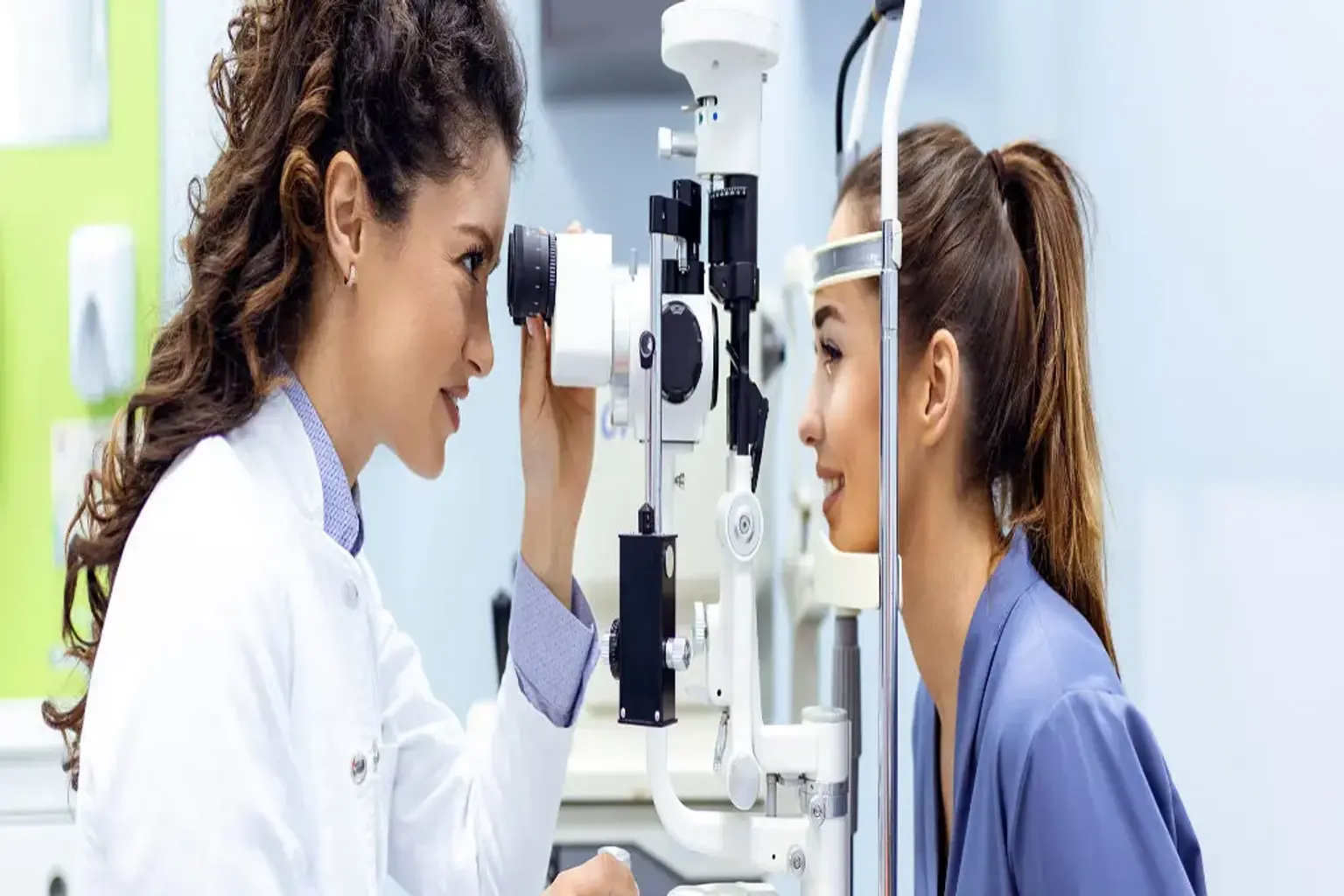
What Qualities Define a Top-Tier Vision Correction Surgeon?
what-qualities-define-a-top-tier-vision-correction-surgeonA top tier vision correction surgeon is defined by their extensive experience, subspecialty focus, and commitment to personalized patient care. Look for a doctor who has performed thousands of successful procedures, specifically in the area you need, such as refractive surgery or premium cataract surgery. They should prioritize a comprehensive diagnostic process using advanced equipment like wavefront analyzers and corneal topographers to determine the ideal treatment for your unique eye structure, rather than promoting a single type of surgery for everyone.
How Can I Effectively Research Potential Clinics in Seoul?
how-can-i-effectively-research-potential-clinics-in-seoulYou can effectively research clinics by verifying surgeon credentials, assessing the technology they use, and evaluating their patient care process. Begin by confirming the surgeon's board certification and their affiliation with respected institutions like the Korean Ophthalmological Society. Investigate the clinic's website to see if they utilize the latest generation lasers, such as advanced femtosecond and excimer lasers. Finally, look for evidence of a thorough, multi-step pre-operative evaluation and a clear post-operative care plan, which are hallmarks of a high quality, patient focused clinic.
What Key Questions Must I Ask During a Consultation?
what-key-questions-must-i-ask-during-a-consultationDuring a consultation, you must ask specific questions about your candidacy, the recommended procedure, the technology used, and the surgeon's experience. This is a critical step to ensure you are a fully informed partner in your own care.
Essential questions include:
Based on my corneal thickness, prescription, and lifestyle, which specific procedure do you recommend and why?
How many procedures of this exact type do you perform each month?
What specific laser platform or IOL brand will be used for my surgery?
What are the potential risks and complications specific to my eyes, and how do you manage them?
Can you walk me through the entire process, from arrival on surgery day to my final follow up appointment?
Who handles the post-operative care, and how can I reach them if I have concerns after hours?
Why Do Advanced Technology and Facility Accreditation Matter?
why-do-advanced-technology-and-facility-accreditation-matterAdvanced technology and facility accreditation directly impact the safety, precision, and potential outcomes of your surgery. Modern diagnostic tools provide a highly detailed map of your eye, enabling surgeons to create a customized treatment plan that can correct subtle vision errors beyond standard myopia or astigmatism. The latest laser systems offer greater precision, faster treatment times, and potentially quicker recovery. Accreditation from recognized bodies ensures the clinic adheres to strict standards for safety, hygiene, and operational quality, providing a crucial layer of patient protection.
What are the Red Flags to Watch For When Choosing a Clinic?
what-are-the-red-flags-to-watch-for-when-choosing-a-clinicRed flags to watch for include high pressure sales tactics, a lack of personalized assessment, and vague answers to specific questions. Be cautious of clinics that offer universally low prices that seem too good to be true, as this may indicate the use of older technology or a rushed, one size fits all approach. A reputable clinic will never pressure you into a quick decision. They will encourage you to take your time and will provide transparent information about costs, risks, and realistic outcomes. Any hesitation to discuss a surgeon's specific experience or complication rates is a significant warning sign.
"The consultation was the deciding factor. The doctor spent nearly an hour explaining my corneal topography results and why SMILE was a better option for me than LASIK. That level of detail and personalization gave me complete confidence in my choice." – an anonymous patient, United States.
Recommended Clinics with Relevant Expertise in South Korea
recommended-clinics-with-relevant-expertise-in-south-koreaBelow is a list of highly regarded clinics and hospitals in South Korea known for their expertise in a wide range of vision correction and ophthalmological procedures.
Website | Clinic Name | Best Known For | Address | Contact |
|---|---|---|---|---|
SNU Eye Clinic | Comprehensive care for complex cases, university hospital expertise | Gangnam-gu, Seoul, South Korea | ||
Gangnam Joeunnun Vision Clinic | High volume LASIK, LASEK, and SMILE procedures | Gangnam-gu, Seoul, South korea | ||
Jryn Eye Clinic | Premium ICL, SMILE, and advanced presbyopia correction | Busanjin-gu, Busan, South Korea | ||
Global Ubal Eye Center | All laser cataract surgery and comprehensive refractive procedures | Jung-gu, Incheon, South Korea | ||
Cha University Bundang Medical Center | University level treatment for retinal diseases and complex surgeries | Seongnam-si, Gyeonggi-do, South Korea | ||
Chosun University Hospital | Full-spectrum ophthalmology department, including pediatric eye care | Buk-gu, Gwangju, South Korea | ||
Kangdong Sacred Heart Hospital | University affiliated hospital with expertise in glaucoma and vitreoretinal surgery | Gangdong-gu, Seoul, South Korea | ||
Samyook Busan Adventist Hospital | General ophthalmology services including cataract and glaucoma treatment | Busanjin-gu, Busan, South Korea |
Recommended Treatment/Procedure Names with Average Costs in South Korea
recommended-treatmentprocedure-names-with-average-costs-in-south-koreaVision correction in South Korea is known for its blend of high quality care and competitive pricing. Costs can vary based on the specific technology used, the surgeon's experience, and the clinic's location.
Treatment/Procedure Name | Duration | Hospitalization? | Avg. Cost (USD) in S. Korea | Contact |
|---|---|---|---|---|
LASIK | 15-20 mins | Not Needed | $1,800 - $2,800 | |
SMILE Eye Surgery | 15-20 mins | Not Needed | $2,200 - $3,500 | |
LASEK | 15-20 mins | Not Needed | $1,500 - $2,500 | |
Cataract Surgery | 20-30 mins | Not Needed | $2,000 - $3,500 | |
Premium Cataract Surgery with IOLs | 20-30 mins | Not Needed | $3,500 - $7,000 | |
Implantable Collamer Lens (ICL) | 20-30 mins | Not Needed | $4,000 - $6,000 | |
Presbyopia Correction | 15-30 mins | Not Needed | $2,500 - $5,000 | |
Astigmatism Refractive Surgery | 15-20 mins | Not Needed | $1,800 - $3,000 | |
Dry Eye Treatment | 15-60 mins | Not Needed | $100 - $500 | |
Glaucoma Treatment | 30 mins to 1 hr | Not Needed | $1,000 – $3,500 | |
Vitreoretinal Surgery | 1-3 hours | Needed (1 day) | $5,000 - $15,000 | |
Treatment for Keratoconus | 30-60 mins | Not Needed | $1,500 - $4,000 | |
Corneal Transplantation Surgery | 1-2 hours | Needed (1-2 days) | $8,000 - $20,000 |
Final Considerations for Choosing Your Surgeon
final-considerations-for-choosing-your-surgeonMaking the final decision involves synthesizing all your research into a choice that feels right for you. Trust your intuition, but base it on the factual evidence you have gathered.
1. What is the difference between LASIK, LASEK, and SMILE?
1.-what-is-the-difference-between-lasik-lasek-and-smileThe main difference is how the cornea is accessed and reshaped. LASIK creates a thin flap in the cornea. LASEK works on the surface of the cornea without creating a deep flap, which can be better for thin corneas but involves a longer recovery. SMILE is the least invasive, using a laser to create a small lens shaped piece of tissue within the cornea, which is then removed through a tiny incision.
2. Am I a good candidate for vision correction surgery?
2.-am-i-a-good-candidate-for-vision-correction-surgeryA good candidate is typically over 18, has had a stable glasses prescription for at least one year, and has healthy eyes free from conditions like severe dry eye syndrome, uncontrolled glaucoma, or significant corneal abnormalities. A comprehensive eye exam is the only way to determine true candidacy.
3. Is it okay to get a second opinion?
3.-is-it-okay-to-get-a-second-opinionYes, getting a second opinion is not only okay but often recommended, especially if you have a complex prescription or feel uncertain after your first consultation. A confident and ethical surgeon will support your decision to seek another expert's view.
4. How important are online patient reviews?
4.-how-important-are-online-patient-reviewsOnline reviews can be a useful tool for gauging patient experience with a clinic's customer service, wait times, and staff friendliness. However, they should not be the primary basis for your decision. Prioritize clinical qualifications, surgeon experience, and technological capabilities over subjective reviews, which can sometimes be misleading.
5. What is the typical recovery process after refractive surgery?
5.-what-is-the-typical-recovery-process-after-refractive-surgeryRecovery varies by procedure. With SMILE and LASIK, many patients experience a dramatic improvement in vision within 24-48 hours, with minor fluctuations for a few weeks. With LASEK, the initial recovery is slower, often taking 5-7 days for functional vision to return and several weeks for it to stabilize completely. All procedures require the use of medicated eye drops and avoiding strenuous activity for a period of time.
See a Clearer Future: Begin Your Vision Correction Journey Now!
see-a-clearer-future:-begin-your-vision-correction-journeyYour path to visual freedom begins with a confident, informed decision. Seoul is home to world-class specialists who offer advanced technologies and personalized care to help you achieve your best possible vision. With the right guidance, you can choose a provider who prioritizes both your safety and long-term results. Inquire through CloudHospital for a seamless and transparent experience. A dedicated Care Manager will support you every step of the way from scheduling consultations at leading clinics to assisting with travel plans and post-recovery care. And Start Your Confidential Inquiry today to receive a free, personalized treatment plan and take your first step toward life without glasses.