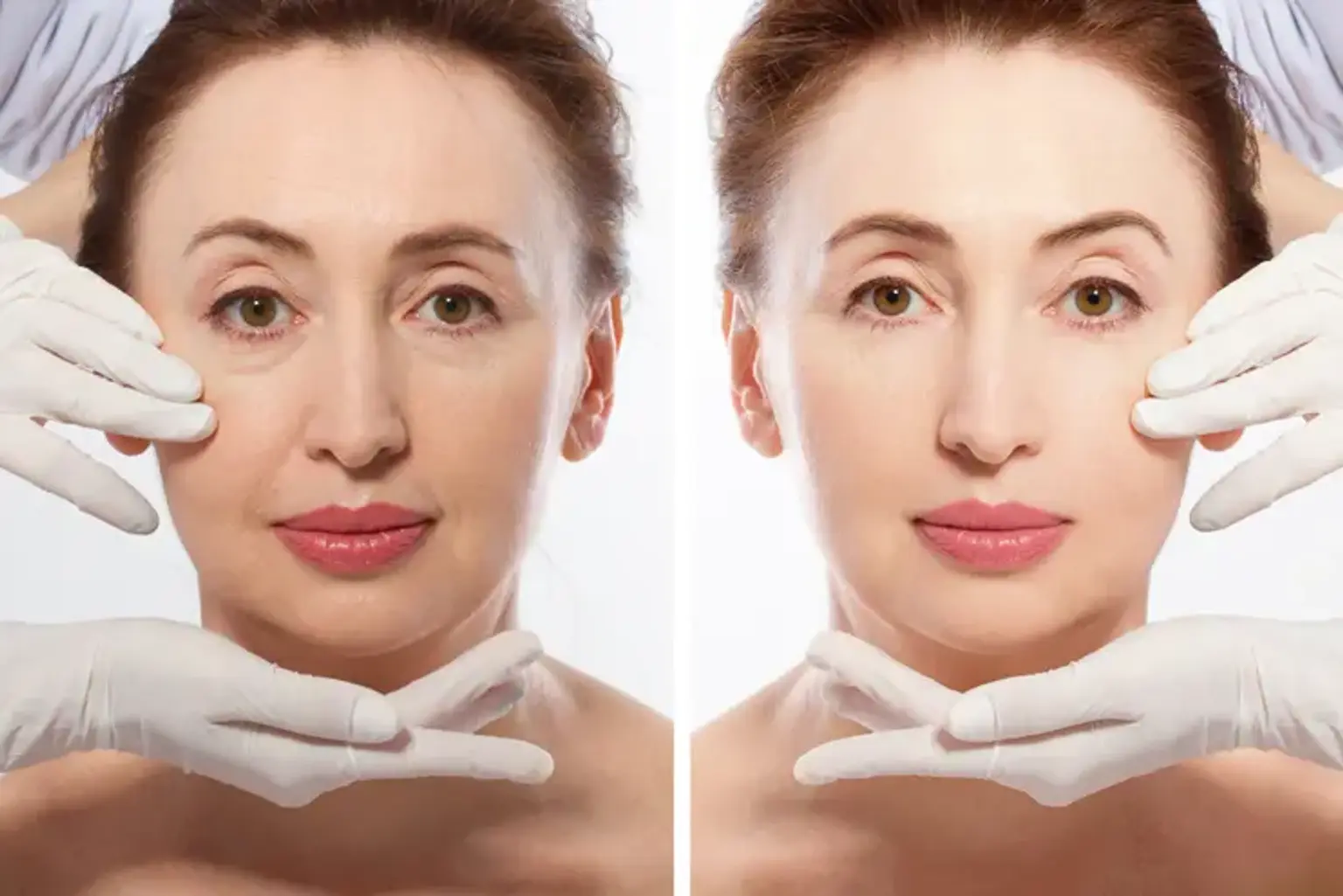

The clinical information regarding Top-Rated Recovery Retreats for Plastic Surgery Patients in Korea in this article has been rigorously verified against the latest patient safety guidelines from the Korean Society of Plastic and Reconstructive Surgeons (KSPRS) and primary research from databases like PubMed. This piece was reviewed for accuracy and patient-centric clarity and was last updated in October 2023.
Introduction
introductionThe single most important decision for a successful plastic surgery outcome is choosing a skilled, experienced surgeon. The second most critical factor is ensuring a safe, supportive, and specialized environment for your recovery. South Korea, a global leader in aesthetic surgery, has developed a unique ecosystem of post-operative recovery retreats designed to meet this need. This guide provides a clear, methodical framework for researching, vetting, and choosing the right facility to ensure your healing process is as smooth and effective as your procedure.

What Qualities Define a Top-Tier Plastic Surgery Recovery Retreat?
what-qualities-define-a-top-tier-plastic-surgery-recovery-retreatA top-tier plastic surgery recovery retreat is defined by its comprehensive suite of specialized services and the qualifications of its on-site staff. Unlike a standard hotel, these facilities are purpose built for post-operative care, integrating medical support with comfort and convenience.
Core Services to Expect:
24/7 On-Site Nursing Staff: Access to registered nurses or trained medical caregivers around the clock for pain management, wound care checks, and immediate assistance.
Specialized Post-Op Meals: Professionally planned meals designed to aid recovery, often including low-sodium, anti-inflammatory options like pumpkin porridge to help reduce swelling.
De-Swelling and Healing Therapies: In-house treatments such as lymphatic drainage massage, infrared light therapy, or oxygen therapy to accelerate healing and minimize bruising.
Transportation Services: Coordinated transport between the airport, clinic, and the recovery facility is a standard offering, removing a significant logistical stressor for international patients.
Medication Management: Staff assist with reminding and administering prescribed medications on the correct schedule.
Concierge Services: Assistance with tasks like pharmacy runs, translation, and scheduling follow-up appointments with your surgeon.
Essential Staff Qualifications:
The staff's expertise is paramount. Look for facilities where the primary caregivers are registered nurses (RNs) or certified nursing assistants with specific experience in post-surgical care. They should be proficient in recognizing signs of complications, managing post-operative symptoms, and communicating effectively with your surgical clinic.
How Can I Effectively Research Potential Recovery Facilities?
how-can-i-effectively-research-potential-recovery-facilitiesYou can effectively research potential facilities by verifying their partnership with your chosen clinic, scrutinizing online reviews from past patients, and directly inquiring about their specific services and staff credentials. A systematic approach is crucial.
A Patient's Research Checklist:
Ask Your Clinic for Recommendations: Your surgical clinic often has partnerships with vetted recovery retreats. This is the most reliable starting point, as they have a vested interest in your safe recovery.
Verify Proximity to Your Clinic: Choose a retreat located in close proximity to your surgery clinic ideally in the same district, like Gangnam for easy access to follow-up appointments.
Analyze Real Patient Reviews and Photos: Look beyond the facility's glossy marketing photos. Search for blogs, forums like PurseForum's plastic surgery section, and vlogs from international patients who have documented their stays. These provide unfiltered insights into the daily reality of the care provided.
Confirm a Direct Line of Communication: Ensure the facility's staff can and will communicate directly with your surgeon's office if any concerns arise.
Request a Virtual Tour or Detailed Photos: If possible, ask for a video call tour or at least a comprehensive set of recent photos of the rooms, common areas, and therapy equipment.
What Key Questions Must I Ask Before Booking?
what-key-questions-must-i-ask-before-bookingBefore booking, you must ask specific questions about the level of care, the all-in cost, and logistical details to prevent any surprises. Treat this as an interview to ensure they are the right fit for your needs.
Essential Inquiry Checklist:
Is a registered nurse on-site 24 hours a day, or is it a caregiver on call?
What is your detailed protocol if a medical complication, like a fever or excessive bleeding, occurs after hours?
Can you show me a sample weekly menu for a patient recovering from your specific procedure?
What is the exact total cost, and what services are explicitly included (e.g., three meals, all transport, de-swelling treatments)?
Are there any additional charges I should be aware of?
How do you manage communication with non-Korean speaking patients? Are translators available?
What is your policy for accompanying guests, if any?
Why Do Facility Accreditation and On-Site Staff Matter So Much?
why-do-facility-accreditation-and-on-site-staff-matter-so-muchFacility accreditation and the presence of qualified onsite medical staff are the primary indicators of safety and quality of care. While these retreats are not hospitals, the best ones operate with a clinical level of diligence. The presence of nurses provides a critical safety net, offering professional monitoring that can be the difference between a minor issue and a serious complication. Their ability to manage symptoms effectively leads to a more comfortable recovery, reduced anxiety, and ultimately, a better final outcome for your procedure.
What are the Red Flags to Watch For When Choosing a Retreat?
what-are-the-red-flags-to-watch-for-when-choosing-a-retreatKey red flags include vague answers to specific questions, a lack of verifiable reviews, no clear affiliation with reputable clinics, and an unwillingness to detail their staff's qualifications. Trust your intuition; if a facility seems evasive or unprofessional during the inquiry process, it is best to avoid them. Be wary of prices that seem drastically lower than the average, as this may indicate cutbacks in essential areas like staffing or hygiene.
"After my facelift, the thought of navigating Seoul alone was terrifying. Choosing a retreat with 24/7 nursing care was the best decision I made. The nurses were in constant contact with my surgeon's office and managed my swelling with daily treatments. That feeling of being professionally cared for gave me the peace of mind I needed to just focus on healing." – An anonymous patient, Australia.
Recommended Clinics with Relevant Expertise in South Korea
recommended-clinics-with-relevant-expertise-in-south-koreaThe following clinics are renowned for their expertise in various plastic surgery procedures and often work with international patients who require post-operative recovery support.
Website | Clinic Name | Best Known For | Address | Contact |
|---|---|---|---|---|
Human Plastic Surgery | Anti-aging, Rhinoplasty, Eye Surgery | Gangnam-gu, Seoul, South Korea | ||
Dite Plastic Surgery | Facial Contouring, Rhinoplasty | Gangnam-gu, Seoul, South Korea | ||
1mm Plastic Surgery | Rhinoplasty, Eye Surgery, Facial Contouring | Gangnam-gu, Seoul, South Korea | ||
Kowon Plastic Surgery | Revision Rhinoplasty, Anti-aging Surgery | Gangnam-gu, Seoul, South Korea | ||
TJ plastic surgery | Breast Surgery, Body Contouring, Facelifts | Gangnam-gu, Seoul, South Korea | ||
Hugo Plastic Surgery | Rhinoplasty, Eye Surgery for Men & Women | Gangnam-gu, Seoul, South Korea | ||
SoonPlus Plastic Surgery | Eye Surgery, Facelifts, Fat Grafting | Gangnam-gu, Seoul, South Korea | ||
Face plus plastic surgery | Two-Jaw Surgery, Facial Contouring, Rhinoplasty | Gangnam-gu, Seoul, South Korea | ||
Yujin Plastic Surgery & Dermatology | Rhinoplasty, Eye Surgery, Anti-aging | Gangnam-gu, Seoul, South Korea | ||
JK Plastic Surgery Center | Facial contouring and anti-aging procedures | Gangnam-gu, Seoul, South Korea | ||
ID Hospital | Facial Bone Surgery, Two-Jaw Surgery, Rhinoplasty | Gangnam-gu, Seoul, South Korea |
Common Procedures & Average Costs in South Korea
common-procedures-and-average-costs-in-south-koreaBelow are typical costs and details for procedures often sought by patients using recovery retreats. Costs are estimates and can vary based on surgeon experience and case complexity.
Treatment/Procedure Name | Duration | Hospitalization | Avg. Cost(USD) in S. Korea | Contact |
|---|---|---|---|---|
Full Face Lifting / SMAS Facelift | 3-5 hours | Needed (1-2 days) | $12,000 - $20,000 | |
Facial Contouring (V-Line) | 2-4 hours | Needed (1-2 days) | $8,000 - $15,000 | |
Square Jaw Surgery | 1-2 hours | Needed (1 day) | $6,000 - $10,000 | |
Cheekbone Reduction Surgery | 1-2 hours | Needed (1 day) | $6,000 - $9,000 | |
Rhinoplasty (Primary) | 2-3 hours | Not Needed | $4,000 - $7,000 | |
Revision Rhinoplasty | 3-5 hours | Not Needed | $6,000 - $12,000 | |
Breast Augmentation (Implants) | 1-2 hours | Needed (1 day) | $8,000 - $15,000 | |
Hip-up Plastic Surgery (Implants/Fat Graft) | 2-4 hours | Needed (1-2 days) | $9,000 - $18,000 | |
Abdominal Liposuction | 2-3 hours | Not Needed | $5,000 - $9,000 | |
Genioplasty (Chin Surgery) | 1-2 hours | Needed (1 day) | $4,000 - $7,000 | |
Upper & Lower Blepharoplasty | 1.5-2.5 hours | Not Needed | $4,500 - $7,500 | |
Double Eyelid Surgery (Non-incisional) | 30-60 mins | Not Needed | $1,500 - $2,500 | |
Double Eyelid Surgery (Incisional) | 1-1.5 hours | Not Needed | $2,500 - $4,000 | |
Canthoplasty (Eye Enlargement) | 30-60 mins | Not Needed | $1,500 - $3,000 | |
Forehead / Brow Lift | 1-2 hours | Not Needed | $5,000 - $8,000 | |
Neck Lift | 2-3 hours | Needed (1 day) | $6,000 - $10,000 | |
Thread Lifting | 30-60 mins | Not Needed | $2,000 - $5,000 | |
Dimple Surgery | 20-30 mins | Not Needed | $1,000 - $2,000 | |
Nostril Reduction | 30-60 mins | Not Needed | $1,500 - $2,500 | |
Refill: Cosmetic Surgery (Lifting + Filler) | 30-60 mins | Not Needed | $1,600–$4,800 |
What Else Should I Know Before Choosing a Recovery Retreat?
what-else-should-i-know-before-choosing-a-recovery-retreatFinalizing your decision involves understanding costs, necessity, and the practical differences in your options. Addressing these final points will build your confidence in your choice.
1. What is the average cost of a plastic surgery recovery house in Korea?
1.-what-is-the-average-cost-of-a-plastic-surgery-recovery-house-in-koreaThe average cost for a private room in a reputable plastic surgery recovery retreat in Seoul ranges from $150 to $350 USD per night. This price typically includes three meals, basic nursing checks, transportation to and from the clinic for follow-ups, and access to common amenities. Premium services like one-on-one nursing care or advanced deswelling treatments may incur additional charges.
2. Is a recovery retreat necessary after all procedures?
2.-is-a-recovery-retreat-necessary-after-all-proceduresA specialized retreat is not strictly necessary for all procedures, but it is highly recommended for major surgeries or for any international patient. For minor procedures like dimple surgery or a non-incisional double eyelid surgery, a patient might recover comfortably in a regular hotel. However, for more invasive surgeries like a facelift, rhinoplasty, facial contouring, or liposuction, the dedicated care, specialized meals, and onsite support of a retreat can significantly improve the comfort, safety, and speed of the healing process.
3. What's the difference between a hotel and a specialized recovery retreat?
3.-what's-the-difference-between-a-hotel-and-a-specialized-recovery-retreatThe key difference lies in the purpose-built environment for healing. A hotel provides lodging, whereas a recovery retreat provides a comprehensive care ecosystem. This includes medically aware staff, anti-inflammatory meal planning, onsite deswelling equipment, and established communication channels with surgical clinics. Hotels are not equipped to handle post-operative needs like wound care questions, medication management, or recognizing early signs of a complication.
4. How long should I plan to stay in a recovery retreat?
4.-how-long-should-i-plan-to-stay-in-a-recovery-retreatThe recommended length of stay depends directly on your procedure. A common duration is 7 to 14 days. For a facelift or facial contouring, a 10-14 day stay is advisable to get past the most intense period of swelling and have stitches removed. For a primary rhinoplasty or breast augmentation, 7-10 days is often sufficient. Always consult with your surgeon for their specific recommendation based on your individual case.
5. Can they accommodate specific dietary needs post-surgery?
5.-can-they-accommodate-specific-dietary-needs-post-surgeryYes, most high-quality recovery facilities can accommodate specific dietary needs. It is essential to communicate any allergies, intolerances, or preferences well in advance of your arrival. After facial bone or jaw surgery, you will require a liquid or soft food diet, and a good retreat will have extensive experience in preparing appropriate and nutritious meals.
6. How is transportation to and from the clinic handled?
6.-how-is-transportation-to-and-from-the-clinic-handledReputable retreats offer seamless, scheduled transportation as part of their package. They typically use private cars or vans to take patients to and from their surgical clinic for all pre-scheduled follow-up appointments, including stitch removal and final checkups. This removes the significant stress of navigating a foreign city while recovering from anesthesia and surgery.
Your Path to a Safe Recovery Starts Here Today!
your-path-to-a-safe-recovery-starts-hereEnsuring your post-operative care is as meticulously planned as your surgery is the final step toward achieving your desired outcome. The process of finding the right surgeon and the perfect recovery environment can feel complex, but it doesn't have to be. By inquiring, you gain access to a transparent, streamlined process and a dedicated Care Manager who provides end-to-end support, from initial questions to your post-recovery journey home. And Start Your Confidential Inquiry with CloudHospital to receive a personalized plan and take the first step with confidence.