
The clinical information regarding How to Reduce Screen Time for Better Eye Health in this article has been rigorously verified against the latest guidelines from the American Academy of Ophthalmology (AAO) and primary research from databases like PubMed. This piece was reviewed for accuracy and patient-centric clarity and was last updated in October 2023.
Introduction
introduction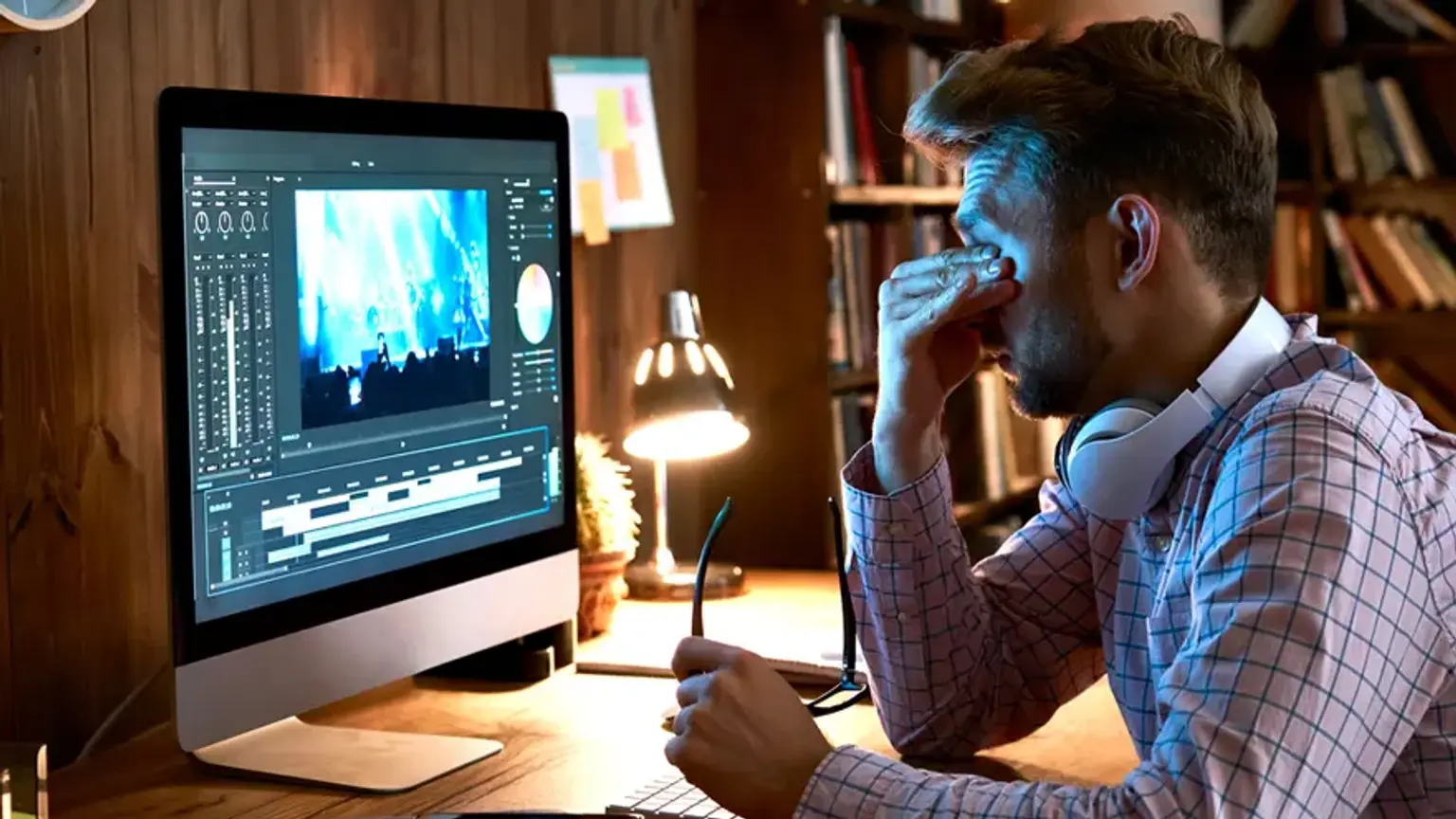
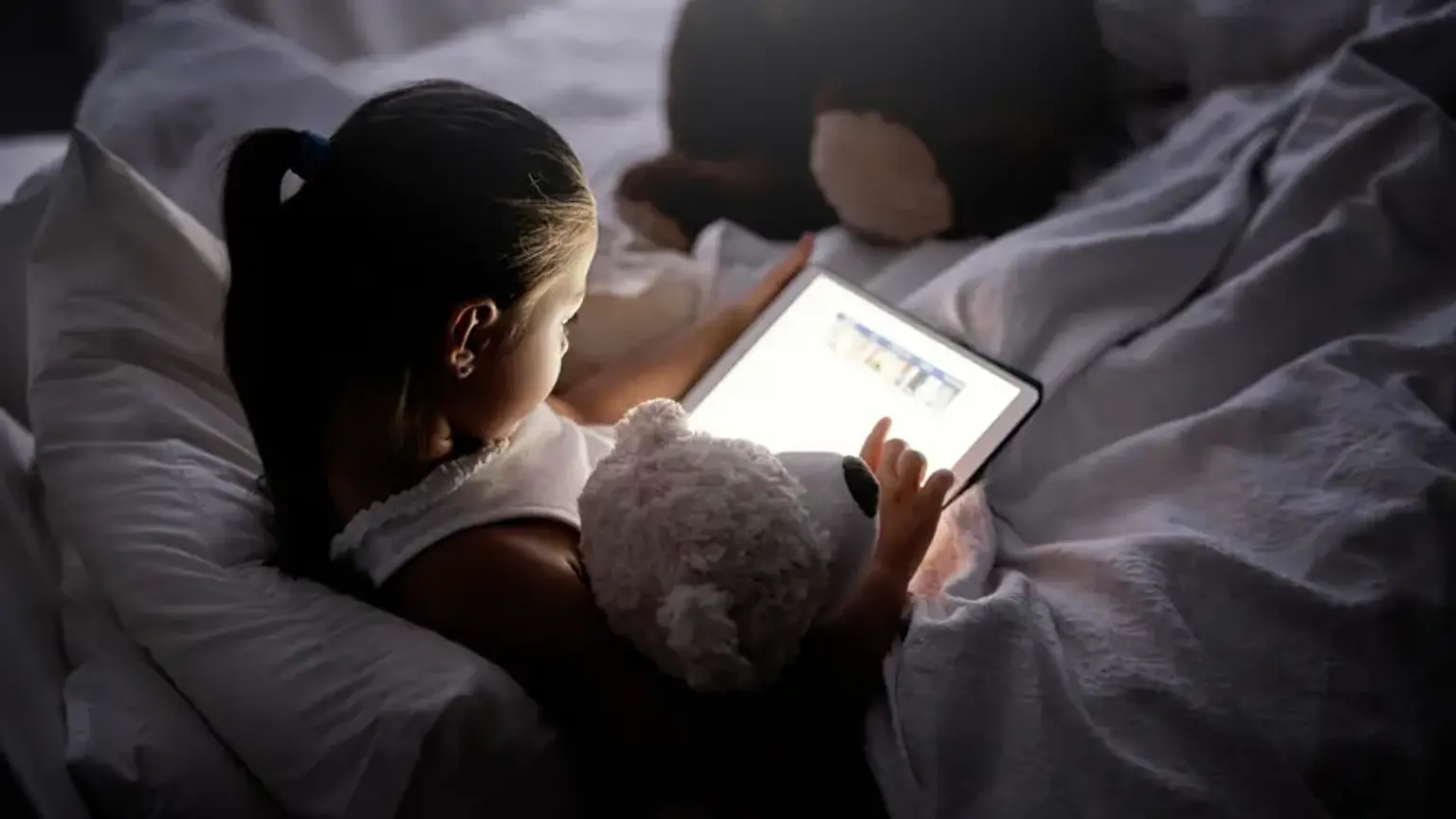
The glow of digital screens is a constant in modern life, but this prolonged focus takes a significant toll on our eyes. The challenge is managing our digital lives without compromising our visual health. This comprehensive guide provides actionable, step by step strategies to reduce the negative impact of screens, alleviate discomfort, and protect your long-term vision.
What Are the Symptoms of Too Much Screen Time on Eyes?
what-are-the-symptoms-of-too-much-screen-time-on-eyesThe primary symptoms of excessive screen time, collectively known as Digital Eye Strain or Computer Vision Syndrome, include eye fatigue, dryness, headaches, blurred vision, and neck or shoulder pain. These symptoms arise because our eyes work harder to focus on digital screens than on printed text. The high visual demands, combined with factors like screen glare and reduced blinking rates, lead to significant discomfort. A person's natural blink rate can decrease by up to 66% while staring at a screen, leading to a breakdown of the eye's protective tear film.
Key symptoms to watch for include:
Tired, aching, or heavy-feeling eyes
Dryness, itching, or a burning sensation
Watery eyes a paradoxical response to severe dryness
Blurred or double vision
Increased sensitivity to light
Difficulty focusing
Headaches, often centered around the temples or behind the eyes
Pain in the neck, shoulders, or back due to poor posture
How Can I Reduce Digital Eye Strain While Working on a Computer?
how-can-i-reduce-digital-eye-strain-while-working-on-a-computerYou can effectively reduce digital eye strain while working by optimizing your workstation's ergonomics and consciously modifying your viewing habits. Creating an eye-friendly environment is just as crucial as taking breaks. This involves adjusting your screen, lighting, and posture to minimize the physical stress on your visual system.
Optimize Your Workspace for Eye Comfort
optimize-your-workspace-for-eye-comfortPosition Your Monitor: Place your screen about 20-25 inches an arm's length away from your face. The top of the screen should be at or slightly below eye level. This downward gaze is more natural and reduces eyelid opening, which can help slow tear evaporation.
Control Glare and Lighting: Position your screen to avoid glare from overhead lights or windows. Use an anti glare screen filter if needed. Adjust your room's ambient lighting so it is not significantly brighter or dimmer than your screen.
Adjust Display Settings: Increase the contrast on your screen and adjust the brightness to match the level of your surroundings. Opt for a larger font size to avoid squinting. Many devices also have a night mode that reduces blue light emissions in the evening.
What is the 20-20-20 Rule and Does It Actually Work?
what-is-the-20-20-20-rule-and-does-it-actually-workThe 20-20-20 rule is a highly effective, evidence-based guideline that involves taking a 20 second break to view something 20 feet away every 20 minutes. Yes, it works by relaxing the eye's focusing muscle the ciliary muscle and stimulating blinking, which helps replenish the tear film and combat dryness. Prolonged near work causes this muscle to remain in a state of contraction, a condition called accommodative stress, which is a primary cause of eye fatigue. Looking into the distance allows this muscle to relax completely.
How to Implement the 20-20-20 Rule:
how-to-implement-the-20-20-20-rule:Set a Timer: Use a phone alarm, a desktop app, or a simple sticky note to remind you to take a break every 20 minutes.
Look Away: Find an object at least 20 feet away (6 meters). This could be a tree outside your window, a picture on a far wall, or the end of a long hallway.
Focus for 20 Seconds: Stare at the distant object for a full 20 seconds. This is the minimum time needed for your ciliary muscles to fully relax. During this time, make a conscious effort to blink several times to re-moisturize your eyes.
"As a software developer, I thought constant headaches and gritty eyes were just part of the job. Implementing the 20-20-20 rule and adjusting my monitor felt trivial at first, but within a week, the headaches were gone and my eyes felt genuinely refreshed at the end of the day." – An anonymous patient, Canada.
Can Too Much Screen Time Cause Permanent Eye Damage?
can-too-much-screen-time-cause-permanent-eye-damageWhile digital eye strain can cause significant temporary discomfort, current evidence does not suggest it causes permanent eye damage or vision loss in adults. However, for children and adolescents whose eyes are still developing, there is a strong and growing concern that excessive screen time and other near-work activities are linked to the increasing prevalence of myopia nearsightedness. High myopia can increase the risk of serious, vision-threatening conditions later in life, such as retinal detachment, glaucoma, and cataracts. For adults, the primary risks are chronic discomfort from conditions like severe dry eye syndrome and the exacerbation of underlying focusing issues. While not damage in the traditional sense, these conditions can severely impact quality of life and require medical management.
Recommended Clinics with Relevant Expertise in South Korea
recommended-clinics-with-relevant-expertise-in-south-koreaFor a professional assessment of digital eye strain, dry eye syndrome, or related vision correction needs, the following South Korean clinics and hospitals are globally recognized for their advanced ophthalmology departments.
Website | Clinic Name | Best Known For | Address | Contact |
|---|---|---|---|---|
SNU Eye Clinic | Complex refractive surgeries, corneal diseases, and academic-level care. | Gangnam-gu, Seoul, South Korea | ||
Gangnam Joeunnun Vision Clinic | High-volume LASIK, LASEK, SMILE, and lens implantation surgeries. | Gangnam-gu, Seoul, South korea | ||
Jryn Eye Clinic | Comprehensive eye care including vision correction and presbyopia treatment. | Busanjin-gu, Busan, South Korea | ||
Global Ubal Eye Center | Specialized in difficult vision correction cases and re-operations. | Jung-gu, Incheon, South Korea | ||
Cha University Bundang Medical Center | University hospital setting for complex eye diseases and retinal disorders. | Bundang-gu, Seongnam-si, South Korea | ||
Chosun University Hospital | Full-spectrum ophthalmology department within a major university hospital. | Gwangju, Dong-gu, South Korea | ||
Kangdong Sacred Heart Hospital | Comprehensive care for glaucoma, cataracts, and vitreoretinal diseases. | Gangdong-gu ,Seoul, South Korea | ||
Samyook Busan Adventist Hospital | General ophthalmology services and surgical interventions. | Busan, Seo-gu, South Korea |
Recommended Treatment/Procedure Names with Average Costs in South Korea
recommended-treatmentprocedure-names-with-average-costs-in-south-koreaIf symptoms of eye strain are severe or if you are considering vision correction to reduce reliance on glasses or contacts, these procedures are commonly performed in South Korea. Costs are estimates and can vary based on clinic and individual patient needs.
Treatment/Procedure Name | Duration | Hospitalization? | Avg Cost Range (USD) in South Korea? | Contact |
|---|---|---|---|---|
SMILE Eye Surgery | 15-20 minutes | Not Needed | $2,000 - $3,500 | |
LASIK | 15-20 minutes | Not Needed | $1,500 - $3,000 | |
LASEK | 15-20 minutes | Not Needed | $1,500 - $2,800 | |
Implantable Collamer Lens (ICL) | 20-30 minutes | Not Needed | $4,000 - $6,500 | |
Cataract Surgery (Monofocal) | 20-30 minutes | Not Needed | $2,000 - $3,500 | |
Premium Cataract Surgery with IOLs | 20-30 minutes | Not Needed | $4,000 - $7,500 | |
Presbyopia Correction | 15-30 minutes | Not Needed | $3,000 - $6,000 | |
Dry Eye Treatment (e.g., IPL) | 15-20 minutes | Not Needed | $200 - $500 | |
Glaucoma Treatment (e.g., SLT) | 10-15 minutes | Not Needed | $500 - $1,500 | |
Corneal Transplantation Surgery | 1-2 hours | Needed (1-2 days) | $8,000 - $15,000 |
Answering Your Key Questions about Screen Time and Eye Health
answering-your-key-questions-about-screen-time-and-eye-healthThis section addresses further practical concerns about managing your visual health in a digital world.
1. What are the best daily habits to protect my eyes from screens?
1.-what-are-the-best-daily-habits-to-protect-my-eyes-from-screensThe best daily habits are a combination of environmental adjustments and conscious behaviors. Beyond the 20-20-20 rule, consciously blink more often, especially if you feel your eyes becoming dry. Use lubricating eye drops artificial tears without preservatives for added relief. Stay hydrated by drinking plenty of water throughout the day, as systemic dehydration affects tear production. Finally, ensure you get a comprehensive eye exam annually to check for underlying issues.
2. Are blue light filtering glasses effective for eye strain?
2.-are-blue-light-filtering-glasses-effective-for-eye-strainBlue light filtering glasses may help some individuals feel more comfortable, but the American Academy of Ophthalmology states there is no scientific evidence that the blue light from digital screens is damaging to the eyes. The discomfort from screens is primarily caused by the factors of digital eye strain reduced blinking, focusing fatigue, and glare. The AAO does not currently recommend any special blue light-blocking eyewear for computer use. The benefits users report may stem from a placebo effect or the anti-reflective coatings on the lenses, which reduce glare.
3. How does screen time specifically affect children's eye development?
3.-how-does-screen-time-specifically-affect-children's-eye-developmentScreen time affects children's eyes more profoundly because their visual systems are still maturing. The primary concern is the strong link between prolonged near work including screens, books, and tablets and the onset and progression of myopia. Promoting outdoor time is a key preventative strategy; research indicates that at least two hours of outdoor time per day can significantly reduce the risk of myopia development. It is also crucial to enforce healthy screen habits, including the 20-20-20 rule, and limit total recreational screen time.
4. What if my eyes still hurt after trying these tips?
4.-what-if-my-eyes-still-hurt-after-trying-these-tipsIf your eye discomfort persists despite implementing these strategies, it is essential to schedule an appointment with an ophthalmologist. Persistent symptoms could indicate a more significant underlying issue, such as severe chronic dry eye syndrome, an uncorrected refractive error like astigmatism, or problems with how your eyes work together binocular vision. A specialist can provide an accurate diagnosis and recommend targeted treatments, which may include prescription eye drops, specialized eyewear, or in-office procedures for dry eye.
5. Should I use dark mode on my apps and devices?
5.-should-i-use-"dark-mode"-on-my-apps-and-devicesUsing dark mode white text on a black or grey background can be beneficial for some people, particularly in low-light environments. It reduces the overall brightness and glare from the screen, which can lessen eye fatigue. However, for individuals with astigmatism, dark mode can sometimes make text appear less crisp, a phenomenon known as halation. The best approach is to experiment and see what feels most comfortable for your eyes in different lighting conditions. There is no universal best setting; personal comfort is the most important factor.
Your Vision is Precious: Take Control of Your Eye Health Today!
your-vision-is-precious:-take-control-of-your-eye-health-todayDon't let digital eye strain compromise your comfort and quality of life. By implementing these practical strategies, you can work, learn, and connect in the digital world while safeguarding your vision. If your symptoms are persistent or you are interested in exploring long-term solutions like advanced Dry Eye Treatment or Vision Correction Surgery, expert help is readily available. Take the next step towards clear, comfortable vision. Inquire about your condition to receive a personalized assessment from world-class ophthalmology centers in South Korea. The process is transparent and supported by a dedicated Care Manager who will guide you from your initial inquiry through to your post-treatment care. And Start your confidential inquiry through CloudHospital to receive a free, personalized treatment plan.