

The clinical information regarding finding a lung cancer specialist in this article has been rigorously verified against the latest guidelines from the National Cancer Institute (NCI) and primary research from databases like PubMed. This piece was reviewed for accuracy and patient-centric clarity and was last updated in October 2023.
Introduction
introductionA lung cancer diagnosis is a life-altering event that demands immediate, expert medical action. The single most critical step you can take is to find the right medical team. The quality of your specialists directly impacts your treatment options, outcomes, and overall experience. This guide provides a clear, practical framework to help you navigate this process, empowering you to find a specialist and a hospital that offers the highest standard of care.
What Type of Doctor Treats Lung Cancer?
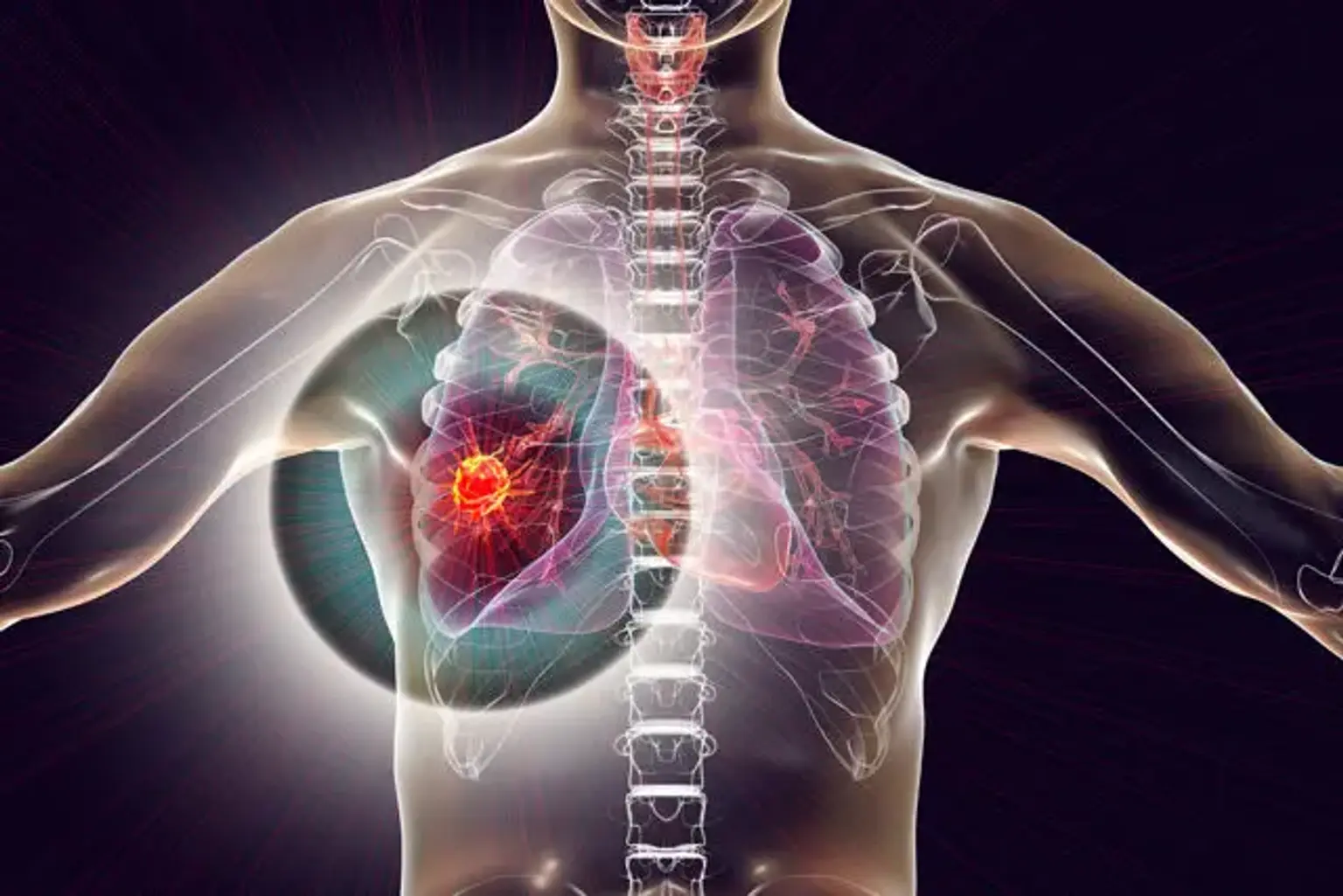
what-type-of-doctor-treats-lung-cancerThe treatment of lung cancer is managed by a multidisciplinary team of specialists, not just one doctor. The core members of this team typically include a medical (oncologist), a thoracic surgeon, and a radiation oncologist, each with a distinct and vital role.
Medical Oncologist: This specialist manages your overall cancer care, using treatments like [chemotherapy], immunotherapy, and targeted therapy. They are often your primary cancer doctor.
Thoracic Surgeon: A surgeon who specializes in operating on organs within the chest, including the lungs. They perform biopsies and surgical tumor (removals) like a lobectomy, or pneumonectomy.
Radiation Oncologist: This doctor uses high-energy radiation, such as Proton Beam Therapy or CyberKnife, to target and destroy cancer cells.
A "high-quality" cancer center ensures these specialists work together, often including a [pathologist], pulmonologist, and radiologist, to create a unified treatment plan tailored specifically to you.
How Do I Choose the Right Oncologist for Lung Cancer?
how-do-i-choose-the-right-oncologist-for-lung-cancerChoosing the right oncologist involves evaluating their experience, their approach to care, and the capabilities of their hospital. You should look for a specialist who is board-certified in oncology and has significant, demonstrable experience treating your specific type of lung cancer, whether it is non-small cell lung cancer (NSCLC) or small cell lung cancer (SCLC).
Key factors to consider when evaluating a specialist and their institution:
Sub-Specialization: Does the doctor focus specifically on thoracic (lung) cancers? A dedicated focus often translates to deeper expertise.
Access to Technology: Does the hospital have advanced diagnostic and treatment technologies like PET-CT scanners, robotic surgery systems, and modern radiotherapy machines?
Multidisciplinary Tumor Boards: The best cancer centers have regular tumor board meetings where specialists from all relevant disciplines review complex cases together to determine the optimal treatment strategy.
Clinical Trial Availability: A hospital that actively participates in clinical trials is at the forefront of cancer care, offering access to the next generation of treatments.
Volume and Outcomes: High-volume centers those that treat a large number of lung cancer patients frequently have better outcomes. Inquire about the center's experience with your specific diagnosis.
What Questions Should I Ask a New Lung Cancer Specialist?
what-questions-should-i-ask-a-new-lung-cancer-specialistYour first consultation is a critical opportunity to gather information and assess if the specialist is the right fit for you. You must be prepared to ask direct, specific questions.
Here is an essential checklist of questions to bring to your appointment:
About My Diagnosis:
"What specific type and stage of lung cancer do I have?"
"Have you performed biomarker testing or genomic sequencing on my tumor tissue? What were the results?
How do these results affect my treatment options?
About Your Experience:
How many patients with my type of lung cancer do you treat each year?
What is your experience with the specific treatments you are recommending for me?
About the Treatment Plan:
What are all of my treatment options? What are the goals of each one?
Why are you recommending this specific plan for me?
What are the potential benefits and risks of this treatment?
What are the common side effects, and how will we manage them?
How will we measure if the treatment is working?
About Logistics and Support:
Will a multidisciplinary team be involved in my care?
Who is my main point of contact if I have questions?
What support services nutrition, palliative care, counseling are available?
"After the diagnosis, everything was a blur. Having a clear checklist of questions and knowing what to look for in a specialist team gave me back a sense of control. It helped me choose a doctor I truly trusted." – An anonymous patient, United States.
What Makes a Hospital Good for Lung Cancer Treatment?
what-makes-a-hospital-good-for-lung-cancer-treatmentA hospital's excellence in lung cancer care is defined by its integration of advanced technology, specialized expertise, and a patient-centered approach. Leading hospitals are designated as Comprehensive Cancer Centers, a hallmark of their commitment to cutting edge research and treatment. These centers provide access to a full spectrum of care under one roof, from initial diagnosis and staging to advanced surgery, radiation, and novel therapies like CAR-T Cell Therapy. The presence of a dedicated international patient center is also a crucial factor for medical tourists, ensuring seamless communication and logistical support.
Recommended Clinics with Relevant Expertise in South Korea
recommended-clinics-with-relevant-expertise-in-south-koreaSouth Korea is recognized for its world-class cancer centers, which combine advanced technology with highly skilled specialists.
Website | Clinic Name | Best Known For | Address | Contact |
|---|---|---|---|---|
Gangnam Severance Hospital | Robot Surgery, Cancer Treatment | Gangnam-gu, Seoul, South Korea | ||
Seoul National University Hospital- ganganm district | Leading Research Hospital, Urologic Oncology | Gangnam-gu, Seoul, South Korea | ||
Samsung Medical Center | Comprehensive Cancer Center, Proton Therapy | Gangnam-gu, Seoul, South Korea | ||
Seoul St. Mary's Hospital‑Seocho | Hematology, Cancer Center, Organ Transplant | Seocho-gu, Seoul, South Korea | ||
Ulsan University Hospital | Cancer Center, Organ Transplant | Dong-gu, Ulsan, South Korea | ||
Cha University Bundang Medical Center | Women's Cancers, General Surgery | Bundang-gu, Gyeonggi-do, South Korea | ||
Samyook Busan Adventist Hospital | Robotic Surgery, Spine Center | Seo-gu, Busan, South Korea | ||
Kangdong Sacred Heart Hospital | Comprehensive Medical Care, Digestive Diseases | Gangdong-gu, Seoul, South Korea | ||
Seoul Miz Hospital | Women's Health, General Surgery | Gangdong-gu, Seoul, South Korea |
Are New Lung Cancer Treatments Available and What Do They Cost in South Korea?
are-new-lung-cancer-treatments-available-and-what-do-they-cost-in-south-koreaYes, South Korea's top cancer centers offer a full range of advanced lung cancer treatments, including groundbreaking therapies that are not widely available elsewhere. These include Immunotherapy, Targeted Therapy, and precision radiation techniques like Proton Beam Therapy and CyberKnife Radiosurgery. The availability of these options is a key reason why patients seek care in the country.
Recommended Treatment/Procedure Names with Average Costs in South Korea
recommended-treatmentprocedure-names-with-average-costs-in-south-koreaThe cost of treatment can vary based on the specific type of procedure, the hospital, and the complexity of the patient's case. This table provides estimated ranges for common and advanced lung cancer-related treatments in South Korea.
Treatment/Procedure Name | Duration | Hospitalization? | Avg. Cost (USD) in S. Korea | Contact |
|---|---|---|---|---|
CAR-T Cell Therapy | 1-2 hours | Needed (30+ days) | $350,000 - $500,000 | |
Proton Beam Therapy | 15-30 | Not Needed | $50,000 - $120,000 | |
Bone Marrow Transplant | 1 -2 hours | Needed (3 weeks) | $80,000 - $250,00 | |
CyberKnife Radiosurgery | 30-90 mins | Not Needed | $15,000 - $35,000 | |
Robotic Cancer Surgery | 2-4 hours | Needed (3-7 days) | $25,000 - $45,000 | |
Immunotherapy | 2-6 weeks | Not Needed | $5,000 - $15,000 | |
Targeted Therapy | 1 - 2 hours | Not Needed | $3,000 - $10,000 | |
Lung Cancer Surgery (VATS/Open) | 2-5 hours | Needed (5-10 days) | $20,000 - $40,000 | |
Brain Tumor Surgery (Metastasis) | 3-6 hours | Needed (5-10 days) | $30,000 - $60,000 | |
Chemotherapy | 1-4 hours | Not Needed | $1,000 - $5,000 |
Answering Your Key Questions About the Process
answering-your-key-questions-about-the-processNavigating your cancer care journey will bring up many practical questions. Being prepared for them can reduce anxiety and help you stay focused.
1. What is the difference between a medical oncologist and a thoracic surgeon?
1.-what-is-the-difference-between-a-medical-oncologist-and-a-thoracic-surgeonThe most direct answer is that a medical oncologist manages cancer with medicine (like immunotherapy or chemotherapy), while a thoracic surgeon manages cancer with surgery. A medical oncologist oversees your entire treatment journey, while a surgeon is a specialist you see for a specific surgical procedure.
2. What if I forget to ask the doctor something important?
2.-what-if-i-forget-to-ask-the-doctor-something-importantIt is perfectly normal to forget questions during a stressful appointment. Before your visit, write down all your questions. Bring a trusted friend or family member to take notes and serve as a second pair of ears. If you still forget something, call the doctor's office afterward. High-quality care teams have a nurse or coordinator you can contact with follow-up questions.
3. Is it okay to get a second opinion?
3.-is-it-okay-to-get-a-second-opinionYes, getting a second opinion is not only okay, it is highly recommended and standard practice in cancer care. A confirmed diagnosis from another expert can provide peace of mind or offer a different perspective and new treatment options. Most doctors expect and encourage patients to seek a second opinion.
4. How do I prepare for my first appointment with a specialist?
4.-how-do-i-prepare-for-my-first-appointment-with-a-specialistTo prepare effectively, you should gather all relevant medical documents. This includes all imaging scans like X-rays, CT, PET scans and reports, biopsy results, [pathology] reports, blood test results, and a list of all current medications. Having these organized will make the consultation more efficient and productive.
5. What does "stage" of cancer mean?
5.-what-does-"stage"-of-cancer-meanThe stage of a cancer describes its size and whether it has spread from its original location. Staging is one of the most important factors in choosing the right treatment. Lung cancer is typically staged from I localized to IV metastasized, or spread to distant parts of the body. Your oncologist will determine your cancer's stage using results from imaging and other tests.
Your Path Forward: Find Your Expert Lung Cancer Team in Korea Today!
your-path-forward:-find-your-expert-lung-cancer-team-in-koreaTaking control of your health journey begins with finding the right medical partner. The process of connecting with world-class lung cancer specialists in South Korea can be streamlined and stress free. Instead of navigating complex hospital systems on your own, a dedicated team can provide personalized assistance. By inquiring through a trusted medical platform, you gain access to a seamless, transparent process. A dedicated Care Manager will provide end-to-end support, from matching you with the right specialist and hospital to coordinating appointments and handling all logistics. This ensures you can focus entirely on your health and recovery. Start Your Confidential Inquiry with CloudHospital and receive a free, personalized treatment plan from leading experts.