
The clinical information regarding A Guide to Emergency Contraception and Safe Use in Korea in this article has been rigorously verified against the latest guidelines from the American College of Obstetricians and Gynecologists (ACOG) and primary research from databases like PubMed. This piece was reviewed for accuracy and patient-centric clarity and was last updated in October 2023.
Introduction
introductionNavigating healthcare in a foreign country, especially for time-sensitive needs like emergency contraception (EC), can be a stressful experience. Understanding the process is critical for ensuring timely and effective use. This guide provides a clear, step-by-step framework to help you access the morning-after pill in South Korea confidently and without delay, empowering you to take control of your reproductive health.
What Exactly Is Emergency Contraception?
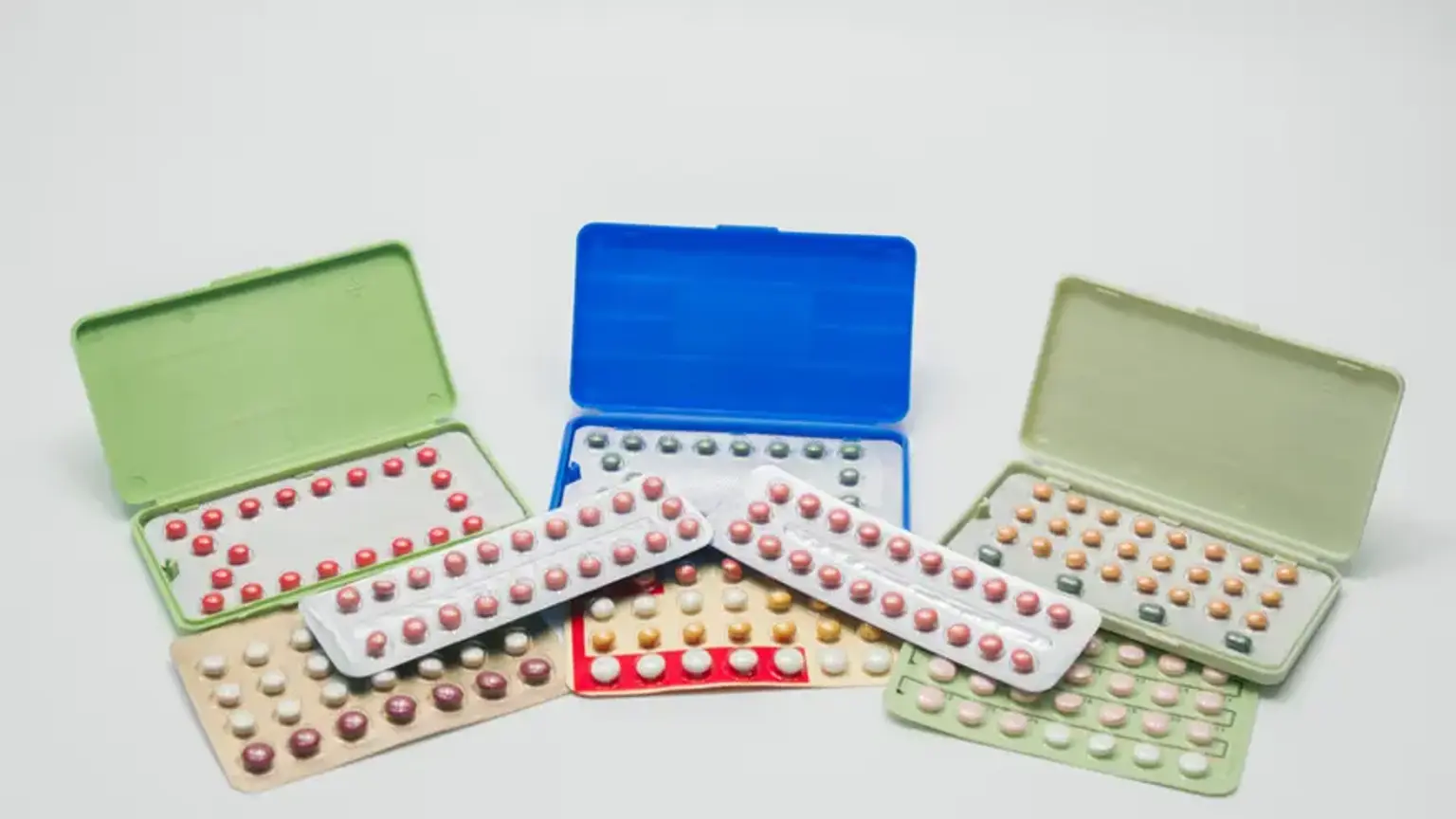
what-exactly-is-emergency-contraceptionThe first step is understanding what emergency contraception is and what it is not. Emergency Contraceptive Pills (ECPs), commonly known as the "morning-after pill," are a safe way to prevent pregnancy after unprotected sexual intercourse (UPSI) or contraceptive failure. They primarily work by preventing or delaying [ovulation]; they are not abortion pills and will not work if you are already pregnant. In Korea, the most common types are based on the active ingredients [levonorgestrel] or [ulipristal acetate].
How Can I Get the Morning-After Pill in South Korea?
how-can-i-get-the-morning-after-pill-in-south-koreaYou must obtain a prescription from a doctor to get the morning-after pill in South Korea. Unlike in some countries where it's available over-the-counter, ECPs are classified as a specialized prescription medication. The process is straightforward and designed to ensure patient safety.
Here is the step-by-step process:
Find a Clinic: Locate an Obstetrics & Gynaecology (OB-GYN) or a women's clinic. Most general hospitals also have an OB-GYN department. For non-Korean speakers, seeking clinics with English-speaking staff is recommended.
Schedule a Consultation: Contact the clinic for an appointment. While walk-ins may be possible, scheduling ensures you will be seen promptly, which is crucial for EC.
Consult with the Doctor: During the consultation, the doctor will ask about the time of the unprotected intercourse, your last menstrual period, and your general medical history to determine the most suitable type of ECP for you.
Receive the Prescription: The doctor will issue a prescription.
Go to a Pharmacy: Take the prescription to any pharmacy to purchase the medication. The prescription is typically valid for a few days.
How Effective Is the Morning-After Pill?
how-effective-is-the-morning-after-pillThe effectiveness of the morning-after pill is highest when taken as soon as possible after unprotected intercourse. The specific efficacy depends on the type of pill and how quickly it is administered.
Ulipristal Acetate (UPA): This type of pill can be taken up to 120 hours (5 days) after unprotected sex. It is generally considered the most effective oral ECP, maintaining high efficacy throughout the 5-day window.
Levonorgestrel (LNG): This pill is most effective when taken within 72 hours (3 days) of unprotected sex. Its effectiveness decreases with each day that passes. When taken within 24 hours, it can prevent over 95% of expected pregnancies.
What Are the Potential Side Effects of Emergency Contraception?
what-are-the-potential-side-effects-of-emergency-contraceptionMost individuals experience no serious side effects after taking the morning-after pill. However, some may experience mild, temporary symptoms due to the hormonal dose.
Common potential side effects include:
Changes in your next menstrual period (it may be earlier, later, or heavier than usual)
Nausea or vomiting
Headache
Fatigue
Dizziness
Breast tenderness
Lower abdominal pain
"I was so panicked after a contraceptive failure while traveling in Seoul. Finding a clinic online, getting an English-speaking doctor, and having the prescription filled in under two hours was a huge relief. The process was much more professional and less intimidating than I feared." – an anonymous patient, United States.
Recommended Clinics with Relevant Expertise in South Korea
recommended-clinics-with-relevant-expertise-in-south-koreaFinding a reputable clinic is the most important step. The following institutions are known for their expertise in women's health and gynecology in South Korea.
Website | Clinic Name | Best Known For | Address | Contact |
|---|---|---|---|---|
Second Spring Women's Clinic | Gynecological Surgery & Vaginal Aesthetic Treatments | Gangnam-gu, Seoul, South Korea | ||
Seoul Miz Hospital | Comprehensive Women's Health, Obstetrics & Gynecology | Gangdong-gu, Seoul, South Korea | ||
MariaPlus (Songpa) Fertility Hospital | Fertility Treatments & General OB-GYN Services | Songpa-gu, Seoul, South Korea | ||
Asan Medical Center | Major Hospital with a Renowned OB-GYN Department | Songpa-gu, Seoul, South Korea | ||
Goeunbit Women’s Clinic | General Women's Health & Menstrual Disorders | Songpa-gu, Seoul, South Korea | ||
MizMedi Hospital | Specialized Women's & Children's Hospital | Gangseo-gu, Seoul, South Korea | ||
HI Fertility Clinic | Fertility Treatments & Reproductive Health | Gangseo-gu, Seoul, South Korea | ||
Helen Women’s Obstetrics & Gynecology Clinic | Contraception, Menopause, and General OB-GYN Care | Songpa-gu, Seoul, South Korea |
Associated OB-GYN Procedures & Average Costs in South Korea
associated-ob-gyn-procedures-and-average-costs-in-south-koreaWhile seeking emergency contraception, you may also be interested in other gynecological services. Korean clinics offer a wide range of advanced treatments at competitive prices.
Treatment/Procedure Name | Treatment Duration | Hospitalization? | Avg Cost Range (USD) in S. Korea | Contact |
|---|---|---|---|---|
Consultation for Contraception/ECP | 15-30 mins | Not Needed | $50 - $150 | |
Labiaplasty | 1-2 hours | Not Needed | $2,500 - $4,500 | |
Laser Vaginal Tightening | 20-30 mins | Not Needed | $700 - $1,500 | |
Hormone Replacement Therapy (HRT) | 30-60 mins | Not Needed | $100 - $300 | |
Treatment for Menstrual/Hormonal Disorders | 20-40 mins | Not Needed | $70 - $200 | |
Laparoscopic Endometriosis Surgery | 1-3 hours | Needed (1-3 days) | $4,000 - $8,000 | |
Vulvar Whitening (Laser) | 15-30 mins | Not Needed | $300 - $600 |
Frequently Asked Questions About EC in Korea
frequently-asked-questions-about-ec-in-koreaThis section addresses other common questions you may have about the process.
1. Do I absolutely need a prescription for emergency contraception in Korea?
1.-do-i-absolutely-need-a-prescription-for-emergency-contraception-in-koreaYes, a doctor's prescription is legally required to purchase any type of emergency contraceptive pill in South Korea. It is not sold over-the-counter. Attempting to acquire it without a prescription is not advised.
2. How much does the morning-after pill usually cost in Korea?
2.-how-much-does-the-morning-after-pill-usually-cost-in-koreaThe total cost has two parts. The doctor's consultation fee typically ranges from ₩20,000 to ₩50,000 KRW depending on the brand and type.
3. What's the difference between the types of morning-after pills available?
3.-what's-the-difference-between-the-types-of-morning-after-pills-availableThe main difference is the active ingredient and the window of effectiveness. Levonorgestrel (LNG) pills must be taken within 72 hours (3 days). Ulipristal acetate (UPA) pills can be taken up to 120 hours (5 days) and are generally more effective, especially between 72 and 120 hours post-intercourse. Your doctor will prescribe the best option for your situation.
4. What should I do if I am unsure if I need emergency contraception?
4.-what-should-i-do-if-i-am-unsure-if-i-need-emergency-contraceptionIf you have any doubt, it is always best to consult a healthcare professional. A doctor can help you assess your risk of pregnancy and discuss your options. Acting quickly is key, so do not hesitate to seek medical advice.
Take Control of Your Health: Accessing Emergency Contraception in Korea Today!
take-control-of-your-health:-accessing-emergency-contraception-in-koreaNavigating a time-sensitive medical need shouldn't be a source of anxiety. With the right information, you can confidently and quickly access the care you require. If you need to find a clinic for an emergency contraception prescription or wish to discuss other women's health services, professional support is available. Using a dedicated medical travel service provides a seamless, transparent process, with a Care Manager to assist you from your initial inquiry to your post-recovery care. And Start Your Confidential Inquiry