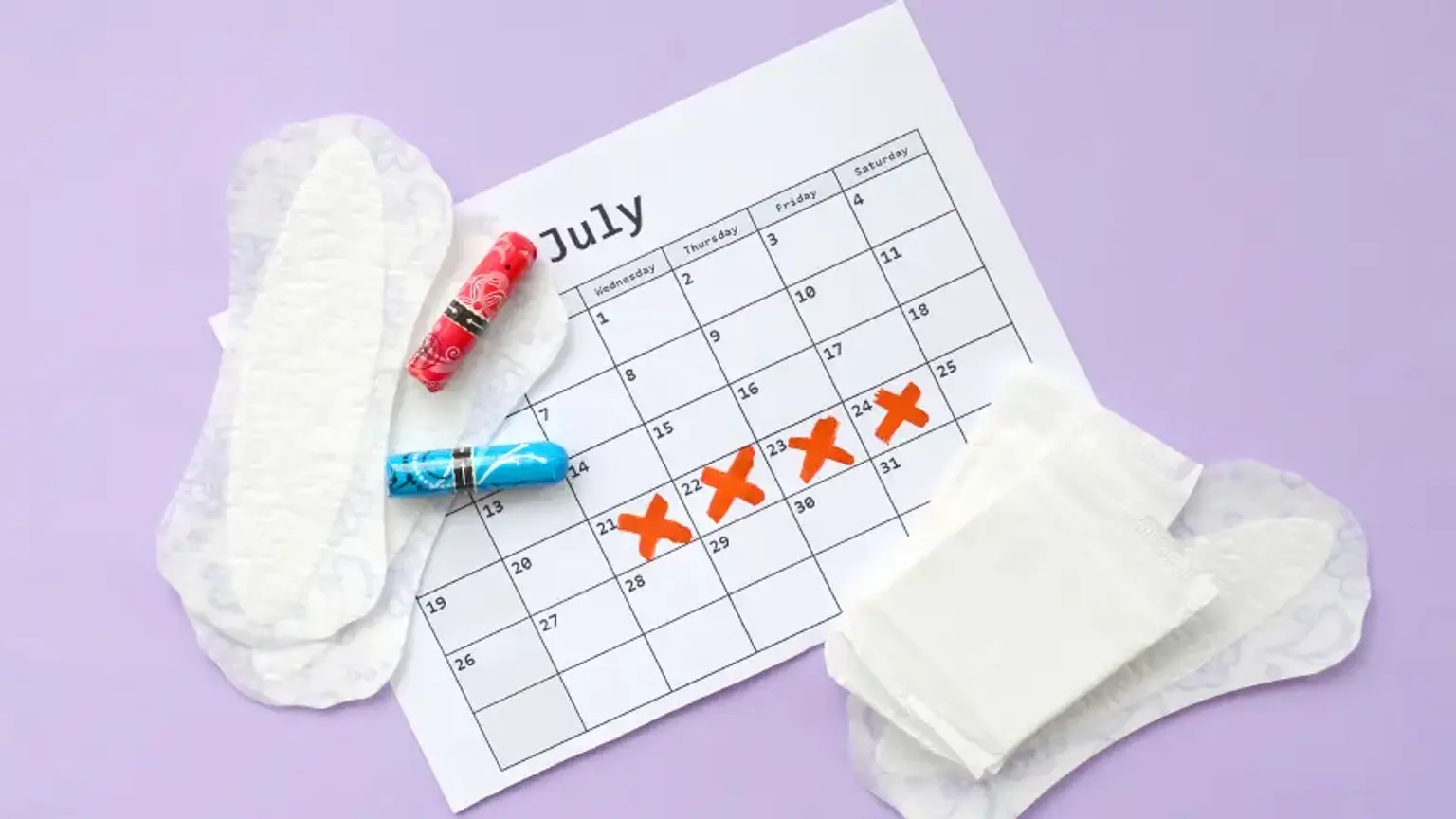

The clinical information regarding menstrual cycle tracking in this article has been rigorously verified against the latest guidelines from the American College of Obstetricians and Gynecologists (ACOG) and primary research from databases like PubMed. This piece was reviewed for accuracy and patient-centric clarity and was last updated in October 2023.
Introduction
introductionUnderstanding your menstrual cycle is one of the most powerful tools you have for managing your health. It offers vital clues about your hormonal balance, fertility, and overall well being. This guide provides a clear, step-by-step process to track your cycle confidently, helping you predict your periods, identify your most fertile days, and recognize when it might be time to speak with a specialist.
Why is Tracking My Menstrual Cycle Important?
why-is-tracking-my-menstrual-cycle-important
Tracking your menstrual cycle is crucial because it provides a baseline for your unique hormonal health, enabling you to identify patterns, predict ovulation for family planning, and detect potential health issues early. A regular, predictable cycle is often considered a vital sign, similar to blood pressure or heart rate. Consistent tracking helps you:
Predict Your Period: Avoid surprises and be prepared.
Identify Your Fertile Window: Maximize or avoid the chances of conception.
Understand Your Body's Patterns: Correlate symptoms like mood changes, cramps, or headaches with specific phases of your cycle.
Detect Irregularities: An irregular cycle can be an early indicator of underlying health conditions like polycystic ovary syndrome (PCOS), thyroid issues, or uterine fibroids.
Provide Data for Your Doctor: A detailed cycle history is invaluable information during a gynecological consultation.
How Do I Calculate the Length of My Menstrual Cycle?
how-do-i-calculate-the-length-of-my-menstrual-cycleYou calculate the length of your menstrual cycle by counting the number of days from the first day of one period to the day before the next period begins. A typical cycle length for adults is between 21 to 35 days.
Here is the exact method:
Mark Day 1: The first day of your period the first day of full bleeding, not just spotting is Day 1 of your cycle. Mark this date on a calendar or in an app.
Track Until Your Next Period: Continue your daily count until your next period starts.
Mark the Next Day 1: The first day of this next period is the start of a new cycle.
Count the Total Days: The total number of days from the previous Day 1 up to, but not including, the new Day 1 is your cycle length. For example, if your period started on June 1 and the next one started on June 29, your cycle length is 28 days.
For accuracy, it is best to track your cycle for at least three consecutive months to establish an average length.
What Is the Easiest Way to Track My Period?
what-is-the-easiest-way-to-track-my-periodThe easiest way to track your period is by using a dedicated smartphone app or a simple calendar, as both methods require minimal daily effort while providing a clear visual record.
Calendar Method: Use a paper or digital calendar. Mark the first day of your period with an "X" or "P". After a few months, you can visually see your cycle length and patterns. This is a simple, low-tech, and effective starting point.
Period Tracking Apps: These apps (like Flo, Clue, or Ovia) automate the process. You log your period start and end dates, and the app calculates your average cycle length, predicts future periods, and estimates your fertile window. Many also allow you to track symptoms like cramps, mood, and energy levels.
How Do I Predict My Next Period and Fertile Window?
how-do-i-predict-my-next-period-and-fertile-windowYou can predict your next period by adding your average cycle length to the start date of your last period. Your fertile window is the six-day interval ending on the day of ovulation, which typically occurs about 14 days before your next period starts.
Step-by-Step Prediction:
Calculate Your Average Cycle Length: After tracking for 3-4 months, add up the total days of each cycle and divide by the number of cycles. Example: (28 + 30 + 29) / 3 = 29-day average cycle.
Predict Your Next Period: Take the date your last period started and add your average cycle length. If your last period started on July 10 and your average cycle is 29 days, your next period is predicted to start around August 8.
Estimate Your Ovulation Day: Ovulation happens during the luteal phase, which is the time from ovulation until your next period. This phase is relatively consistent, lasting about 14 days for most women. To estimate your ovulation day, subtract 14 from your cycle length. In a 29-day cycle, ovulation would be around Day 15 (29 - 14 = 15).
Identify the Fertile Window: Sperm can survive in the reproductive tract for up to five days, and the egg is viable for about 24 hours after ovulation. Therefore, your most fertile days are the five days leading up to ovulation and the day of ovulation itself. In a 29-day cycle, the fertile window would be approximately from Day 10 to Day 15.
"After a few months of tracking, I finally understood my body's rhythm. It was empowering to predict my period and know my most fertile days, which made our family planning journey much less stressful." – an anonymous patient, USA.
What Are the Key Signs of Ovulation to Track?
what-are-the-key-signs-of-ovulation-to-trackBeyond simple calendar math, tracking key physical signs provides more precise information about when you are ovulating. The most reliable indicators are changes in your basal body temperature and cervical mucus.
Basal Body Temperature (BBT): This is your body's lowest resting temperature. Your BBT will show a slight but sustained increase (about 0.5°F or 0.3°C) right after ovulation occurs. To track it, you must use a basal thermometer to take your temperature at the same time every morning before getting out of bed. While this confirms ovulation has already happened, tracking it over months helps predict when it will occur in future cycles.
Cervical Mucus: Your cervical mucus changes throughout your cycle due to hormonal shifts. As you approach ovulation, it becomes clear, slippery, and stretchy, resembling the consistency of raw egg whites. This fertile-quality mucus helps sperm travel to the egg.
Luteinizing Hormone (LH) Surge: Ovulation is triggered by a surge in luteinizing hormone (LH). You can detect this surge using over-the-counter ovulation predictor kits (OPKs). A positive test indicates that ovulation will likely occur within the next 24 to 36 hours, making it a highly effective tool for identifying your peak fertile window.
Recommended Clinics with Relevant Expertise in South Korea
recommended-clinics-with-relevant-expertise-in-south-koreaFor individuals seeking specialized care for menstrual disorders, fertility, or general gynecological health, South Korea offers world-class clinics. The facilities below are recognized for their expertise in women's health.
Website | Clinic Name | Best Known For | Address | Contact |
|---|---|---|---|---|
Second Spring Women's Clinic | Vaginal Aesthetic and Reconstructive Treatments | Gangnam-gu, Seoul, South Korea | ||
Seoul Miz Hospital | Comprehensive Women's Health & Maternity Care | Gangdong-gu, Seoul, South Korea | ||
MariaPlus (Songpa) Fertility Hospital | Advanced Fertility Treatments & IVF | Songpa-gu, Seoul, South Korea | ||
Asan Medical Center | High-Risk Pregnancy & Gynecologic Oncology | Songpa-gu, Seoul, South Korea | ||
Goeunbit Women’s Clinic | Menstrual Disorders & Menopause Management | Songpa-gu, Seoul, South Korea | ||
MizMedi Hospital | Infertility Treatment & Gynecological Endoscopy | Gangseo-gu, Seoul, South Korea | ||
HI Fertility Clinic | Specialized Fertility and IVF Services | Gangseo-gu, Seoul, South Korea | ||
Helen Women’s Obstetrics & Gynecology Clinic | General Gynecology & Minimally Invasive Surgery | Songpa-gu, Seoul, South Korea |
Associated Treatments and Procedures with Average Costs in South Korea
associated-treatments-and-procedures-with-average-costs-in-south-koreaIf cycle tracking reveals irregularities or if you are pursuing specific health goals, various treatments are available. Costs are estimates and can vary based on clinic and individual case complexity.
Treatment/Procedure Name | Treatment Duration | Hospitalization? | Avg Cost Range (USD) in S. Korea | Contact |
|---|---|---|---|---|
Gynecological Surgery | 1-4 hours | Needed (1-5 days) | $3,000 - $15,000 | |
Vaginal Aesthetic and Reconstructive Treatments | 1-2 hours | Not Needed | $2,500 - $7,000 | |
Labiaplasty | 1-1.5 hours | Not Needed | $2,000 - $4,500 | |
Vaginal Tightening | 1 hour | Not Needed | $1,500 - $3,500 | |
Vaginal Mucosa Correction Injections | 30 minutes | Not Needed | $800 - $1,500 | |
Clitoral Pop Filler Treatments | 30-45 minutes | Not Needed | $700 - $1,200 | |
Non-Invasive Vaginal Aesthetic Procedures | 30-60 minutes | Not Needed | $1,000 - $3,000 | |
Vulvar Whitening | 30 mins | Not Needed | $400 - $800 | |
Hormone Replacement Therapy | 3-5 years | Not Needed | $100 - $300 | |
Endometriosis Management | 6 months to 1 year | Not Needed | $500 - $10,000 | |
Women's Disease and Menopause | 6 months to 5 years | Not Needed | $150 - $400 | |
Menstrual and Hormonal Disorders Treatments | 3 to 6 months | Not Needed | $150 - $400 | |
Contraception and Miscarriage Care | 1–2 weeks | Not Needed | $200 - $1,500 |
When Should I See a Doctor About My Cycle?
when-should-i-see-a-doctor-about-my-cycleYou should see a doctor if you notice significant, persistent changes in your menstrual cycle or experience severe symptoms. Your tracking data will be extremely helpful for this conversation.
1. What if my cycle is consistently irregular?
1.-what-if-my-cycle-is-consistently-irregularYou should consult a doctor. Consistently irregular cycles (e.g., shorter than 21 days, longer than 35 days, or varying by more than 7-9 days month-to-month) can signal conditions like PCOS, thyroid disorders, or uterine fibroids that may require medical management.
2. How long does it take for tracking to become accurate?
2.-how-long-does-it-take-for-tracking-to-become-accurateIt generally takes at least three to four months of consistent tracking to establish a reliable average and predict your cycle with reasonable accuracy. The more data you collect, the more precise your predictions will become.
3. Can stress, diet, or exercise affect my menstrual cycle?
3.-can-stress-diet-or-exercise-affect-my-menstrual-cycleYes, absolutely. High levels of physical or emotional stress, significant changes in diet or weight, and intense exercise regimens can all disrupt the hormonal balance that governs your cycle, leading to delayed or absent periods.
4. Are period tracking apps reliable for contraception?
4.-are-period-tracking-apps-reliable-for-contraceptionUsing period tracking apps for contraception, often called fertility awareness-based methods (FABMs), can be effective but requires meticulous and consistent tracking of multiple fertility signs not just the calendar. The typical use failure rate can be as high as 24% per year. It is not as reliable as hormonal contraception or IUDs and is best used under the guidance of a healthcare professional.
5. What's the difference between the follicular and luteal phase?
5.-what's-the-difference-between-the-follicular-and-luteal-phaseThe follicular phase is the first part of your cycle, starting on Day 1 of your period and ending with ovulation. During this phase, estrogen rises and your body prepares to release an egg. The luteal phase is the second part, from ovulation until your next period begins. During this phase, progesterone rises to prepare the uterine lining for a potential pregnancy.
6. Do I still have a cycle if I'm on hormonal birth control?
6.-do-i-still-have-a-cycle-if-i'm-on-hormonal-birth-controlMost hormonal birth control methods (like the pill, patch, or ring) prevent ovulation, so you do not have a true menstrual cycle. The bleeding you experience during the placebo week is withdrawal bleeding, caused by the drop in hormones, not a natural period.
Take Control of Your Health: Get Expert Guidance on Your Cycle
take-control-of-your-health:-get-expert-guidance-on-your-cycleUnderstanding your menstrual cycle is the first step toward proactive health management. If your tracking has revealed irregularities, if you're planning for pregnancy, or if you simply want expert guidance on your hormonal health, professional help is within reach. Navigating this journey is easier with a dedicated team supporting you.Inquiring through CloudHospital provides a seamless, transparent process from start to finish. You will be paired with a dedicated Care Manager who provides end-to-end support, from answering your initial questions to coordinating your care and assisting with post-treatment follow-up. Start Your Confidential Inquiry and receive a personalized plan tailored to your health needs.