

The clinical information regarding Simple Exercises to Strengthen Eye Muscles in this article has been rigorously verified against the latest guidelines from the American Academy of Ophthalmology (AAO) and primary research from databases like PubMed. This piece was reviewed for accuracy and patient-centric clarity and was last updated in October 2023.
Introduction
introductionIn an era dominated by screens, the demand placed on our eyes is relentless. This constant near-work can lead to fatigue, dryness, and discomfort, a collection of symptoms often called digital eye strain or computer vision syndrome. While eye exercises are not a cure for refractive errors, they are a powerful tool for alleviating strain, improving focus flexibility, and strengthening the muscles that control eye movement. This guide provides a practical, step-by-step routine to integrate simple, effective eye exercises into your daily life for enhanced comfort and endurance.
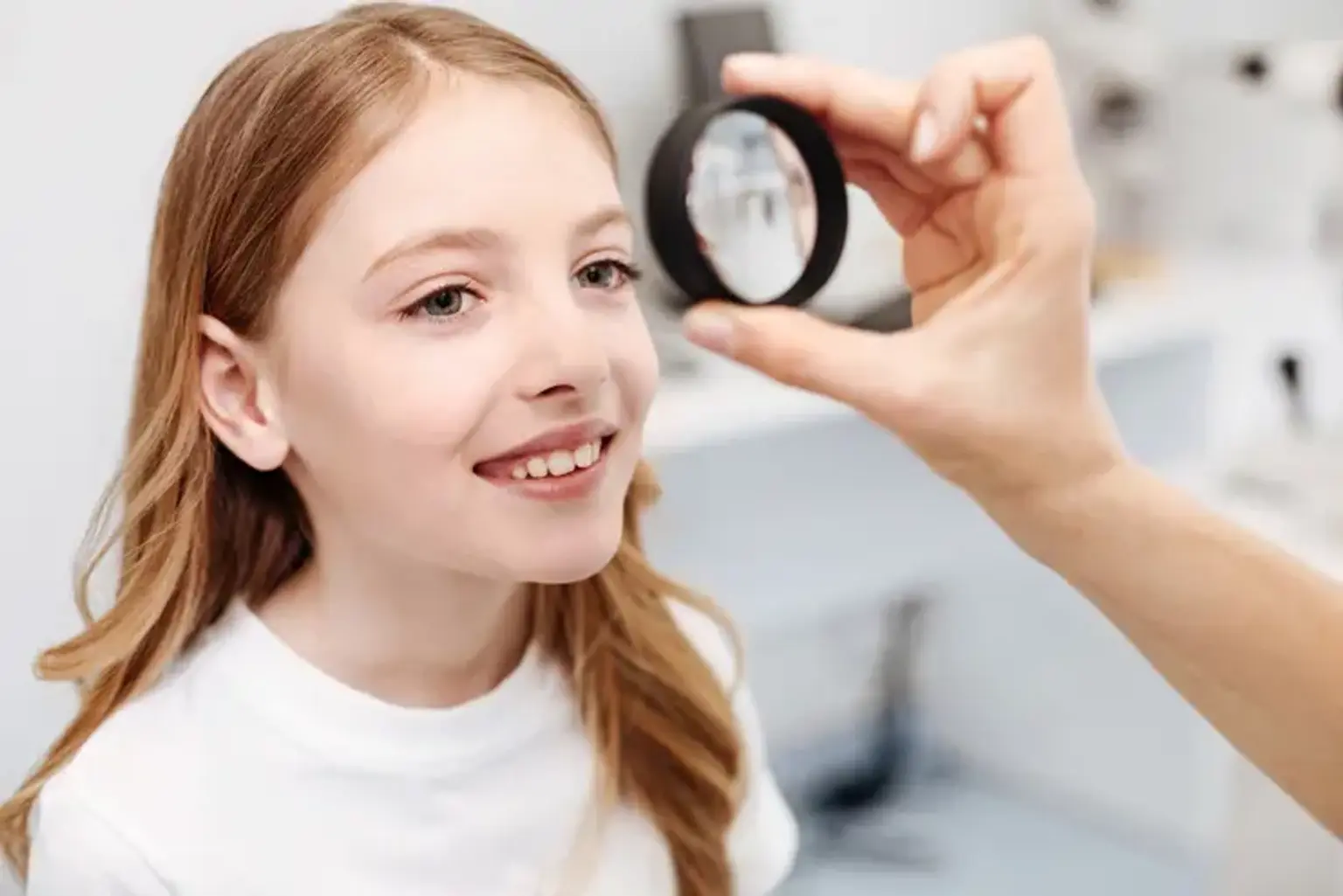
Do Eye Exercises Actually Improve Vision?
do-eye-exercises-actually-improve-visionNo, eye exercises do not improve vision in the sense of curing or reversing conditions like myopia nearsightedness, presbyopia age-related farsightedness, or astigmatism. These conditions are caused by the physical shape of the eyeball or the aging of the lens, which cannot be altered by muscle training. However, these exercises are clinically recognized for their effectiveness in improving the efficiency of the eye's focusing system, alleviating symptoms of digital eye strain, and strengthening the extraocular muscles responsible for movement and alignment . They can significantly enhance eye comfort, reduce fatigue, and support binocular vision the ability of both eyes to work together.
How Can I Reduce Digital Eye Strain with Exercises?
how-can-i-reduce-digital-eye-strain-with-exercisesYou can effectively reduce digital eye strain by performing a series of targeted exercises that relax the focusing muscles, improve blinking, and enhance eye movement. The primary goal is to counteract the static, near-point stress caused by prolonged screen use. The following exercises are specifically designed to combat the symptoms of computer vision syndrome.
The Palming Technique for Deep Relaxation
the-palming-technique-for-deep-relaxationThis exercise is designed to relax the ciliary muscle, which is responsible for focusing, and to provide a soothing break from visual stimuli.
Warm Your Hands: Rub your palms together vigorously for 10-15 seconds until they feel warm.
Cover Your Eyes: Gently place your cupped palms over your closed eyes. Ensure there is no pressure on the eyeballs themselves. Your fingers should rest on your forehead.
Breathe and Relax: Block out all light. Breathe deeply and evenly, focusing on the feeling of warmth and darkness.
Duration: Hold this position for 1-2 minutes. Repeat whenever your eyes feel tired or strained.
The Figure-Eight Movement for Flexibility
the-figure-eight-movement-for-flexibilityThis movement helps improve the flexibility and control of your extraocular muscles.
Focus Point: Imagine a large, horizontal figure-eight about 10 feet in front of you.
Trace with Your Eyes: Without moving your head, slowly trace the shape of the figure-eight with your eyes.
Change Direction: After tracing it one way for 30 seconds, reverse the direction and trace it again for another 30 seconds.
What is the 20-20-20 Rule for Eye Health?
what-is-the-20-20-20-rule-for-eye-healthThe 20-20-20 rule is a simple, evidence-based guideline designed to prevent digital eye strain by ensuring you take regular breaks to relax your eye's focusing system. The rule states that for every 20 minutes you spend looking at a screen, you should look at something 20 feet away for at least 20 seconds.
How to Implement It:
Set a Timer: Use a phone app or a simple kitchen timer to remind you to take a break every 20 minutes.
Find a Target: Identify a distant object outside a window a tree, a building, a sign. The exact distance isn't critical, as long as it is significantly farther away than your screen.
Relax and Refocus: Gaze at the distant object for a full 20 seconds. This allows the ciliary muscle inside your eye to relax from the constant effort of near-focus.
Blink Frequently: Use this 20-second break to blink several times to re-moisten the surface of your eyes.
What Are the Best Focusing Exercises for Tired Eyes?
what-are-the-best-focusing-exercises-for-tired-eyesThe best focusing exercises for tired eyes involve rapidly changing the distance of your focal point, which trains the eye's accommodation focusing ability and can help reduce fatigue.
Near and Far Focus Shift
near-and-far-focus-shiftThis exercise is like weightlifting for your focusing muscles.
Position Your Thumb: Hold your thumb up about 10 inches from your face.
Focus Near: Concentrate on your thumb for 15 seconds.
Focus Far: Shift your gaze to an object roughly 10-20 feet away and focus on it for 15 seconds.
Alternate: Switch your focus back to your thumb.
Repetitions: Repeat this cycle 5-10 times.
"I spend all day on the computer for my job, and my eyes were constantly tired and dry. Starting the 20-20-20 rule was a game-changer. It's such a simple habit, but my daily headaches have almost completely disappeared." – Sarah, United States.
Recommended Clinics with Relevant Expertise in South Korea
recommended-clinics-with-relevant-expertise-in-south-koreaWhile eye exercises are beneficial for muscle strain, addressing underlying vision issues or eye diseases requires professional care. The following clinics in South Korea are recognized for their expertise in a wide range of ophthalmological treatments.
Website | Clinic Name | Best Known For | Address | Contact |
|---|---|---|---|---|
SNU Eye Clinic | Comprehensive diagnostics and treatment of complex eye diseases at a leading university hospital. | Gangnam-gu, Seoul, South Korea | ||
Gangnam Joeunnun Vision Clinic | Specializing in advanced vision correction surgeries like SMILE, LASIK, and LASEK. | Gangnam-gu, Seoul, South korea | ||
Jryn Eye Clinic | Premium lens implantation (ICL) and presbyopia correction surgeries. | Busanjin-gu, Busan, South Korea | ||
Global Ubal Eye Center | High-volume vision correction and cataract surgeries for international patients. | Jung-gu, Incheon, South Korea | ||
Cha University Bundang Medical Center | Multi-disciplinary approach to retinal diseases, glaucoma, and pediatric eye care. | Bundang-gu, Seongnam-si, South Korea | ||
Chosun University Hospital | Treatment of eye surgical complications and general ophthalmology. | Gwangju, Dong-gu, South Korea | ||
Kangdong Sacred Heart Hospital | Expertise in vitreoretinal surgery and corneal transplantation. | Gangdong-gu ,Seoul, South Korea | ||
Samyook Busan Adventist Hospital | Comprehensive eye care including cataract surgery and dry eye treatment. | Seo-gu, Busan, South Korea |
Recommended Treatment/Procedure Names with Average Costs in South Korea
recommended-treatmentprocedure-names-with-average-costs-in-south-koreaFor conditions requiring more than exercises, South Korea offers advanced treatments. Below are common procedures with estimated costs and details.
Treatment/Procedure Name | Treatment Duration | Hospitalization? | Avg Cost Range (USD) in S. Korea | Contact |
|---|---|---|---|---|
LASIK | 10-15 mins | Not Needed | $1,500 - $3,000 | |
SMILE Eye Surgery | 10-15 mins | Not Needed | $2,000 - $3,500 | |
Cataract Surgery (Standard) | 15-30 mins | Not Needed | $1,000 - $2,500 | |
Premium Cataract Surgery with IOLs | 15-30 mins | Not Needed | $2,500 - $5,500 | |
LASEK | 10-15 mins | Not Needed | $1,200 - $2,800 | |
Presbyopia Correction | 15-30 mins | Not Needed | $2,000 - $5,000 | |
Implantable Collamer Lens (ICL) | 20-30 mins | Not Needed | $3,000 - $5,000 | |
Astigmatism Refractive Surgery | 10-15 mins | Not Needed | $1,500 - $3,500 | |
Dry Eye Treatment (e.g., IPL) | 15-20 mins | Not Needed | $200 - $500 | |
Glaucoma Treatment (e.g., SLT) | 10-15 mins | Not Needed | $500 - $1,500 | |
Vitreoretinal Surgery | 1-3 hours | Needed (1-2 days) | $5,000 - $15,000 | |
Corneal Transplantation Surgery | 1-2 hours | Needed (1-3 days) | $10,000 - $25,000 |
Frequently Asked Questions About Eye Exercises
frequently-asked-questions-about-eye-exercisesThis section addresses common follow-up questions about the practice and limitations of eye exercises.
1. How often should I do eye exercises for best results?
1.-how-often-should-i-do-eye-exercises-for-best-resultsFor the best results, you should practice consistency over intensity. Aim to perform a short routine of focusing and relaxation exercises 1-2 times per day, especially during long periods of screen use. The 20-20-20 rule should be followed diligently throughout any work involving screens.
2. Are there risks to performing eye exercises?
2.-are-there-risks-to-performing-eye-exercisesWhen performed gently, these exercises are overwhelmingly safe. The primary risk is performing them too aggressively, which could cause additional strain or a headache. Always move your eyes slowly and smoothly. If you experience any pain, dizziness, or a sudden change in vision, stop immediately and consult an ophthalmologist.
3. Can eye exercises help with conditions like myopia or presbyopia?
3.-can-eye-exercises-help-with-conditions-like-myopia-or-presbyopiaNo, eye exercises cannot change the anatomy of the eye to cure myopia nearsightedness or reverse the age-related lens stiffening that causes presbyopia. While some programs claim to do so, these claims are not supported by scientific evidence. The true benefit lies in managing eye strain and improving the efficiency of the eye's focusing mechanism.
4. How long does it take to notice the benefits of eye exercises?
4.-how-long-does-it-take-to-notice-the-benefits-of-eye-exercisesMany people report feeling immediate relief from strain and dryness after a single session of palming or following the 20-20-20 rule. For more sustained benefits, such as reduced end-of-day fatigue and fewer headaches, consistent practice for 2-4 weeks is typically required.
5. Can children do these eye exercises?
5.-can-children-do-these-eye-exercisesYes, these exercises are generally safe and beneficial for children, particularly with the increasing use of digital devices for school and entertainment. Supervise younger children to ensure they perform the movements gently. The 20-20-20 rule is an excellent habit to teach children to protect their eyes from a young age.
6. Do eye exercises help with lazy eye amblyopia?
6.-do-eye-exercises-help-with-"lazy-eye"-(amblyopia)The simple exercises in this guide are not a treatment for amblyopia or strabismus crossed eyes. These conditions require a specific, professionally guided regimen known as vision therapy, often involving patching, specialized lenses, and specific tools prescribed by an ophthalmologist or optometrist.
7. Should I do exercises if I have an eye disease like glaucoma or cataracts?
7.-should-i-do-exercises-if-i-have-an-eye-disease-like-glaucoma-or-cataractsIf you have a diagnosed eye disease such as glaucoma, cataracts, or retinal issues, you must consult your ophthalmologist before starting any new eye exercise routine. While these simple exercises are low-risk, your doctor can provide personalized advice to ensure they are safe and appropriate for your specific condition.
Beyond Exercises: Take Control of Your Eye Health in South Korea
beyond-exercises:-take-control-of-your-eye-health-in-south-koreaWhile daily exercises are a vital part of maintaining eye comfort, achieving optimal vision and addressing underlying conditions requires expert care. If you are considering vision correction or need treatment for a specific eye condition, navigating your options can be complex. CloudHospital is here to simplify the process. By inquiring through our service, you gain access to a seamless, transparent pathway to South Korea's leading ophthalmology centers. A dedicated Care Manager will provide end-to-end support, from your initial questions to post-recovery care, ensuring your journey is clear and confident. And Start Your Confidential Inquiry.