


The clinical information regarding Acute Tubular Necrosis in this article has been rigorously verified against the latest practice guidelines from the National Kidney Foundation (NKF) and primary research from databases like PubMed. This piece was reviewed for accuracy and patient-centric clarity and was last updated in October 2023.
Introduction
introduction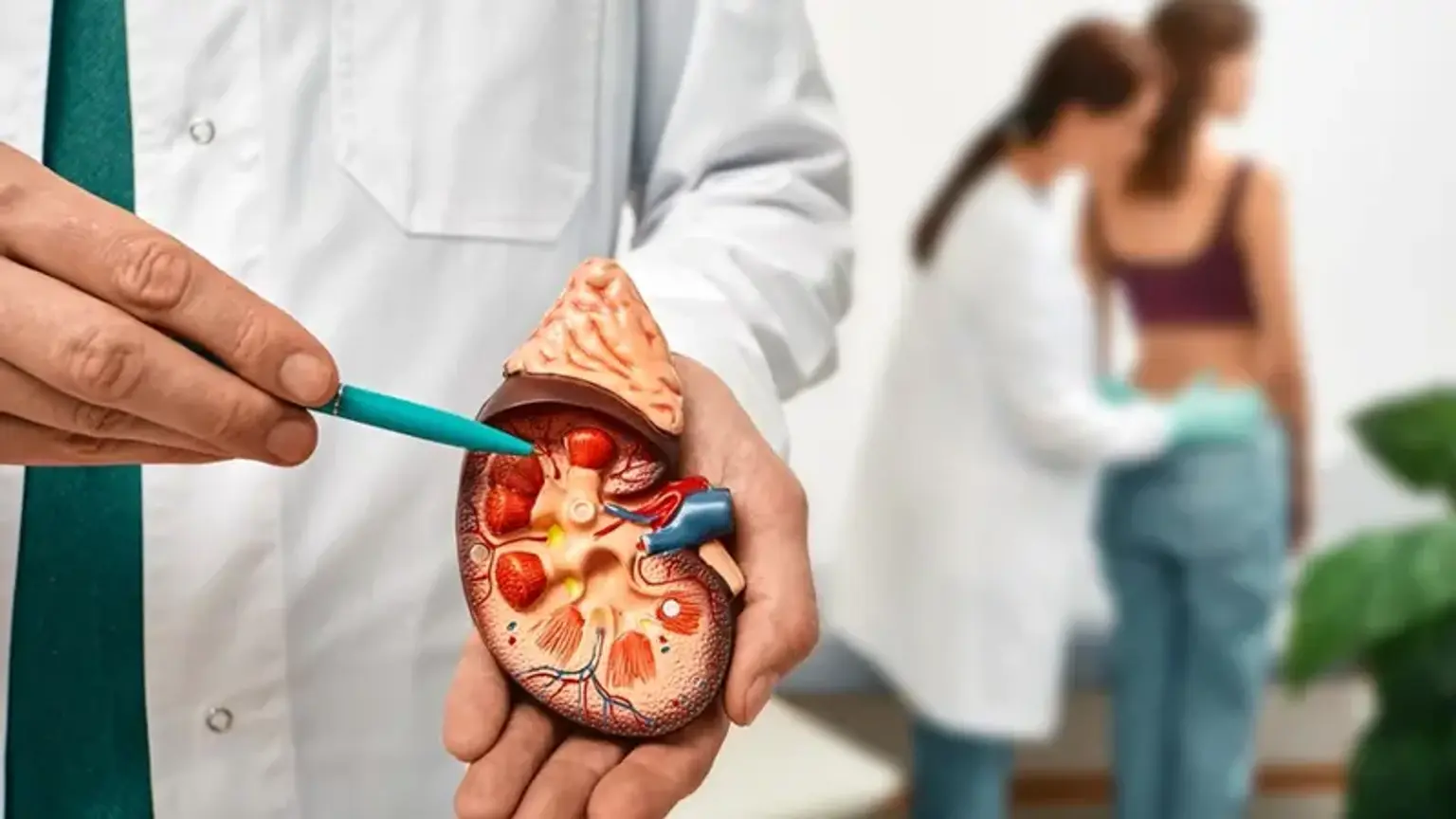
Acute Tubular Necrosis (ATN) is a serious medical condition and a leading cause of acute kidney injury (AKI) in hospitalized patients. It represents a rapid decline in kidney function due to damage to the kidney's tubular cells, which are essential for filtering waste and reabsorbing nutrients. Understanding this condition is the first step toward effective management and recovery. This guide offers a comprehensive overview for those seeking to understand the causes, symptoms, diagnosis, and advanced treatments for ATN.
What is Acute Tubular Necrosis?
what-is-acute-tubular-necrosisAcute Tubular Necrosis is a form of kidney failure characterized by the death of the epithelial cells that form the renal tubules of the kidneys. These tubules are critical components of the kidney's filtering system. When they are damaged, the kidneys lose their ability to effectively remove waste products and excess fluid from the blood, leading to a rapid buildup of toxins. While the term necrosis implies cell death, the condition can also involve cellular damage that is potentially reversible if the underlying cause is addressed promptly and effectively.
What are the Main Causes and Risk Factors for Acute Tubular Necrosis?
what-are-the-main-causes-and-risk-factors-for-acute-tubular-necrosisThe primary cause of ATN is a lack of oxygen and blood flow to the kidneys (ischemia) or exposure to substances that are poisonous to the kidneys nephrotoxins.
Ischemic Causes (Lack of Blood Flow):
Severe Hypotension: A significant drop in blood pressure from events like major surgery, severe infection (sepsis), or traumatic injury.
Dehydration: Extreme fluid loss that reduces blood volume.
Major Trauma or Burns: Conditions that can lead to shock and reduced blood flow to vital organs.
Cardiac Events: Conditions like a heart attack or congestive heart failure that impair the heart's ability to pump blood effectively.
Nephrotoxic Causes (Toxin Exposure):
Medications: Certain drugs are known to be potentially harmful to the kidneys, including some antibiotics like aminoglycosides, NSAIDs (nonsteroidal anti-inflammatory drugs) like ibuprofen, and chemotherapy agents.
Contrast Dyes: Radiocontrast agents used for imaging tests like CT scans can sometimes cause kidney damage, particularly in individuals with pre-existing kidney issues.
Heavy Metals: Exposure to substances like mercury or lead.
Rhabdomyolysis: A condition where damaged muscle tissue breaks down rapidly, releasing a protein called myoglobin into the blood that is toxic to the kidney tubules.
What are the Symptoms and Signs of Acute Tubular Necrosis?
what-are-the-symptoms-and-signs-of-acute-tubular-necrosisThe symptoms of ATN can develop rapidly and often mirror those of general acute kidney injury. It is critical to recognize these signs, as early intervention significantly improves outcomes.
Decreased Urine Output (Oliguria): This is one of the most common and telling signs.
Fluid Retention: Leading to swelling (edema) in the legs, ankles, or around the eyes.
Nausea and Vomiting: A result of waste products building up in the blood.
General Malaise and Fatigue: A profound sense of feeling unwell and tired.
Confusion or Drowsiness: In severe cases, as toxins affect brain function.
Shortness of Breath: Due to fluid accumulation in the lungs.
How is Acute Tubular Necrosis Diagnosed and Treated?
how-is-acute-tubular-necrosis-diagnosed-and-treatedA nephrologist (kidney specialist) will use a combination of laboratory tests, imaging, and sometimes a tissue sample to confirm a diagnosis of ATN.
Diagnostic Process:
Blood Tests: A key step is to measure levels of creatinine and blood urea nitrogen (BUN). Elevated levels indicate that the kidneys are not filtering waste properly.
Urine Tests (Urinalysis): A urine sample is analyzed for the presence of muddy brown casts, which are clumps of dead tubular cells and a classic sign of ATN. Urine sodium levels and fractional excretion of sodium (FeNa) also help differentiate ATN from other causes of AKI.
Kidney Ultrasound: This imaging test helps rule out a physical blockage in the urinary tract as the cause of kidney failure.
Kidney Biopsy: In some cases where the diagnosis is uncertain, a small sample of kidney tissue is removed with a needle and examined under a microscope. This is the most definitive way to confirm ATN.
Treatment focuses on supporting the patient and managing complications while giving the kidney tubules time to heal and regenerate. This involves identifying and treating the underlying cause, such as restoring blood flow or discontinuing a nephrotoxic drug. Supportive care includes managing fluid and electrolyte balance and, if necessary, providing temporary kidney support.
Can You Fully Recover from Acute Tubular Necrosis?
can-you-fully-recover-from-acute-tubular-necrosisYes, many patients can achieve a full or near full recovery from acute tubular necrosis. The key to recovery is the remarkable ability of the kidney's tubular cells to regenerate. The recovery process, however, depends heavily on the patient's overall health, the severity of the initial injury, and the promptness of treatment. The recovery phase often involves a period of high urine output as the new tubules are not yet able to concentrate urine effectively. Full recovery of kidney function can take several weeks to months.
"It started so suddenly. I went from feeling fine to being exhausted and barely able to produce any urine. The diagnosis of ATN was terrifying, but the medical team was incredible. Watching my kidney function slowly return to normal on the daily blood tests gave me hope. It was a long road, but I'm incredibly grateful my kidneys recovered." – An anonymous patient, United States.
When Should I See a Doctor for Potential Kidney Issues?
when-should-i-see-a-doctor-for-potential-kidney-issuesYou should seek immediate medical attention if you experience a sudden and significant decrease in your urine output, especially if it is accompanied by other symptoms like swelling, severe fatigue, nausea, or confusion. If you have known risk factors, such as diabetes, heart disease, or are taking medications known to affect the kidneys, it is crucial to be vigilant and report any unusual symptoms to your doctor without delay.
Recommended Clinics with Relevant Expertise in South Korea
recommended-clinics-with-relevant-expertise-in-south-koreaSouth Korea is home to world-class medical facilities with advanced nephrology departments capable of managing complex conditions like Acute Tubular Necrosis.
Website | Clinic Name | Best Known For | Address | Contact |
|---|---|---|---|---|
Ddm Nephrology | Specialized Nephrology and Dialysis Center | Seoul, South Korea | ||
Hyesung Internal Medicine Clinic | Comprehensive Internal Medicine including Kidney Care | Seoul, South Korea | ||
EL Hospital | General Hospital with Internal Medicine Department | Gyeonggi-do, South Korea | ||
Bumin Hospital Group | Major Comprehensive Hospital with a Nephrology Center | Busan, South Korea | ||
Incheon Sejong Hospital | Advanced Specialty Hospital with Internal Medicine | Incheon, South Korea | ||
Daejeon Sun Hospital | University-level General Hospital | Daejeon, South Korea | ||
Wonkwang University Hospital | University Hospital with a strong Nephrology Department | Jeonbuk, South Korea | ||
Yeungnam University Medical Center | Leading University Medical Center with Kidney Transplant Services | Daegu, South Korea |
Recommended Treatment/Procedure Names with Average Costs in South Korea
recommended-treatmentprocedure-names-with-average-costs-in-south-koreaTreatment for ATN is multifaceted, ranging from supportive care to advanced interventions. The costs below are estimates and can vary based on the patient's condition and the specific hospital.
Treatment/Procedure Name | Duration | Hospitalization? | Avg. Cost (USD) in S. Korea | Contact |
|---|---|---|---|---|
Professional Nephrology Consultation & Monitoring | 30-60 mins | Not Needed | $150 - $400 | |
Kidney Biopsy | 30-60 mins | Needed (1 -2days) | $1,500 - $3,500 | |
Dialysis (Hemodialysis, per session) | 3-5 hours | Not Needed | $300 - $600 | |
Dialysis (Peritoneal, monthly supplies) | 1-2 hours | Not Needed | $2,000 - $4,000 | |
ACE Inhibitors/ARBs (Prescription Plan) | 1-2 hours | Not Needed | $400 - $900 | |
GLP-1 / SGLT2 Inhibitors (for eligible patients) | 2-3 hours | Not Needed | $800 - $2,000 | |
Renal Autologous Cell Therapy | 1-2 hours | Needed (1-3 days) | $15,000 - $30,000 | |
Stem Cell Therapy for Kidney Failure | 1-2 hours | Needed (1-3 days) | $18,000 - $35,000 | |
Kidney Transplant | 3-5 hours | Needed (5-14 days) | $35,000 - $65,000 |
What Are Common Questions About Acute Tubular Necrosis?
what-are-common-questions-about-acute-tubular-necrosisThis section addresses practical questions patients often have about ATN.
1. What is the difference between Acute Tubular Necrosis and Acute Kidney Injury?
1.-what-is-the-difference-between-acute-tubular-necrosis-and-acute-kidney-injuryAcute Kidney Injury (AKI) is a broad term for any sudden decline in kidney function. Acute Tubular Necrosis (ATN) is a specific type of AKI. ATN is an intrinsic cause of AKI, meaning the damage is within the kidney itself, specifically to the tubules. Other causes of AKI can be pre-renal like dehydration, where there's nothing wrong with the kidney itself or post-renal like a blockage from a kidney stone.
2. Is ATN preventable?
2.-is-atn-preventableIn some cases, yes. Preventing ATN involves mitigating risk factors. This includes staying well-hydrated, carefully managing blood pressure, avoiding unnecessary use of NSAIDs, and informing doctors about any pre-existing kidney conditions before receiving IV contrast dye or starting new, potentially nephrotoxic medications. For hospitalized patients, medical teams work diligently to maintain blood pressure and fluid status to protect the kidneys.
3. How long does the recovery phase of ATN last?
3.-how-long-does-the-recovery-phase-of-atn-lastThe recovery timeline varies significantly. The initial phase of low urine output (oliguria) can last 1-2 weeks. This is often followed by a diuretic phase, where urine output increases dramatically but the kidneys are not yet concentrating waste effectively. This phase can also last 1-2 weeks. Full restoration of the glomerular filtration rate (GFR) and other kidney functions can take several weeks to several months.
4. Does ATN always require dialysis?
4.-does-atn-always-require-dialysisNot always. Dialysis is required when the kidney injury is severe enough to cause life threatening complications, such as dangerous levels of potassium , severe fluid overload, or a significant buildup of toxins leading to symptoms like confusion. If the injury is less severe and the underlying cause can be corrected quickly, the kidneys may recover without the need for dialysis.
5. Can I get ATN more than once?
5.-can-i-get-atn-more-than-onceYes, it is possible. An episode of ATN can make the kidneys more susceptible to future injury. Patients who have recovered from ATN are advised to be especially careful about protecting their kidney health going forward, which includes diligent management of chronic conditions like diabetes and hypertension, and avoiding nephrotoxic substances whenever possible.
Inquire About Advanced ATN Treatment Today!
regain-your-kidney-health:-inquire-about-advanced-atn-treatmentNavigating a diagnosis of Acute Tubular Necrosis can be overwhelming, but you are not alone. Taking the next step toward expert care is critical for recovery. We encourage you to inquire about treatment at South Korea's leading nephrology centers. By using a trusted medical liaison service, you ensure a seamless, transparent process from your first question to your post-recovery care. A dedicated Care Manager will handle the logistics, allowing you to focus solely on your health. Start Your Confidential Inquiry with CloudHospital and receive a personalized treatment plan from a top kidney specialist.