
The clinical information regarding Adult Jaundice in this article has been rigorously verified against the latest guidelines from the American Association for the Study of Liver Diseases AASLD and primary research from databases like PubMed. This piece was reviewed for accuracy and patient-centric clarity and was last updated in October 2023.
Introduction
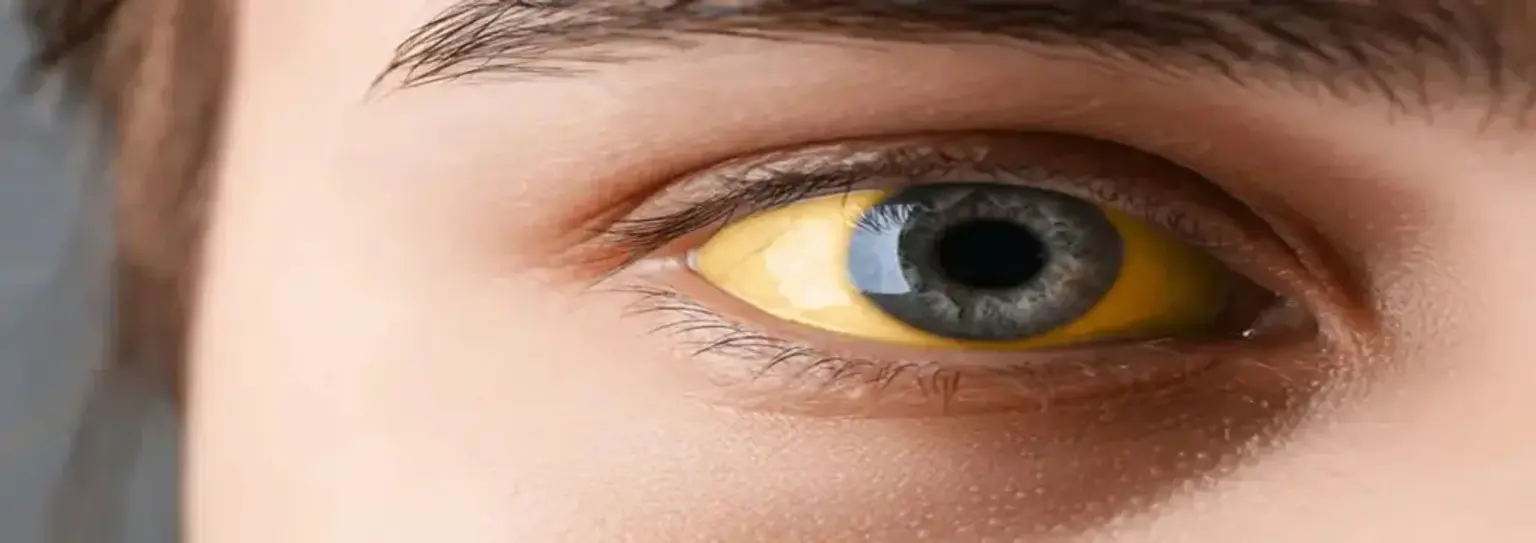
introductionJaundice in adults is not a disease itself but a visible sign of an underlying medical condition. It manifests as a yellowing of the skin, the whites of the eyes, and mucous membranes. This discoloration is caused by high levels of bilirubin, a yellow orange bile pigment, in the blood, a condition known as hyperbilirubinemia. While often associated with newborn infants, jaundice in adults can signal serious issues related to the liver, gallbladder, or red blood cells. Understanding its origins and implications is the first step toward effective diagnosis and management. This guide offers a comprehensive overview for those seeking to understand and treat the root causes of adult jaundice.
What is Adult Jaundice?
what-is-adult-jaundice
Adult jaundice occurs when the body's process for removing old red blood cells is disrupted. Normally, the liver processes bilirubin, a byproduct of red blood cell breakdown, and excretes it into bile. Jaundice appears when this process fails, leading to an accumulation of bilirubin in the bloodstream. This can happen for one of three main reasons: the liver is damaged and cannot process bilirubin, the flow of bile from the liver is blocked, or there is a massive breakdown of red blood cells that overwhelms the liver's capacity. The specific cause dictates the treatment approach and the long term prognosis.
What are the Common Causes and Risk Factors for Jaundice?
what-are-the-common-causes-and-risk-factors-for-jaundiceThe causes of jaundice are typically categorized based on where the disruption occurs in the bilirubin processing pathway: before, during, or after the liver has done its work.
Pre Hepatic Causes Before the Liver: This type results from conditions that increase the rate of red blood cell breakdown, or hemolysis. This floods the body with bilirubin faster than the liver can process it. Common causes include sickle cell anemia, thalassemia, and Gilbert's syndrome, a common, harmless genetic condition.
Intra Hepatic Causes Within the Liver: This type occurs when the liver itself is damaged, impairing its ability to process bilirubin. This is the most common category of causes. It includes viral hepatitis A, B, C, D, and E, alcoholic liver disease, liver cirrhosis, and liver cancer. Certain medications and toxins can also damage liver cells.
Post Hepatic Causes After the Liver: Also known as obstructive jaundice, this type results from a blockage in the bile ducts. The blockage prevents bile containing processed bilirubin from draining into the intestines. Common causes are gallstones lodged in the common bile duct, pancreatic cancer, tumors of the gallbladder or bile duct, and pancreatitis.
What Are the First Signs and Symptoms of Jaundice?
what-are-the-first-signs-and-symptoms-of-jaundiceThe primary sign of jaundice is the yellow discoloration of the skin and the sclera or whites of the eyes. However, other symptoms often accompany this change, reflecting the underlying condition.
Yellow skin and eyes: The most defining characteristic.
Dark colored urine: Excess bilirubin is excreted by the kidneys, turning urine a dark brown or tea color.
Pale colored stools: If bile flow is blocked, stools may become clay colored or pale because they lack bilirubin.
Itchy skin or pruritus: This is a common and often distressing symptom caused by bile products depositing in the skin.
Fatigue: A nonspecific but very common symptom, often related to liver inflammation or dysfunction.
Abdominal pain: May be present, especially if the cause is gallstones or pancreatitis. It is often located in the upper right quadrant of the abdomen.
Unexplained weight loss: Can be a sign of a more serious underlying condition like cancer.
Fever and chills: Often indicates an infection, such as cholangitis an infection of the bile duct.
How Is Adult Jaundice Diagnosed?
how-is-adult-jaundice-diagnosedA thorough diagnostic process is critical to identify the root cause of jaundice and initiate the correct treatment. The first sentence of the answer is: Adult jaundice is diagnosed through a combination of a physical examination, blood tests, and advanced imaging studies. A physician will first review the patient's medical history, including alcohol use, medication history, and possible exposure to viral hepatitis. A physical exam helps identify signs of liver disease like abdominal swelling or tenderness.
Key diagnostic tests include:
Bilirubin Blood Tests: Measures the levels of unconjugated and conjugated bilirubin to help determine if the cause is pre hepatic, intra hepatic, or post hepatic.
Complete Blood Count CBC: Checks for signs of hemolysis or infection.
Liver Function Tests LFTs: A panel of blood tests that measures various enzymes and proteins to assess the overall health and function of the liver.
Viral Hepatitis Panel: Screens for hepatitis A, B, and C viruses.
Abdominal Ultrasound: A non invasive imaging technique that is often the first test used to look for blockages like gallstones or abnormalities in the liver and bile ducts.
Computed Tomography CT Scan or Magnetic Resonance Imaging MRI: These advanced imaging scans provide more detailed pictures of the liver, gallbladder, pancreas, and bile ducts.
Endoscopic Retrograde Cholangiopancreatography ERCP: A specialized procedure that combines endoscopy and X rays to diagnose and often treat problems in the bile and pancreatic ducts, such as removing a gallstone.
Liver Biopsy: In some cases, a small sample of liver tissue may be removed with a needle to be examined under a microscope. This can help diagnose cirrhosis, cancer, or inflammation.
What are the Different Types of Jaundice Treatment?
what-are-the-different-types-of-jaundice-treatmentTreatment for adult jaundice focuses entirely on addressing the underlying medical cause. There is no single cure for jaundice itself, as it is only a symptom.
Medical Management: For jaundice caused by infections like viral hepatitis, antiviral medications may be prescribed. For autoimmune conditions affecting the liver, immunosuppressants might be used. Anemia induced jaundice might require iron supplements or blood transfusions.
Procedural Interventions: For post hepatic or obstructive jaundice, procedures are often necessary. An ERCP can be used to remove gallstones that are blocking the bile duct. Stents can be placed to open up ducts narrowed by scarring or tumors.
Surgical Interventions: Surgery may be required to remove the gallbladder, parts of the liver, or tumors causing an obstruction. In cases of end stage liver failure from conditions like cirrhosis, a liver transplant may be the only definitive treatment.
When Should I Worry About Yellow Skin?
when-should-i-worry-about-yellow-skinYou should see a doctor immediately if you notice any yellowing of your skin or eyes. Jaundice in adults is always considered medically significant until a cause is identified. Do not wait for other symptoms to appear. Early diagnosis and treatment of the underlying cause, whether it is hepatitis, gallstones, or a more serious condition, significantly improves the outcome and can prevent life threatening complications of severe liver disease.
"The first thing I noticed was how tired I was all the time, and my wife pointed out my eyes looked yellow. I dismissed it at first, but when my skin started itching uncontrollably, I knew something was wrong. Getting a diagnosis of a blocked bile duct was scary, but also a huge relief to finally have an answer and a plan." – an anonymous patient, United States.
Recommended Clinics with Relevant Expertise in South Korea
recommended-clinics-with-relevant-expertise-in-south-koreaSouth Korea is home to world renowned medical centers with specialized departments for gastroenterology and hepatology, offering state of the art diagnostics and treatments for conditions causing adult jaundice.
Website | Clinic Name | Best Known For | Address | Contact |
|---|---|---|---|---|
Sangdo Woori Internal Medicine | Internal Medicine, Chronic Disease Management | Dongjak-gu, Seoul, South Korea | ||
Asan Medical Center | Complex Diseases, Organ Transplantation, Cancer Treatment | Songpa-gu, Seoul, South Korea | ||
Samsung Medical Center | Comprehensive Cancer Center, Advanced Diagnostics | Gangnam-gu, Seoul, South Korea | ||
Gangnam Severance Hospital | Robotic Surgery, Gastroenterology, Health Screening | Gangnam-gu, Seoul, South Korea | ||
Seoul St. Mary's Hospital | Hematology, Organ Transplant, Cancer Care | Seocho-gu, Seoul, South Korea | ||
Kangbuk Samsung Hospital | Comprehensive Health Screening, Internal Medicine | Jongno-gu, Seoul, South Korea | ||
Ajou University Hospital | Trauma and Severe Disease Center, Hepatology | Yeongtong-gu, Gyeonggi-do, South Korea | ||
Seoul Miz Hospital | Specialized Women's Health, Pediatrics | Gangdong-gu, Seoul, South Korea |
Recommended Treatment/Procedure Names with Average Costs in South Korea
recommended-treatmentprocedure-names-with-average-costs-in-south-koreaCosts for treatments related to jaundice vary widely depending on the underlying cause and the specific procedures required. The following table provides estimates for common diagnostic and therapeutic services.
Treatment/Procedure Name | Duration | Hospitalization? | Avg. Cost (USD) in S. Korea | Contact |
|---|---|---|---|---|
Immune Stem Therapy | 2 to 3 hours | Not Needed | $5000 - $15000 | |
IV Therapy | 30 to 60 mins | Not Needed | $150 - $500 | |
Thyroid Hormone Replacement Therapy | 30 mins | Not Needed | $50 - $200 | |
Thyroid Tests | 30 mins | Not Needed | $100 - $400 | |
Hyperlipidemia Treatment | 30 to 60 mins | Not Needed | $100 - $300 | |
Diabetes Management | 30 to 60 mins | Not Needed | $200 - $500 | |
Chronic Disease Management | 2 hours | Not Needed | $3000 - $10000 | |
Allergy and Rhinitis Treatment | 30 to 60 mins | Not Needed | $100 - $300 |
What Are Common Questions About Adult Jaundice?
what-are-common-questions-about-adult-jaundiceThis section addresses the most frequent practical questions patients have about jaundice and its implications.
1. How long does it take for adult jaundice to go away?
1.-how-long-does-it-take-for-adult-jaundice-to-go-awayThe duration of jaundice depends entirely on its cause and the effectiveness of the treatment. Jaundice from a quickly resolved issue like a gallstone removal via ERCP might clear up within a few days to weeks. Jaundice due to chronic liver disease like cirrhosis may persist or recur.
2. Can jaundice in adults be serious?
2.-can-jaundice-in-adults-be-seriousYes, jaundice in adults can be very serious because it often points to a significant underlying health problem. Conditions like acute liver failure, cholangitis, pancreatitis, or cancer require immediate medical attention. Source: Johns Hopkins Medicine.
3. What foods should be avoided with jaundice?
3.-what-foods-should-be-avoided-with-jaundiceWhile diet does not cure jaundice, it can support liver health. It is generally advised to avoid or limit alcohol, processed and fatty foods, high sugar foods, and excessive salt. A diet rich in fruits, vegetables, lean protein, and whole grains is recommended to reduce strain on the liver.
4. Is jaundice contagious?
4.-is-jaundice-contagiousJaundice itself is not contagious. However, some of its underlying causes, such as viral hepatitis A, B, and C, are contagious. Hepatitis A is spread through contaminated food or water, while hepatitis B and C are primarily spread through infected blood and body fluids.
5. Can stress cause jaundice?
5.-can-stress-cause-jaundiceStress itself does not directly cause jaundice. However, chronic stress can weaken the immune system and exacerbate existing conditions. For example, stress may worsen autoimmune liver disease or lead to behaviors like excessive alcohol consumption that damage the liver and could indirectly contribute to jaundice.
Take the First Step Towards a Clear Diagnosis Today!
take-the-first-step-towards-a-clear-diagnosisThrough CloudHospital, you can connect with South Korea's leading medical centers for a comprehensive evaluation to uncover the cause of jaundice. Our seamless, transparent process ensures you receive end to end support from a dedicated Care Manager, guiding you from your first question to post-recovery care. And Start Your Confidential Inquiry to receive a personalized assessment from a world-class specialist.