

The clinical information regarding AI-Driven Diagnostics in this article has been rigorously verified against the latest findings from the Korean Ophthalmological Society (KOS) and primary research from databases like PubMed. This piece was reviewed for accuracy and patient-centric clarity and was last updated in August 2025.
Introduction
introductionSouth Korea's ophthalmology sector is undergoing a profound transformation, driven by the integration of artificial intelligence. This is not a distant future; it is happening now. AI-powered diagnostic tools are moving from research labs to clinical practice, offering unprecedented precision in detecting and managing eye diseases. This article explores the groundbreaking AI innovations shaping the future of patient care in Korean ophthalmology, enhancing diagnostic accuracy, and personalizing treatments like never before.
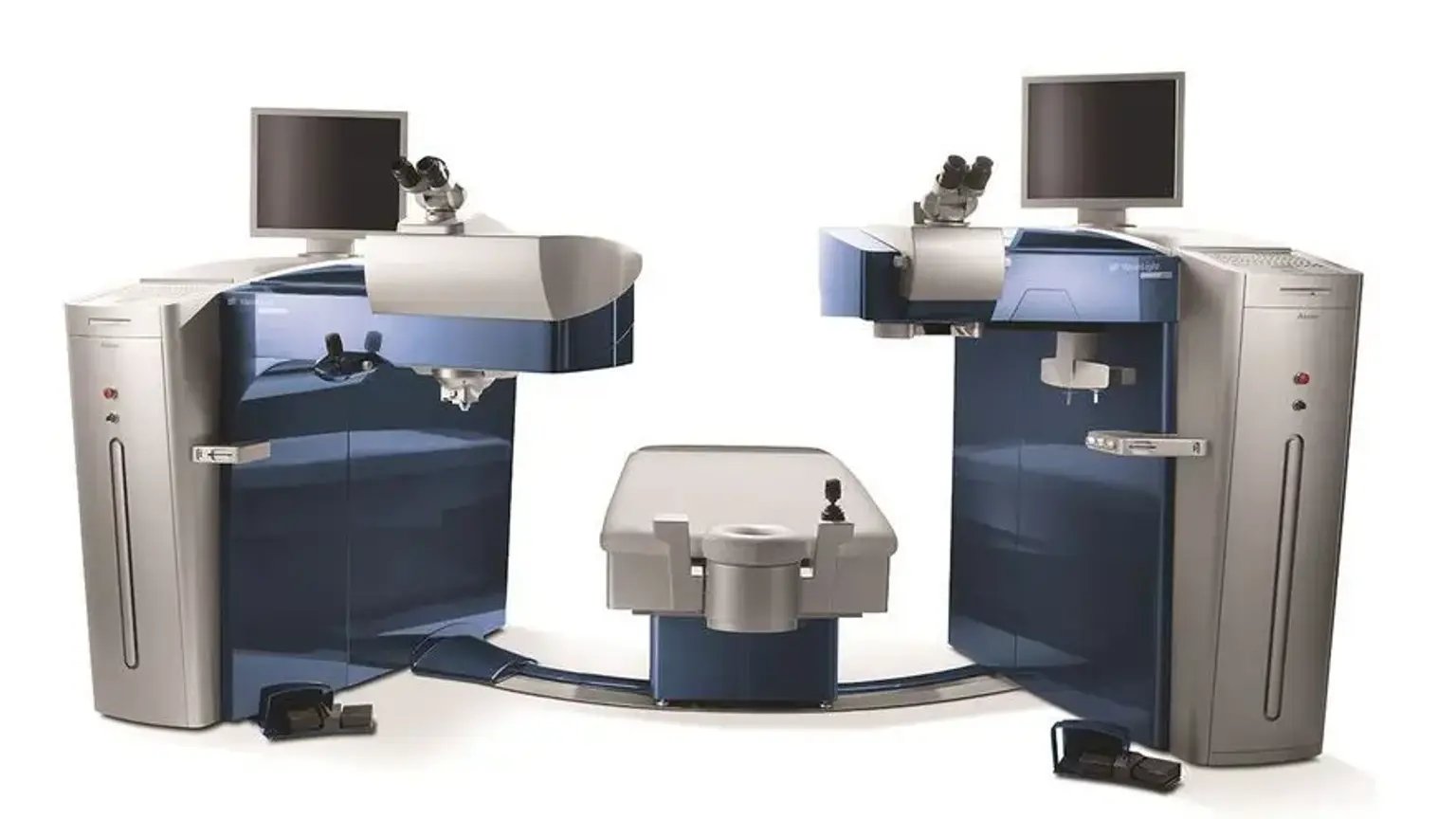
How is AI Revolutionizing Eye Disease Diagnosis in South Korea?
how-is-ai-revolutionizing-eye-disease-diagnosis-in-south-koreaArtificial intelligence is fundamentally reshaping the diagnostic landscape in ophthalmology by enabling earlier and more accurate detection of complex eye conditions. AI algorithms, particularly deep learning models, are trained on vast datasets of retinal images such as fundus photography and Optical Coherence Tomography (OCT) to identify subtle pathological signs that may be invisible to the human eye. In South Korea, institutions like Seoul National University Hospital have been at the forefront, developing explainable AI (XAI) platforms that not only diagnose conditions like [glaucoma] but also show clinicians the specific features that led to the diagnosis, solving the black box problem and building trust in the technology. This move towards AI-powered screening allows for rapid analysis of retinal scans, flagging at-risk patients for major diseases like diabetic retinopathy, glaucoma, and macular degeneration in minutes.
Can AI Detect Glaucoma and Diabetic Retinopathy Earlier?
can-ai-detect-glaucoma-and-diabetic-retinopathy-earlierYes, AI has demonstrated a remarkable ability to detect diseases like glaucoma and diabetic retinopathy at their earliest stages, often before a patient notices any symptoms. For glaucoma, which progresses silently, AI models can analyze optic nerve head changes from fundus images with high accuracy, facilitating crucial early intervention. Similarly, AI excels at screening for diabetic retinopathy, the leading cause of blindness in working-age adults. AI-powered devices can analyze retinal images and instantly determine if a patient needs to be referred to a specialist, a critical function in managing the widespread impact of diabetes. Korean health-tech startups like Mediwhale are leveraging this capability to screen for cardiovascular and kidney diseases through the same retinal scans, showcasing the eye as a powerful window into systemic health.
What Does AI-Driven Retinal Analysis Mean for Patient Outcomes?
what-does-ai-driven-retinal-analysis-mean-for-patient-outcomesFor patients, AI-driven retinal analysis translates to significantly improved outcomes through early and precise diagnosis. By identifying conditions like exudative age-related macular degeneration (AMD) sooner, treatments can begin promptly, minimizing the risk of severe vision loss. AI models can predict the two-year risk of progression to late-stage AMD with an accuracy of over 84%, providing a critical window for proactive management. Furthermore, AI is being developed to customize treatment plans. Deep learning can help predict a patient's visual acuity response to specific anti-VEGF treatments for neovascular AMD, increasing compliance and personalizing care. In the future, this technology will not just diagnose but also guide therapeutic choices, ensuring each patient receives the most effective intervention for their specific condition.
How Accurate and Safe Are AI Diagnostic Tools?
how-accurate-and-safe-are-ai-diagnostic-toolsThe accuracy of modern AI diagnostic tools in ophthalmology is exceptionally high, often matching or even exceeding that of human experts. A meta-analysis of AI algorithms for detecting exudative AMD reported sensitivity and specificity rates consistently above 93%. The U.S. FDA has already approved AI-based systems for autonomous diagnosis of diabetic retinopathy and for predicting AMD progression, underscoring their safety and efficacy. In Korea, the development of explainable AI (XAI) is a key focus to enhance safety and trust. By allowing clinicians to understand the AI's diagnostic reasoning, these systems act as a powerful second opinion, augmenting the doctor's expertise rather than simply replacing it.
The Future Trajectory: What's Next for AI in Korean Ophthalmology?
the-future-trajectory:-what's-next-for-ai-in-korean-ophthalmologyThe horizon for AI in Korean eye care is bright with innovation. Researchers are developing smart contact lenses embedded with sensors that can continuously monitor intraocular pressure for glaucoma and administer medication automatically as needed. Beyond diagnostics, AI is poised to revolutionize surgical planning for procedures like LASIK, SMILE Eye Surgery, and premium cataract surgery by analyzing corneal topography and other biometric data to predict and optimize post-surgical outcomes. Additionally, breakthroughs at institutions like KAIST in retinal therapy, potentially aided by AI in identifying candidates and monitoring progress, aim to not just slow disease but restore lost vision.
"Hearing about the new AI that can predict the risk of my AMD getting worse gives me so much hope. It feels like we're finally getting ahead of the disease, not just reacting to it. Knowing that technology is working to protect my sight is incredibly reassuring." – An anonymous patient, USA.
Recommended Clinics with Relevant Expertise in South Korea
recommended-clinics-with-relevant-expertise-in-south-koreaSouth Korea is home to numerous world-class ophthalmology centers that are either early adopters of AI-driven technologies or are renowned for their expertise in the complex conditions AI aims to diagnose.
Visit Website | Clinic Name | Best Known For | Address | Contact |
|---|---|---|---|---|
SNU Eye Clinic | Comprehensive eye care, vision correction, and pioneering research by university-affiliated experts. | Gangnam-gu, Seoul, South Korea | ||
Gangnam Joeunnun Vision Clinic | Advanced vision correction surgeries like LASIK, LASEK, and ICL. | Gangnam-gu, Seoul, South Korea | ||
Jryn Eye Clinic | Specialized eye treatments and vision correction in a modern facility. | Busanjin-gu, Busan, South Korea | ||
Global Ubal Eye Center | Expertise in a wide range of eye surgeries and treatments for international patients. | Jung-gu, Incheon, South Korea | ||
Cha University Bundang Medical Center | Multidisciplinary hospital with a strong ophthalmology department known for complex case management. | Bundang-gu, Seongnam-si, South Korea | ||
Chosun University Hospital | Major university hospital providing comprehensive ophthalmic care and treatment. | Dong-gu, Gwangju, South Korea | ||
Kangdong Sacred Heart Hospital | Noted for advanced vision correction and ICL procedures, part of Hallym University Medical Center. | Gangdong-gu, Seoul, South Korea | ||
Samyook Busan Adventist Hospital | Providing comprehensive medical care including specialized eye treatments. | Seo-gu, Busan, South Korea |
Recommended Treatment/Procedure Names with Average Costs in South Korea
recommended-treatmentprocedure-names-with-average-costs-in-south-koreaThe following table outlines common and advanced ophthalmic procedures available in South Korea, with estimated costs. These procedures represent the types of treatments that will be increasingly informed and optimized by AI diagnostics.
Treatment/Procedure Name | Duration | Hospitalization? | Avg Cost Range (USD) in S. Korea | Contact |
|---|---|---|---|---|
LASIK | 10-20 mins | Not Needed | $1,000 - $3,000 | |
LASEK | 10-20 mins | Not Needed | $900 - $1,900 | |
SMILE Eye Surgery | 10-15 mins | Not Needed | $1,900 - $3,400 | |
Implantable Collamer Lens (ICL) Surgery | 20-30 mins | Not Needed | $4,000 - $8,000 | |
Cataract Surgery (Standard Monofocal IOL) | 10-20 mins | Not Needed | $1,100 - $2,300 | |
Premium Cataract Surgery with IOLs | 15-25 mins | Not Needed | $2,700 - $4,900 | |
Presbyopia Correction (Surgical) | 15-30 mins | Not Needed | $1,880 - $5,500 | |
Dry Eye Treatment (IPL, LipiFlow) | 15-30 mins | Not Needed | $200 - $800 | |
Glaucoma Treatment (SLT, MIGS) | 10-20 mins | Not Needed | $500 - $1,500 | |
Treatment for Retinal Diseases (Injections) | 5-10 mins | Not Needed | $500 - $2,000 | |
Vitreoretinal Surgery | 1-3 hours | Needed (1-3 days) | $5,000 - $15,000 | |
Treatment for Keratoconus (CXL) | 30-60 mins | Not Needed | $8,500 - $11,510 | |
Corneal Transplantation Surgery | 1-2 hours | Needed (1-3 days) | $8,500 - $11,000 |
What Patients Should Know About These Future Technologies
what-patients-should-know-about-these-future-technologiesAs AI continues to integrate into clinical practice, patients should feel empowered and optimistic. Here are answers to common questions about accessing these advanced techniques.
1. How can I find a clinic that uses these advanced AI techniques?
1.-how-can-i-find-a-clinic-that-uses-these-advanced-ai-techniquesStart by researching major university hospitals and specialized private eye clinics in South Korea, as they are typically the first to adopt new technologies. Look for clinics that mention AI-powered diagnostics, deep learning analysis, or specific advanced imaging like high-resolution OCT. Services like CloudHospital can connect you with pre-vetted institutions known for their technological advancements.
2. How soon will AI-driven diagnostics be a standard part of every eye exam?
2.-how-soon-will-ai-driven-diagnostics-be-a-standard-part-of-every-eye-examWhile not yet standard everywhere, AI screening for major diseases like diabetic retinopathy and glaucoma is becoming increasingly common in large hospitals and health check-up programs in Korea. Widespread adoption for a broader range of conditions will likely occur over the next 3-5 years as more systems gain regulatory approval and clinicians become more familiar with the technology.
3. Do these new technologies make treatments more expensive?
3.-do-these-new-technologies-make-treatments-more-expensiveInitially, there might be a premium for AI-assisted diagnostics or treatment planning. However, the long-term goal of AI is to make healthcare more efficient and affordable. By detecting diseases earlier, AI can prevent the need for more complex and costly treatments down the line. Competitive pricing among Korean clinics often helps to moderate the cost of new technologies.
4. What challenges remain for implementing AI in Korean eye clinics?
4.-what-challenges-remain-for-implementing-ai-in-korean-eye-clinicsThe primary challenges include ensuring seamless integration with existing hospital information systems, managing patient data privacy and security, and the need for ongoing training for medical staff. Another hurdle is overcoming the black box nature of some AI, which is why Korean researchers are emphasizing the development of explainable AI (XAI) to build clinical trust and ensure accountability.
5. Will AI replace my ophthalmologist?
5.-will-ai-replace-my-ophthalmologistNo. AI is a powerful tool designed to augment, not replace, the expertise of your ophthalmologist. The technology excels at analyzing vast amounts of data to detect patterns, but the final diagnosis, treatment plan, and patient relationship will always require the nuanced judgment and compassionate care of a human doctor. Think of AI as an incredibly sophisticated assistant that empowers your doctor to provide even better care.
Embrace Clarity: Begin Your Journey with AI-Enhanced Eye Care Now!
embrace-clarity:-begin-your-journey-with-ai-enhanced-eye-careThe future of ophthalmology is here, and it offers a clearer path to diagnosis and treatment than ever before. South Korea's leadership in medical innovation provides a unique opportunity to benefit from these advanced AI-driven technologies. By encouraging early detection and personalized care, these tools empower you to take proactive control of your vision health. For a seamless, transparent process, go through CloudHospital and get end-to-end support from a dedicated Care Manager. Start Your Confidential Inquiry and receive a free, personalized treatment plan from Korea's leading eye specialists.