

The clinical information regarding Alpha-1 Antitrypsin Deficiency in this article has been rigorously verified against the latest guidelines from the Alpha-1 Foundation and primary research from databases like PubMed. This piece was reviewed for accuracy and patient-centric clarity and was last updated in October 2023.
Introduction
introductionAlpha-1 Antitrypsin Deficiency (AATD) is a significant, yet often under recognized, genetic condition that can lead to serious lung and liver disease. While it is estimated to affect approximately 1 in every 2,500 to 5,000 individuals, many remain undiagnosed, mistaking their symptoms for more common conditions like asthma or smoking related COPD. This comprehensive guide provides a clear overview of AATD, from its genetic roots to the diagnostic process, empowering patients and families with the knowledge needed to seek timely and effective care.
What is Alpha-1 Antitrypsin Deficiency?
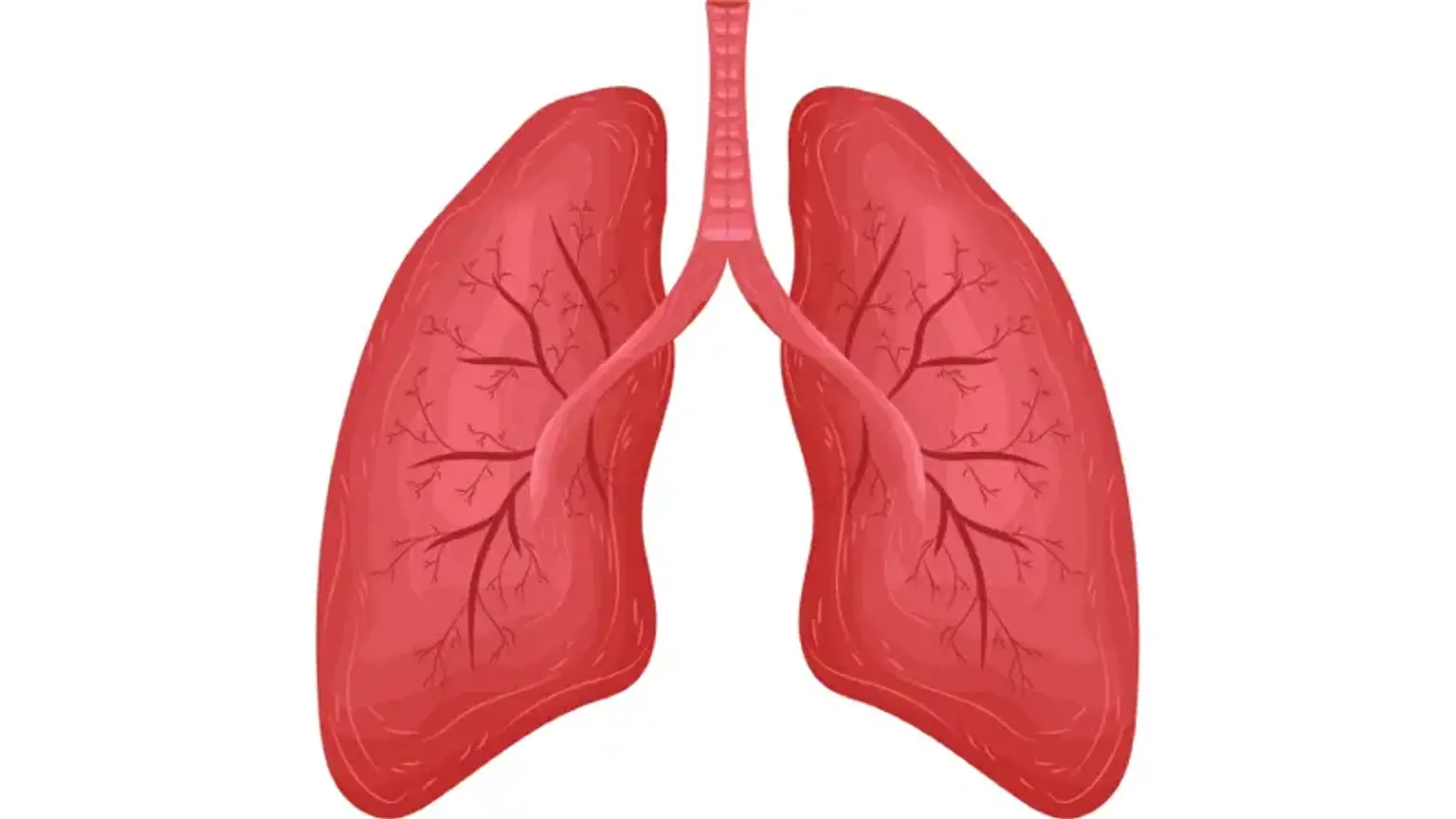
what-is-alpha-1-antitrypsin-deficiencyAlpha-1 Antitrypsin Deficiency is an inherited disorder where the body does not produce enough of a protein called alpha-1 antitrypsin (AAT). This protein is primarily made in the liver and plays a crucial role in protecting the lungs from damage caused by inflammation and harmful enzymes.
The primary function of the AAT protein is to neutralize an enzyme called neutrophil elastase. In a healthy individual, this enzyme is released by white blood cells to fight infection. The AAT protein then deactivates it once the infection is clear. In a person with AATD, there is not enough AAT protein to do this job. Unchecked, the elastase enzyme begins to attack and destroy the delicate elastic fibers in the walls of the lungs' air sacs. This destruction leads to a loss of lung elasticity and the development of lung disease, most notably emphysema.
Furthermore, in some types of AATD, the abnormal AAT protein gets stuck in the liver cells where it is made. This accumulation can cause significant liver damage, leading to scarring cirrhosis and increasing the risk of liver cancer.
Is Alpha-1 Antitrypsin Deficiency a Genetic Disease?
is-alpha-1-antitrypsin-deficiency-a-genetic-diseaseYes, Alpha-1 Antitrypsin Deficiency is purely a genetic condition. It is caused by mutations in the SERPINA1 gene, which provides the instructions for making the AAT protein. A person inherits one copy of this gene from each parent.
Normal Genes (M): The most common and normal version of the gene is called 'M'. A person with two M genes has normal levels of AAT protein.
Deficient Genes (Z, S): The most common gene variant that causes severe deficiency is the 'Z' gene. The 'S' gene causes a milder deficiency.
Inheritance Pattern:
PiZZ: Inheriting two Z genes results in severe AATD, with very low protein levels and the highest risk for lung and liver disease.
PiSZ: Inheriting one S and one Z gene leads to a moderate risk of lung disease.
PiMZ: Inheriting one M and one Z gene makes someone a carrier. They may have slightly lower AAT levels and a small increased risk of lung problems, especially if they smoke.
Because it is an inherited condition, individuals with a family history of AATD, emphysema, or unexplained liver disease are at a higher risk.
What are the First Signs of Alpha-1 Antitrypsin Deficiency?
what-are-the-first-signs-of-alpha-1-antitrypsin-deficiencyThe initial symptoms of AATD are often non-specific and can be easily attributed to other conditions, leading to significant diagnostic delays. The onset and severity of symptoms can vary widely between individuals.
Lung-Related Symptoms (Most common in adults):
Shortness of breath, especially during or after physical activity.
A persistent, wheezing cough that may or may not produce phlegm.
Reduced ability to exercise or perform daily tasks.
Recurrent chest colds or respiratory infections like bronchitis or pneumonia.
Early onset of COPD or emphysema, particularly in non-smokers or those with minimal smoking history before age 45.
Liver-Related Symptoms (Can occur in infants, children, and adults):
In Newborns: Jaundice like yellowing of the skin and eyes that lasts longer than usual, poor weight gain, and an enlarged spleen.
In Children & Adults: Unexplained elevated liver enzymes found on a blood test.
Fatigue and swelling in the legs or abdomen.
An enlarged liver.
In advanced cases, symptoms of cirrhosis or liver failure.
How is Alpha-1 Antitrypsin Deficiency Diagnosed?
how-is-alpha-1-antitrypsin-deficiency-diagnosedDiagnosing AATD is a straightforward process that begins with a simple blood test. The diagnostic pathway typically involves several steps to confirm the condition and assess its impact.
Initial Blood Test (AAT Level): A healthcare provider will first order a test to measure the concentration of AAT protein in the blood. A level below the normal range strongly suggests AATD and warrants further investigation.
Phenotype or Genotype Testing:
Phenotyping: This blood test identifies the specific type of AAT protein a person is producing like M, S, Z, which confirms the diagnosis and helps predict disease risk. The PiZZ phenotype is associated with the most severe form of the disease.
Genotyping: This test directly analyzes the SERPINA1 gene from a blood or saliva sample to identify the specific mutations present. It is the most definitive diagnostic test.
Pulmonary Function Tests (PFTs): Also known as spirometry, these non-invasive breathing tests measure how well the lungs are working. They assess lung capacity, airflow, and how efficiently oxygen is transferred to the blood. PFTs are essential for determining the extent of any lung damage.
Imaging Scans: A chest X-ray or a high-resolution computed tomography (CT) scan can provide detailed images of the lungs, revealing damage like emphysema that may not be visible on a standard X-ray.
Liver Function Tests & Ultrasound: Blood tests to measure liver enzymes and an abdominal ultrasound may be performed to check for any signs of liver damage or scarring.
Who Should Be Tested for Alpha-1 Antitrypsin Deficiency?
who-should-be-tested-for-alpha-1-antitrypsin-deficiencyThe World Health Organization (WHO) and the American Thoracic Society (ATS) recommend testing for AATD in specific patient groups to ensure early diagnosis and intervention.
All individuals diagnosed with Chronic Obstructive Pulmonary Disease (COPD), regardless of their age or smoking history.
Adults and adolescents with persistent asthma that does not respond well to standard treatment.
Individuals with unexplained liver disease or elevated liver enzymes.
People with a family history of AATD, emphysema, or liver disease.
Adults with necrotizing panniculitis, a rare skin condition associated with AATD.
Can Alpha-1 Antitrypsin Deficiency Be Cured or Managed?
can-alpha-1-antitrypsin-deficiency-be-cured-or-managed"For years, I was told it was just 'bad asthma.' Getting the AATD diagnosis was overwhelming, but it was also a relief. Finally, there was a real reason for my shortness of breath, and a clear path forward for managing my health." – An anonymous patient, United States.
While there is no cure for the genetic defect itself, the diseases caused by AATD can be effectively managed. Treatment focuses on slowing the progression of lung disease, protecting the liver, and managing symptoms.
Lifestyle Modifications: The single most important step for individuals with AATD is to never smoke and to avoid secondhand smoke. Environmental pollutants and occupational dust/fumes should also be avoided.
Standard COPD/Asthma Treatments: Inhaled bronchodilators and corticosteroids are used to open airways and reduce inflammation, helping to manage respiratory symptoms.
Augmentation Therapy: For eligible individuals with established lung disease emphysema, this therapy involves weekly or bi weekly intravenous (IV) infusions of AAT protein collected from healthy plasma donors. This treatment increases the level of AAT protein in the blood and lungs, helping to protect them from further damage. It does not reverse existing damage but can significantly slow the disease's progression.
Liver Disease Management: Treatment for liver involvement focuses on supportive care, monitoring for complications like cirrhosis, and, in cases of end stage liver failure, liver transplantation. A liver transplant effectively cures the AATD, as the new liver produces normal AAT protein.
Vaccinations: Annual flu shots and pneumonia vaccines are critical to prevent respiratory infections that can cause severe lung damage.
When Should I See a Doctor for AATD Symptoms?
when-should-i-see-a-doctor-for-aatd-symptomsYou should consult a healthcare professional, preferably a pulmonologist, if you experience any of the following:
Persistent shortness of breath that is out of proportion with your age and fitness level.
A diagnosis of COPD or emphysema before the age of 45.
A family history of early onset emphysema or unexplained liver disease.
Asthma that is difficult to control with standard medications.
Unexplained abnormal liver function tests.
Early diagnosis is the key to preventing severe, irreversible lung and liver damage.
Recommended Clinics with Relevant Expertise in South Korea
recommended-clinics-with-relevant-expertise-in-south-koreaSouth Korea is home to world-class medical centers with advanced pulmonology and hepatology departments capable of diagnosing and managing complex conditions like Alpha-1 Antitrypsin Deficiency.
Website | Clinic Name | Best Known For | Address | Contact |
|---|---|---|---|---|
Asan Medical Center | Comprehensive Pulmonology, Organ Transplantation, and Critical Care | Songpa-gu, Seoul,South Korea | ||
Seoul St. Mary's Hospital-Seocho | Advanced Diagnostics, Interstitial Lung Disease, and Oncologic Pulmonology | Seocho-gu, Seoul,South Korea | ||
Seoul National University Hospital- ganganm district | Leading Research Hospital, Urologic Oncology | Gangnam-gu, Seoul, South Korea | ||
Severance Hospital | Integrated Medicine, Pulmonary Hypertension, and Advanced COPD Management | Seodaemun-gu, Seoul, South Korea | ||
Kyung Hee University Hospital At Gangdong | Critical Care Medicine, Sleep Medicine, and Interstitial Lung Disease (ILD) | Gangdong-gu, Seoul, South Korea | ||
Soon Chun Hyang University Hospital Seoul | Regional Leader in Pulmonary and Critical Care Medicine, Oncologic Pulmonology | Yongsan-gu, Seoul, South Korea | ||
Chungnam National University Hospital | Specialized Centers for Respiratory and Internal Medicine, Advanced Diagnostics | Jung-gu, Daejeon, South Korea | ||
H Plus Yangji Hospital | State-of-the-Art Facilities for Respiratory Diseases and Critical Care | Gwanak-gu, Seoul, South Korea | ||
Ewha Womans University Seoul Hospital | Advanced Asthma and COPD Clinics | Gangseo-gu, Seoul, South Korea |
Recommended Treatment/Procedure Names with Average Costs in South Korea
recommended-treatmentprocedure-names-with-average-costs-in-south-koreaThe management of AATD-related complications involves various diagnostic and therapeutic procedures available at leading South Korean hospitals. Costs are estimates and can vary based on the specific hospital and patient condition.
Treatment/Procedure Name | Duration | Hospitalization? | Avg. Cost (USD) in S. Korea | Contact |
|---|---|---|---|---|
Lung Cancer (Oncologic Pulmonology) | 1 week | Needed (1-2 weeks) | $15,000 - $40,000 | |
Interstitial Lung Disease (ILD) Diagnosis & Management | 3–5 days | Not Needed | $2,000 - $5,000 | |
Pulmonary Hypertension Evaluation | 1-2 days | Needed | $4,000 - $8,000 | |
Severe & Complex Asthma Management | 3–7 days | Not Needed | $1,500 - $3,000 | |
Critical Care Medicine (for ARDS) | 1–3 weeks | Needed(2-4 weeks) | $2,000 - $5,000 | |
Interventional Pulmonology (e.g., Bronchoscopy) | 30-60 mins | Not Needed | $1,500 - $3,000 | |
Advanced COPD Management | 3–7 days | Not Needed | $1,000 - $2,500 | |
Sleep Medicine (for Sleep Apnea Study) | 1 day | Needed (1-2days) | $1,200 - $2,500 |
What Are Common Questions About Alpha-1 Antitrypsin Deficiency?
what-are-common-questions-about-alpha-1-antitrypsin-deficiencyThis section addresses common practical questions patients have about living with the condition.
1. What is the life expectancy with Alpha-1 Antitrypsin Deficiency?
1.-what-is-the-life-expectancy-with-alpha-1-antitrypsin-deficiencyLife expectancy for individuals with AATD has improved significantly and varies greatly based on several factors. The most critical factor is smoking. A non-smoker with PiZZ AATD who is diagnosed early can have a near-normal life expectancy. Conversely, a smoker with PiZZ AATD can have their life expectancy reduced by 10-15 years or more . Early diagnosis and proper management, including augmentation therapy where appropriate, are key to a better prognosis.
2. If I'm a carrier (PiMZ), am I at risk?
2.-if-i'm-a-carrier-(pimz)-am-i-at-riskBeing a carrier (PiMZ) means you have one normal gene and one deficient gene. While your risk is much lower than someone with PiZZ, you may have a slightly increased risk of developing COPD, especially if you smoke. It is crucial for all AATD carriers to completely avoid smoking and minimize exposure to lung irritants. Your AAT protein levels are lower than normal but generally sufficient to protect the lungs if you do not smoke.
3. Can diet affect my condition?
3.-can-diet-affect-my-conditionWhile no specific diet can treat AATD, a healthy, balanced diet is vital for overall health, especially lung and liver function.
For Lung Health: Maintaining a healthy weight prevents extra strain on the respiratory system. A diet rich in antioxidants can help fight inflammation.
For Liver Health: It is critical to avoid alcohol, as it can accelerate liver damage. A low-sodium diet may be recommended if fluid retention is an issue due to liver disease.
4. Does AATD only affect people of European descent?
4.-does-aatd-only-affect-people-of-european-descentAATD is most common in individuals of Northern European and Iberian Spanish, Portuguese descent. However, it is found in all ethnic groups and populations around the world. The belief that it is exclusively a European disease is a misconception that can contribute to under-diagnosis in other populations.
5. Can I exercise with AATD?
5.-can-i-exercise-with-aatdYes, and you should. Regular, gentle exercise is highly recommended. Pulmonary rehabilitation programs, which combine supervised exercise with education and support, are extremely beneficial. Exercise can improve your cardiovascular fitness, strengthen your breathing muscles, and enhance your overall quality of life. It is essential to work with your healthcare provider to create a safe and effective exercise plan.
6. Will my children have Alpha-1 Antitrypsin Deficiency?
6.-will-my-children-have-alpha-1-antitrypsin-deficiencyThis depends on your genetic makeup phenotype and that of your partner. Genetic counseling is highly recommended for individuals with AATD who are planning a family.
If you have PiZZ AATD, all of your children will inherit at least one Z gene from you, making them at least carriers PiMZ if your partner is PiMM.
If both you and your partner are carriers (PiMZ), there is a 25% chance with each pregnancy of having a child with PiZZ AATD.
Your Path to Diagnosis and Management Starts Here!
your-path-to-diagnosis-and-management-starts-hereReceiving a potential diagnosis or managing a chronic condition like Alpha-1 Antitrypsin Deficiency can feel daunting. Taking the first step towards getting clear answers and expert care is crucial. By connecting with world-class pulmonology experts at leading South Korean hospitals, you gain access to advanced diagnostics and personalized treatment strategies. The process is seamless and transparent, with a dedicated Care Manager to support you from your initial inquiry through your entire treatment and recovery. And Start Your Confidential Inquiry with CloudHospital.