

The clinical information regarding Amebiasis in this article has been rigorously verified against the latest guidance from the World Health Organization (WHO) and primary research from databases like PubMed. This piece was reviewed for accuracy and patient-centric clarity and was last updated in October 2023.
Introduction
introductionAmebiasis is a parasitic infection of the intestines caused by the protozoan Entamoeba histolytica. While it can affect anyone, it is more common in tropical regions with underdeveloped sanitation. This infection is a significant global health concern, causing an estimated 40,000 to 100,000 deaths worldwide each year. For those experiencing unexplained gastrointestinal distress, especially after travel, understanding this condition is the first step toward effective treatment. This guide offers a comprehensive overview of amebiasis, from its underlying cause to the advanced diagnostic and therapeutic options available.
What is Amebiasis?
what-is-amebiasis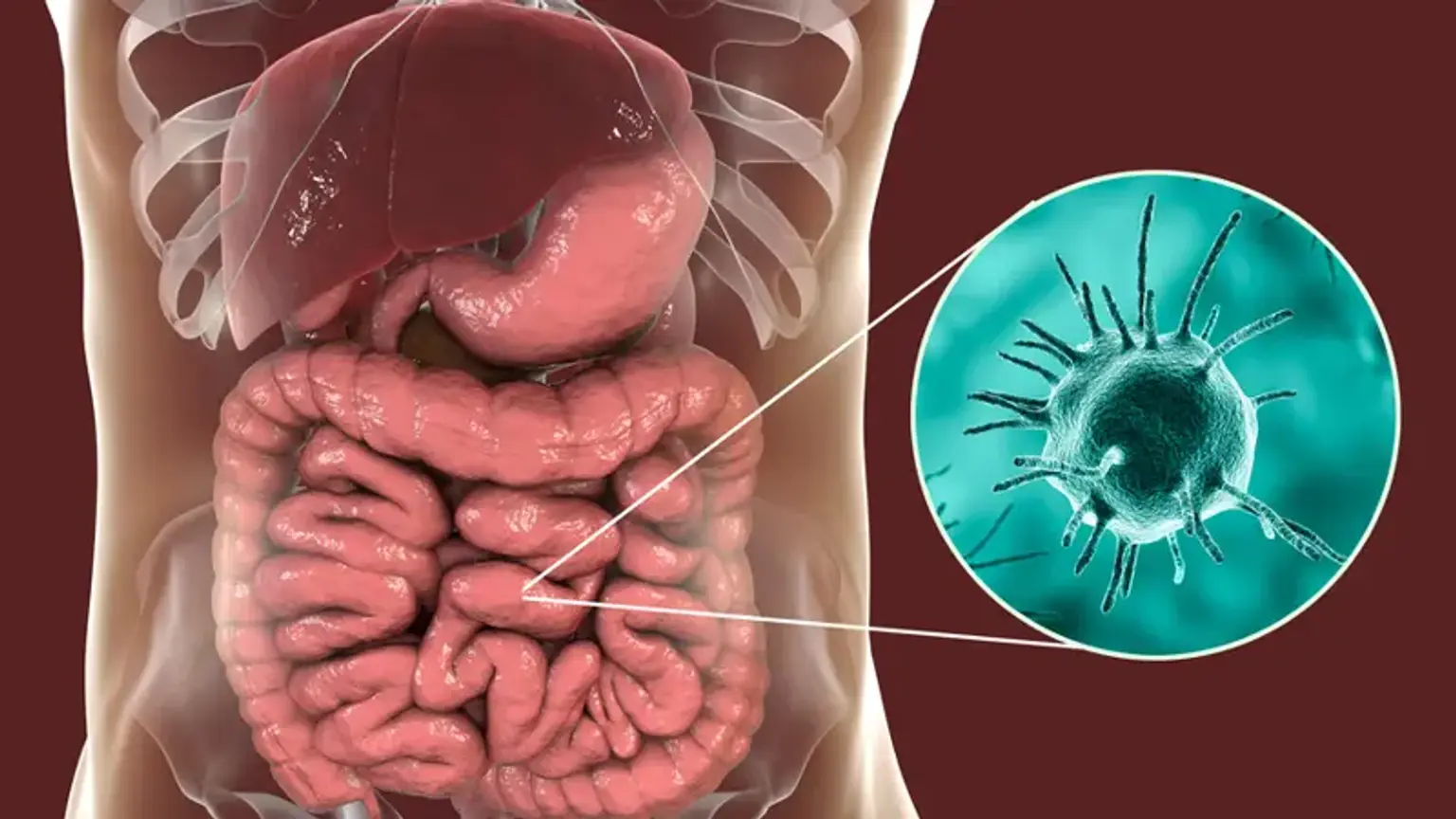
Amebiasis is an infection caused by the single celled parasite Entamoeba histolytica. The parasite exists in two forms: a dormant, infectious cyst form and an active, disease causing trophozoite form. The infection begins when a person ingests the cysts, typically through contaminated food or water. These cysts travel to the intestines, where they transform into trophozoites. In many cases, the trophozoites live harmlessly in the large intestine, and the infected person remains asymptomatic, unknowingly passing cysts in their feces. This is known as asymptomatic intestinal infection. However, in about 10-20% of cases, the trophozoites invade the lining of the colon, causing illness known as intestinal amebiasis or amoebic colitis. In severe instances, the parasites can break through the intestinal wall, travel through the bloodstream, and infect other organs, most commonly the liver, leading to a dangerous condition called an amoebic liver abscess.
What are the Main Causes and Risk Factors for Amebiasis?
what-are-the-main-causes-and-risk-factors-for-amebiasisThe primary cause of amebiasis is the ingestion of E. histolytica cysts from a source contaminated with feces. The infection is not spread through casual contact but through the fecal oral route.
Key causes and transmission routes include:
Contaminated Water: Drinking or using water for washing food that has been contaminated with sewage.
Contaminated Food: Eating fresh produce, such as fruits and vegetables, that were grown in contaminated soil, fertilized with human waste, or washed in contaminated water.
Food Handlers: Consuming food prepared by an infected person who did not practice proper hand hygiene.
Direct Contact: Less commonly, transmission can occur through direct contact with fecal matter during certain types of sexual activity.
Major risk factors for developing symptomatic amebiasis include:
Travel or Residence: Living in or traveling to tropical or subtropical regions with poor sanitation, including parts of Central and South America, Africa, and Asia.
Weakened Immune System: Individuals who are immunocompromised, such as those with HIV/AIDS, undergoing chemotherapy, or taking long-term corticosteroids, are at higher risk of severe, invasive disease.
Pregnancy: Pregnant women may experience more severe symptoms.
Poor Nutrition: Malnutrition can weaken the body's defenses against the parasite.
What are the Symptoms and Signs of an Amoeba Infection?
what-are-the-symptoms-and-signs-of-an-amoeba-infectionThe symptoms of amebiasis can vary widely, from none at all to severe and life threatening. When symptoms do appear, they usually develop within 2 to 4 weeks of infection but can manifest months or even years later.
Common symptoms of intestinal amebiasis amoebic colitis include:
Watery or bloody diarrhea amoebic dysentery
Stomach cramps and abdominal pain
Excessive gas and bloating
Fatigue
Painful passing of stools tenesmus
Unintentional weight loss
Low-grade fever
Symptoms of invasive amebiasis when the infection spreads beyond the intestines:
Amoebic Liver Abscess: This is the most common form of extraintestinal amebiasis. Symptoms include fever, chills, pain in the upper right part of the abdomen, sweating, and sometimes a cough or pain in the right shoulder.
Other Organs: In rare cases, the parasite can spread to the lungs, brain, or skin, causing specific symptoms related to the affected organ.
How is Amebiasis Diagnosed and Confirmed?
how-is-amebiasis-diagnosed-and-confirmedA healthcare provider will first ask about your medical history, symptoms, and recent travel history. A definitive diagnosis of amebiasis requires identifying the E. histolytica parasite and differentiating it from a similar but harmless amoeba, E. dispar.
Stool Analysis Ova and Parasite Exam: This is the most common diagnostic method. Multiple stool samples, often collected over several days, are examined under a microscope for the presence of E. histolytica cysts or trophozoites.
Antigen Detection Tests: These tests can detect E. histolytica proteins antigens directly in stool samples. They are more sensitive and specific than microscopy and can distinguish between the harmful E. histolytica and the non-pathogenic E. dispar.
Serology (Blood Tests): Blood tests can detect antibodies your immune system produces in response to an E. histolytica infection. These tests are particularly useful for diagnosing invasive disease, like a liver abscess, when the parasite may no longer be present in the stool.
Imaging Studies: If an amoebic liver abscess is suspected, an ultrasound, CT scan, or MRI of the abdomen can help visualize the abscess.
Colonoscopy: In some cases of severe colitis, a colonoscopy may be performed to examine the intestinal lining and take tissue samples biopsy for analysis.
What are the Treatment Options for Amebiasis?
what-are-the-treatment-options-for-amebiasisTreatment for amebiasis depends on whether the infection is asymptomatic or causing symptoms. A two-step approach is often necessary to eradicate the parasite completely.
For Symptomatic Infection (Intestinal or Invasive): The primary treatment is a course of a tissue active amoebicide, most commonly metronidazole or a similar drug called tinidazole. These drugs effectively kill the trophozoites in the intestinal wall and in other tissues like the liver.
For Asymptomatic Infection (Cyst Eradication): After treatment with metronidazole, or for individuals who are asymptomatic carriers, a second medication is required. This is a luminal amoebicide, such as paromomycin or diloxanide furoate. These drugs work within the intestine to eliminate the remaining cysts, preventing relapse and stopping the person from spreading the infection to others.
For a large amoebic liver abscess, a procedure to drain the abscess with a needle or catheter may be necessary in addition to medication.
"For weeks, I had these strange, unpredictable stomach pains and a fatigue I just couldn't shake. I thought it was just a bad stomach bug, but it never fully went away. Getting the amebiasis diagnosis was a relief because it finally gave a name to my misery and a clear path to getting better." – an anonymous patient, United States.
When Should I See a Doctor for Amebiasis?
when-should-i-see-a-doctor-for-amebiasisYou should seek medical attention if you experience any of the following, especially after traveling to a high-risk area:
Persistent diarrhea lasting more than a few days
Blood or mucus in your stool
Severe abdominal cramping
High fever accompanied by abdominal pain
Unexplained weight loss
Prompt diagnosis and treatment are crucial to prevent the infection from spreading and causing severe complications like a perforated colon or a large liver abscess.
Recommended Clinics with Relevant Expertise in South Korea
recommended-clinics-with-relevant-expertise-in-south-koreaSouth Korea's advanced medical infrastructure provides world-class diagnostic and treatment capabilities for a wide range of gastroenterological conditions, including complex parasitic infections. The following hospitals are recognized for their expertise in gastroenterology and internal medicine.
Website | Clinic Name | Best Known For | Address | Contact |
|---|---|---|---|---|
Asan Medical Center | Advanced Gastroenterology, Liver Transplantation, Digestive Disease Center | Songpa-gu, Seoul,South Korea | ||
Seoul St. Mary's Hospital-Seocho | Cancer Treatment, Organ Transplantation, Comprehensive Digestive Care | Seocho-gu, Seoul,South Korea | ||
Seoul National University Hospital- ganganm district | Complex Surgeries, Research-Driven Medicine, Gastroenterology | Gangnam-gu, Seoul, South Korea | ||
Kangdong Sacred Heart Hospital | Endoscopic Procedures, Digestive System Disorders, General Surgery | Gangdong-gu, Seoul, South Korea | ||
H Plus Yangji Hospital | Specialized Endoscopy Center, Inflammatory Bowel Disease (IBD) | Gwanak-gu, Seoul, South Korea | ||
Soon Chun Hyang University Hospital Seoul | Advanced Digestive Endoscopy, International Patient Services | Yongsan-gu, Seoul, South Korea | ||
Kyung Hee University Hospital At Gangdong | Integrated Eastern-Western Medicine, Gastroenterology & Hepatology | Gangdong-gu, Seoul, South Korea | ||
Hanyang University Seoul Hospital | Robotic Surgery, Digestive Disease Research, International Clinic | Seongdong-gu, Seoul, South Korea |
Recommended Treatment/Procedure Names with Average Costs in South Korea
recommended-treatmentprocedure-names-with-average-costs-in-south-koreaThe listed clinics offer a comprehensive range of gastroenterological procedures essential for diagnosing and managing various digestive conditions. While some are not direct treatments for amebiasis, they represent the advanced capabilities available for complex cases or differential diagnosis.
Treatment/Procedure Name | Treatment Duration | Hospitalization? | Avg Cost Range (USD) in S. Korea? | Contact |
|---|---|---|---|---|
Colonoscopy with Polypectomy | 30-60 minutes | Not Needed | $1,000 - $2,500 | |
Liver Transplantation | 6-12 hours | Needed (2-4 weeks) | $100,000 - $150,000 | |
ERCP with Biliary or Pancreatic Stenting | 30-90 minutes | Needed (1 day) | $4,000 - $7,000 | |
Endoscopic Ultrasound (EUS) with Fine Needle Aspiration | 30-60 minutes | Not Needed | $2,500 - $4,500 | |
Bariatric Surgery (Gastric Bypass, Sleeve Gastrectomy) | 1-3 hours | Needed (2-4 days) | $12,000 - $20,000 | |
Colon Cancer Surgery (Colectomy) | 2-4 hours | Needed (3-7 days) | $15,000 - $25,000 | |
Inflammatory Bowel Disease (IBD) Biologic Therapy | 30 mins - 2 hours | Not Needed | $10,000 - $30,000 | |
Upper GI Endoscopy with Biopsy (EGD) | 15-30 minutes | Not Needed | $800 - $1,500 | |
Pancreatic Surgery (Whipple Procedure) | 4-8 hours | Needed (1-2 weeks) | $40,000 - $60,000 | |
Hepatitis C Antiviral Therapy | 8-12 week | Not Needed | $20,000 - $40,000 |
What Are Common Questions About Amebiasis?
what-are-common-questions-about-amebiasisThis section addresses frequent practical questions patients have about amebiasis.
1. How can you prevent getting amebiasis?
1.-how-can-you-prevent-getting-amebiasisPrevention is the most effective strategy. Always practice safe food and water precautions, especially when traveling. Drink only bottled, boiled for at least 1 minute, or filtered water. Avoid ice cubes, and eat only food that is cooked and served hot. Peel fruits and vegetables yourself. Wash hands thoroughly with soap and water after using the toilet and before handling food.
2. Is amebiasis contagious from person to person?
2.-is-amebiasis-contagious-from-person-to-personYes, it can be, but not through casual contact like hugging or sitting next to someone. The infection is spread when a person ingests cysts from the fecal matter of an infected person. This is why thorough handwashing after using the bathroom is critical to prevent spreading the parasite to others.
3. Can amebiasis be cured permanently?
3.-can-amebiasis-be-cured-permanentlyYes. With the correct two step medication regimen a tissue agent like metronidazole followed by a luminal agent like paromomycin, amebiasis can be fully cured. Completing the full course of both medications is essential to eradicate both the active trophozoites and the dormant cysts to prevent a relapse.
4. Can amebiasis cause long-term complications?
4.-can-amebiasis-cause-long-term-complicationsIf left untreated, yes. The most serious complication is an amoebic liver abscess, which can be fatal. Other rare but severe complications include toxic megacolon a severe swelling of the colon, perforation of the intestine leading to peritonitis, and the spread of infection to the lungs or brain. Prompt treatment significantly reduces the risk of these outcomes.
5. Do I need treatment if I have no symptoms?
5.-do-i-need-treatment-if-i-have-no-symptomsYes. Even if you are an asymptomatic carrier, you are still passing infectious cysts in your stool and can spread the parasite to others. You also remain at risk for developing symptomatic disease later. Treatment with a luminal agent is necessary to clear the cysts from your intestines.
Take the First Step Towards Resolving Your Digestive Concerns Now!
take-the-first-step-towards-resolving-your-digestive-concernsNavigating unsettling gastrointestinal symptoms can be stressful and confusing. Getting a precise diagnosis and an effective treatment plan from world-renowned specialists is the most important step you can take. The expert gastroenterology teams at South Korea's leading hospitals are equipped with the most advanced diagnostic technology to provide the answers you need. Let us help you connect with these top-tier medical centers. We offer a seamless, transparent process and a dedicated Care Manager to support you from your initial inquiry through your entire treatment journey and post-recovery care. And Start Your Confidential Inquiry with CloudHospital today and receive a personalized treatment plan from a leading specialist.