
The clinical information regarding Amnesia in this article has been rigorously verified against the latest guidelines from the National Institute of Neurological Disorders and Stroke NINDS and primary research from databases like PubMed. This piece was reviewed for accuracy and patient-centric clarity and was last updated in August 2023.
Introduction
introductionAmnesia is a profound form of memory loss that extends far beyond simple forgetfulness. It can be a disorienting and distressing condition for both patients and their families. Understanding its complexities is the first step toward diagnosis, management, and potential recovery. This guide offers a comprehensive overview of amnesia, detailing its various forms, underlying causes, and the pathways to effective treatment, providing clear information for those seeking to understand and navigate this challenging neurological condition.
What is Amnesia?
what-is-amnesia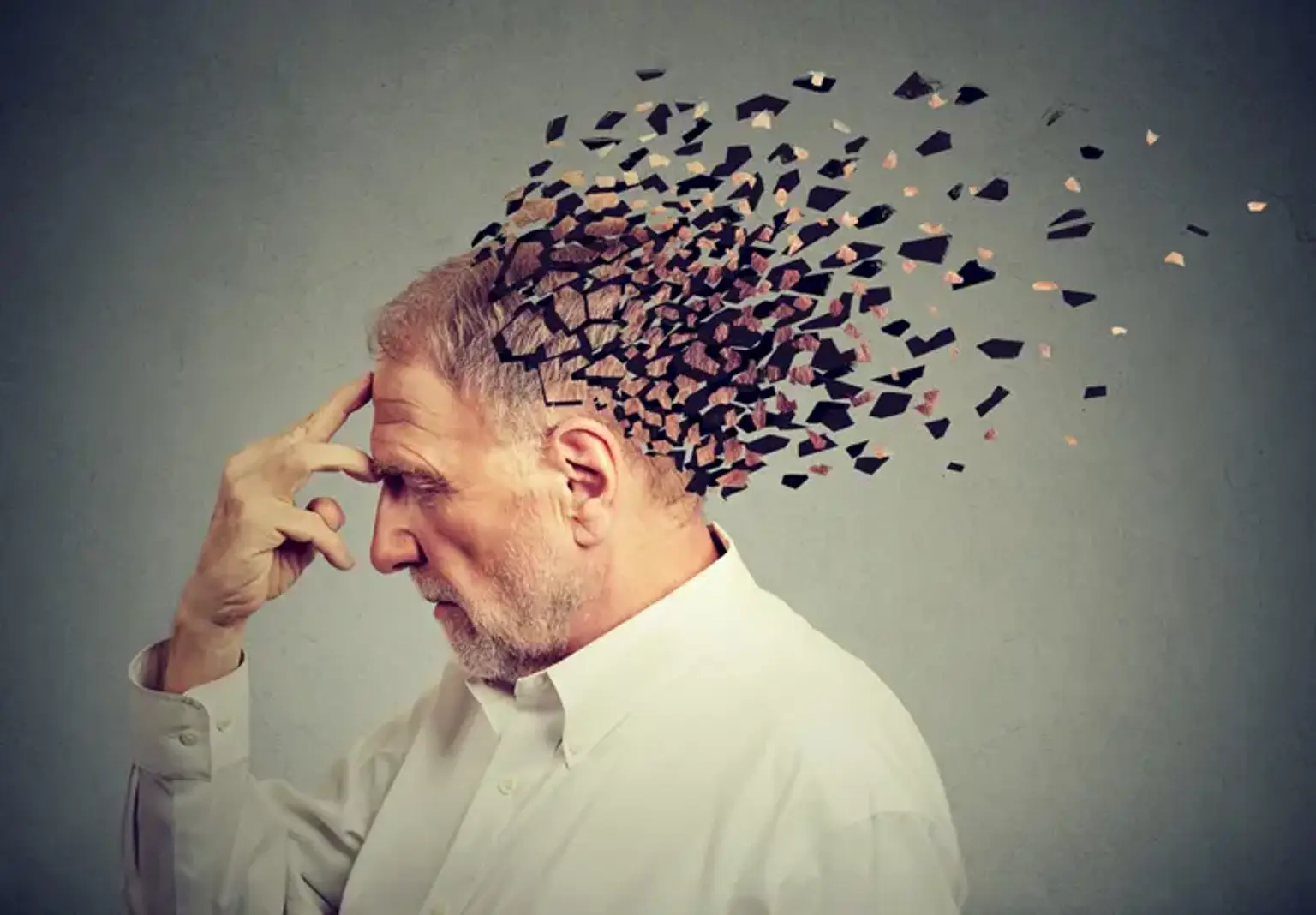
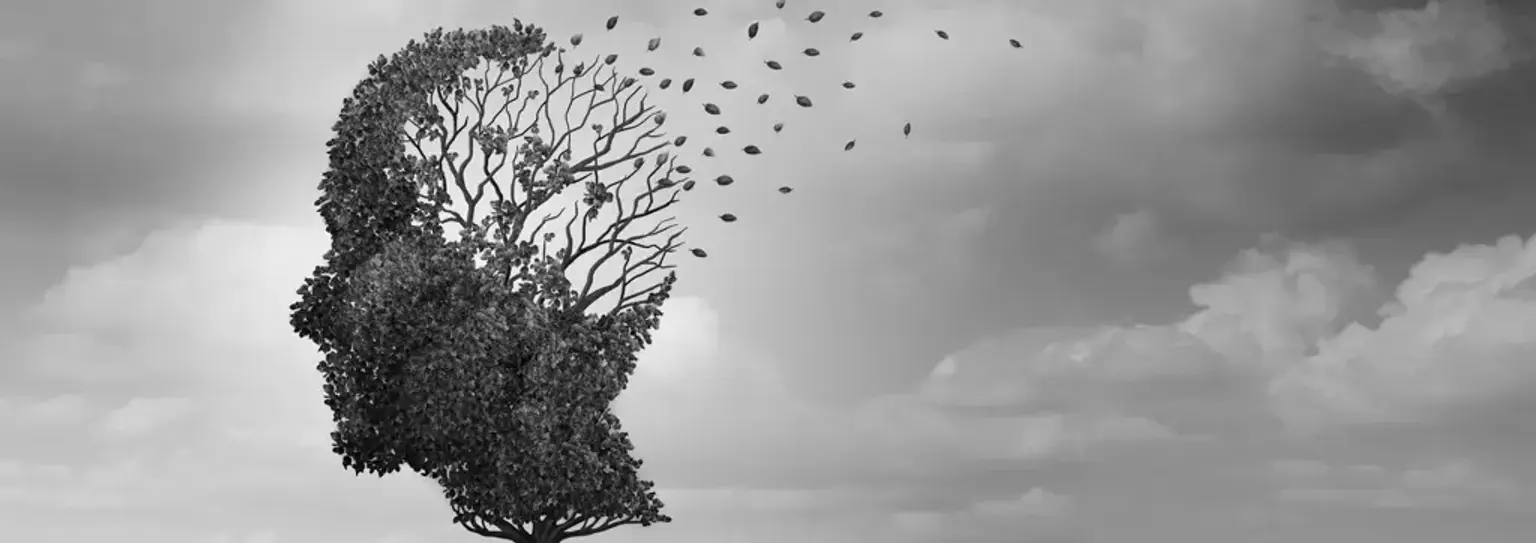
Amnesia is defined as the partial or total inability to recall past experiences or to form new memories. It is not a disease in itself but rather a symptom of damage to brain regions vital for memory processing. These regions include structures deep within the brain such as the hippocampus and the thalamus. The severity and nature of the memory impairment depend on the location and extent of the neurological damage. Unlike portrayals in popular media, amnesia does not typically involve a loss of self identity. Individuals with amnesia usually retain their motor skills and knowledge of who they are.
What Are the Different Types of Amnesia?
what-are-the-different-types-of-amnesiaNeurologists classify amnesia based on the nature of the memory deficit. The primary variants are distinct and can sometimes coexist in the same individual.
Anterograde Amnesia: This is the most common form. It involves the inability to form new memories after the event that caused the amnesia. A person can recall events from their distant past but cannot remember what happened five minutes ago.
Retrograde Amnesia: This type involves the inability to recall memories from before the onset of amnesia. The memory loss can span from a few moments to several years. Memories closest to the event are typically the most affected.
Transient Global Amnesia TGA: This is a temporary and sudden episode of profound memory loss. A person with TGA cannot recall recent events and may seem confused, repeatedly asking the same questions. The episode is temporary, and memory function usually returns fully within 24 hours. The cause is often unclear but it is not typically a sign of a serious underlying condition like a stroke.
Dissociative Amnesia: Previously known as psychogenic amnesia, this form stems from psychological trauma or severe stress rather than direct brain injury. An individual blocks out specific, often traumatic, personal information. It is a protective mental mechanism rather than a result of physical brain damage.
What Causes Sudden Memory Loss and Amnesia?
what-causes-sudden-memory-loss-and-amnesiaAmnesia occurs when there is damage or disruption to the brain's memory circuits. A wide range of conditions and injuries can lead to this disruption.
Traumatic Brain Injury TBI: A severe blow to the head from an accident or assault can damage the hippocampus and other related brain structures, leading to amnesia.
Stroke: A stroke cuts off blood supply to a part of the brain. If this affects the temporal lobes or other memory related areas, it can result in significant memory impairment.
Encephalitis: This inflammation of the brain, often caused by a viral infection, can lead to swelling and damage in memory processing centers.
Brain Tumors: Tumors located in or pressing on parts of the brain involved in memory can cause various forms of amnesia.
Neurodegenerative Diseases: Conditions like Alzheimer's disease and other dementias cause progressive brain cell death, leading to severe and worsening amnesia.
Wernicke Korsakoff Syndrome: This condition is caused by a severe deficiency of thiamine vitamin B1, commonly associated with chronic alcohol misuse. It leads to both anterograde and retrograde amnesia.
Seizures: Severe or repeated seizures can cause cumulative damage to the brain, sometimes affecting memory.
Anoxia: A lack of oxygen to the brain, even for a short period, can cause irreversible damage to memory circuits. This can happen during a heart attack, respiratory distress, or carbon monoxide poisoning.
How Do Doctors Diagnose Amnesia?
how-do-doctors-diagnose-amnesiaDiagnosing amnesia requires a thorough and systematic approach to identify the underlying cause and characterize the extent of memory loss.
The diagnostic process typically begins with a detailed neurological exam. A specialist will assess the patient's reflexes, sensory function, and balance to look for signs of brain damage. This is followed by a comprehensive cognitive assessment. These tests evaluate short term memory, long term memory, attention, and other thinking skills to pinpoint the specific nature of the memory deficit.
To visualize the brain's structure and identify any damage, physicians rely on advanced imaging techniques. A Magnetic Resonance Imaging MRI scan or a Computed Tomography CT scan can reveal evidence of stroke, tumors, brain injury, or inflammation. Blood tests may also be ordered to check for nutritional deficiencies like thiamine, infections, or other metabolic issues that could contribute to memory loss.
What Are the Primary Treatment Options for Amnesia?
what-are-the-primary-treatment-options-for-amnesiaTreatment for amnesia focuses on addressing the underlying cause and implementing strategies to help the patient cope with memory impairment. There is no single medication that can restore lost memories.
Treating the Underlying Cause: If the amnesia is caused by a specific medical issue, treating that issue is the first priority. This could involve surgery to remove a brain tumor, medication to treat encephalitis, or nutritional support for Wernicke Korsakoff syndrome.
Occupational Therapy: A therapist can teach the patient new ways to organize information and use memory aids. This can involve using smartphones, calendars, and notebooks to compensate for the inability to form new memories.
Cognitive Rehabilitation: This therapy aims to help patients strengthen remaining cognitive abilities and develop compensatory strategies. It focuses on improving daily functioning and quality of life.
Psychotherapy: For dissociative amnesia, psychotherapy can help the individual safely process the underlying trauma that triggered the memory loss, sometimes leading to the eventual recovery of the blocked memories.
"The most terrifying part was not knowing what I had just said or done. My family would tell me about conversations we had minutes earlier, and it was a complete blank. Getting a diagnosis of transient global amnesia was frightening but also a relief because it explained the chaos in my mind." – An anonymous patient, United States.
When Should I See a Doctor for Severe Memory Loss?
when-should-i-see-a-doctor-for-severe-memory-lossAnyone experiencing unexplained and significant memory loss should seek immediate medical attention, especially if it is sudden or accompanied by other neurological symptoms. It is crucial to see a doctor if memory problems:
Follow a head injury or a traumatic event.
Are accompanied by confusion, personality changes, or a reduced level of consciousness.
Interfere with daily activities, work, or relationships.
Occur alongside symptoms like fever, severe headache, or seizures.
Prompt evaluation by a neurologist can determine the cause and allow for timely intervention, which can be critical for preventing further brain damage and improving outcomes.
Recommended Clinics with Relevant Expertise in South Korea
recommended-clinics-with-relevant-expertise-in-south-koreaSouth Korea is home to world class medical facilities with advanced neurological and neurosurgical departments capable of diagnosing and managing complex conditions like amnesia.
Website | Clinic Name | Best Known For | Address | Contact |
|---|---|---|---|---|
Seoul Yes Hospital | Specialized Spinal Surgery and Neurology | Suji-gu, Gyeonggi-do, South Korea | ||
Kangdong Sacred Heart Hospital | Neurology and Neurosurgery Center | Gangdong-gu, Seoul, South Korea | ||
Seoul St. Mary’s Hospital | Comprehensive Brain and Spine Center | Seocho-gu, Seoul, South Korea | ||
Seoul National University Hospital | Preventive Neurology and Health Screening | Jongno-gu, Seoul, South Korea | ||
H Plus Yangji Hospital | Neurological and Musculoskeletal Care | Gwanak-gu, Seoul, South Korea | ||
Ewha Womans University Medical Center | Advanced Neurology and Women's Health | Gangseo-gu, Seoul, South Korea | ||
Asan Medical Center | Leading Neurosurgery and Neurological Research | Songpa-gu, Seoul, South Korea | ||
MEDREX hospital | Spine and Joint Disorders | Gangnam-gu, Seoul, South Korea | ||
Severance Hospital | Robotic and Minimally Invasive Neurosurgery | Seodaemun-gu, Seoul, South Korea |
Recommended Treatment/Procedure Names with Average Costs in South Korea
recommended-treatmentprocedure-names-with-average-costs-in-south-koreaWhile amnesia itself is not treated surgically, its underlying causes often require advanced neurological or neurosurgical procedures. The following are related diagnostic and therapeutic options available in South Korea.
Treatment/Procedure Name | Duration | Hospitalization? | Avg. Cost (USD) in S. Korea | Contact |
|---|---|---|---|---|
Electromyography and Nerve Conduction Studies EMG NCS | 60 to 90 mins | Not Needed | $800 to $1,500 | |
Minimally Invasive Spinal Fusion Surgery | 2 to 4 hours | Needed (2 to 4 days) | $18,000 to $28,000 | |
Spinal Endoscopic Treatment | 1 to 2 hours | Needed (1 day) | $9,000 to $15,000 | |
Microscopic Decompression Surgery | 1 to 3 hours | Needed (1 to 2 days) | $10,000 to $16,000 | |
Artificial Disc Replacement | 2 to 3 hours | Needed (2 to 3 days) | $20,000 to $35,000 | |
Epidural Neuroplasty | 30 to 60 mins | Not Needed | $1,500 to $2,500 | |
Zero Gravity Spinal Decompression | 20 to 30 mins | Not Needed | $150 to $300 | |
Comprehensive Spinal Consultation | 45 to 60 mins | Not Needed | $200 to $400 |
What Are Common Questions About Amnesia?
what-are-common-questions-about-amnesiaThis section addresses practical questions that patients and their families often have about living with and managing amnesia.
1. Can amnesia be cured or reversed?
1.-can-amnesia-be-cured-or-reversedThe potential for recovery depends entirely on the cause. Amnesia from a mild head injury or Transient Global Amnesia often resolves on its own. Memory may partially or fully return. However, amnesia caused by severe brain damage or progressive diseases like Alzheimer's is typically permanent. The focus in these cases is on management and compensation strategies.
2. What is the difference between anterograde and retrograde amnesia?
2.-what-is-the-difference-between-anterograde-and-retrograde-amnesiaAnterograde amnesia is the inability to create new memories after the causative event. Retrograde amnesia is the loss of memories that formed before the event. A patient with pure anterograde amnesia knows their past but cannot remember recent experiences, while a patient with retrograde amnesia might forget their past but can form new memories. Many patients have a combination of both.
3. Can psychological trauma alone cause amnesia?
3.-can-psychological-trauma-alone-cause-amnesiaYes. Dissociative amnesia is a condition where a person cannot remember important personal information, usually related to a traumatic or stressful event. This is a psychological defense mechanism, not the result of a physical injury to the brain. Recovery is possible with appropriate psychotherapy.
4. Are dementia and amnesia the same thing?
4.-are-dementia-and-amnesia-the-same-thingNo. Amnesia is a primary symptom of dementia, but dementia is a much broader term. Dementia involves a decline in multiple cognitive areas, such as language, problem solving, and judgment, that is severe enough to impair daily life. Amnesia specifically refers to memory loss. A person can have amnesia without having dementia.
5. How can family members help someone with amnesia?
5.-how-can-family-members-help-someone-with-amnesiaPatience and structure are key. Family members can help by creating a calm and organized environment. Using calendars, photo albums, and written notes can help orient the person. It is helpful to be supportive and avoid expressing frustration when the person forgets something. Participating in therapy sessions can also provide families with strategies and a better understanding of the condition.
Begin Your Journey to Cognitive Clarity and Recovery Now!
begin-your-journey-to-cognitive-clarity-and-recoveryNavigating the complexities of memory loss requires expert guidance and a compassionate approach. Understanding the cause of amnesia is the first critical step toward managing the condition and improving quality of life. The world-class neurological centers in South Korea offer advanced diagnostics and personalized care plans to address the root of your concerns. Through CloudHospital, you’ll receive seamless and transparent support from a dedicated Care Manager guiding you from your initial questions through your entire care journey. And Start your confidential inquiry today to take the first step toward cognitive clarity and lasting recovery.