

The clinical information regarding Anal Warts in this article has been rigorously verified against the latest guidance from the Centers for Disease Control and Prevention CDC and primary research from databases like PubMed. This piece was reviewed for accuracy and patient-centric clarity and was last updated in October 2023.
Introduction
introductionAnal warts, also known as condyloma acuminata, are a common condition caused by the human papillomavirus HPV. While the diagnosis can be distressing, it is a manageable condition with highly effective treatments available. Understanding the causes, recognizing the symptoms, and exploring modern treatment options are the first steps toward effective management and peace of mind. This guide provides a comprehensive overview for individuals seeking clear and reliable information.
What Are Anal Warts?
what-are-anal-warts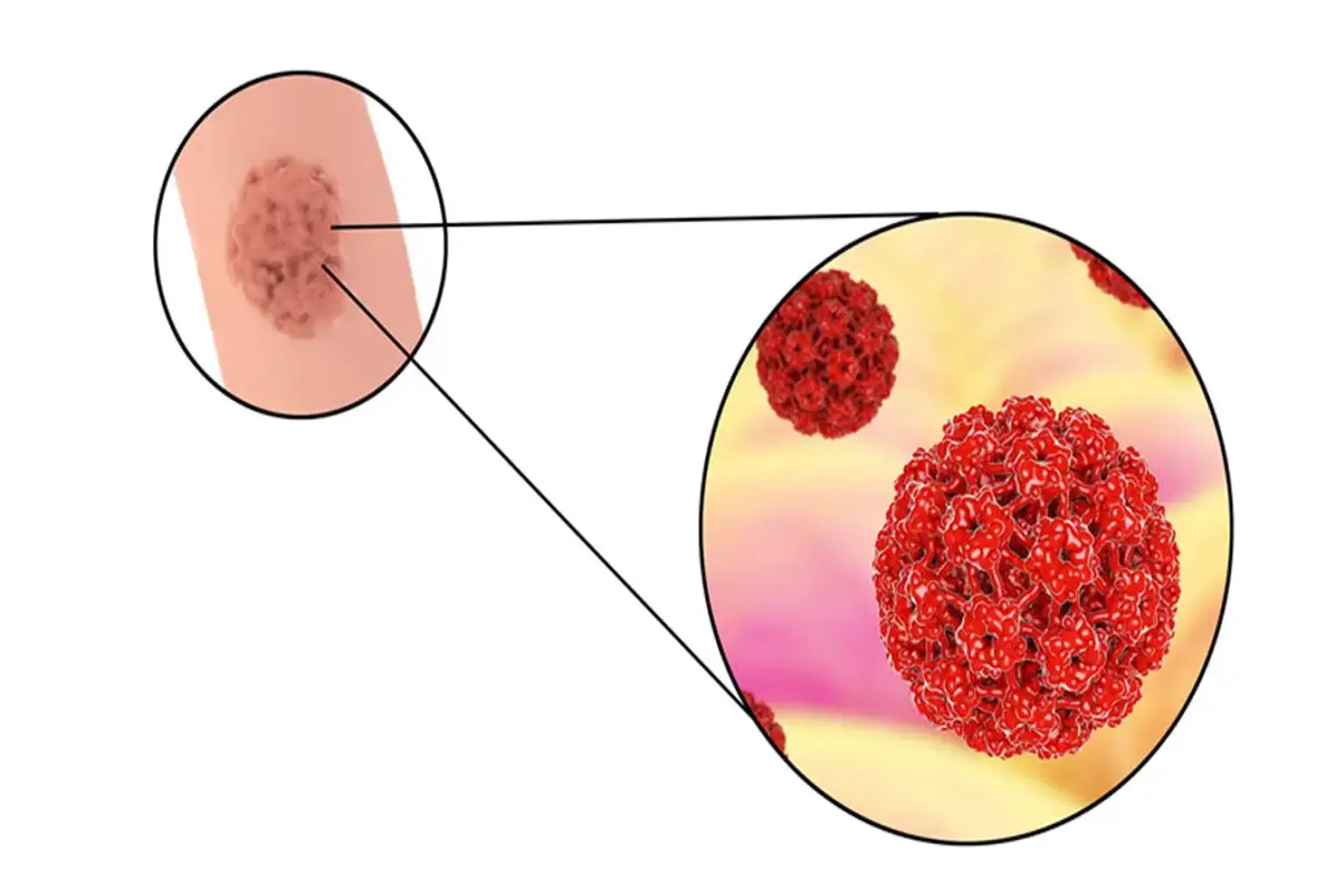
Anal warts are small, soft growths that appear on the skin around the anus and sometimes inside the anal canal. They are a manifestation of an infection with specific strains of human papillomavirus HPV, the most common sexually transmitted infection globally. The warts can vary in appearance from small, flat, flesh colored spots to larger, cauliflower like clusters. While typically painless, they can sometimes cause itching, bleeding, or a sensation of a lump in the anal area.
What Are the Common Causes and Risk Factors for Anal Warts?
what-are-the-common-causes-and-risk-factors-for-anal-wartsThe direct cause of anal warts is an infection with low risk strains of HPV, most commonly types 6 and 11. These strains are highly contagious and spread primarily through direct skin to skin contact.
Primary Cause: Infection with Human Papillomavirus HPV, particularly types 6 and 11.
Transmission: The virus is transmitted through sexual contact including anal, vaginal, or oral sex with an infected partner. It can spread even when no visible warts are present.
Weakened Immune System: Individuals with compromised immune systems due to conditions like HIV/AIDS or immunosuppressant medications are at a higher risk of developing warts and may experience more persistent cases.
Multiple Sexual Partners: Having multiple sexual partners increases the likelihood of exposure to HPV.
Age: The condition is most common in sexually active adolescents and young adults.
Smoking: Tobacco use can impair immune function and is associated with a higher risk of developing and recurring anal warts.
What Do Anal Warts Look Like and What Are the Symptoms?
what-do-anal-warts-look-like-and-what-are-the-symptomsThe primary sign of anal warts is the appearance of the growths themselves. The symptoms can vary depending on the size and location of the warts.
Appearance: They often start as tiny, pinhead sized spots that can be difficult to see. They may be pink, brown, or flesh colored. Over time, they can grow larger and multiply, forming cauliflower like clusters.
Location: Warts can appear on any part of the perianal skin and may extend into the anal canal and rectum.
Physical Sensation: Many individuals feel a small, painless lump or bump in the anal area.
Itching: Pruritus, or itching, around the anus is a very common symptom.
Bleeding: Warts can be delicate and may bleed, especially during or after a bowel movement.
Discharge: Some individuals may notice slight moisture or mucus discharge from the anal region.
How Are Anal Warts Diagnosed?
how-are-anal-warts-diagnosedA correct diagnosis is crucial for effective treatment and is typically straightforward for a healthcare professional. The diagnostic process involves a physical examination and may include further inspection to assess the full extent of the condition.
A physician, often a proctologist or gastroenterologist, will first perform a visual inspection of the skin around the anus. To check for warts inside the anal canal, a procedure called anoscopy or high resolution anoscopy may be used. This involves inserting a short, lighted tube called an anoscope to view the lining of the anus and lower rectum. In some cases, a small tissue sample, or biopsy, may be taken and sent to a laboratory to confirm the diagnosis and rule out other conditions.
What Are the Main Treatment Options for Anal Warts?
what-are-the-main-treatment-options-for-anal-wartsThere is no single best treatment for all cases of anal warts; the optimal approach depends on the size, number, and location of the warts, as well as patient preference and provider experience. The goal of treatment is to remove the visible warts and manage symptoms.
Topical Medications: For smaller, external warts, a doctor may prescribe creams or solutions to be applied at home. These include Imiquimod, which boosts the immune system’s ability to fight the virus, and Podofilox, which destroys the wart tissue.
Cryotherapy: This common procedure involves freezing the warts with liquid nitrogen. The freezing process destroys the cells within the wart, causing it to fall off. Multiple sessions are often required.
Surgical Interventions: For larger warts or those that do not respond to other treatments, surgical removal may be recommended. This can be done through surgical excision cutting out the warts, electrocautery burning the warts with an electrical current, or laser therapy.
Acid Applications: A doctor can apply solutions like Trichloroacetic acid TCA directly to the warts in the office. This chemical treatment destroys the wart tissue and requires several applications.
How Can I Manage Life with Anal Warts?
how-can-i-manage-life-with-anal-warts"The initial diagnosis was scary, and I felt very isolated. But talking to my doctor and starting treatment made a world of difference. Seeing the condition improve gave me back my confidence and sense of control over my health." – An anonymous patient, South Korea
When Should I See a Doctor for Anal Warts?
when-should-i-see-a-doctor-for-anal-wartsYou should consult a healthcare professional as soon as you notice any unusual growths, bumps, or other symptoms in the anal area. Early diagnosis and treatment are key to preventing the warts from growing larger or spreading. It is especially important to seek medical advice if you experience bleeding, pain, or significant discomfort. A professional evaluation can provide an accurate diagnosis, rule out more serious conditions, and start you on the most effective treatment plan.
Recommended Clinics with Relevant Expertise in South Korea
recommended-clinics-with-relevant-expertise-in-south-koreaWebsite | Clinic Name | Best Known For | Address | Contact |
|---|---|---|---|---|
Asan Medical Center | Its world leading specialized centers including the Digestive Disease Center | Songpa-gu, Seoul,South Korea | ||
Seoul St. Mary's Hospital | Its advanced Cancer Center and Organ Transplantation Center | Seocho-gu, Seoul,South Korea | ||
Seoul National University Hospital | Being a national central hospital with a leading Cancer Hospital | Gangnam-gu, Seoul, South Korea | ||
Kangdong Sacred Heart Hospital | Its specialized Digestive Disease Center and advanced medical services | Gangdong-gu, Seoul, South Korea | ||
H Plus Yangji Hospital | Its comprehensive Endoscopy Center and specialized departments | Gwanak-gu, Seoul, South Korea | ||
Soon Chun Hyang University Hospital Seoul | Its patient first approach and renowned Digestive Disease Center | Yongsan-gu, Seoul, South Korea | ||
Kyung Hee University Hospital | A unique approach combining Eastern and Western Medicine | Gangdong-gu, Seoul, South Korea | ||
Hanyang University Seoul Hospital | Being a prominent research oriented medical center with a top tier Cancer Center | Seongdong-gu, Seoul,South Korea |
Recommended Treatment Procedures with Average Costs in South Korea
recommended-treatment-procedures-with-average-costs-in-south-koreaTreatment/Procedure Name | Duration | Hospitalization? | Avg. Cost (USD) in S. Korea | Contact |
|---|---|---|---|---|
Topical Creams Imiquimod or Podofilox | 16 weeks | Not Needed | $100 - $400 | |
Cryotherapy | 10-20 mins | Not Needed | $200 - $500 | |
Surgical Excision | 30-60 mins | Not Needed | $800 - $2500 | |
Electrocautery | 20-45 mins | Not Needed | $600 - $2000 | |
Laser Treatment | 30-60 mins | Not Needed | $1000 - $3000 | |
Trichloroacetic Acid TCA Application | 5-10 mins | Not Needed | $150 - $400 |
What Are Common Questions About Anal Warts?
what-are-common-questions-about-anal-wartsThis section addresses practical questions that patients often have about this condition.
1. Are anal warts contagious?
1.-are-anal-warts-contagiousYes, anal warts are highly contagious. They are spread through direct skin to skin contact, primarily during sexual activity, with someone who has HPV. The virus can be transmitted even if there are no visible warts.
2. Can anal warts go away on their own?
2.-can-anal-warts-go-away-on-their-ownIn some cases, particularly in individuals with a strong immune system, anal warts can resolve without treatment. However, this can take many months or even years. Treatment is generally recommended to prevent the warts from growing, spreading to other areas, or transmitting to partners.
3. What is the recovery time for anal wart removal?
3.-what-is-the-recovery-time-for-anal-wart-removalRecovery time varies based on the treatment method. After topical treatments, there may be some local skin irritation. After procedures like cryotherapy or surgical excision, the area may be sore for several days to a couple of weeks. Your doctor will provide specific aftercare instructions to promote healing.
4. Can anal warts turn into cancer?
4.-can-anal-warts-turn-into-cancerThe HPV strains that typically cause anal warts types 6 and 11 are considered low risk and are rarely associated with cancer. However, infection with high risk HPV strains types 16, 18, and others can cause warts and does carry a risk of developing into anal cancer over time. For this reason, all anal warts should be evaluated by a doctor.
5. Does the HPV vaccine prevent anal warts?
5.-does-the-hpv-vaccine-prevent-anal-wartsYes, the HPV vaccine Gardasil 9 is highly effective at preventing infection from the HPV types that cause about 90% of genital and anal warts, as well as the high risk types that cause most HPV related cancers.
6. How can I prevent spreading anal warts?
6.-how-can-i-prevent-spreading-anal-wartsTo reduce the risk of transmission, it is advisable to abstain from sexual activity while warts are present and being treated. Consistent and correct use of condoms can reduce the risk but may not offer complete protection as warts can be on skin not covered by a condom. Open communication with sexual partners is essential.
Find Lasting Relief: Begin Your Anal Wart Treatment Journey
find-lasting-relief:-begin-your-anal-wart-treatment-journeyTaking the first step toward treatment can feel overwhelming, but you do not have to navigate it alone. The world class gastroenterology and proctology departments at South Korea's leading hospitals, in collaboration with CloudHospital, offer discreet, compassionate, and effective care for anal warts. By reaching out, you gain access to a seamless, transparent process guided by a dedicated Care Manager who provides end to end support, from your first questions to your post recovery care. Start Your Confidential Inquiry today to receive a personalized plan from top specialists.