

The clinical information regarding Anejaculation in this article has been rigorously verified against the latest guidelines from the American Urological Association (AUA) and primary research from databases like PubMed. This piece was reviewed for accuracy and patient-centric clarity and was last updated in October 2024.
Introduction
introductionAnejaculation is a medical condition characterized by the inability to ejaculate semen, despite having a normal erection and experiencing the sensation of orgasm. This condition, often referred to as a dry orgasm, can be a source of significant distress and concern, particularly for men wishing to conceive children. While it is less common than other sexual dysfunctions, it is a treatable condition. This guide offers a comprehensive overview for those seeking to understand its causes, diagnostic process, and the effective treatment pathways available.
What is Anejaculation?
what-is-anejaculation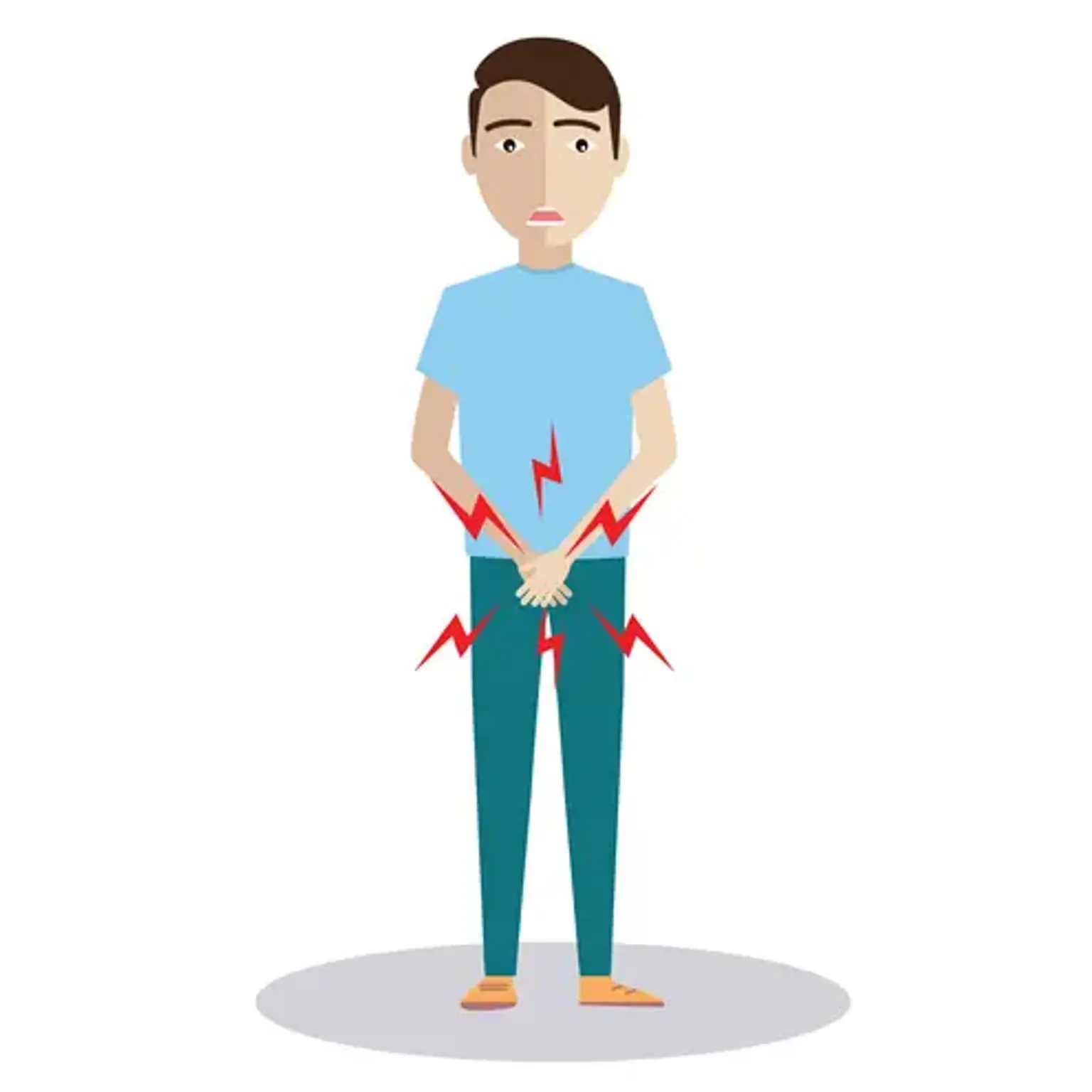
Anejaculation is the complete absence of ejaculation during sexual activity or masturbation. It is critical to distinguish it from other related conditions:
Retrograde Ejaculation: Semen is produced but travels backward into the bladder instead of out through the urethra. Men with this condition still have an orgasm but produce little to no ejaculate.
Delayed Ejaculation: Ejaculation takes a very long time to occur.
Erectile Dysfunction: The inability to achieve or maintain an erection sufficient for sexual intercourse.
In true anejaculation, the seminal emission phase of ejaculation does not happen, meaning sperm is not released from the testicles and reproductive glands. This can be a lifelong issue (primary anejaculation) or develop later in life (secondary anejaculation).
What are the Common Causes and Risk Factors for Anejaculation?
what-are-the-common-causes-and-risk-factors-for-anejaculationThe first step in addressing anejaculation is to understand its origin. The causes can be broadly categorized into physical, psychological, and medication-induced factors.
Neurological Conditions: Damage to the nerves that control ejaculation is a primary cause.
Spinal Cord Injury (SCI): This is one of the most common causes of anejaculation, affecting a high percentage of men with SCI.
Multiple Sclerosis (MS): This autoimmune disease can damage nerves throughout the body, including those involved in sexual function.
Diabetes: Long-term diabetes can lead to diabetic neuropathy, damaging the nerves responsible for ejaculation.
Surgical Procedures: Certain surgeries can inadvertently damage nerves or structures essential for ejaculation.
Retroperitoneal Lymph Node Dissection (RPLND): A surgery for testicular cancer.
Prostatectomy: Removal of the prostate gland for prostate cancer.
Aortic Surgery: Procedures on the major artery in the abdomen.
Medications: A number of common medications can interfere with the ejaculatory process.
Alpha-blockers: Used for high blood pressure or benign prostatic hyperplasia(BPH), such as tamsulosin.
Antidepressants: Particularly Selective Serotonin Reuptake Inhibitors (SSRIs).
Antipsychotics: Certain medications used for psychiatric conditions.
Psychological Factors: Mental and emotional health can have a profound impact on sexual function.
Stress, anxiety, or fear related to sexual performance.
Relationship conflicts or lack of attraction.
Past sexual trauma or strict religious/cultural upbringing causing guilt.
Hormonal Imbalances: Low levels of testosterone can contribute to ejaculatory dysfunction, though this is a less common cause.
What are the Symptoms and Signs of Anejaculation?
what-are-the-symptoms-and-signs-of-anejaculationThe signs of anejaculation are straightforward but can be alarming if unexpected. The primary and defining symptom is the inability to expel semen from the penis during orgasm.
A person with anejaculation typically experiences:
Normal sexual desire.
The ability to achieve and maintain a full erection.
The physical sensations of climax and orgasm.
The complete absence of ejaculate (semen) upon reaching orgasm.
For many, the first sign is the realization that climax is not accompanied by the expected release of fluid. This can lead to anxiety about fertility and overall sexual health.
How is Anejaculation Diagnosed?
how-is-anejaculation-diagnosedA correct diagnosis is crucial for determining the most effective treatment. The diagnostic process is systematic and managed by a urologist, often one specializing in male infertility or sexual medicine.
Detailed Medical and Sexual History: Your doctor will ask specific questions about the onset of the condition, your sexual habits, any existing medical conditions, past surgeries, and all medications you are currently taking.
Physical Examination: A thorough physical exam, including a check of the genitals and a digital rectal exam (DRE) to assess the prostate, is standard. The doctor will also perform a basic neurological assessment.
Laboratory Tests:
Urinalysis: A post-orgasm urine sample is analyzed for the presence of sperm. If sperm is found, it confirms a diagnosis of retrograde ejaculation, not anejaculation.
Hormone Profile: Blood tests may be ordered to check levels of testosterone and other relevant hormones.
Specialized Testing: In some cases, further tests like a transrectal ultrasound (TRUS) may be used to look for blockages in the ejaculatory ducts.
What are the Advanced Treatment Options for Anejaculation?
what-are-the-advanced-treatment-options-for-anejaculationTreatment is highly dependent on the underlying cause. If a reversible cause like a specific medication is identified, a simple change may resolve the issue. For most other cases, especially those aiming for fertility, specialized treatments are highly effective.
Penile Vibratory Stimulation (PVS): This is often the first-line treatment, especially for men with neurological issues like a spinal cord injury. A specialized, high amplitude medical vibrator is applied to the head of the penis to induce a reflex ejaculation. Success rates are high, particularly for men with SCI above the T10 level.
Electroejaculation (EEJ): If PVS is unsuccessful, EEJ is the next step. This procedure is performed under general anesthesia. A probe is inserted into the rectum and delivers a controlled electrical current to the nerves that trigger ejaculation, causing the release of semen which is then collected. EEJ has a very high success rate for sperm retrieval.
Surgical Sperm Retrieval: In cases where PVS and EEJ fail or are not suitable, sperm can be collected directly from the testicles or epididymis through procedures like TESA (Testicular Sperm Aspiration) or MESA (Microsurgical Epididymal Sperm Aspiration). The retrieved sperm can then be used for In Vitro Fertilization (IVF).
Psychological Counseling: If the cause is determined to be psychological, sex therapy or counseling can be very effective in addressing underlying anxiety, stress, or relationship issues that inhibit ejaculation.
Medication Adjustment: If a medication is the suspected cause, a physician may recommend switching to an alternative drug that does not have the same side effects. Never stop or change a prescribed medication without consulting your doctor.
How Can I Manage Life with Anejaculation?
how-can-i-manage-life-with-anejaculationCoping with anejaculation involves both medical treatment and emotional understanding. For many men, the psychological burden can be as challenging as the physical condition itself.
"For years, I felt broken. The climax was there, but nothing happened. It put so much strain on my wife and me, especially when we wanted to start a family. Getting a diagnosis was a huge relief. It wasn't 'me,' it was a medical condition. Starting treatment gave us hope back." – an anonymous patient, United States.
When Should I See a Doctor for Anejaculation?
when-should-i-see-a-doctor-for-anejaculationYou should schedule an appointment with a urologist if you consistently experience an inability to ejaculate despite having an orgasm. It is especially important to seek medical advice if:
You and your partner are trying to conceive.
The condition is causing you or your partner significant emotional distress.
The issue began after starting a new medication, having surgery, or being diagnosed with a new medical condition.
Recommended Clinics with Relevant Expertise in South Korea
recommended-clinics-with-relevant-expertise-in-south-koreaSouth Korea is home to world class medical facilities with specialized urology and male fertility centers. The following clinics and hospitals are recognized for their advanced diagnostics and treatment capabilities in sexual medicine and infertility.
Website | Clinic Name | Best Known For | Address | Contact |
|---|---|---|---|---|
Gangnam St. Mary's Urology Clinic | Specialized urological care, BPH, prostatitis, men's health | Seocho-gu, Seoul, South Korea | ||
Samsung Medical Center | Comprehensive care for complex conditions, advanced surgical technology, infertility | Gangnam-gu, Seoul, South Korea | ||
Asan Medical Center | Top-tier research hospital, expertise in oncology and complex urological surgery | Songpa-gu, Seoul, South Korea | ||
Seoul National University Hospital | Leading academic medical center, urological research, and clinical trials | Gangnam-gu, Seoul, South Korea | ||
Korea University Anam Hospital | Advanced diagnostics, robotic surgery, comprehensive men's health services | Seongbuk-gu, Seoul, South Korea | ||
Chung-Ang University Hospital | University-led patient care, strong urology and internal medicine departments | Dongjak-gu, Seoul, South Korea | ||
Best Top Urology Clinic | Focused urology practice, treatments for STDs, BPH, and sexual dysfunction | Seongnam-si, Gyeonggi-do, South Korea | ||
Top Urology Clinic | General and specialized urology services for common and complex conditions | Gumi-si, Gyeongsangbuk-do, South Korea |
Recommended Treatment/Procedure Names with Average Costs in South Korea
recommended-treatmentprocedure-names-with-average-costs-in-south-koreaThe following table provides an overview of relevant treatments and their estimated costs in South Korea. Costs are approximate and can vary based on the specific hospital and the complexity of the patient's case.
Treatment/Procedure Name | Treatment Duration | Hospitalization? | Avg Cost Range (USD) in S. Korea | Contact |
|---|---|---|---|---|
Male Infertility Workup & Treatment | 2–3 weeks | Not Needed | $3,000 - $20,000 | |
Sexual Dysfunction Consultation & Workup | 1-2 visits | Not Needed | $500 - $1,500 | |
CASA (Computer Assisted Semen Analysis) | 30 minutes | Not Needed | $200 - $500 | |
Rezūm Water Vapor Therapy (for BPH) | 30 - 60 mins | Not Needed | $8,000 - $12,000 | |
Urolift Procedure (for BPH) | 30 - 60 mins | Not Needed | $9,000 - $15,000 | |
Prostate Cancer Treatment (e.g., Surgery) | 2-4 hours | Needed (3-5 days) | $15,000 - $40,000 | |
Vasectomy Surgery | 20 - 30 mins | Not Needed | $1,000 - $2,000 | |
Testicular Discomfort Diagnostic Workup | 1-2 visits | Not Needed | $300 - $1,000 |
What Are Common Questions About Anejaculation?
what-are-common-questions-about-anejaculationThis section addresses the most common practical questions patients have about living with the condition.
1. Is anejaculation the same as retrograde ejaculation?
1.-is-anejaculation-the-same-as-retrograde-ejaculationNo. They are distinct conditions. In anejaculation, the seminal emission reflex fails, and no semen enters the urethra. In retrograde ejaculation, emission occurs, but a problem with the bladder neck muscle causes the semen to flow backward into the bladder instead of forward out of the penis. A post-orgasm urine test can easily differentiate the two.
2. Can I still have children if I have anejaculation?
2.-can-i-still-have-children-if-i-have-anejaculationYes, absolutely. This is a key point of reassurance. While natural conception is not possible, modern assisted reproductive technologies offer excellent solutions. Procedures like Penile Vibratory Stimulation (PVS) and Electroejaculation (EEJ) can successfully retrieve sperm, which can then be used for Intrauterine Insemination (IUI) or In Vitro Fertilization (IVF).
3. Are there medications that cause anejaculation?
3.-are-there-medications-that-cause-anejaculationYes. Certain medications are known to cause ejaculatory dysfunction as a side effect. The most common culprits are alpha-blockers (like tamsulosin for prostate enlargement), some antidepressants (especially SSRIs), and certain antipsychotic drugs. If you suspect your medication is the cause, speak to your doctor about potential alternatives.
4. Is anejaculation a psychological or physical problem?
4.-is-anejaculation-a-psychological-or-physical-problemIt can be either, or a combination of both. Many cases have a clear physical cause, such as nerve damage from a spinal cord injury, diabetes, or surgery. However, psychological factors like severe stress, performance anxiety, or past trauma can also inhibit the ejaculatory reflex. A thorough medical evaluation is necessary to determine the specific cause for each individual.
Take the First Step Towards Understanding and Treatment Now!
take-the-first-step-towards-understanding-and-treatmentNavigating a condition like anejaculation can feel isolating, but clear answers and effective solutions are available. The most important step is seeking an expert medical evaluation to understand the root cause and explore your options, whether your goal is to restore function or to build a family. At CloudHospital, we provide a seamless and transparent process to connect you with leading urologists and fertility specialists in South Korea. Your dedicated Care Manager will provide end-to-end support, from your initial questions to post-recovery care. And Start your confidential inquiry to receive a personalized treatment plan and begin your journey toward a solution.