
Introduction
Cardiovascular health is the cornerstone of a vibrant life, yet millions worldwide face the silent threat of coronary artery disease (CAD). This condition, marked by the narrowing or blockage of blood vessels supplying the heart, is a leading cause of heart attacks and other life-threatening complications. Thankfully, advancements in medical technology have brought effective and minimally invasive solutions to combat these issues: angioplasty and stents.
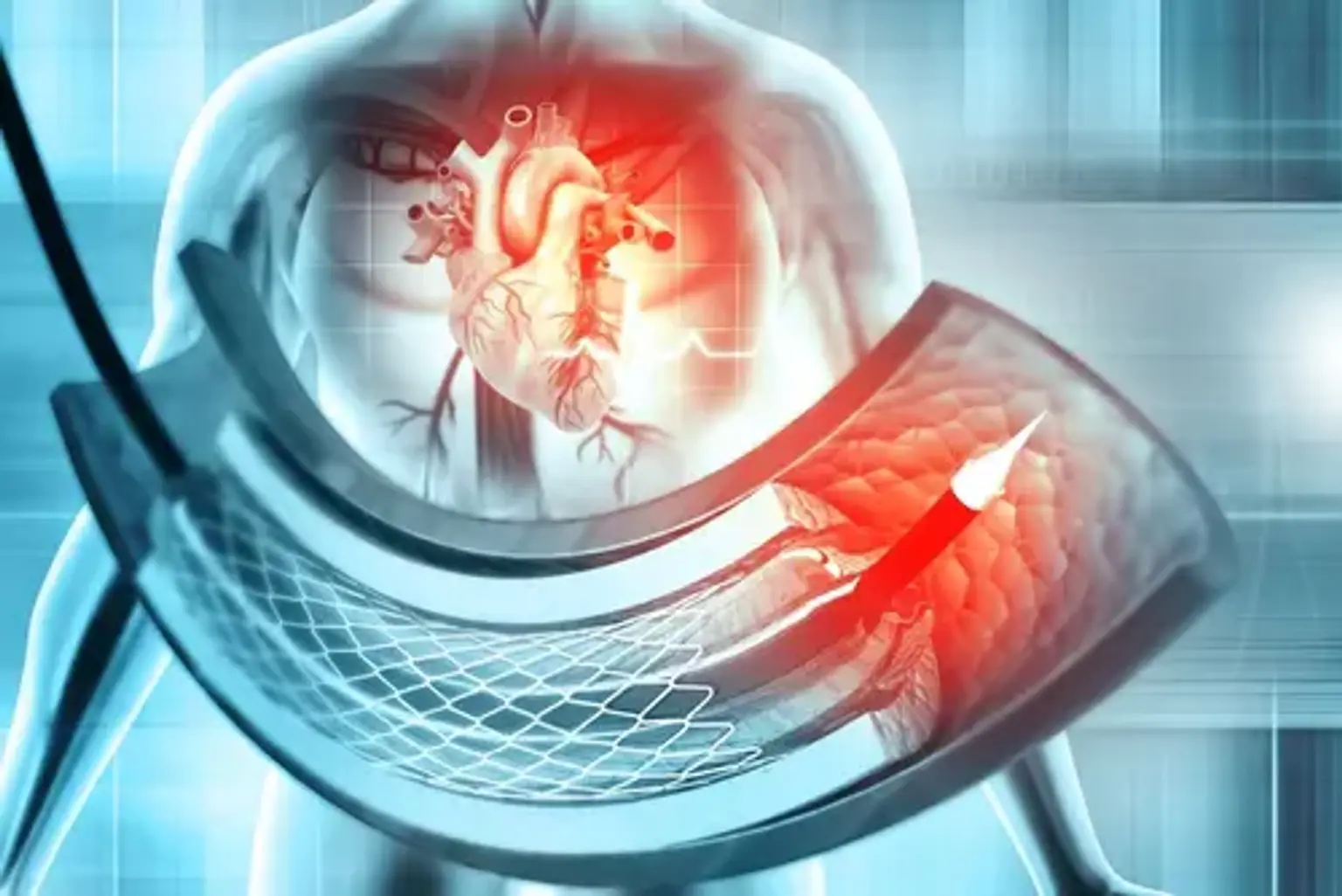
Angioplasty, often performed in conjunction with stent placement, is a groundbreaking procedure designed to restore normal blood flow in blocked arteries. By using a balloon to widen narrowed vessels and a stent to keep them open, this procedure has become a game-changer for patients with CAD. Beyond its medical efficacy, it offers hope and reassurance to those grappling with the fear of invasive surgeries and prolonged recovery times.
In this article, we will delve into the details of angioplasty and stents, exploring their processes, benefits, and safety aspects. Whether you're a patient considering the procedure or someone looking to better understand heart health, this guide will provide all the information you need.
What is Angioplasty?
Angioplasty, also known as percutaneous coronary intervention (PCI), is a minimally invasive medical procedure that helps clear blocked or narrowed arteries caused by plaque buildup. Plaque—a sticky substance composed of cholesterol, fatty deposits, and other materials—can restrict blood flow, leading to chest pain, shortness of breath, or even a heart attack.
The primary goal of angioplasty is to improve blood flow by mechanically widening the affected artery. This is achieved using a catheter, a thin flexible tube, inserted into the artery, typically through the wrist or groin. At the tip of the catheter is a small balloon that inflates to push the plaque against the arterial walls, creating a wider passage for blood to flow.
Balloon angioplasty has been hailed for its effectiveness and precision. Unlike traditional open-heart surgeries, angioplasty is performed through small punctures rather than large incisions, significantly reducing recovery time and the risk of complications. However, the balloon alone is not always sufficient to maintain artery openness, which is where stents come into play.
What Are Stents?
A stent is a small, mesh-like tube that acts as a scaffold to keep the artery open after angioplasty. Once the balloon has expanded the artery, the stent is placed at the treatment site to ensure the vessel remains unobstructed. Over time, the artery heals around the stent, incorporating it into the vessel wall.
There are two primary types of stents used in modern medical practice:
Drug-Eluting Stents (DES): These stents are coated with medication that gradually releases into the artery to prevent scar tissue formation and re-narrowing of the vessel (a condition known as restenosis).
Bare-Metal Stents (BMS): These stents do not have a drug coating and are typically used in cases where there is a lower risk of restenosis.
The choice between DES and BMS depends on individual patient factors, including the severity of the blockage, overall health, and likelihood of scar tissue formation. Both types of stents have been proven to significantly improve blood flow and reduce the risk of future heart complications.
Stents have revolutionized the treatment of CAD, offering patients a safer, less invasive alternative to bypass surgery. With proper care and lifestyle adjustments, many patients experience long-term benefits, including improved heart function and quality of life.
The Procedure: How Angioplasty and Stents Work Together
Angioplasty combined with stent placement is a well-orchestrated procedure that ensures optimal outcomes for patients. Here’s a step-by-step breakdown of what to expect:
Preparation and Anesthesia:
The procedure typically begins with local anesthesia to numb the insertion site. Patients remain awake but are often sedated to minimize discomfort and anxiety. Before the procedure, diagnostic tests like an angiogram (an X-ray of the arteries) help pinpoint the exact location of the blockage.Insertion of the Catheter:
A small incision is made, usually in the wrist or groin, and a catheter is guided through the blood vessels to the blocked artery. A contrast dye is injected to make the arteries visible on imaging screens, ensuring precise navigation.Balloon Inflation and Plaque Compression:
Once the catheter reaches the blockage, the balloon at its tip is inflated. This pushes the plaque against the arterial walls, widening the passage and restoring blood flow. The balloon is then deflated and removed.Stent Placement:
To maintain the artery's new width, a stent is positioned at the treatment site. It is delivered using a second catheter with the stent pre-mounted on a balloon. When the balloon inflates, the stent expands and locks into place. Once deployed, the stent remains in the artery permanently, providing continuous support.Completion and Recovery:
After ensuring the stent is securely in place and blood flow is restored, the catheter is withdrawn. Pressure is applied to the incision site to prevent bleeding, and the patient is moved to a recovery area for monitoring.
The entire procedure typically lasts one to two hours and is considered highly safe when performed by experienced interventional cardiologists. Most patients can return to their daily activities within a few days, with significant improvements in symptoms like chest pain and shortness of breath.
Benefits of Angioplasty and Stents
Angioplasty and stents have transformed the treatment of coronary artery disease (CAD), providing a lifeline to patients struggling with restricted blood flow to the heart. The benefits of these procedures extend far beyond immediate relief, offering long-term advantages that significantly enhance heart health and quality of life.
Immediate Restoration of Blood Flow:
One of the most significant benefits of angioplasty is its ability to quickly restore blood flow to the heart. Patients who experience chest pain (angina) or shortness of breath due to blocked arteries often notice a dramatic improvement in symptoms shortly after the procedure.Reduced Risk of Heart Attacks:
By opening up blocked arteries, angioplasty and stents reduce the likelihood of future heart attacks. In many cases, these procedures are performed during emergencies to halt the progression of a heart attack and prevent severe damage to the heart muscle.Minimally Invasive Approach:
Unlike traditional open-heart surgeries, angioplasty involves small incisions, resulting in less pain, shorter hospital stays, and faster recovery times. This minimally invasive approach is particularly beneficial for older patients or those with other health conditions that make surgery riskier.Improved Long-Term Heart Function:
With proper follow-up care and lifestyle changes, patients who undergo angioplasty experience better heart performance and overall endurance. They can often return to normal activities, including exercise, without the burden of debilitating symptoms.
Risks and Complications
While angioplasty and stents are considered safe, like any medical procedure, they carry certain risks. Understanding these potential complications can help patients make informed decisions and prepare for the procedure.
Common Risks:
The most frequent complications include bleeding or bruising at the catheter insertion site and mild allergic reactions to the contrast dye used during imaging. These issues are usually temporary and resolve with minimal intervention.Restenosis:
Restenosis, or the re-narrowing of the artery, can occur in some patients after angioplasty. This risk is significantly reduced with the use of drug-eluting stents, which release medication to prevent scar tissue buildup.Blood Clots:
Blood clots may form in or near the stent, potentially leading to a heart attack. To minimize this risk, patients are prescribed antiplatelet medications like aspirin or clopidogrel to keep the blood thin and flowing smoothly.Rare Complications:
In rare cases, complications such as damage to the artery, heart attack during the procedure, or kidney problems from the contrast dye can occur. These risks are more likely in patients with pre-existing conditions, such as diabetes or chronic kidney disease.
Despite these risks, advancements in technology and the expertise of interventional cardiologists have made angioplasty one of the safest and most effective treatments for CAD.
Recovery After Angioplasty
Recovery after angioplasty is generally swift, allowing patients to return to their daily routines in a matter of days. However, proper post-procedure care is essential to ensure long-term success and prevent complications.
Immediate Post-Procedure Care:
After angioplasty, patients are monitored in a recovery area for a few hours to ensure there are no immediate complications. Depending on the complexity of the procedure, some may stay overnight for observation. The insertion site is bandaged, and patients are advised to avoid strenuous activities for a few days.Medications:
To prevent blood clots and maintain artery openness, patients are prescribed antiplatelet medications. It is crucial to follow the prescribed regimen and avoid discontinuing these drugs without consulting a healthcare provider.Lifestyle Adjustments:
Long-term recovery involves adopting a heart-healthy lifestyle. This includes quitting smoking, maintaining a balanced diet rich in fruits and vegetables, and engaging in regular physical activity. Managing conditions like high blood pressure, high cholesterol, and diabetes is also vital.Follow-Up Care:
Regular follow-ups with a cardiologist are critical to monitor the stent's performance and overall heart health. These visits often include stress tests, blood work, and imaging studies to ensure the procedure's success.
Why Angioplasty is Popular in Korea?
Korea has emerged as a global hub for advanced medical procedures, including angioplasty and stent placement. Several factors contribute to the growing popularity of this treatment in the country, particularly among international patients.
World-Class Medical Facilities:
Korean hospitals are equipped with state-of-the-art technology and staffed by highly trained interventional cardiologists. Their expertise in performing angioplasty ensures optimal outcomes for patients with even the most complex cases of CAD.Cutting-Edge Technology:
Korea is renowned for adopting the latest advancements in medical technology, including advanced imaging systems and high-performance stents. This enables precise diagnosis and treatment, minimizing risks and improving recovery times.Affordability for International Patients:
Despite the high quality of care, angioplasty in Korea is often more cost-effective compared to Western countries. Medical tourism programs frequently bundle the procedure with travel accommodations, making it an attractive option for patients abroad.Personalized Patient Care:
Korean healthcare facilities emphasize patient-centered care, ensuring that each individual receives tailored treatment and comprehensive support throughout their medical journey. This approach has earned the country a stellar reputation for medical excellence.
How Does Angioplasty Improve Heart Health?
Angioplasty has become a cornerstone of modern cardiology due to its ability to restore and maintain heart health effectively. The procedure not only provides immediate relief but also offers long-term benefits for patients with coronary artery disease (CAD).
Restoring Blood Flow:
The primary objective of angioplasty is to open narrowed or blocked arteries and improve blood flow to the heart. This alleviates symptoms like chest pain, fatigue, and shortness of breath, enabling patients to engage in daily activities without discomfort.Enhancing Heart Function:
By addressing blockages, angioplasty reduces the strain on the heart, allowing it to pump blood more efficiently. Over time, this improvement in cardiac function can lower the risk of heart failure and other complications.Preventing Heart Attacks:
Blocked arteries are a significant risk factor for heart attacks. By clearing these blockages and placing stents to keep the arteries open, angioplasty drastically reduces the likelihood of heart attacks, particularly in high-risk patients.Improving Quality of Life:
Patients who undergo angioplasty often report a dramatic improvement in their overall quality of life. They experience fewer symptoms, enhanced physical endurance, and greater confidence in managing their heart health.
Patient Safety and Pre-Surgical Assessments
Patient safety is a top priority in angioplasty and stent procedures, with rigorous assessments ensuring the procedure's suitability and success.
Comprehensive Evaluations:
Before angioplasty, patients undergo tests like electrocardiograms (EKGs), blood tests, and angiograms to determine the severity of blockages.Personalized Risk Assessment:
Medical teams evaluate factors like age, pre-existing conditions, and medication history to tailor the procedure to each patient’s needs.Qualified Practitioners:
Choosing experienced interventional cardiologists and accredited medical centers is crucial for reducing risks and achieving the best outcomes.Pre-Procedure Preparation:
Patients are guided through pre-procedure instructions, including fasting requirements and medication adjustments, to ensure a smooth experience.
Comparing Drug-Eluting Stents and Bare-Metal Stents
The type of stent used during angioplasty can significantly impact the procedure's long-term success.
Drug-Eluting Stents (DES):
DES release medication over time, reducing the risk of restenosis. They are ideal for patients prone to scar tissue formation.Bare-Metal Stents (BMS):
BMS are uncoated and often used when the risk of blood clots is lower. They are a simpler and more cost-effective option in select cases.Effectiveness and Durability:
DES generally offer better long-term outcomes, with studies showing lower restenosis rates compared to BMS.Patient-Centric Decisions:
The choice between DES and BMS is made based on individual health factors, ensuring optimal treatment results.
FAQs About Angioplasty and Stents
Patients often have questions about angioplasty and stents, which healthcare providers are happy to address.
Is Angioplasty Safe?
Yes, angioplasty is a widely practiced, safe procedure with a high success rate when performed by skilled cardiologists.What is the Recovery Time?
Most patients resume normal activities within a week, though individual recovery times vary based on overall health.How Long Do Stents Last?
Stents are designed to remain in the artery permanently, with regular follow-ups ensuring they function effectively.Can Angioplasty Prevent a Heart Attack?
Yes, by restoring blood flow and preventing artery blockages, angioplasty significantly reduces the risk of future heart attacks.
Maintaining Heart Health After the Procedure
The success of angioplasty doesn’t end in the operating room. Post-procedure care and lifestyle changes are essential to ensure long-term benefits and overall heart health.
Adopting a Heart-Healthy Diet:
A balanced diet rich in fruits, vegetables, lean proteins, and whole grains helps maintain clear arteries. Reducing saturated fats, trans fats, and sodium can significantly lower the risk of future blockages.Incorporating Regular Exercise:
Moderate physical activity, such as walking or cycling, strengthens the heart and improves circulation. Patients should consult their doctor before starting a new exercise routine.Managing Risk Factors:
Conditions like high blood pressure, high cholesterol, and diabetes must be closely monitored and controlled to prevent further heart issues.Staying Compliant with Medications:
Blood-thinning medications and other prescribed drugs help prevent complications, such as blood clots or restenosis. Following the doctor’s instructions is critical for recovery.
Why Angioplasty is Popular in Korea
Korea has become a preferred destination for patients seeking advanced angioplasty procedures, thanks to its world-class healthcare system and patient-centered approach.
High Standards of Medical Care:
Korean hospitals are equipped with state-of-the-art technology, ensuring precision and safety during angioplasty procedures.Expertise in Cardiology:
Interventional cardiologists in Korea are highly trained and experienced, making the country a leader in minimally invasive heart treatments.Affordability and Accessibility:
Compared to many Western countries, angioplasty in Korea is cost-effective without compromising on quality. Medical tourism packages often include accommodations and follow-up care.Focus on Patient Comfort:
Korean hospitals emphasize holistic care, providing clear communication, comfortable facilities, and personalized treatment plans for both local and international patients.
Scientific Advancements in Angioplasty and Stents
Recent innovations have enhanced the safety and effectiveness of angioplasty, paving the way for better patient outcomes.
Bioabsorbable Stents:
These stents dissolve over time, eliminating the need for a permanent implant and reducing long-term risks.Improved Imaging Technology:
Advances in imaging, such as optical coherence tomography (OCT), provide cardiologists with detailed views of the arteries during the procedure.Drug Innovations:
Modern drug-eluting stents release medications more effectively, further minimizing the risk of restenosis.Remote Monitoring:
Digital health tools allow cardiologists to monitor patients remotely, ensuring early detection of potential complications.
Addressing Concerns About Angioplasty
It’s natural for patients to have concerns about undergoing angioplasty, but proper education and communication can ease their worries.
Safety and Success Rates:
Angioplasty is one of the most commonly performed and safest cardiac procedures, with a success rate exceeding 90% in most cases.Recovery and Downtime:
Many patients return to work and normal activities within a week, making it a convenient option for those with busy lifestyles.Longevity of Results:
With the right care, stents can function effectively for many years, providing lasting relief from symptoms.Emotional Reassurance:
Understanding the procedure’s benefits and having a supportive medical team can alleviate patient anxiety and foster confidence in their treatment plan.
Innovations Driving the Future of Angioplasty
The field of angioplasty continues to evolve, with new technologies and techniques enhancing patient outcomes and safety.
Personalized Treatment Plans:
Advancements in data analytics and artificial intelligence (AI) enable cardiologists to tailor procedures to each patient’s unique anatomy and health needs.Nanotechnology in Stents:
Researchers are exploring nanotechnology to develop stents with enhanced drug delivery capabilities and better biocompatibility, reducing risks like restenosis.Robotic-Assisted Angioplasty:
Robotics offers unprecedented precision, minimizing human error during stent placement and improving outcomes in complex cases.Hybrid Procedures:
Combining angioplasty with other minimally invasive techniques allows for more comprehensive treatments of multi-vessel or severe coronary artery disease.
Psychological and Emotional Benefits of Angioplasty
In addition to physical health improvements, angioplasty can have profound effects on a patient’s mental well-being.
Relief from Anxiety:
The procedure alleviates the constant worry about heart attacks or worsening symptoms, giving patients peace of mind.Improved Quality of Life:
With better heart function, patients often feel more energetic and optimistic about their ability to participate in daily activities and hobbies.Reassurance for Loved Ones:
Knowing that a loved one has received a life-saving treatment reduces stress for family members and caregivers.Renewed Confidence in Health:
Successful treatment empowers patients to take charge of their health, motivating them to make positive lifestyle changes.
Global Interest in Angioplasty in Korea
Korea’s reputation as a medical tourism destination continues to attract patients worldwide seeking angioplasty and related cardiac procedures.
Accessible Medical Tourism Packages:
Many hospitals in Korea offer comprehensive packages that include procedure costs, accommodations, and follow-up care, streamlining the process for international patients.Language Support Services:
Dedicated teams provide translation and interpretation services, ensuring seamless communication and understanding throughout the treatment journey.Shorter Waiting Times:
Unlike many countries with prolonged waitlists, Korea offers prompt scheduling for angioplasty, crucial for time-sensitive conditions.Cultural Attractions for Recovery:
Patients and their families often explore Korea’s rich cultural heritage and scenic landscapes during recovery, making the experience both therapeutic and enjoyable.
Conclusion
Angioplasty and stents have revolutionized the treatment of coronary artery disease, offering patients a safe, effective, and minimally invasive solution to restore heart health. With advancements in technology, expert practitioners, and accessible care, these procedures continue to improve lives worldwide.
Whether seeking treatment locally or considering Korea’s exceptional healthcare system, patients can feel confident in the effectiveness of angioplasty. By understanding the procedure, addressing concerns, and committing to post-procedure care, individuals can achieve long-term benefits and enjoy a healthier, more active life.