
The clinical information regarding Anosmia in this article has been rigorously verified against the latest position statements from the American Academy of Otolaryngology Head and Neck Surgery (AAO-HNS) and primary research from databases like PubMed, particularly concerning post-viral olfactory dysfunction. This piece was reviewed for accuracy and patient-centric clarity and was last updated in October 2023.
Introduction
introduction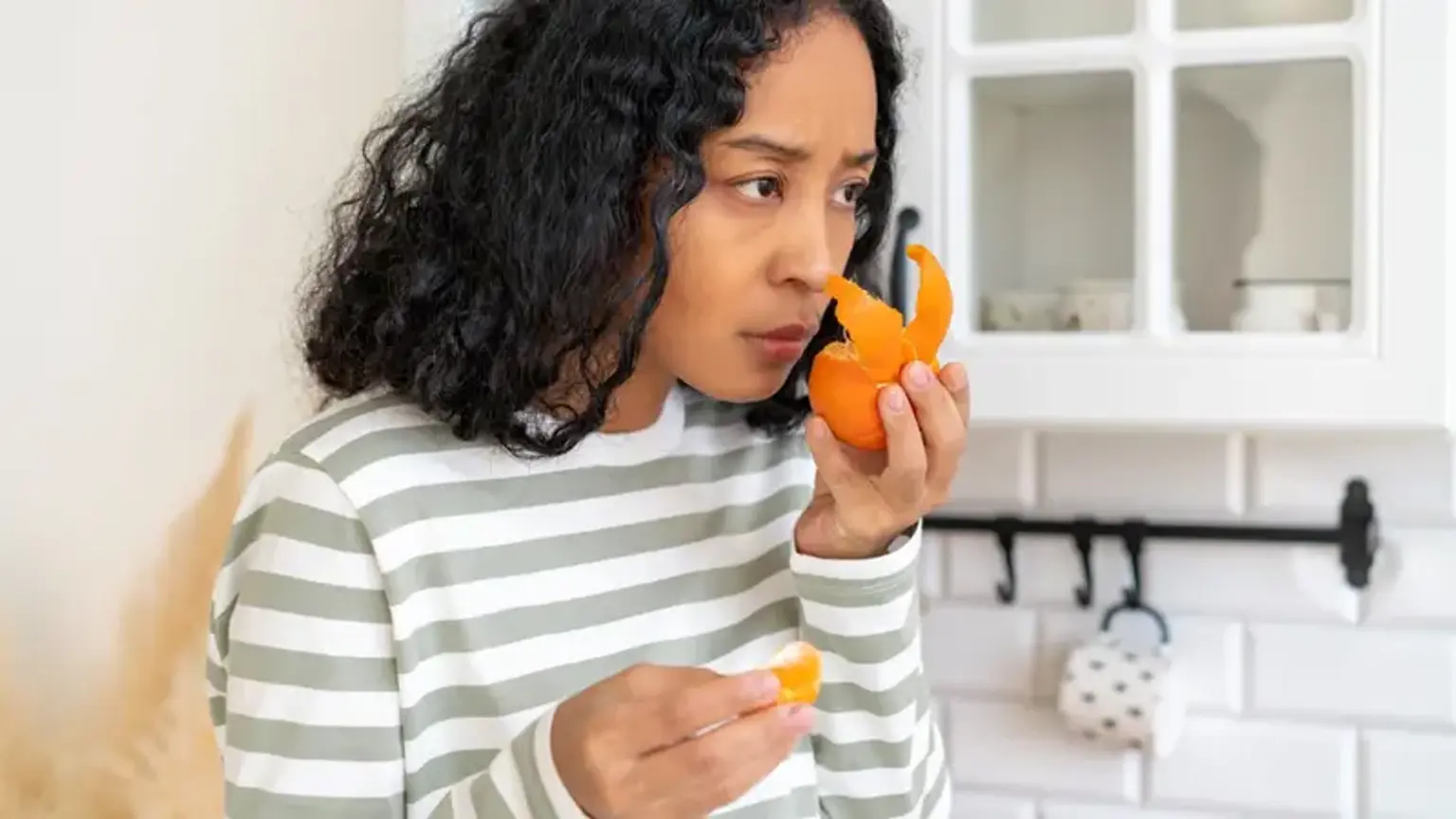
Anosmia, the complete loss of the sense of smell, is more than just a sensory deficit; it is a profound condition that can significantly impact one's quality of life, safety, and emotional well-being. Affecting millions worldwide, its prevalence has sharply increased following the COVID-19 pandemic, bringing this once overlooked symptom to the forefront of medical discussion. This guide offers a comprehensive, expert level overview of anosmia, from its underlying causes and diagnostic procedures to the latest treatment strategies and coping mechanisms for those seeking to understand and manage their condition.
What is Anosmia?
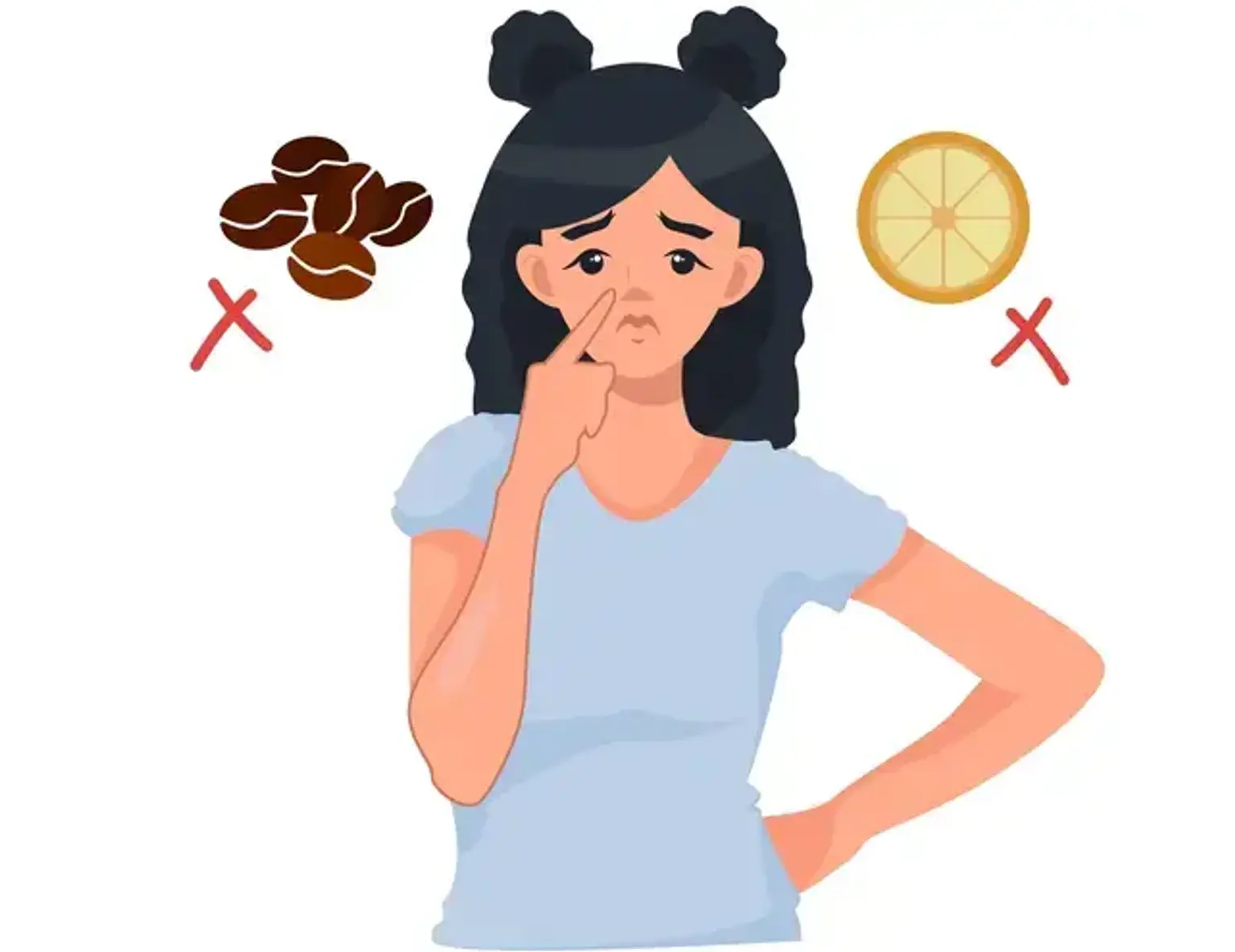
what-is-anosmiaAnosmia is the medical term for the total inability to detect odors. It is the most severe form of olfactory dysfunction. The sense of smell is governed by the olfactory system, a complex network that begins with specialized sensory neurons in the nasal cavity. When you inhale an odorant molecule, it binds to these neurons, which then send a signal through the olfactory nerve to the olfactory bulb in the brain. The brain then processes this signal, allowing you to perceive and identify the smell.
Anosmia occurs when there is a disruption anywhere along this pathway. This can be a physical blockage in the nose preventing odors from reaching the neurons, damage to the olfactory neurons themselves, or an issue within the brain that prevents it from processing the signals correctly. It is distinct from hyposmia a reduced sense of smell, parosmia a distorted sense of smell, and phantosmia smelling odors that are not actually present.
What are the Main Causes of Anosmia?
what-are-the-main-causes-of-anosmiaThe causes of anosmia are diverse and can be broadly categorized into conductive, sensorineural, and central nervous system issues. A proper diagnosis from an otolaryngologist (ENT specialist) is critical to identify the specific cause.
Viral Infections: Upper respiratory infections, including the common cold, influenza, and coronaviruses, are a leading cause. These viruses can directly damage the delicate olfactory epithelium or cause inflammation that disrupts function. Post-viral anosmia is one of the most common forms seen by specialists.
Nasal and Sinus Disease (Conductive Issues): Any physical blockage that prevents air and odorants from reaching the olfactory receptors can cause anosmia. Common examples include:
Chronic sinusitis with or without nasal polyps
Severe allergic rhinitis (hay fever)
Deviated nasal septum
Nasal tumors (benign or malignant)
Head Trauma: A traumatic brain injury (TBI), even a seemingly mild one, can shear or damage the delicate olfactory nerve fibers where they pass through the cribriform plate a sieve like bone at the base of the skull. This is a common cause of permanent anosmia.
Neurological and Congenital Disorders: Certain conditions can affect the brain's ability to process smell or can be present from birth.
Congenital Anosmia: Being born without a sense of smell, sometimes associated with specific genetic syndromes like Kallmann syndrome.
Neurodegenerative Diseases: Anosmia can be an early symptom of diseases like Parkinson's disease and Alzheimer's disease, sometimes appearing years before motor or cognitive symptoms.
Toxic Exposure: Inhaling certain chemicals, such as solvents, ammonia, or heavy metals, can cause permanent damage to the olfactory neurons.
Aging: The sense of smell naturally declines with age, though complete loss is not a normal part of aging and warrants investigation.
Medications and Medical Treatments: Certain medications and treatments, including some antibiotics, antidepressants, and radiation therapy for head and neck cancers, can list anosmia as a side effect.
What is the Link Between COVID-19 and Anosmia?
what-is-the-link-between-covid-19-and-anosmiaThe sudden loss of smell became a hallmark symptom of COVID-19 infection. Research indicates that SARS-CoV-2 does not typically infect the olfactory neurons directly. Instead, it primarily attacks the supporting cells (sustentacular cells) within the olfactory epithelium. The resulting inflammation and cellular disruption interfere with the neurons' ability to function and send signals to the brain. For most individuals, smell returns within weeks or months, but a significant portion experiences persistent hyposmia or parosmia long after the infection has cleared.
How is Anosmia Officially Diagnosed by a Doctor?
how-is-anosmia-officially-diagnosed-by-a-doctorA thorough diagnostic process is essential to determine the cause of anosmia and guide treatment. An ENT specialist will typically follow these steps:
Detailed Medical History: The doctor will ask about the onset of smell loss (sudden or gradual), potential triggers, related symptoms (nasal congestion, distorted smells), and your overall health history.
Physical Examination: This involves a nasal endoscopy, where a thin, flexible tube with a camera is inserted into the nasal passages. This allows the doctor to look for physical obstructions like nasal polyps, a deviated septum, inflammation from sinusitis, or tumors.
Psychophysical Olfactory Testing: These are standardized, non-invasive tests to objectively measure the extent of smell loss. The most common is the University of Pennsylvania Smell Identification Test (UPSIT), which involves a series of scratch and sniff booklets.
Imaging Scans: If a neurological cause or tumor is suspected, or if the diagnosis is unclear, an MRI or CT scan of the brain, sinuses, and olfactory bulbs may be ordered to visualize the olfactory pathways and surrounding structures.
What Treatments are Available for Complete Loss of Smell?
what-treatments-are-available-for-complete-loss-of-smellTreatment for anosmia is highly dependent on its underlying cause. There is no single cure, but several strategies can lead to partial or full recovery.
Treating the Underlying Cause:
For Obstructive Issues: If anosmia is caused by sinusitis or nasal polyps, treatments may include steroid nasal sprays, oral corticosteroids, or biologic medications. In many cases, functional endoscopic sinus surgery (FESS) is required to remove polyps and clear the sinus passages, allowing odors to reach the olfactory cleft. A septoplasty may be performed to correct a deviated septum.
For Allergies: Antihistamines and steroid sprays can reduce inflammation and restore smell.
Olfactory Training (Smell Training): This is the primary physician recommended therapy for sensorineural anosmia, particularly post-viral and post-traumatic types. It involves the structured, repetitive sniffing of a set of potent, familiar odors typically lemon, rose, clove, and eucalyptus twice daily for several months. This acts as physical therapy for the nose and brain, stimulating neuronal recovery and promoting neuroplasticity in the olfactory system .
Medications:
Corticosteroids: A short course of oral or injected steroids may be prescribed to reduce inflammation, especially in early post-viral cases.
Other Therapies: Investigational treatments like sodium citrate rinses, vitamin A, and omega-3 supplements are being studied, but their effectiveness is not yet definitively proven for all types of anosmia.
Smoking Cessation: Quitting smoking can improve olfactory function by reducing inflammation and allowing the olfactory epithelium to heal.
How Can I Manage Life with Anosmia?
how-can-i-manage-life-with-anosmia"For the first few months, food was just texture. I felt disconnected from everything, even my own home. Learning to focus on the crunch of an apple or the warmth of coffee became my new way of 'tasting.' It's a slow process, but finding those small joys again gives me hope." – An anonymous patient, United Kingdom.
Living without smell requires conscious adjustments to ensure safety and maintain quality of life.
Safety Measures: Install smoke detectors and natural gas detectors and check their batteries regularly. Be meticulous with food hygiene, checking expiration dates and appearances, as you cannot smell spoilage.
Enhancing Food Enjoyment: Focus on other sensory aspects of food. Experiment with textures (creamy, crunchy), temperatures (hot, cold), and trigeminal sensations kick from chili peppers, the coolness of mint.
Emotional Support: The loss of smell is often linked to depression and social isolation. Connecting with others through support groups like AbScent or the Monell Chemical Senses Center can be incredibly helpful.
When Should I See a Doctor for Loss of Smell?
when-should-i-see-a-doctor-for-loss-of-smellYou should consult a healthcare professional, preferably an otolaryngologist, if:
You experience a sudden and unexplained loss of smell.
Your loss of smell persists for more than two weeks after a cold or flu.
The anosmia is accompanied by other neurological symptoms like memory loss, vision changes, or weakness.
The loss of smell follows a head injury.
You suspect your anosmia might be a side effect of a medication you are taking.
Recommended Clinics with Relevant Expertise in South Korea
recommended-clinics-with-relevant-expertise-in-south-koreaFor individuals seeking advanced diagnostic and treatment options, South Korea's leading medical centers offer specialized ENT departments equipped with state-of-the-art technology and expert physicians.
Website | Clinic Name | Best Known For | Address | Contact |
|---|---|---|---|---|
Hyundai Uvis Hospital | Comprehensive ENT & General Medical Services | Michuhol-gu, Incheon, South Korea | ||
Gangnam Severance Hospital | Advanced Surgical Techniques & University Research | Gangnam-gu, Seoul, South Korea | ||
Samsung Medical Center | Top-Tier Research & Complex Disease Treatment | Gangnam-gu, Seoul, South Korea | ||
Special ENT Clinic | Dedicated, Specialized ENT Care & Diagnostics | Seocho-gu, Seoul, South Korea | ||
Gangdong Yonsei ENT Clinic | Focused ENT Clinic with University Affiliation | Gangdong-gu, Seoul, South Korea | ||
Always Green ENT Clinic | Patient-Centered Approach to ENT Conditions | Seocho-gu, Seoul, South Korea | ||
Jeongdam ENT Clinic | Comprehensive Outpatient ENT Services | Songpa-gu, Seoul, South Korea | ||
Yeouido ENT Clinic | Accessible ENT Care in Seoul's Financial District | Yeongdeungpo-gu, Seoul, South Korea |
Recommended Treatment/Procedure Names with Average Costs in South Korea
recommended-treatmentprocedure-names-with-average-costs-in-south-koreaThe following are common ENT procedures. While not all directly treat anosmia, procedures like sinus surgery are critical for anosmia caused by physical obstruction. Costs are estimates and can vary.
Treatment/Procedure Name | Duration | Hospitalization? | Avg. Cost (USD) in S. Korea | Contact |
|---|---|---|---|---|
Complex Sinus Surgery (Frontal/Sphenoid) | 2-3 hours | Needed (1 day) | $5,000 - $9,000 | |
Septoplasty with Turbinate Reduction | 1-2 hours | Not Needed (or 1 day) | $3,500 - $6,000 | |
Rhinoplasty (Cosmetic/Functional) | 2-4 hours | Needed (1 day) | $5,000 - $10,000 | |
Tonsillectomy & Adenoidectomy (T&A) | 30-60 mins | Not Needed (or 1 day) | $2,500 - $4,500 | |
Tympanomastoidectomy | 2-4 hours | Needed (1-2 days) | $7,000 - $12,000 | |
Stapedectomy (Middle Ear Surgery) | 1-2 hours | Not Needed (or 1 day) | $6,000 - $10,000 | |
Cochlear Implant Surgery | 4-6 hours | Needed (2-3 days) | $30,000 - $50,000 | |
Thyroidectomy (Partial or Total) | 2-4 hours | Needed (1-3 days) | $6,000 - $11,000 | |
Parotidectomy (Salivary Gland Removal) | 2-4 hours | Needed (2-3 days) | $8,000 - $15,000 | |
Laryngectomy (Voice Box Removal) | 5-9 hours | Needed (7-14 days) | $25,000 - $45,000 |
What Are Common Questions About Anosmia?
what-are-common-questions-about-anosmiaThis section addresses practical questions patients have about living with and treating anosmia.
1. Can anosmia be permanent?
1.-can-anosmia-be-permanentYes, anosmia can be permanent, though it depends entirely on the cause. Anosmia due to head trauma or certain congenital conditions is often permanent because the olfactory nerves are physically severed or absent. However, a significant percentage of cases, especially post-viral anosmia, see partial or full recovery over time, often aided by treatments like olfactory training. Full recovery is possible for up to 60-80% of post-viral cases within two years .
2. How does smell training for anosmia work?
2.-how-does-smell-training-for-anosmia-workSmell training works by repeatedly stimulating the olfactory system to encourage the regeneration and reorganization of damaged neural pathways. The standard protocol involves sniffing four distinct scents (e.g., rose, lemon, clove, eucalyptus) for about 20 seconds each, twice a day, every day. Consistency is key, and it may take three to six months or longer to notice improvements. It is a safe, low-cost therapy recommended as a first-line treatment for many forms of sensorineural anosmia.
3. Can diet affect my recovery from anosmia?
3.-can-diet-affect-my-recovery-from-anosmiaWhile no specific anosmia diet is proven to cure the condition, overall good nutrition supports general nerve health and healing. Some research is exploring the role of nutrients like zinc, vitamin A, and omega-3 fatty acids in olfactory function. The most direct impact of diet is on quality of life; focusing on food textures, spiciness trigeminal nerve stimulation, and umami can make eating more enjoyable while your sense of smell recovers.
4. Is anosmia hereditary?
4.-is-anosmia-hereditaryIn most cases, anosmia is acquired and not hereditary. It is typically caused by infection, injury, or sinus disease. However, a rare condition called congenital anosmia, where a person is born without a sense of smell, can be hereditary and is sometimes linked to genetic syndromes.
5. Can I still taste food if I have anosmia?
5.-can-i-still-taste-food-if-i-have-anosmiaYou can still perceive the five basic tastes: sweet, sour, salty, bitter, and umami. These are detected by taste buds on the tongue. However, what we commonly call flavor is a complex combination of taste and smell retro-nasal olfaction. Without smell, the nuanced flavors of food like the difference between a cherry and a raspberry are lost, which is why people with anosmia often report that food tastes bland.
Rediscover Your World of Scent: Start Your Anosmia Recovery Journey Now!
rediscover-your-world-of-scent:-start-your-anosmia-recovery-journeyLosing your sense of smell can be a disorienting and isolating experience, but you do not have to navigate it alone. Understanding the cause of your anosmia is the critical first step toward effective treatment and recovery. The world-class ENT specialists in South Korea are equipped with the advanced diagnostics and therapeutic options needed to help you on your path back to sensory wellness. Let us help you connect with the right experts. We offer a seamless, transparent process and provide a dedicated Care Manager to support you from your initial questions to your post-recovery care. To learn more about treatment options tailored to your specific condition, Start Your Confidential Inquiry with CloudHospital and receive a free, personalized treatment plan.