
The clinical information regarding Anovulation in this article has been rigorously verified against the latest guidelines from the American College of Obstetricians and Gynecologists (ACOG) and primary research from databases like PubMed. This piece was reviewed for accuracy and patient-centric clarity and was last updated in October 2023.
Introduction
introductionAnovulation, the absence of ovulation, is a primary cause of infertility, affecting a significant number of women worldwide. Understanding this condition is the first step toward seeking a diagnosis and effective management. This guide offers a comprehensive, medically backed overview of anovulation, from its underlying causes and tell tale symptoms to the most effective treatment pathways available for those looking to regulate their cycle or achieve pregnancy.
What is Anovulation?
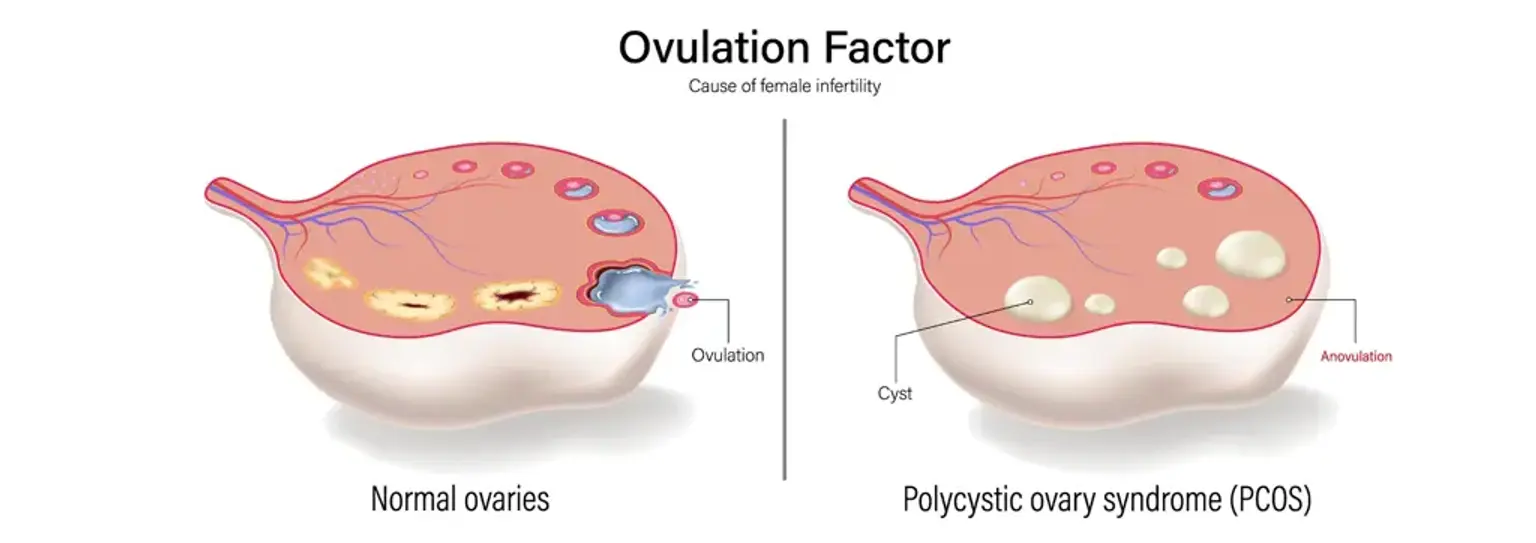
what-is-anovulationAnovulation is a medical condition where the ovaries do not release an oocyte (egg) during a menstrual cycle. For a typical ovulatory cycle to occur, a complex interplay of hormones orchestrated by the hypothalamus, pituitary gland, and ovaries must function correctly. This process culminates in the maturation and release of an egg from an ovarian follicle. In an anovulatory cycle, this hormonal cascade is disrupted, preventing the egg's release. While it is normal to experience an occasional anovulatory cycle, chronic anovulation is the leading cause of infertility and often signals an underlying endocrine or systemic health issue.
What Causes a Woman Not to Ovulate?
what-causes-a-woman-not-to-ovulateThe failure to ovulate stems from a disruption in the precise hormonal signaling required for follicular development and egg release. These disruptions can be caused by a wide range of conditions, from hormonal imbalances to lifestyle factors.
Polycystic Ovary Syndrome (PCOS): This is the most common cause of chronic anovulation. PCOS is an endocrine disorder characterized by an excess of androgens male hormones, which can interfere with the development and release of eggs. It accounts for approximately 80% of anovulatory infertility cases.
Hypothalamic Dysfunction: The hypothalamus produces Gonadotropin releasing hormone, which signals the pituitary gland to release Follicle Stimulating Hormone (FSH) and Luteinizing Hormone (LH). Extreme physical or emotional stress, very high or low body weight, or excessive exercise can disrupt GnRH production, leading to anovulation, a condition often called hypothalamic amenorrhea.
Pituitary Gland Issues: Conditions like hyperprolactinemia excess prolactin or benign pituitary tumors can interfere with the gland's ability to produce FSH and LH correctly, disrupting ovulation.
Ovarian Insufficiency: Also known as premature ovarian failure, this condition occurs when the ovaries lose their normal function before age 40. The ovaries do not produce normal amounts of estrogen or release eggs regularly.
Thyroid Disorders: Both hyperthyroidism overactive thyroid and hypothyroidism underactive thyroid can interfere with the hormones that control ovulation.
Lifestyle and Environmental Factors:
Body Weight: Being significantly overweight or underweight can negatively impact hormonal function.
Extreme Exercise: Intense, high-impact exercise can disrupt the hormonal balance needed for ovulation.
Severe Stress: High levels of chronic stress can affect the hypothalamus, disrupting the ovulatory process.
What are the Main Symptoms and Signs of Anovulation?
what-are-the-main-symptoms-and-signs-of-anovulationThe most direct sign of anovulation is the absence of a predictable menstrual cycle, but other symptoms can also point to the condition.
Irregular Menstrual Cycles: Cycles that are shorter than 21 days, longer than 36 days, or highly variable are a key indicator.
Amenorrhea (Absent Periods): Not having a menstrual period for three to six months or more.
Infertility: The inability to conceive after one year of regular, unprotected intercourse is often the symptom that leads to a diagnosis.
Lack of Premenstrual Symptoms: The absence of symptoms like breast tenderness or mood swings can sometimes indicate a lack of the hormonal shifts associated with ovulation.
Irregular Basal Body Temperature (BBT): A lack of a sustained temperature rise after the middle of the cycle can suggest ovulation did not occur.
How is Anovulation Officially Diagnosed by a Doctor?
how-is-anovulation-officially-diagnosed-by-a-doctorA definitive diagnosis of anovulation requires a thorough medical evaluation by an obstetrician-gynecologist or a reproductive endocrinologist. The process involves multiple steps to identify the absence of ovulation and its underlying cause.
Medical History Review: A detailed discussion about your menstrual cycle history, lifestyle, and any other symptoms is the starting point.
Blood Tests: Hormone levels are measured at specific times in the menstrual cycle. Key tests include:
Progesterone: A blood test performed about one week before an expected period can confirm if ovulation occurred. A low level of progesterone indicates an anovulatory cycle.
FSH, LH, and Estrogen: These help evaluate ovarian function and pituitary signaling.
Thyroid Hormones (TSH) and Prolactin: These are tested to rule out thyroid disorders or hyperprolactinemia.
Androgens: Elevated levels can indicate PCOS.
Pelvic Ultrasound: A transvaginal ultrasound allows the physician to visualize the ovaries and uterus. It can be used to check for the presence of developing follicles, assess the uterine lining endometrium, and identify the characteristic string of pearls appearance of polycystic ovaries.
What are the Most Effective Treatments for Anovulation?
what-are-the-most-effective-treatments-for-anovulationTreatment for anovulation is highly personalized and focuses on addressing the root cause. The primary goal may be to regulate menstruation or to induce ovulation for fertility purposes.
Lifestyle Modifications: For anovulation caused by weight, stress, or exercise, lifestyle changes are the first line of treatment. Achieving a healthy body weight through balanced nutrition and moderate exercise can restore ovulation in many cases.
Medical Ovulation Induction:
Clomiphene Citrate (Clomid): An oral medication that works by stimulating the pituitary gland to release more FSH and LH, prompting follicular growth.
Letrozole (Femara): Another oral medication that temporarily lowers estrogen levels, which in turn encourages the pituitary gland to produce more FSH. It is often considered a first-line treatment for women with PCOS.
Metformin: For women with PCOS and insulin resistance, this medication can help improve insulin sensitivity, which may restore ovulation.
Injectable Gonadotropins: These are hormone injections that directly stimulate the ovaries to produce multiple eggs. This treatment requires careful monitoring via ultrasound and blood tests.
Treating Underlying Conditions: If anovulation is caused by a thyroid disorder or hyperprolactinemia, treating that specific condition with medication often restores normal ovulatory function.
"For years, I just thought my unpredictable periods were 'my normal.' It was a constant source of anxiety, never knowing when or if a cycle would start. Getting the anovulation diagnosis was a relief because it gave my problem a name and, more importantly, a path forward." – An anonymous patient, United States.
When Should I See a Doctor for Irregular Periods?
when-should-i-see-a-doctor-for-irregular-periodsIt is advisable to consult a healthcare provider if you experience any of the following, as they could be signs of anovulation or another underlying condition:
Your periods suddenly become irregular after being regular.
You go more than 36 days without a period.
Your cycles are consistently shorter than 21 days.
You have not had a period for more than 90 days.
You are under 35 and have been trying to conceive for 12 months without success.
You are 35 or older and have been trying to conceive for 6 months without success.
Recommended Clinics with Relevant Expertise in South Korea
recommended-clinics-with-relevant-expertise-in-south-koreaSouth Korea is home to world-class medical facilities specializing in obstetrics, gynecology, and fertility treatments. The clinics below are noted for their expertise in managing hormonal disorders and anovulation.
Website | Clinic Name | Best Known For | Address | Contact |
|---|---|---|---|---|
Second Spring Women's Clinic | Women's Disease, Vaginal Aesthetic and Reconstructive Treatments | Gangnam-gu, Seoul, South Korea | ||
Seoul Miz Hospital | Comprehensive Obstetrics & Gynaecology, Fertility Treatments | Gangdong-gu, Seoul, South Korea | ||
MariaPlus (Songpa) Fertility Hospital | Advanced Fertility and Reproductive Health | Songpa-gu, Seoul, South Korea | ||
Asan Medical Center | Top-Tier General Hospital with Specialized Gynecology Department | Songpa-gu, Seoul, South Korea | ||
Goeunbit Women’s Clinic | Specialized Women's Health and OB/GYN Services | Songpa-gu, Seoul, South Korea | ||
MizMedi Hospital | Leading Women's Hospital for Gynecology and Fertility | Gangseo-gu, Seoul, South Korea | ||
HI Fertility Clinic | Specialized Fertility and Reproductive Medicine | Gangseo-gu, Seoul, South Korea | ||
Helen Women’s Obstetrics & Gynecology Clinic | Comprehensive OB/GYN care and women's wellness | Songpa-gu, Seoul, South Korea |
Recommended Treatment/Procedure Names with Average Costs in South Korea
recommended-treatmentprocedure-names-with-average-costs-in-south-koreaThe cost of treating anovulation varies based on the underlying cause and the specific procedures required. The table below provides estimates for relevant treatments available in South Korea.
Treatment/Procedure Name | Duration | Hospitalization | Avg. Cost (USD) in S. Korea | Contact |
|---|---|---|---|---|
Ovulation Induction Therapy (Oral Meds) | 4–6 weeks | Not Needed | $500 - $2,000 | |
Diagnostic Laparoscopy | 30 - 60 minutes | Not Needed | $2,500 - $4,500 | |
Hormone Replacement Therapy (HRT) | 30–60 mins | Not Needed | $150 - $300 | |
Laparoscopic Excision of Endometriosis | 1 - 3 hours | Needed (1-2 days) | $5,000 - $9,000 | |
Consultation for Hormonal Disorders | 30 minutes | Not Needed | $150 - $300 | |
Contraception & Cycle Management | 20 - 30 minutes | Not Needed | $150 - $300 |
What Are Common Questions About Anovulation?
what-are-common-questions-about-anovulationThis section addresses practical questions patients often have about living with and managing anovulation.
1. Can anovulation be temporary?
1.-can-anovulation-be-temporaryYes, anovulation can be temporary. Acute events like severe illness, high stress, or rapid changes in weight or exercise habits can cause one or several anovulatory cycles. In many cases, ovulation will resume once the stressor is removed and the body returns to a state of balance.
2. Can I get pregnant if I have anovulation?
2.-can-i-get-pregnant-if-i-have-anovulationConceiving naturally is not possible during an anovulatory cycle because no egg is released for fertilization. However, many women with chronic anovulation can successfully become pregnant with medical treatment that induces ovulation. The key is to diagnose and treat the underlying cause.
3. How does Polycystic Ovary Syndrome (PCOS) cause anovulation?
3.-how-does-polycystic-ovary-syndrome-(pcos)-cause-anovulationPCOS disrupts the hormonal environment needed for ovulation. Women with PCOS often have higher levels of androgens and insulin resistance. This hormonal imbalance prevents ovarian follicles from fully maturing. Instead of one follicle becoming dominant and releasing an egg, many small follicles may develop but stall in their growth, leading to a lack of ovulation.
4. Is bleeding during an anovulatory cycle a real period?
4.-is-bleeding-during-an-anovulatory-cycle-a-real-periodNo, bleeding that occurs during an anovulatory cycle is not a true menstrual period. It is called anovulatory bleeding or withdrawal bleeding. It happens when the uterine lining endometrium builds up due to estrogen stimulation but, without the progesterone surge that follows ovulation, the lining becomes unstable and sheds irregularly.
5. Are ovulation predictor kits (OPKs) reliable for anovulation?
5.-are-ovulation-predictor-kits-(opks)-reliable-for-anovulationOPKs can be misleading for women with certain causes of anovulation, particularly PCOS. These kits work by detecting the surge in Luteinizing Hormone (LH) that precedes ovulation. However, women with PCOS often have chronically high levels of LH, which can cause a false positive result on an OPK even when ovulation is not occurring.
6. Can diet and supplements help manage anovulation?
6.-can-diet-and-supplements-help-manage-anovulationFor anovulation related to PCOS or being overweight, dietary changes focused on a low glycemic index diet to manage insulin resistance can be very effective. Supplements like myo-inositol have shown promise in improving ovulatory function in women with PCOS. Always consult a doctor before starting any new supplement regimen.
Take Control of Your Cycle - Talk to a Women’s Health Expert Today!
your-path-to-a-diagnosis-begins-hereNavigating the uncertainties of an irregular cycle and potential infertility can be overwhelming, but a clear diagnosis is the most powerful tool you can have. Understanding the cause of anovulation is the first step toward effective treatment and regaining control of your reproductive health. The expert teams at South Korea's leading women's health clinics are equipped to provide the answers and support you need. Take the next step in your health journey. For a seamless and transparent process, let a dedicated Care Manager assist you from inquiry to post-recovery care. And Start Your Confidential Inquiry with CloudHospital to receive a personalized treatment plan and connect with specialists who can help.