

The clinical information regarding Aortic Regurgitation in this article has been rigorously verified against the latest guidelines from the American College of Cardiology (ACC) and primary research from databases like PubMed. This piece was reviewed for accuracy and patient-centric clarity and was last updated in October 2023.
Introduction
introduction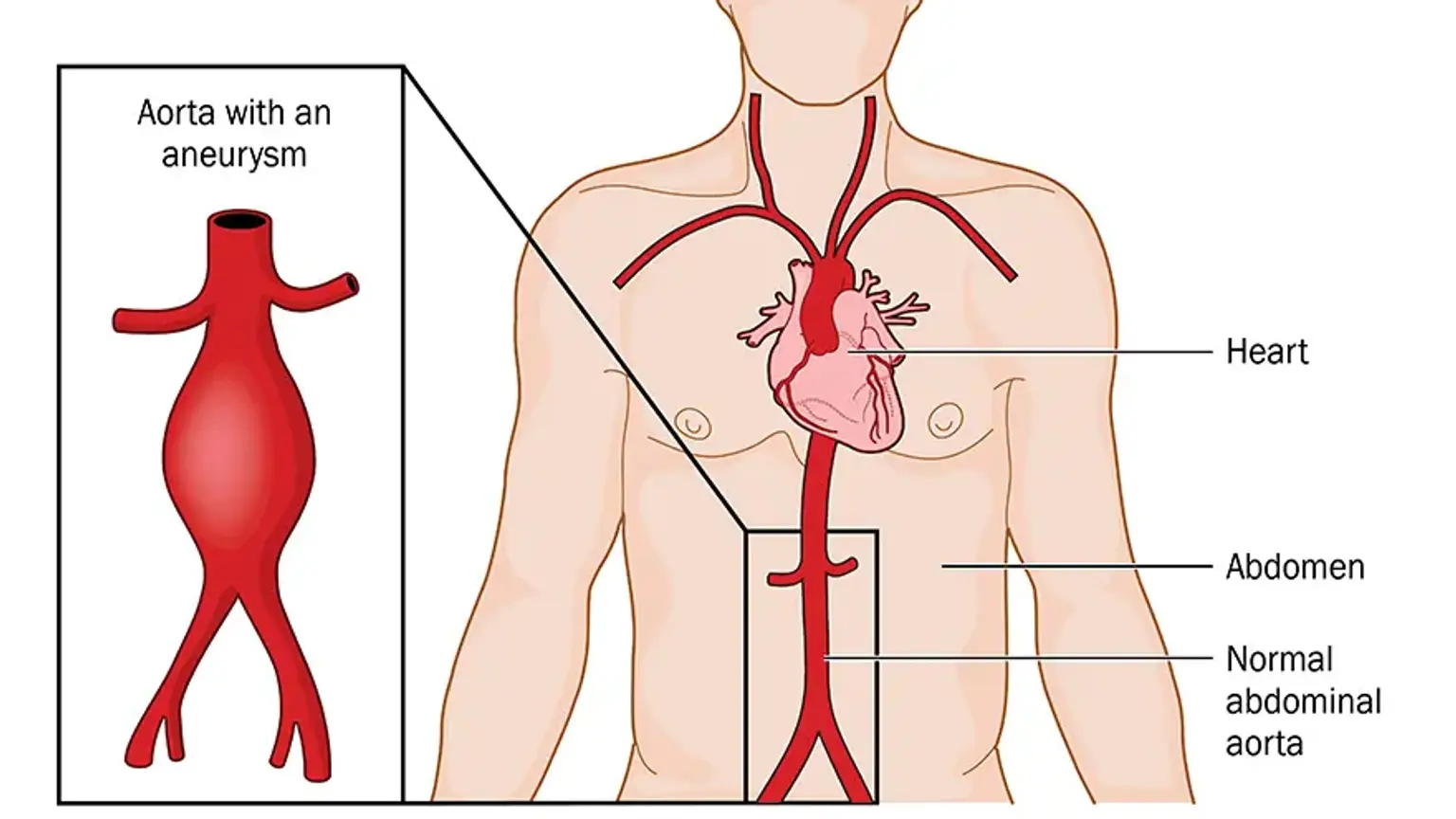
Aortic regurgitation, also known as aortic insufficiency or a leaky aortic valve, is a serious form of valvular heart disease where the heart's aortic valve doesn't close tightly. This malfunction allows some of the blood that was just pumped out of the heart's main pumping chamber the left ventricle to leak backward into it. This guide provides a comprehensive overview of the condition, from its underlying causes and subtle symptoms to the most advanced diagnostic and treatment pathways for those seeking to understand and manage their heart health.
What is Aortic Regurgitation?
what-is-aortic-regurgitationAortic regurgitation is a condition affecting the aortic valve, one of the four main valves that control blood flow through the heart. A healthy aortic valve functions as a one way door, opening to let oxygen rich blood flow from the left ventricle into the aorta the body's main artery and then snapping shut to prevent it from flowing back. In aortic regurgitation, this seal is compromised. The backward leak, or regurgitation, forces the left ventricle to work harder to pump enough blood to the rest of the body. Over time, this extra workload can cause the left ventricle to thicken and enlarge, potentially leading to heart failure.
What Causes the Aortic Valve to Leak?
what-causes-the-aortic-valve-to-leakThe direct answer is that any condition that damages the aortic valve leaflets or dilates the aortic root the base of the aorta where the valve is attached can cause aortic regurgitation. The causes can be acute sudden or chronic developing over years.
Chronic Aortic Regurgitation Causes:
Congenital Heart Defects: Being born with a bicuspid aortic valve two leaflets instead of the normal three is a common cause.
Age-Related Degeneration: The valve can stiffen and calcify with age, impairing its function.
Rheumatic Fever: A complication of untreated strep throat, this can cause scarring and damage to the heart valves.
High Blood Pressure Hypertension: Long-term high blood pressure can cause the aorta to widen, pulling the valve leaflets apart.
Connective Tissue Disorders: Conditions like Marfan syndrome and Ehlers Danlos syndrome weaken the body's connective tissues, including the aortic valve and root.
Ankylosing Spondylitis: This inflammatory arthritis can cause inflammation of the aorta and aortic valve.
Acute Aortic Regurgitation Causes:
Infective Endocarditis: A bacterial infection of the heart lining and valves can rapidly destroy valve tissue.
Aortic Dissection: A tear in the inner layer of the aorta can disrupt the valve's structure and cause it to leak suddenly. This is a medical emergency.
Chest Trauma: A severe injury to the chest can directly damage the aortic valve.
What Are the First Signs of Aortic Regurgitation?
what-are-the-first-signs-of-aortic-regurgitationFor many years, aortic regurgitation may cause no noticeable symptoms as the heart compensates for the leak. When symptoms do appear, they often develop gradually and may initially be subtle. The first signs are typically related to the heart's increased workload.
Common Symptoms and Signs:
Fatigue and Weakness: Especially during periods of increased activity.
Shortness of Breath (Dyspnea): Occurs with exertion and can progress to occurring even while lying flat orthopnea.
Heart Palpitations: A sensation of a forceful, rapid, or irregular heartbeat, particularly when lying down.
Chest Pain or Tightness (Angina): Often worsens with exercise as the overworked heart muscle demands more oxygen.
Swelling in the Ankles and Feet (Edema): A sign that the heart is struggling to pump blood efficiently.
Fainting or Lightheadedness (Syncope): Can occur due to reduced blood flow to the brain.
How Is Aortic Regurgitation Diagnosed Accurately?
how-is-aortic-regurgitation-diagnosed-accuratelyA definitive diagnosis begins with a physical exam and is confirmed with advanced imaging. A physician may first detect a characteristic diastolic murmur by listening to the heart with a stethoscope. To confirm the diagnosis, assess its severity, and determine the cause, several tests are employed.
Echocardiogram: This is the primary diagnostic tool. It uses sound waves to create detailed images of the heart's structure and function. A Doppler echocardiogram can visualize the blood flow and measure the volume of blood leaking back through the valve, allowing doctors to grade the regurgitation from mild to severe.
Electrocardiogram (ECG or EKG): Records the heart's electrical activity. It can show signs of left ventricular enlargement or strain.
Chest X-ray: Can reveal if the heart is enlarged or if there is fluid in the lungs, a sign of heart failure.
Cardiac Magnetic Resonance Imaging (MRI): Provides highly detailed images of the heart and aorta, offering a precise measurement of the left ventricle's size and function, as well as the severity of the leak.
Cardiac Catheterization: While less common for initial diagnosis, it may be used to assess the coronary arteries before surgery or to get precise pressure measurements within the heart chambers.
What Are the Treatment Options for Aortic Regurgitation?
what-are-the-treatment-options-for-aortic-regurgitationTreatment strategy depends entirely on the severity of the regurgitation, the presence of symptoms, and whether the left ventricle's function is compromised.
Monitoring: For mild or moderate cases with no symptoms, regular monitoring with echocardiograms is the standard approach to track any progression.
Medications: While medications cannot fix the leaky valve, they can manage symptoms and reduce the strain on the heart. These include:
Vasodilators (ACE inhibitors): To lower blood pressure and reduce the amount of blood leaking backward.
Diuretics: To reduce fluid buildup and alleviate swelling and shortness of breath.
Surgical Interventions: When regurgitation is severe, causes symptoms, or leads to left ventricular enlargement, surgery is necessary to prevent irreversible heart damage.
Surgical Aortic Valve Replacement (SAVR): The damaged valve is removed and replaced with a mechanical or biological tissue valve. This has been the gold standard for decades.
Aortic Valve Repair: In some cases, particularly when the leak is due to a widened aortic root, the surgeon can repair the patient's own valve.
Transcatheter Aortic Valve Replacement (TAVR): A minimally invasive procedure where a new valve is inserted via a catheter, typically through an artery in the leg. While primarily used for aortic stenosis, its application in select cases of aortic regurgitation is growing.
"For years, I just felt so tired and out of breath climbing stairs, but I blamed it on getting older. The diagnosis was a shock, but getting it explained everything. The fluttering in my chest wasn't just anxiety; it was my heart working overtime. Knowing the cause was the first step toward feeling in control again." – an anonymous patient, USA.
When Should I See a Doctor for a Leaky Aortic Valve?
when-should-i-see-a-doctor-for-a-leaky-aortic-valveYou should consult a healthcare professional, preferably a cardiologist, if you experience any persistent symptoms associated with aortic regurgitation. It is crucial to seek evaluation for:
Unexplained fatigue or shortness of breath with activity.
New or worsening chest pain.
Heart palpitations or the feeling of a pounding heart.
Episodes of dizziness or fainting.
Swelling in your legs or ankles.
Early diagnosis and monitoring are key to preventing the long-term complications of severe aortic regurgitation.
Recommended Clinics with Relevant Expertise in South Korea
recommended-clinics-with-relevant-expertise-in-south-koreaSouth Korea is home to world-class medical centers with advanced cardiovascular institutes specializing in complex valve diseases. The clinics below are recognized for their expertise in cardiology and cardiothoracic surgery.
Website | Clinic Name | Best Known For | Address | Contact |
|---|---|---|---|---|
Seoul St. Mary's Hospital-Seocho | Advanced Cardiovascular Center & Organ Transplantation | Seocho-gu, Seoul , South Korea | ||
Seoul National University Hospital- gangnam district | Premium, Comprehensive Health Screenings & Preventive Medicine | Gangnam-gu, Seoul ,South Korea | ||
H Plus Yangji Hospital | Specialized Centers including Cardiology & Comprehensive Care | Gwanak-gu, Seoul , South Korea | ||
Ewha Womans University Medical Center | State-of-the-art Cardiovascular Center & Women's Health | Gangseo-gu, Seoul, South Korea | ||
Asan Medical Center | World-Renowned Asan Heart Institute & Complex Surgeries | Songpa-gu, Seoul , South Korea | ||
Severance Hospital | Leading Cardiovascular Hospital & Robotic Surgery | Seodaemun-gu, Seoul, South Korea | ||
Kyung Hee University Hospital At Gangdong | Integrated Western-Oriental Medicine & Cardiovascular Care | Gangdong-gu, Seoul , South Korea | ||
MizMedi Hospital Seoul | Comprehensive Internal Medicine & Cardiology | Gangseo-gu, Seoul, South Korea |
Recommended Treatment/Procedure Names with Average Costs in South Korea
recommended-treatmentprocedure-names-with-average-costs-in-south-koreaThe cost of treatment for aortic regurgitation varies based on the specific procedures required, from diagnostic imaging to major surgery. The following table provides estimates for relevant cardiac procedures in South Korea.
Treatment/Procedure Name | Treatment Duration | Hospitalization? | Avg Cost Range (USD) in S. Korea? | Contact |
|---|---|---|---|---|
General/Clinical Cardiology Consultation | 30-60 minutes | Not Needed | $200 - $500 | |
Imaging Cardiology (Echo, Cardiac CT) | 30-90 minutes | Not Needed | $400 - $1,200 | |
Preventive Cardiology & Lipidology Program | 2-3 hours | Not Needed | $500 - $1,500 | |
Preventive Cardiology Screening | 2-4 hours | Not Needed | $500 - $1,500 | |
Interventional Cardiology (Stenting) | 1-3 hours | Needed (1-2 days) | $8,000 - $15,000 | |
Cardiothoracic Surgery (CABG) | 3-6 hours | Needed (5-7 days) | $25,000 - $45,000 | |
Structural Heart Interventions (TAVI) | 1-2 hours | Needed (2-4 days) | $35,000 - $60,000 | |
Imaging Cardiology (Cardiac MRI) | 45-90 mins | Not Needed | $800 - $2,000 | |
Heart Failure & Transplant Cardiology | 2-4 hours | Not Needed | $500 - $1,500 | |
Pediatric Cardiology Consultation | 30-60 mins | Not Needed | $200 - $500 |
What Are Common Questions About Aortic Regurgitation?
what-are-common-questions-about-aortic-regurgitationThis section addresses practical questions patients often have about living with and managing this condition.
1. Can aortic regurgitation be reversed or cured?
1.-can-aortic-regurgitation-be-reversed-or-curedThe direct answer is no, the valve damage itself cannot be reversed with medication. However, its progression can be slowed, and symptoms can be managed. A permanent cure is achieved by surgically repairing or replacing the damaged aortic valve.
2. What is the life expectancy with severe aortic regurgitation?
2.-what-is-the-life-expectancy-with-severe-aortic-regurgitationOnce severe aortic regurgitation causes symptoms, the prognosis without surgery is poor. The mortality rate can be high, with estimates around 25% per year for patients with angina and 50% per year for those with symptoms of heart failure. However, timely and successful valve replacement surgery dramatically improves life expectancy, returning it to near normal for the patient's age.
3. Can I exercise with aortic regurgitation?
3.-can-i-exercise-with-aortic-regurgitationThis depends on the severity. For mild to moderate cases without symptoms, regular, moderate exercise is often encouraged. For severe regurgitation, high intensity or competitive sports are typically restricted to avoid over-stressing the heart. A cardiologist must provide specific exercise recommendations based on your individual condition.
4. What lifestyle changes help manage aortic regurgitation?
4.-what-lifestyle-changes-help-manage-aortic-regurgitationAdopting a heart healthy lifestyle is crucial. This includes maintaining a healthy weight, eating a low sodium diet to control blood pressure, avoiding smoking, and limiting alcohol intake. Careful management of blood pressure is one of the most effective ways to reduce the workload on the heart.
5. What is the difference between a mechanical and a biological replacement valve?
5.-what-is-the-difference-between-a-mechanical-and-a-biological-replacement-valveA mechanical valve is made of durable materials like carbon and can last a lifetime. However, it requires lifelong treatment with blood-thinning medication anticoagulants to prevent blood clots. A biological or tissue valve is made from animal tissue porcine or bovine and does not typically require long-term anticoagulation. Its main drawback is that it is less durable and may need to be replaced after 10-20 years.
Take Control of Your Heart Health: Explore Your Options Today!
take-control-of-your-heart-health:-explore-your-options-todayA diagnosis of aortic regurgitation can be unsettling, but understanding your condition and the advanced treatment paths available is the most powerful first step. The world-class cardiac centers in South Korea offer cutting-edge diagnostics and surgical expertise. To navigate this journey, CloudHospital provides a seamless, transparent process, connecting you with top specialists and providing a dedicated Care Manager for end-to-end support, from initial questions to post-treatment care. And Start Your Confidential Inquiry to receive a personalized treatment plan.