

The clinical information regarding Areolar Reduction in this article has been rigorously verified against the latest surgical principles from the American Society of Plastic Surgeons (ASPS) and primary research from databases like PubMed. This piece was reviewed for accuracy and patient-centric clarity and was last updated in October 2023.
Introduction
introductionAreolar reduction is a surgical procedure designed to decrease the diameter of the areola, the pigmented skin surrounding the nipple. The primary goal is to create a more proportionate and aesthetically pleasing appearance of the nipple areola complex (NAC) in relation to the breast mound. As a common procedure within the field of Plastic Surgery, it can be performed alone or in conjunction with other surgeries like a breast lift, breast reduction, or breast augmentation. This guide provides a detailed examination of the procedure for individuals seeking to understand its benefits, risks, and what to expect on their surgical journey.
How is Areolar Reduction Surgery Performed?
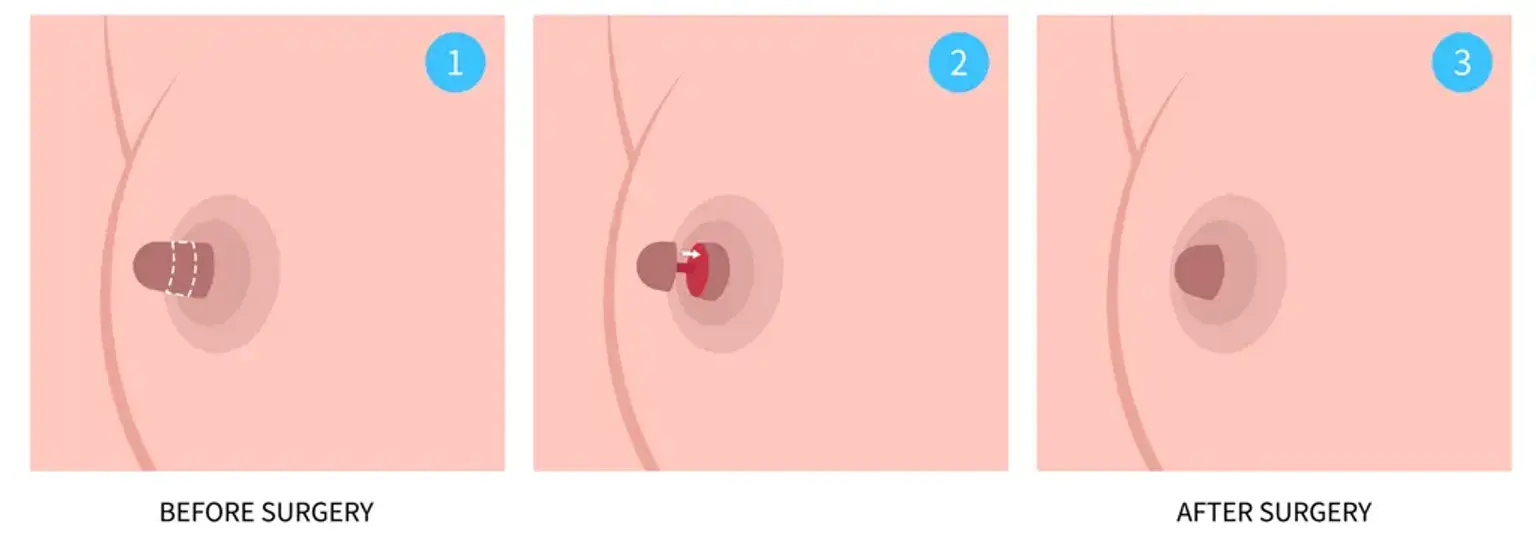
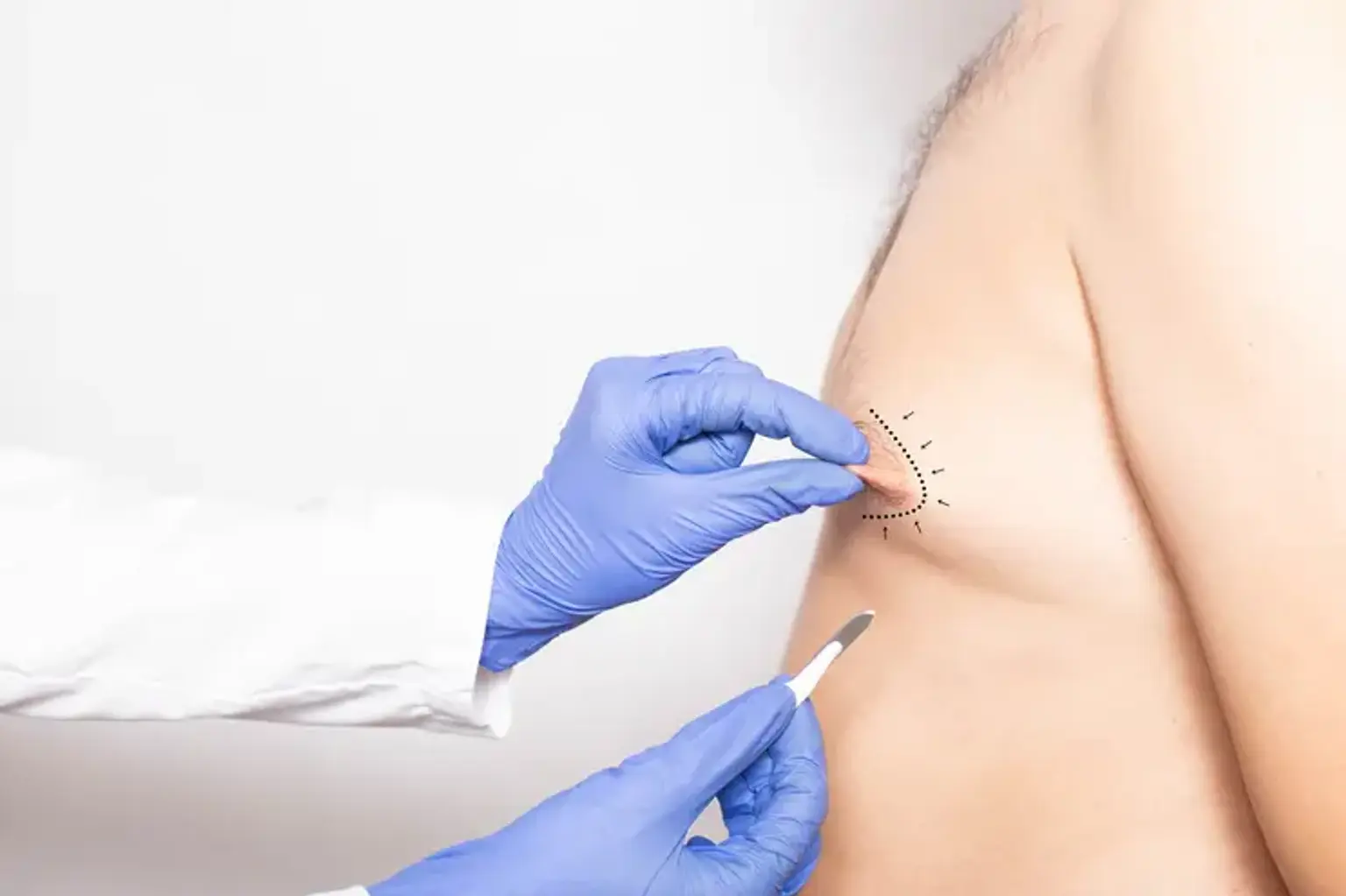
how-is-areolar-reduction-surgery-performedAreolar reduction surgery works by removing a ring of pigmented areolar skin and suturing the remaining skin to create a smaller, tighter areola. The most common technique involves a periareolar incision, often called a donut or circumareolar incision. A surgeon makes one circular incision at the outer border of the desired new areolar size and a second, larger circular incision at the existing areolar border. The ring of epithelial tissue between these two incisions is then carefully removed. Finally, the outer skin is brought inward to meet the new areolar edge and meticulously closed with fine, dissolvable sutures to minimize scarring. This technique effectively reduces the diameter while preserving nipple sensation and function.
What are the Key Benefits of Areolar Reduction?
what-are-the-key-benefits-of-areolar-reductionThe primary benefits of areolar reduction are aesthetic and psychological, aimed at improving body confidence and symmetry.
Improved Proportions: Creates a nipple areola complex that is more balanced with the overall size and shape of the breasts.
Enhanced Symmetry: Corrects asymmetry between the areolas, a common condition for many individuals.
Correction of Stretching: Addresses areolas that have been stretched due to pregnancy, breastfeeding, weight fluctuations, or genetics.
Increased Confidence: Alleviates self consciousness, allowing patients to feel more comfortable in clothing, swimwear, and intimate situations.
Combination with Other Procedures: Can be easily combined with a mastopexy or augmentation to achieve comprehensive breast rejuvenation.
Gynecomastia Treatment: For men, it is a key component of gynecomastia surgery, correcting puffy nipples for a more masculine chest contour.
Who is a Good Candidate for Areolar Reduction?
who-is-a-good-candidate-for-areolar-reductionA good candidate for areolar reduction is an individual who is bothered by the size of their areolas and seeks a permanent cosmetic improvement.
General Health: Must be in good overall health with no active medical conditions that could impair healing.
Non-Smokers: Smoking significantly impedes blood flow and healing, increasing the risk of complications like tissue necrosis. Candidates must quit smoking several weeks before and after surgery.
Realistic Expectations: Understands the potential outcomes, limitations, and risks of the surgery, including the presence of a faint scar.
Stable Breast Development: Patients should have fully developed breasts. For younger patients, a surgeon will confirm that breast growth is complete.
Specific Concerns: Individuals with naturally large areolas, areolas that have stretched after pregnancy or weight changes, or men with puffy nipples associated with gynecomastia.
What are the Risks and Contraindications of Areolar Reduction?
what-are-the-risks-and-contraindications-of-areolar-reductionWhile generally a safe procedure, areolar reduction carries potential risks and is not suitable for everyone. The risks are similar to other breast surgeries and include infection, poor wound healing, bleeding, and adverse reactions to local anesthesia.
Specific risks include:
Changes in Nipple Sensation: Temporary or, in rare cases, permanent changes in sensation can occur.
Scarring: A faint circular scar will remain around the areola. While surgeons use techniques to minimize its appearance, keloid or hypertrophic scarring is a risk.
Asymmetry: Minor differences in size, shape, or position may occur.
Loss of Breastfeeding Ability: While many techniques aim to preserve milk ducts, there is a risk that the ability to breastfeed could be affected. This is a crucial consideration for women planning to have children.
Pigmentation Changes: The skin of the areola or surrounding breast may change color.
Contraindications include: active infections, uncontrolled diabetes, a history of poor scarring, and current pregnancy or breastfeeding.
What Are the Steps of the Areolar Reduction Procedure?
what-are-the-steps-of-the-areolar-reduction-procedureThe patient journey involves distinct phases, from initial planning to the final result.
Before the Procedure: Consultation and Preparation
before-the-procedure:-consultation-and-preparationYour journey begins with a detailed consultation with a board-certified plastic surgeon. You will discuss your aesthetic goals, and the surgeon will evaluate your breast anatomy and medical history. They will explain the surgical technique, potential outcomes, and risks. You will be instructed to stop taking blood thinning medications and supplements like aspirin, ibuprofen, and vitamin E for at least two weeks prior to surgery to reduce bleeding risk.
During the Procedure: What Happens in the Operating Room
during-the-procedure:-what-happens-in-the-operating-roomAreolar reduction is typically performed as an outpatient procedure under local anesthesia with sedation, though general anesthesia may be used if combined with other major surgeries. The surgery itself usually takes about 60 to 90 minutes. After the surgeon marks the new areolar size, the excess tissue is removed, and the incisions are closed with fine, often dissolvable, sutures. A sterile dressing is then applied.
Immediately After the Procedure: The Initial Recovery Phase
immediately-after-the-procedure:-the-initial-recovery-phaseYou will be monitored for a short period before being cleared to go home. Some swelling, bruising, and mild discomfort are expected. Pain is generally well controlled with prescribed or over the counter pain medication. You will be given specific instructions on how to care for your incisions.
"The first week was the most challenging with the swelling, but I was so relieved to see the final shape start to emerge. The confidence boost was immediate, even with the healing process still underway. It was absolutely worth it." – An anonymous patient, United States.
What is the Recovery Timeline for Areolar Reduction?
what-is-the-recovery-timeline-for-areolar-reductionRecovery is relatively quick, but following your surgeon's instructions is critical for an optimal outcome.
First 24-48 Hours: Rest is essential. Discomfort is typically at its peak but manageable with medication.
Week 1: Swelling and bruising will be noticeable. Most patients can return to a desk job or light activities within 3-5 days. Avoid any strenuous activity or lifting.
Weeks 2-4: Swelling and bruising will gradually subside. You may be cleared to resume light exercise, but avoid any activities that strain the chest muscles. The appearance will continue to improve.
Weeks 4-6: Most significant swelling has resolved. Most patients can return to all normal activities, including vigorous exercise, as cleared by their surgeon.
3-12 Months: Scars will continue to fade and flatten, a process that can take up to a year. The final shape and appearance of the areolas will be evident.
How Long Do Areolar Reduction Results Last?
how-long-do-areolar-reduction-results-lastThe results of an areolar reduction are considered permanent. The tissue that is removed will not grow back. However, significant life events such as future pregnancies, breastfeeding, or substantial weight fluctuations can potentially cause the areolas to stretch again in the future. Maintaining a stable weight can help preserve the longevity of the results.
Recommended Clinics with Relevant Expertise in South Korea
recommended-clinics-with-relevant-expertise-in-south-koreaSouth Korea is renowned for its advanced plastic surgery centers. The following clinics are noted for their expertise in various cosmetic procedures, including aesthetic breast and body surgery.
Website | Clinic Name | Best Known For | Address | Inquire Now |
|---|---|---|---|---|
Human Plastic Surgery | Facial Contouring, Rhinoplasty | Gangnam-gu, Seoul, South Korea | ||
Dite Plastic Surgery | Breast Surgery, Body Contouring | Gangnam-gu, Seoul, South Korea | ||
TJ Plastic Surgery | Eye Surgery, Rhinoplasty, Anti-Aging | Gangnam-gu, Seoul, South Korea | ||
Hugo Plastic Surgery | Revision Rhinoplasty, Complex Facial Surgery | Gangnam-gu, Seoul, South Korea | ||
SoonPlus Plastic Surgery | Breast Surgery, Anti-aging, Body Contouring | Gangnam-gu, Seoul, South Korea | ||
Yujin Plastic Surgery & Stem Cell Research | Rhinoplasty, Facial Contouring | Gangnam-gu, Seoul, South Korea | ||
JK Plastic Surgery Center | Breast Surgery, Body Contouring, Liposuction | Gangnam-gu, Seoul, South Korea | ||
ID Hospital | Facial Contouring, Two-Jaw Surgery | Gangnam-gu, Seoul, South Korea | ||
Seojin Plastic Surgery Clinic | Comprehensive Anti-Aging, Stem Cell Treatments | Gangnam-gu, Seoul, South Korea | ||
View plastic surgery | Comprehensive Services for International Patients | Gangnam-gu, Seoul, South Korea | ||
THE PLUS Plastic Surgery | Natural-looking breast augmentation using Motiva implants, expert surgeons | Gangnam-gu, Seoul, South Korea |
Recommended Treatment/Procedure Names with Average Costs in South Korea
recommended-treatmentprocedure-names-with-average-costs-in-south-koreaThe cost of plastic surgery in South Korea can vary based on clinic reputation, surgeon experience, and the complexity of the case. The following table provides estimated ranges for common procedures.
Treatment/Procedure Name | Duration | Hospitalization? | Avg. Cost(USD) in S. Korea | Contact |
|---|---|---|---|---|
Full Face Lifting | 4-6 hours | Needed (1-2 days) | $10,000 - $20,000 | |
SMAS Facelift | 3-5 hours | Needed (1-2 days) | $9,000 - $18,000 | |
Face Contouring | 2-4 hours | Needed (1-3 days) | $7,000 - $15,000 | |
Square Jaw Surgery | 2-3 hours | Needed (2-3 days) | $6,000 - $12,000 | |
Cheekbone Reduction Surgery | 1.5-2.5 hours | Needed (1-2 days) | $5,500 - $11,000 | |
Revision Rhinoplasty | 3-5 hours | Not Needed | $6,000 - $12,000 | |
Rhinoplasty | 2-4 hours | Not Needed | $4,000 - $8,000 | |
Breast Augmentation | 1-2 hours | Not Needed | $8,000 - $15,000 | |
Hip-up Plastic Surgery | 2-3 hours | Needed (1 day) | $9,000 - $16,000 | |
Abdominal Liposuction | 2-4 hours | Not Needed | $4,000 - $9,000 | |
Genioplasty (Chin Surgery) | 1-2 hours | Needed (1 day) | $4,500 - $8,500 | |
Upper & Lower Blepharoplasty | 1.5-2.5 hours | Not Needed | $3,500 - $7,000 | |
Neck Lift | 2-3 hours | Not Needed | $5,000 - $10,000 | |
Forehead Lift | 1.5-2.5 hours | Not Needed | $5,000 - $9,000 | |
Canthoplasty | 30-60 minutes | Not Needed | $1,500 - $3,000 | |
Double Eyelid Surgery | 1-1.5 hours | Not Needed | $2,000 - $4,500 | |
Nostril Reduction | 45-60 minutes | Not Needed | $1,500 - $3,000 | |
Thread Lifting | 30-60 minutes | Not Needed | $2,000 - $5,000 |
Frequently Asked Questions (FAQs) about Areolar Reduction
frequently-asked-questions-(faqs)-about-areolar-reduction1. Will I have a visible scar from areolar reduction surgery?
1.-will-i-have-a-visible-scar-from-areolar-reduction-surgeryYes, a scar is an unavoidable part of any surgical procedure. However, with areolar reduction, the scar is placed at the new border of the areola. The natural difference in texture and color between the areolar skin and the breast skin helps to camouflage the scar, and surgeons use meticulous suturing techniques to make it as inconspicuous as possible. Over time, the scar typically fades to a fine, pale line.
2. How soon can I exercise after the procedure?
2.-how-soon-can-i-exercise-after-the-procedureYou should avoid all strenuous exercise and heavy lifting for at least 4 to 6 weeks. Light walking is encouraged to promote circulation after the first few days. Any activity that puts strain on the chest muscles must be avoided until your surgeon gives you full clearance, as this can impact healing and the appearance of your scars.
3. Is the areolar reduction procedure painful?
3.-is-the-areolar-reduction-procedure-painfulThe procedure itself is not painful as it is performed under anesthesia. Post-operative discomfort is expected but is generally mild to moderate. Most patients find that the pain is well managed with prescribed or over the counter pain relievers and subsides significantly within the first few days.
4. Can you breastfeed after areolar reduction?
4.-can-you-breastfeed-after-areolar-reductionThe ability to breastfeed can potentially be affected. While surgeons using the periareolar technique are careful to preserve the milk ducts that pass through to the nipple, there is no absolute guarantee. If future breastfeeding is a priority, you must have an in depth discussion with your surgeon about the specific techniques they will use and the associated risks.
5. Can areolar reduction be combined with other breast procedures?
5.-can-areolar-reduction-be-combined-with-other-breast-proceduresYes, areolar reduction is very commonly performed in conjunction with other procedures. It is a standard component of a breast lift (mastopexy) and breast reduction. It can also be combined with breast augmentation to ensure the final breast appearance is balanced and proportionate.
6. How much does areola reduction cost in Korea?
6.-how-much-does-areola-reduction-cost-in-koreaWhen performed as a standalone procedure in South Korea, areolar reduction typically costs between $1,500 and $3,500 USD. The price can vary depending on the clinic's prestige, the surgeon's experience, and the complexity of the individual case. When combined with other surgeries like a breast lift, the incremental cost is often lower.
Your Path to Renewed Confidence Begins Here!
your-path-to-renewed-confidence-begins-hereMaking an informed decision about areolar reduction surgery is the most important step. If you are ready to explore your options for achieving a more balanced and proportionate chest contour, expert guidance is available. Inquiring about your candidacy allows you to receive personalized advice from top-tier specialists. The process is seamless and transparent, with a dedicated Care Manager to support you from your initial questions to your post-recovery care. Start Your Confidential Inquiry and Get a Free Personalized Treatment Plan with CloudHospital.