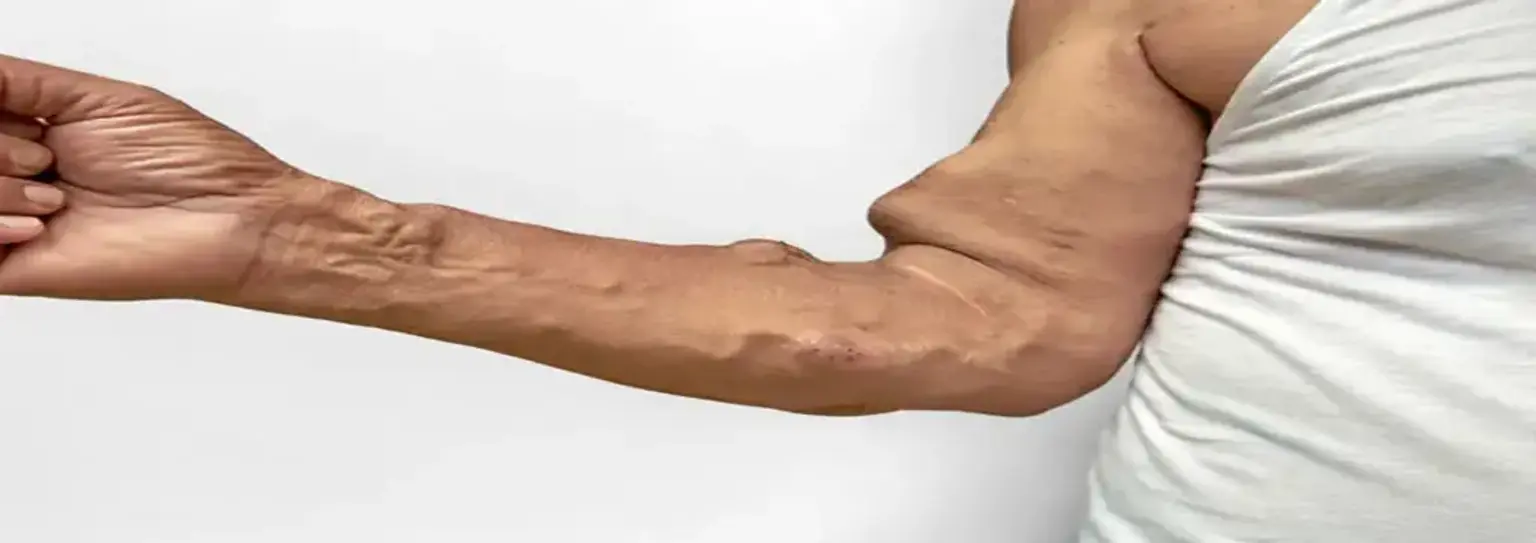

The clinical information regarding AV Fistula: What It Is and Why It's Essential for Dialysis in this article has been rigorously verified against the latest guidelines from the Society for Vascular Surgery SVS and primary research from databases like PubMed. This piece was reviewed for accuracy and patient centric clarity and was last updated in October 2023.
Introduction
introductionFor individuals with end stage renal disease, a reliable and durable vascular access is not just a medical requirement, it is a lifeline. More than 500,000 patients in the United States alone depend on hemodialysis to live. This article explains the most critical component of this life sustaining treatment: the arteriovenous fistula. We will address what an AV fistula is, why it is considered the superior choice for dialysis access, the surgical process, and how to care for it.
What Is an Arteriovenous Fistula?
what-is-an-arteriovenous-fistula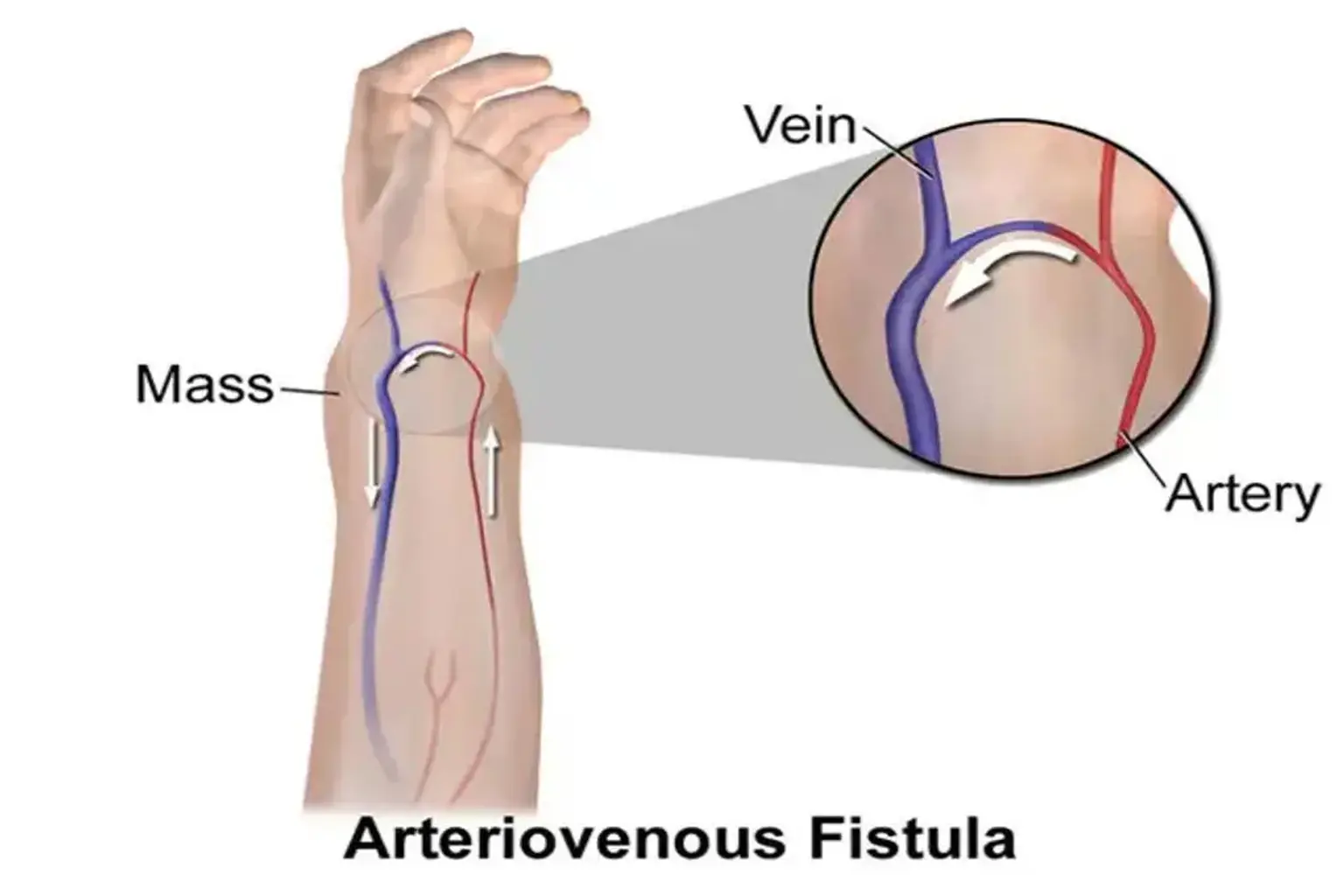
An arteriovenous or AV fistula is a surgically created connection between an artery and a vein. This procedure is typically performed in the arm of a patient who requires long term hemodialysis. By diverting high pressure arterial blood flow directly into a vein, the vein is forced to enlarge and thicken over time. This process, known as maturation, results in a robust, durable blood vessel that can withstand the repeated needle insertions, or cannulation, required for dialysis sessions and provide the high blood flow rates necessary for effective treatment.
An AV fistula is not an artificial device. It is created using the patient's own blood vessels, making it a natural and integrated part of the body's circulatory system. This is a primary reason it is biologically well tolerated compared to other access options.
Why Is an AV Fistula the Gold Standard for Dialysis Access?
why-is-an-av-fistula-the-gold-standard-for-dialysis-accessMedical guidelines from organizations like the Kidney Disease Outcomes Quality Initiative KDOQI consistently recommend an AV fistula as the preferred method for hemodialysis access. This Fistula First approach is based on clear clinical advantages that lead to better patient outcomes and fewer complications.
The primary benefits include:
Superior Longevity and Durability: A well developed AV fistula can last for many years, often decades, significantly longer than other access types like grafts or catheters.
Lower Risk of Infection: Because a fistula is entirely under the skin and uses the patient's own tissue, it has a much lower rate of infection compared to synthetic grafts or external catheters. Infection rates for central venous catheters can be more than 10 times higher than for fistulas.
Reduced Risk of Clotting: AV fistulas have a lower incidence of thrombosis or blood clotting compared to an arteriovenous graft. This leads to fewer interventions and more reliable dialysis sessions.
Better Blood Flow: Mature fistulas provide excellent blood flow rates, which allows for more efficient and effective removal of toxins from the blood during a standard dialysis session.
Improved Patient Outcomes: Cumulatively, these benefits result in fewer hospitalizations, lower rates of complication, and improved long term health for dialysis patients.
How Is an AV Fistula Surgically Created?
how-is-an-av-fistula-surgically-createdThe creation of an AV fistula is a specialized surgical procedure performed by a vascular surgeon. The process is meticulous and planned well in advance of the need for dialysis to allow adequate time for maturation.
The key steps are:
Preoperative Evaluation: The surgeon performs a physical exam and uses ultrasound imaging, a technique called vessel mapping, to assess the quality and size of the patient's arteries and veins. This helps determine the best location for the fistula, usually in the non dominant arm.
Anesthesia: The procedure is typically done on an outpatient basis using a local anesthetic to numb the area or a regional nerve block. General anesthesia is less common but may be used in certain cases.
The Connection: The surgeon makes a small incision in the arm to expose the selected artery and vein. The core of the procedure involves precisely connecting the vein to the side of the artery. This connection, or anastomosis, re routes a portion of the high pressure blood from the artery into the vein.
Closure: Once the connection is secure and blood flow is confirmed, the surgeon closes the incision with sutures. The entire procedure usually takes about one to two hours.
What are the Signs of a Healthy and Problematic AV Fistula?
what-are-the-signs-of-a-healthy-and-problematic-av-fistulaProper monitoring is essential for the longevity of a fistula. A healthy, mature AV fistula has a distinct physical sign that patients are taught to check for daily.
The Thrill: A palpable, gentle, continuous vibration or buzzing sensation over the fistula site. This indicates that blood is flowing through the access as intended.
The Bruit: A whooshing sound that can be heard with a stethoscope placed over the fistula. This is the audible sign of the blood flow.
"The surgeon told me to feel for the buzz, the thrill. The first time I felt that gentle vibration in my arm, I knew it was my lifeline, my connection to a future." – an anonymous patient, South Korea.
Patients should be vigilant for signs of a problem, which include:
Absence of the thrill or bruit
Pain, redness, or swelling around the fistula site, which could indicate infection
Coldness or numbness in the hand of the fistula arm
Difficulty with needle placement during dialysis
Prolonged bleeding after needles are removed
Who Needs an AV Fistula?
who-needs-an-av-fistulaAn AV fistula is created for patients diagnosed with end stage renal disease ESRD who will require long term hemodialysis. This decision is typically made when a patient's kidney function, measured by the glomerular filtration rate GFR, declines to a level where dialysis will be necessary in the foreseeable future, usually within 6 to 12 months. Early planning and creation are critical because a new fistula needs several months to mature before it can be used for treatment. A nephrologist and a vascular surgeon will work together to determine the optimal timing for surgery for each individual patient.
Recommended Clinics with Relevant Expertise in South Korea
recommended-clinics-with-relevant-expertise-in-south-koreaSouth Korea is home to world class medical facilities with specialized vascular surgery departments experienced in creating and managing dialysis access. The following clinics offer expert care in this field.
Website | Clinic Name | Best Known For | Address | Contact |
|---|---|---|---|---|
Charm Vascular Clinic | Vascular surgery, dialysis access, varicose veins | Gwanak-gu, Seoul, South Korea | ||
Happy Varicose Vein Clinic | Varicose vein treatment | Gangnam-gu, Seoul, South Korea | ||
Seoul Miz Hospital | General & Vascular Surgery | Gangdong-gu, Seoul, South Korea | ||
Kangdong Sacred Heart Hospital | Vascular Surgery, Nephrology | Gangdong-gu, Seoul, South Korea | ||
Ewha Womans University Medical Center | Vascular Surgery, Dialysis Center | Gangseo-gu, Seoul, South Korea | ||
Asan Medical Center | Vascular Surgery, Organ Transplantation | Songpa-gu, Seoul, South Korea | ||
Kyung Hee University Hospital At Gangdong | Vascular & Transplant Surgery | Gangdong-gu, Seoul, South Korea | ||
MizMedi Hospital Seoul | Vascular & Interventional Radiology | Gangseo-gu, Seoul, South Korea |
Recommended Treatment/Procedure Names with Average Costs in South Korea
recommended-treatmentprocedure-names-with-average-costs-in-south-koreaThe cost of vascular procedures can vary based on the complexity of the case and the specific hospital. The following table provides estimated cost ranges for relevant treatments in South Korea.
Treatment/Procedure Name | Treatment | Hospitalization? | Avg. Cost Range (USD) in S. Korea | Contact |
|---|---|---|---|---|
Arteriovenous Fistula AVF Creation | 1 to 2 hours | Not Needed | $4000 to $7000 | |
Arteriovenous Graft AVG Placement | 1 to 2 hours | Not Needed | $5000 to $9000 | |
AngioJet Thrombectomy | 1 to 3 hours | Not Needed | $3000 to $6000 | |
VenaSeal Varicose Vein Treatment | 30 to 60 mins | Not Needed | $2500 to $4500 | |
Laser Varicose Vein Surgery | 1 to 2 hours | Not Needed | $2000 to $4000 | |
Vein Stripping & Phlebectomy | 1 to 2 hours | Not Needed | $1500 to $3500 | |
Sclerotherapy | 15 to 30 mins | Not Needed | $500 to $1500 |
Your Key Questions About AV Fistula Care and Longevity Answered
your-key-questions-about-av-fistula-care-and-longevity-answeredThis section addresses common patient questions about living with an AV fistula.
1. How long is recovery after AV fistula surgery?
1.-how-long-is-recovery-after-av-fistula-surgeryRecovery after surgery is relatively quick, with most patients able to return to light activities within a few days. The arm may be sore and elevated for a short period to reduce swelling. Heavy lifting with the fistula arm should be avoided for several weeks to allow the surgical site to heal properly.
2. How do I properly care for my new AV fistula?
2.-how-do-i-properly-care-for-my-new-av-fistulaProper care involves keeping the access area clean, checking for the thrill daily, and avoiding restrictive clothing or jewelry on the fistula arm. It is also crucial to avoid having blood pressure taken or blood drawn from that arm to prevent damage. Specific arm exercises may be recommended to help the fistula mature.
3. What is the difference between an AV fistula and an AV graft?
3.-what-is-the-difference-between-an-av-fistula-and-an-av-graftThe primary difference is the material used; an AV fistula uses the patient's own artery and vein, while an AV graft uses a soft, synthetic tube to connect the artery and vein. While grafts can be used sooner after placement, they have a higher risk of clotting and infection compared to fistulas. A fistula is always the preferred choice if the patient's vessels are suitable.
4. How long does an AV fistula take to mature?
4.-how-long-does-an-av-fistula-take-to-matureAn AV fistula typically requires six weeks to several months to mature before it is ready for cannulation. The maturation time varies depending on the individual patient's blood vessels and overall health. The care team will monitor the fistula's development closely.
5. What are the warning signs of fistula failure?
5.-what-are-the-warning-signs-of-fistula-failureWarning signs include a weak or absent thrill, changes in the bruit, swelling of the arm or hand, or pain at the fistula site. If any of these signs occur, you should contact your nephrologist or vascular care team immediately. Early intervention for issues like stenosis or narrowing can often save the fistula.
Secure Your Lifeline: Plan Your AV Fistula Procedure in Korea
secure-your-lifeline:-plan-your-av-fistula-procedure-in-koreaTaking the step to create a permanent dialysis access is a critical part of managing your health and future. The expert vascular teams at South Korea's leading hospitals are equipped with the technology and experience to ensure the best possible outcome for your AV fistula creation. By inquiring through CloudHospital, you gain a partner dedicated to providing a seamless, transparent process. A personal Care Manager will support you at every stage, from the initial inquiry and medical review to post-procedure care, ensuring your journey is smooth and successful. And Start Your Confidential Inquiry through CloudHospital.