

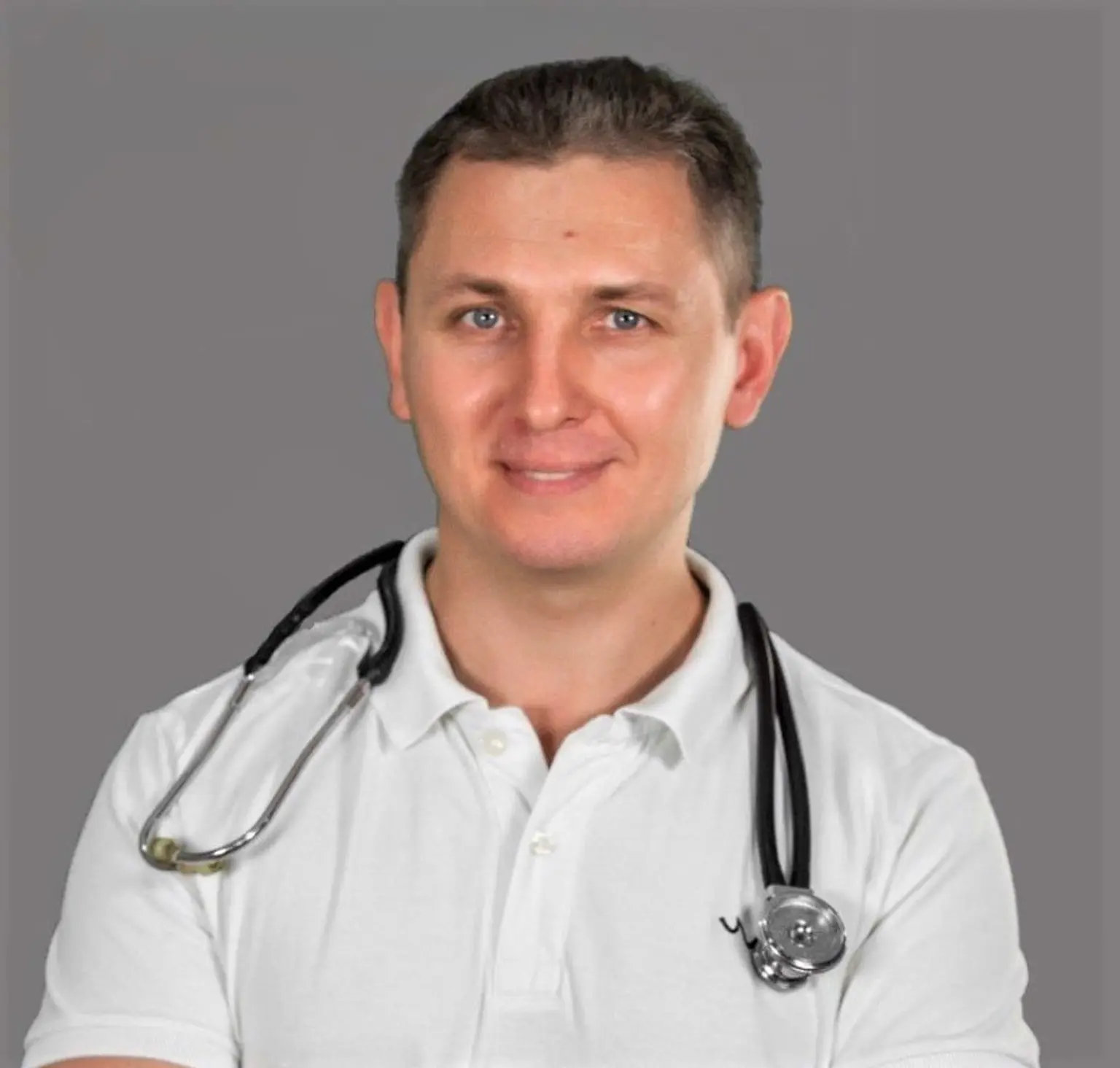
The clinical information regarding Bell's Palsy in this article has been rigorously verified against the latest fact sheets from the National Institute of Neurological Disorders and Stroke (NINDS) and primary research from databases like PubMed. This piece was reviewed for accuracy and patient-centric clarity and was last updated in October 2023.
Introduction
introduction
Bell's Palsy is a condition that causes sudden, temporary weakness or paralysis of the muscles on one side of the face. It can be an alarming experience, as its onset is often abrupt and without warning. This condition affects approximately 40,000 people in the United States each year, making it the most common cause of unilateral facial paralysis. This guide provides a comprehensive overview for individuals seeking to understand its causes, recognize its symptoms, and explore the most effective treatment pathways.
What is Bell's Palsy?
what-is-bell's-palsyBell's Palsy is an episode of facial muscle weakness or paralysis that begins suddenly and worsens over 48 hours. This condition results from damage or trauma to the seventh cranial nerve, also known as the facial nerve. However, the specific cause of this damage is often unknown, leading to the classification of Bell's Palsy as an idiopathic facial paralysis. The facial nerve controls the muscles of facial expression, such as smiling, frowning, and closing the eye, as well as functions like tearing and taste on the front of the tongue. When the nerve swells and becomes inflamed in response to a potential infection or other trigger, its ability to transmit signals to the facial muscles is disrupted.
What is the Main Cause of Bell's Palsy?
what-is-the-main-cause-of-bell's-palsyThe exact cause of Bell's Palsy is unknown, but it is strongly linked to viral infections. The leading theory is that a latent viral infection, most commonly the herpes simplex virus like which causes cold sores or the herpes zoster virus which causes chickenpox and shingles, becomes reactivated and triggers inflammation of the facial nerve.
Other associated conditions and risk factors include:
Viral Infections: Herpes simplex (HSV-1), herpes zoster Ramsay Hunt syndrome, Epstein Barr mononucleosis, and cytomegalovirus.
Bacterial Infections: Less commonly, infections like Lyme disease have been linked to facial palsy.
Upper Respiratory Illnesses: Many patients report having a cold or flu shortly before the onset of symptoms.
Diabetes: Individuals with diabetes have a significantly higher risk of developing Bell's Palsy.
Pregnancy: The risk is highest during the third trimester or the first week after giving birth.
High Blood Pressure: Also known as hypertension.
Obesity: A known risk factor for various inflammatory conditions.
What are the First Signs of Bell's Palsy?
what-are-the-first-signs-of-bell's-palsyThe symptoms of Bell's Palsy appear suddenly and typically reach their peak severity within 48 to 72 hours. A key distinguishing feature is that the weakness or paralysis affects only one side of the face.
Common signs and symptoms include:
Rapid onset of mild weakness to total paralysis on one side of the face.
Facial droop and difficulty making facial expressions, like smiling or closing one eye.
Drooling from the affected side of the mouth.
Pain around the jaw or in or behind the ear on the affected side.
Increased sensitivity to sound on the affected side (hyperacusis).
Headache.
A loss of taste on the front two thirds of the tongue.
Changes in the amount of tears and saliva produced.
How Do Doctors Diagnose Bell's Palsy?
how-do-doctors-diagnose-bell's-palsyA diagnosis of Bell's Palsy is primarily one of exclusion, meaning other potential causes for the facial paralysis must be ruled out. A physician will conduct a thorough physical and neurological examination to assess facial muscle function.
The diagnostic process includes:
Clinical Evaluation: The doctor will ask you to perform various facial movements like raising your eyebrows, closing your eyes, smiling, and frowning to determine the extent of the nerve involvement. The sudden, one-sided nature of the symptoms is a strong indicator.
Ruling Out a Stroke: A critical step is to differentiate Bell's Palsy from a stroke. A key difference is that Bell's Palsy typically affects the entire half of the face, including the forehead. In contrast, most strokes spare the forehead muscles, allowing the person to still raise their eyebrows.
Further Testing (if needed): If the diagnosis is unclear, your doctor may recommend additional tests like an electromyography (EMG) to confirm the presence and severity of nerve damage, or blood tests to check for underlying conditions like diabetes or Lyme disease. Imaging scans like an MRI may be used to rule out a structural cause like a tumor or skull fracture.
What is the Best Treatment for Rapid Recovery from Bell's Palsy?
what-is-the-best-treatment-for-rapid-recovery-from-bell's-palsyThe primary goal of treatment is to improve facial nerve function and reduce inflammation. For the best outcomes, treatment should begin as soon as possible, ideally within 72 hours of symptom onset.
Corticosteroids: Drugs like prednisone are powerful anti-inflammatory agents and are the cornerstone of Bell's Palsy treatment. They reduce the swelling of the facial nerve, which can significantly speed up recovery time.
Antiviral Drugs: Medications such as acyclovir or valacyclovir may be prescribed in addition to corticosteroids, especially if a viral cause is strongly suspected. Their benefit is most pronounced in severe cases.
Eye Care: Because Bell's Palsy can prevent the eye from closing completely, it is vulnerable to drying out and injury. Protecting the eye with lubricating eye drops, artificial tears, and an eye patch especially at night is crucial to prevent corneal damage.
Physical Therapy: Once recovery begins, a physical therapist can teach you exercises to massage and stimulate your facial muscles. This can help prevent permanent muscle tightening contractures and improve muscle tone and coordination.
"I woke up one morning and the left side of my face wouldn't move. I couldn't sip my coffee or even close my eye. It was terrifying. Getting the diagnosis of Bell's Palsy was actually a relief because my doctor explained it was almost always temporary and started me on treatment right away." – An anonymous patient, Canada.
How Long Does Bell's Palsy Recovery Take?
how-long-does-bell's-palsy-recovery-takeThe prognosis for individuals with Bell's Palsy is generally very good. The extent of nerve damage determines the recovery time. Most patients experience a significant improvement within two to three weeks of onset, even without treatment.
With prompt treatment, approximately 85% of patients begin to recover within three weeks.
The vast majority of individuals achieve full recovery of facial function within three to six months.
A small percentage of people may be left with some degree of permanent facial weakness or other residual symptoms like synkinesis like involuntary facial movements, such as the eye closing when smiling.
Recommended Clinics with Relevant Expertise in South Korea
recommended-clinics-with-relevant-expertise-in-south-koreaSouth Korea is home to world-class medical centers with advanced neurology and neurosurgery departments capable of diagnosing and managing conditions like Bell's Palsy.
Website | Clinic Name | Best Known For | Address | Contact |
|---|---|---|---|---|
Seoul Yes Hospital | Spine and Joint Disorders | Suji-gu, Gyeonggi-do, South Korea | ||
Kangdong Sacred Heart Hospital | Comprehensive Medical Services | Gangdong-gu, Seoul, South Korea | ||
Seoul St. Mary’s Hospital – Seocho | Advanced Medical & Surgical Care | Seocho-gu, Seoul, South Korea | ||
Seoul National University Hospital-Gangnam district | Comprehensive Health Screening | Gangnam -gu, Seoul, South Korea | ||
H Plus Yangji Hospital | General & Specialized Medicine | Gwanak-gu, Seoul, South Korea | ||
Ewha Womans University Medical Center | Women's Health, General & Specialized Care | Gangseo-gu, Seoul, South Korea | ||
Asan Medical Center | World-Class Comprehensive Medical Center | Songpa-gu, Seoul, South Korea | ||
MEDREX hospital | Joint and Spine Specialty | Gangnam-gu, Seoul, South Korea | ||
Severance Hospital | Robotic Surgery, Comprehensive Care | Seodaemun-gu, Seoul, South Korea |
Associated Neurological & Neurosurgical Procedures
associated-neurological-and-neurosurgical-proceduresPlease note: The following procedures are generally not primary treatments for Bell's Palsy itself, which is typically managed with medication and therapy. This list represents advanced neurological and spinal procedures available at major South Korean medical centers for a range of complex conditions.
Treatment/Procedure Name | Duration | Hospitalization? | Avg. Cost (USD) in S. Korea | Contact |
|---|---|---|---|---|
Complex Neuromuscular Treatment Plan | 45 mins to 1.5 hrs | Not Needed | $5,000 – $15,000 | |
Minimally Invasive Spinal Fusion Surgery | 2-4 hours | Needed (2-4 days) | $20,000 - $35,000 | |
Spinal Endoscopic Treatment | 1-2 hours | Needed (1 day) | $15,000 - $25,000 | |
Microscopic Decompression Surgery | 1-3 hours | Needed (1-2 days) | $12,000 - $22,000 | |
Artificial Disc Replacement | 2-3 hours | Needed (2-3 days) | $25,000 - $40,000 | |
Epidural Neuroplasty | 30-60 minutes | Not Needed | $2,000 - $4,000 | |
Zero-Gravity Spinal Decompression | 30 minutes | Not Needed | $150 - $300 | |
Spinal Disorder Treatment Consultation | 1 - 2 hours | Not Needed | $500 - $1,500 |
Common Questions About Bell's Palsy
common-questions-about-bell's-palsyThis section addresses practical questions patients often have about living with and managing Bell's Palsy.
1. Is Bell's Palsy a sign of a stroke?
1.-is-bell's-palsy-a-sign-of-a-strokeNo, Bell's Palsy is not a stroke. While both can cause facial weakness, a stroke is caused by a disruption of blood flow to the brain and typically presents with other symptoms like arm or leg weakness, confusion, or difficulty speaking. A key clinical sign is that Bell's Palsy affects the entire side of the face, including the forehead, whereas a stroke usually spares the forehead muscles.
2. Can Bell's Palsy be permanent?
2.-can-bell's-palsy-be-permanentWhile most people recover fully, a small minority may experience incomplete recovery. Factors associated with a poorer prognosis include complete paralysis at onset, advanced age, and no signs of improvement within the first three weeks. Persistent symptoms can include facial weakness, muscle tics, or synkinesis.
3. Can stress cause Bell's Palsy?
3.-can-stress-cause-bell's-palsyWhile direct causation is not proven, significant physical or emotional stress can weaken the immune system. This may make a person more susceptible to the viral reactivation that is thought to trigger the condition. Many patients report experiencing a period of high stress before their symptoms began.
4. Is Bell's Palsy contagious?
4.-is-bell's-palsy-contagiousBell's Palsy itself is not contagious. However, the underlying viruses that are often associated with it, like herpes simplex or herpes zoster, can be contagious. The condition is the body's reaction to the nerve inflammation, not a transmissible disease.
5. Can I get Bell's Palsy more than once?
5.-can-i-get-bell's-palsy-more-than-onceRecurrence is possible but uncommon. Estimates suggest that Bell's Palsy recurs in about 5-10% of patients. Recurrences can happen on the same or opposite side of the face.
Take the First Step Towards Expert Neurological Care !
take-the-first-step-towards-expert-neurological-careExperiencing sudden facial paralysis is unsettling, but a swift and accurate diagnosis is the key to a fast and complete recovery. The world-class neurology departments in South Korea's leading hospitals are equipped with the expertise and technology to provide definitive answers and effective treatment plans. By inquiring through CloudHospital, you gain a dedicated Care Manager who streamlines the entire process, from getting a personalized treatment plan to managing your appointments and post-care follow-up. Don't wait in uncertainty. Start Your Confidential Inquiry and connect with leading specialists today.