

The clinical information regarding holistic menopause treatments in this article has been rigorously verified against the latest guidelines from The North American Menopause Society (NAMS) and primary research from databases like PubMed. This piece was reviewed for accuracy and patient-centric clarity and was last updated in October 2022 to reflect the NAMS Hormone Therapy Position Statement.
Introduction
introductionSouth Korea has firmly established itself as a global powerhouse in advanced medical care, attracting a significant volume of international patients for its synthesis of high tech procedures and meticulous attention to detail. This reputation extends profoundly into Obstetrics & Gynaecology, particularly in the management of menopause. The Korean approach is not merely about prescribing medication it is a comprehensive philosophy that views menopause as a critical transitionary phase requiring integrated, personalized support. This article explores the specific pillars of excellence that define Korea's world class approach to holistic menopause treatment.
Why is Korea a Top Choice for Menopause Treatment?
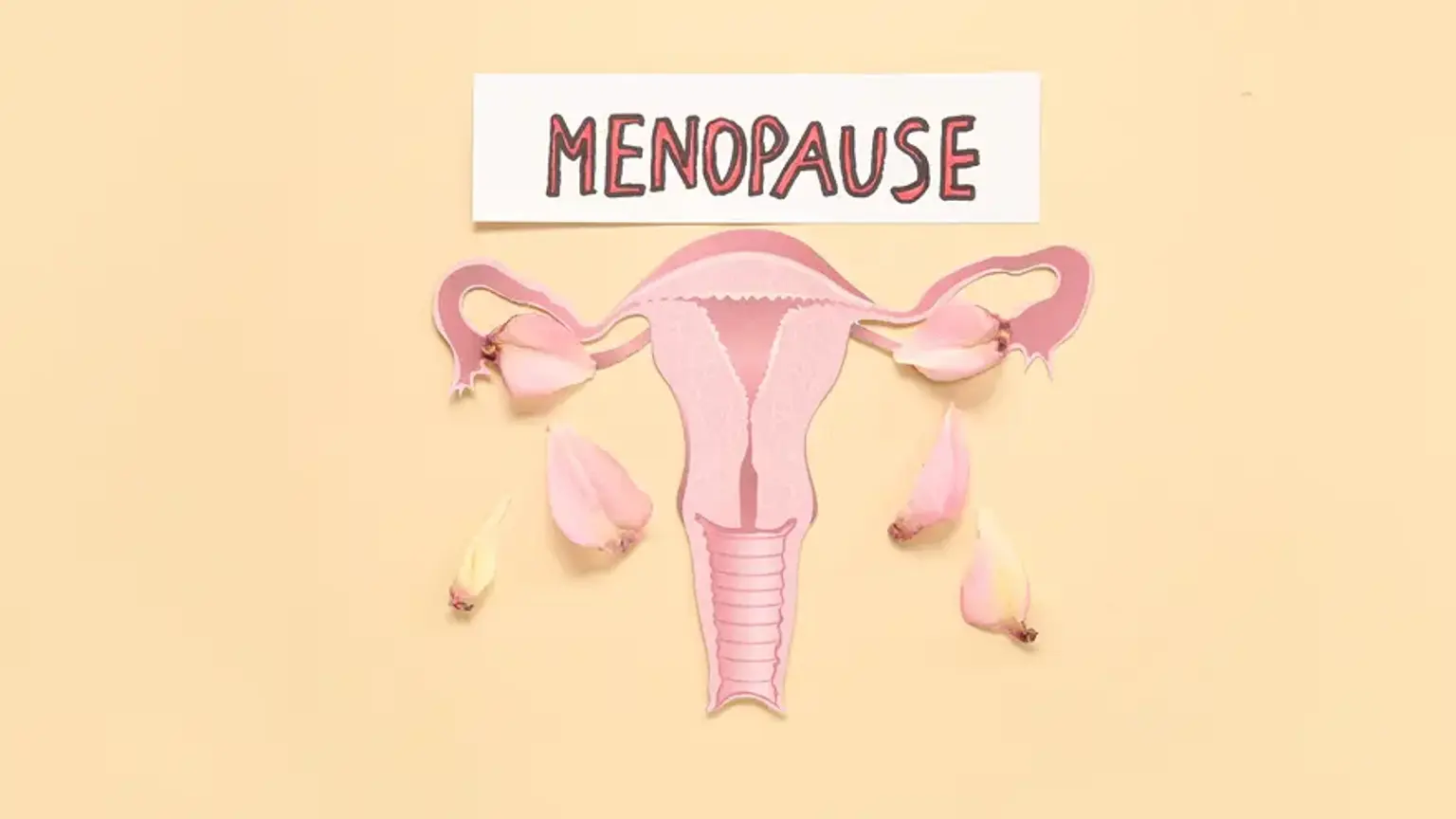
why-is-korea-a-top-choice-for-menopause-treatmentSouth Korea is a premier destination for menopause treatment because its healthcare system prioritizes a multi faceted, whole person approach over simply managing individual symptoms. This holistic philosophy combines cutting edge medical diagnostics and therapies with a deep seated cultural emphasis on preventative care, wellness, and long-term health. Clinicians in Korea view menopause not as an endpoint, but as the beginning of a new phase of life the second spring that deserves proactive management to ensure vitality, prevent age related diseases like osteoporosis and cardiovascular issues, and maintain a high quality of life. This integration of advanced science with patient centric wellness is the core reason for its global appeal.
What Are Holistic Menopause Treatments?
what-are-holistic-menopause-treatmentsHolistic menopause treatments are a comprehensive care strategy that addresses the physical, emotional, and psychological changes a woman experiences during perimenopause and menopause. This approach moves beyond isolated symptom management like only treating hot flashes to create a personalized plan that supports the entire body.
Key components of a holistic strategy include:
Advanced Hormonal Assessment: Utilizing detailed blood panels to get a precise reading of estrogen, progesterone, testosterone, and thyroid levels.
Personalized Hormone Replacement Therapy (HRT): Tailoring the type, dose, and delivery method of hormones to the individual's specific needs and risk profile.
Nutritional & Lifestyle Counseling: Providing expert guidance on diet, targeted supplements like calcium and Vitamin D, and exercise regimens to support bone density, cardiovascular health, and mood.
Management of Associated Conditions: Proactively screening for and managing risks of osteoporosis, heart disease, and changes in metabolic health.
Aesthetic & Functional Gynecology: Offering treatments to address physical changes like vaginal atrophy and dryness, which impact comfort and quality of life.
Mental & Emotional Support: Recognizing and providing resources for mood swings, anxiety, and sleep disturbances that often accompany this transition.
How Does the Korean Medical System Approach Hormonal Changes?
how-does-the-korean-medical-system-approach-hormonal-changesThe Korean medical system approaches hormonal changes with a strong emphasis on precision diagnostics and preventative medicine. The process begins with a comprehensive evaluation that far exceeds a standard check-up. This includes high resolution imaging and extensive blood work to create a detailed hormonal blueprint for each patient. Based on this data, gynecologists craft a highly individualized treatment plan. There is a significant focus on using the lowest effective dose of hormones to minimize potential side effects while maximizing benefits. Furthermore, Korean clinics seamlessly integrate advanced therapies with functional medicine principles, ensuring that lifestyle and nutritional factors are addressed in tandem with medical intervention.
Are Bioidentical Hormones (BHRT) Available in Korea?
are-bioidentical-hormones-(bhrt)-available-in-koreaYes, Bioidentical Hormone Replacement Therapy (BHRT) is a sophisticated and increasingly popular option available at leading women's health clinics in South Korea. Unlike conventional synthetic hormones, bioidentical hormones are molecularly identical to the ones produced by the human body. Korean specialists leverage their advanced compounding pharmacies and diagnostic capabilities to create BHRT regimens that are precisely tailored to a woman's unique hormonal deficiencies. This level of personalization is a key differentiator, aiming for a more natural physiological response and potentially better tolerance for some patients.
What Non-Hormonal Menopause Treatments Are Offered in Korea?
what-non-hormonal-menopause-treatments-are-offered-in-koreaKorean clinics offer a robust portfolio of non-hormonal treatments for women who cannot or choose not to use HRT. These evidence-based alternatives are integrated into a comprehensive care plan.
Selective Estrogen Receptor Modulators (SERMs): Medications like Ospemifene are used to specifically target and alleviate symptoms like painful intercourse due to vaginal atrophy without systemic hormonal effects.
Non-Hormonal Medications for Vasomotor Symptoms: Low dose antidepressants (SSRIs/SNRIs) or other specific medications can be prescribed to effectively reduce the frequency and severity of hot flashes and night sweats.
Advanced Laser & Radiofrequency Treatments: For symptoms of genitourinary syndrome of menopause (GSM), such as vaginal dryness and laxity, clinics utilize non-invasive energy-based devices. These treatments stimulate collagen production and restore vaginal mucosal health, improving function and comfort without hormones.
Phytoestrogens & Supplements: Clinicians often provide guidance on incorporating plant based estrogens phytoestrogens from sources like soy, as well as evidence-backed supplements to support bone and heart health.
How Do Korean Clinics Support International Patients During Menopause Care?
how-do-korean-clinics-support-international-patients-during-menopause-care"The level of detail in my initial consultation was unlike anything I'd experienced back home. They didn't just look at my blood test; they discussed my lifestyle, my stress levels, my future health goals. It felt like they were designing a 20-year health plan for me, not just a prescription. The translator was with me every step, making a complex topic feel completely manageable." – an anonymous patient, Australia.
Korean medical centers are expertly equipped to provide a seamless and reassuring experience for international patients seeking menopause care. This patient-centric model is built on several key pillars:
Dedicated International Patient Services: Most major clinics have a dedicated department with multilingual coordinators who manage everything from initial inquiries and appointment scheduling to translation during consultations.
All-Inclusive Service Packages: Many clinics offer packages that streamline the entire process, often including airport transfers, accommodation arrangements, and comprehensive pre-treatment and post-treatment support.
State of the Art Facilities: Patients are treated in modern, comfortable environments that prioritize privacy and well being, resembling high-end wellness centers more than traditional hospitals.
Clear Communication & Transparency: Korean medical teams prioritize clear communication, ensuring patients fully understand their diagnosis, treatment options, and the associated costs before any procedure begins.
Recommended Clinics with Relevant Expertise in South Korea
recommended-clinics-with-relevant-expertise-in-south-koreaThe following clinics are recognized for their excellence in women's health, obstetrics, and gynaecology, offering comprehensive services for menopause management.
Website | Clinic Name | Best Known For | Address | Contact |
|---|---|---|---|---|
Second Spring Women's Clinic | OBGYN Services | Gangnam-gu, Seoul, South Korea | ||
Seoul Miz Hospital | Women's Health & OBGYN | Gangdong-gu, Seoul, South Korea | ||
MariaPlus Fertility Hospital | Fertility & Reproductive Health | Songpa-gu, Seoul, South Korea | ||
Asan Medical Center | Comprehensive Medical Care | Songpa-gu, Seoul, South Korea | ||
Goeunbit Women’s Clinic | OBGYN Services | Songpa-gu, Seoul, South Korea | ||
MizMedi Hospital | Women's & Children's Health | Gangseo-gu, Seoul, South Korea | ||
HI Fertility Clinic | Fertility & IVF | Gangseo-gu, Seoul, South Korea | ||
Helen Women’s Obstetrics & Gynecology Clinic | OBGYN Services | Songpa-gu, Seoul, South Korea |
Recommended Treatment/Procedure Names with Average Costs in South Korea
recommended-treatmentprocedure-names-with-average-costs-in-south-koreaCosts are estimates and can vary based on the patient's specific condition and the complexity of the required treatment. A personalized quote is provided after consultation.
Treatment/Procedure Name | Duration | Hospitalization? | Avg. Cost (USD) in S. Korea? | Contact |
|---|---|---|---|---|
Hormone Replacement Therapy (HRT) | 1 - 2 hours | Not Needed | $50 - $150 | |
Endometriosis Management (Surgical) | 1.5 - 3 hours | Needed (1-2 days) | $6,000 - $10,000 | |
Gynecological Surgery (e.g., Hysterectomy) | 1 - 3 hours | Needed (2-4 days) | $7,000 - $15,000 | |
Vaginal Aesthetic Treatments | 1 - 2 hours | Not Needed | $2,500 - $6,000 | |
Labiaplasty | 1 - 1.5 hours | Not Needed | $2,000 - $4,500 | |
Vaginal Tightening (Laser or Surgical) | 30 - 90 mins | Not Needed | $1,500 - $5,000 | |
Vaginal Mucosa Correction Injections | 30 mins | Not Needed | $800 - $1,500 |
What to Know Before Traveling to Korea for Medical Care
what-to-know-before-traveling-to-korea-for-medical-careNavigating healthcare in a new country can seem daunting, but Korean clinics have refined the process for international visitors. Here are answers to common questions.
1. What is the cost of Hormone Replacement Therapy (HRT) in Korea?
1.-what-is-the-cost-of-hormone-replacement-therapy-(hrt)-in-koreaThe cost of HRT in Korea is competitive, with initial comprehensive consultations and detailed blood panels typically ranging from $200 to $500 USD. The ongoing monthly cost for the prescribed hormones is generally between $50 and $150 USD, depending on whether it is a standard or custom-compounded bioidentical formulation.
2. How is the language barrier handled in Korean clinics?
2.-how-is-the-language-barrier-handled-in-korean-clinicsLeading Korean clinics that cater to international patients have dedicated teams of fluent English-speaking and often Russian, Chinese, or Japanese coordinators and translators. These professionals accompany you to all appointments, ensuring clear and accurate communication with your medical team at every stage of your treatment.
3. Is treatment in Korea safe for international patients?
3.-is-treatment-in-korea-safe-for-international-patientsYes, medical treatment in South Korea is exceptionally safe. The country has one of the most advanced healthcare infrastructures in the world, with stringent government regulations, high standards for physician training and certification, and a strong focus on patient safety protocols and infection control. Major hospitals are accredited by international bodies, affirming their commitment to global standards of care.
4. Why are costs often lower in Korea for high-quality procedures?
4.-why-are-costs-often-lower-in-korea-for-high-quality-proceduresThe cost-effectiveness of Korean healthcare is due to several factors. Efficient hospital management systems, government regulation of many healthcare prices, and a high volume of procedures allow clinics to operate with lower overhead costs. This efficiency allows them to offer world-class technology and expertise at a price point that is often more accessible than in North America or Western Europe without compromising on quality.
5. What should I pack for my trip?
5.-what-should-i-pack-for-my-tripBesides your travel essentials, you should bring any previous medical records, a list of current medications and supplements, and comfortable clothing. Your care coordinator will provide a detailed list of any specific items you may need for your post-treatment recovery.
Reclaim Your Vitality: Begin Your Personalized Menopause Journey Now!
reclaim-your-vitality:-begin-your-personalized-menopause-journeyThe transition through menopause is a significant chapter in a woman's life that deserves expert, compassionate, and forward-thinking care. South Korea's holistic approach offers a path not just to manage symptoms, but to build a foundation for decades of future health and vitality. By taking the next step, you can access a new standard of personalized medicine. We provide a seamless, transparent process and a dedicated Care Manager for end-to-end support, from your first question to your post-recovery care. And Start Your Confidential Inquiry with CloudHospital to receive a personalized treatment plan.