
The clinical information regarding Bone Cancer in this article has been rigorously verified against the latest guidelines from the National Cancer Institute (NCI) and primary research from databases like PubMed. This piece was reviewed for accuracy and patient-centric clarity and was last updated in October 2023.
Introduction
introductionA diagnosis of bone cancer is a life altering event that raises immediate questions about the body, treatment, and the future. While relatively rare compared to other cancers, primary bone cancer cancer that starts in the bones requires specialized, expert care. This guide provides a comprehensive overview of bone cancer, from the first subtle symptoms to the most advanced treatment protocols available, offering clear, authoritative information for patients and their families seeking to understand and navigate this challenging condition.
What is Bone Cancer?
what-is-bone-cancer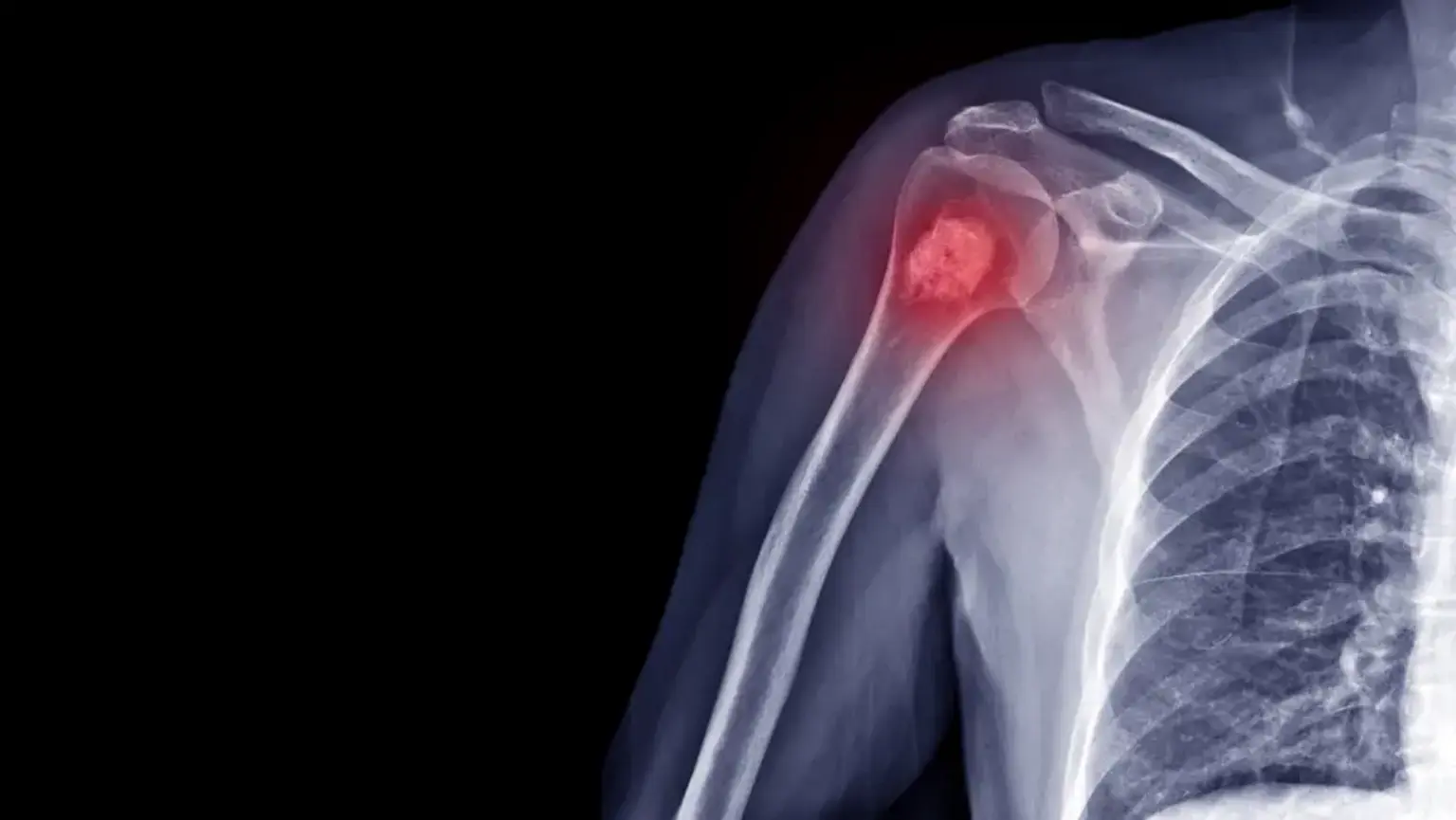
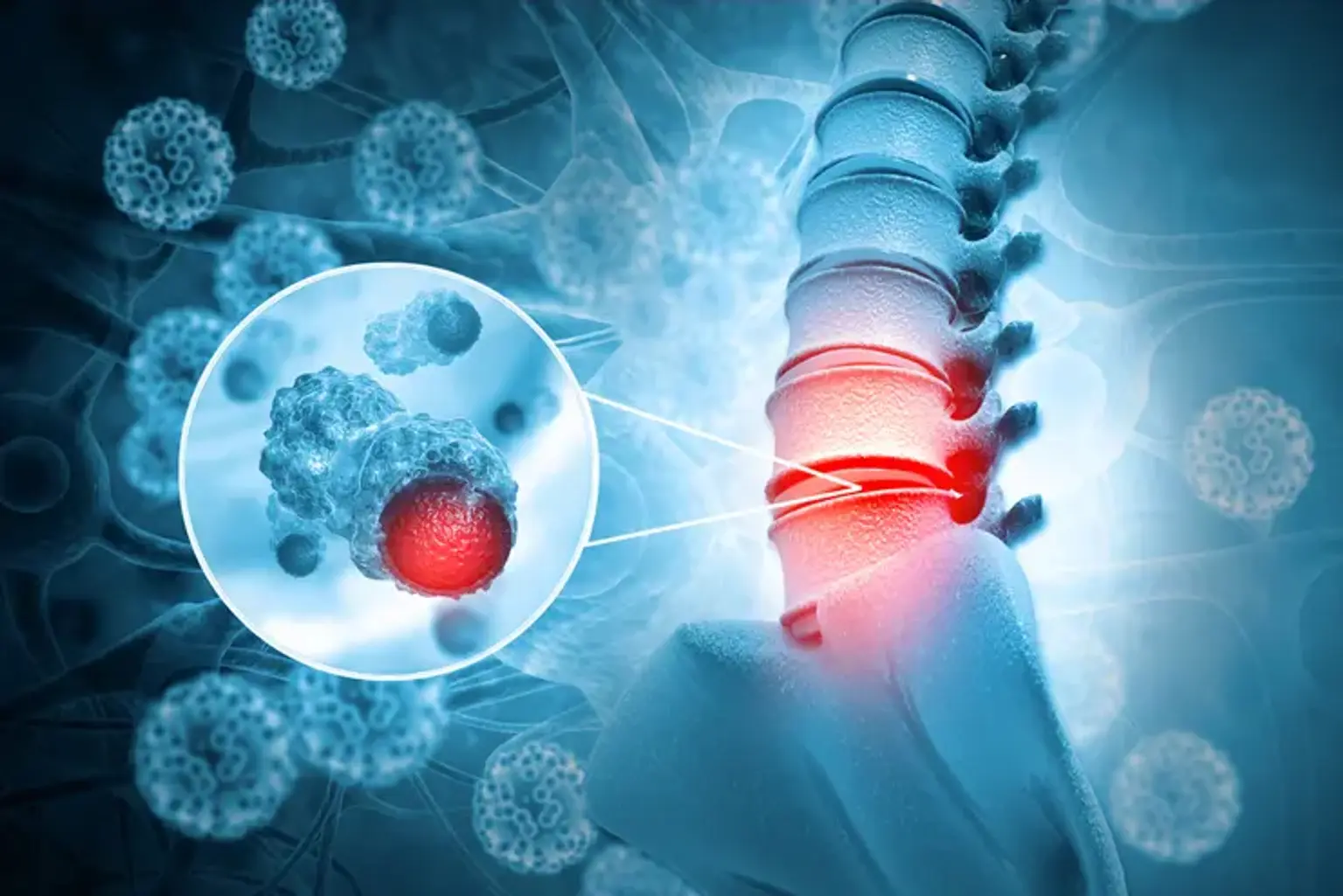
Bone cancer is a malignancy that originates in the cells of a bone. This is known as primary bone cancer. It is crucial to distinguish this from secondary, or metastatic, bone cancer, which is cancer that started in another part of the body like the lung, breast, or prostate and has spread to the bones. Metastatic bone cancer is far more common than primary bone cancer. This guide focuses specifically on primary bone cancer.
These malignancies can develop in any of the body's 206 bones but most commonly occur in the long bones of the arms and legs, as well as the pelvis. The cancerous cells destroy normal bone tissue, which can lead to pain, fractures, and other complications. Globally, primary bone cancers account for less than 1% of all cancers.
What are the Main Types of Primary Bone Cancer?
what-are-the-main-types-of-primary-bone-cancerThe first step in defining a treatment path is identifying the specific type of bone cancer, as each behaves differently and responds to different therapies. The most common types include:
Osteosarcoma: The most prevalent type of primary bone cancer, osteosarcoma begins in the osteoid tissue the immature cells that form new bone. It most often affects children, teenagers, and young adults, typically appearing near the ends of long bones in the knee and upper arm.
Chondrosarcoma: This cancer originates in cartilage cells. It is most frequently diagnosed in adults over the age of 40. Chondrosarcoma commonly develops in the bones of the pelvis, thigh femur, and shoulder. It tends to be slower-growing than osteosarcoma.
Ewing Sarcoma: A rare but aggressive cancer that affects bone or the soft tissue around bones. It is most common in children and young adults, often arising in the pelvis, legs, or arms. Treatment for Ewing sarcoma typically involves a combination of chemotherapy, surgery, and radiation.
Other, rarer types of bone tumors include fibrosarcomas, giant cell tumors of bone, and chordomas.
"The pain in my son's leg was dismissed as growing pains for months. It was a persistent, deep ache that got worse at night. Only when a small, hard lump appeared above his knee did we push for an X-ray. Getting the osteosarcoma diagnosis was terrifying, but it was also the first day we could start fighting back." – An anonymous parent, United States.
What are the Causes and Risk Factors for Bone Cancer?
what-are-the-causes-and-risk-factors-for-bone-cancerFor most cases of primary bone cancer, the exact cause is unknown. However, researchers have identified several factors that can increase a person's risk of developing the disease.
Genetic Syndromes: Certain rare, inherited conditions are linked to a higher risk, including Li-Fraumeni syndrome and hereditary retinoblastoma.
Paget's Disease of Bone: This non-cancerous condition causes abnormal bone remodeling and can, in rare instances, lead to osteosarcoma in older adults.
Previous Radiation Therapy: Individuals who have received high-dose radiation for a previous cancer have a slightly increased risk of developing a bone sarcoma in the treated area, often many years later.
Age: While bone cancer can occur at any age, certain types are more common in specific age groups. Osteosarcoma and Ewing sarcoma are more frequent in children and adolescents, while chondrosarcoma is more common in adults.
It is a common misconception that a simple injury, like a bump or a fall, can cause bone cancer. An injury may draw attention to a pre-existing tumor by causing swelling or pain, but it does not cause the cancer itself.
What are the First Signs and Symptoms of Bone Cancer?
what-are-the-first-signs-and-symptoms-of-bone-cancerThe symptoms of bone cancer can be subtle at first and are often mistaken for more common conditions like arthritis or sports injuries. Recognizing the key warning signs is critical for an early diagnosis.
Persistent Bone Pain: This is the most common symptom. The pain may be dull or aching, might come and go initially, but eventually becomes constant. It is often worse at night or with activity.
Swelling or a Lump: A noticeable lump or swelling may appear over the affected bone as the tumor grows.
Unexplained Fracture: The cancer can weaken the bone, leading to a fracture from a minor fall or sometimes with no injury at all. This is known as a pathologic fracture.
Limited Range of Motion: If the tumor is near a joint, it may cause stiffness and make movement difficult.
Systemic Symptoms: Less common signs include unexplained weight loss, fatigue, fever, and anemia.
How is Bone Cancer Diagnosed and Staged?
how-is-bone-cancer-diagnosed-and-stagedA precise diagnosis is the foundation of an effective treatment plan. The process is multi step and requires a team of specialists, including an orthopedic oncologist.
Medical History and Physical Exam: A doctor will discuss your symptoms, risk factors, and conduct a physical examination to check for swelling, tenderness, and lumps.
Imaging Tests: These are used to get a detailed look at the affected bone.
X-ray: Often the first test performed to identify a potential tumor.
Computed Tomography (CT) Scan: Provides detailed cross sectional images of the bone and is particularly useful for checking if cancer has spread to the lungs.
Magnetic Resonance Imaging (MRI): Creates highly detailed images of bones and surrounding soft tissues, helping to define the exact size and spread of the tumor.
Positron Emission Tomography (PET) Scan: A whole body scan that uses a radioactive sugar to find cancer cells. It is highly effective for staging and determining if the cancer has spread to other bones or organs.
Biopsy: This is the only way to definitively confirm a diagnosis of bone cancer. A small sample of the tumor is removed and analyzed by a pathologist. It is critical that the biopsy is performed by an expert surgeon, as a poorly placed biopsy can complicate future surgery.
Needle Biopsy: A needle is guided into the tumor to extract a core of tissue.
Surgical (Open) Biopsy: A surgeon makes an incision to remove a piece of the tumor.
What are the Treatment Options for Bone Cancer?
what-are-the-treatment-options-for-bone-cancerTreatment for bone cancer is complex and depends on the type, size, location, and stage of the tumor. Modern treatment is often multimodal, combining several different approaches.
Surgery
surgerySurgery is the primary treatment for most bone cancers. The primary goal is to remove the entire tumor with a wide margin of healthy tissue around it.
Limb-Sparing Surgery (Limb Salvage): Whenever possible, surgeons perform this procedure. The cancerous section of bone is removed and replaced with a metal implant prosthesis or a bone graft bone from another part of the body or a donor. Over 90% of patients with bone cancer in a limb can now be treated with limb sparing surgery.
Amputation: In some cases, if the tumor is very large or involves critical nerves and blood vessels, amputation of the limb may be necessary to ensure all cancer is removed.
Chemotherapy
chemotherapyChemotherapy uses powerful drugs to kill cancer cells throughout the body. It is a cornerstone of treatment for osteosarcoma and Ewing sarcoma. It is often given before surgery neoadjuvant chemotherapy to shrink the tumor and make it easier to remove, and after surgery adjuvant chemotherapy to kill any remaining cancer cells.
Radiation Therapy
radiation-therapyRadiation therapy uses high energy rays to destroy cancer cells. While not always effective for primary bone tumors, it is a key part of treatment for Ewing sarcoma and can be used for chondrosarcomas that cannot be fully removed by surgery. Advanced forms like Proton Beam Therapy can deliver radiation with greater precision, minimizing damage to surrounding healthy tissues.
Targeted Therapy and Immunotherapy
targeted-therapy-and-immunotherapyThese are newer classes of drugs that represent the cutting edge of cancer care.
Targeted Therapy: These drugs identify and attack specific characteristics of cancer cells. They are used for certain types of bone cancer with known genetic mutations.
Immunotherapy: These treatments harness the power of the patient's own immune system to fight cancer. Research into their role in treating bone sarcomas is ongoing and highly promising.
When Should I See a Doctor for Bone Cancer Symptoms?
when-should-i-see-a-doctor-for-bone-cancer-symptomsYou should schedule an appointment with a healthcare professional if you or your child experiences any of the following:
Bone pain that is persistent, unexplained, and worsens over time, especially at night.
A new lump or area of swelling on a bone.
A broken bone that occurs with little or no trauma.
Unexplained fever, fatigue, or weight loss accompanying bone pain.
While these symptoms can have many causes, a thorough evaluation is essential for early detection and treatment.
Recommended Clinics with Relevant Expertise in South Korea
recommended-clinics-with-relevant-expertise-in-south-koreaSouth Korea is recognized for its world-class medical infrastructure and expertise in advanced cancer care, including robotic surgery and proton therapy. The following hospitals are leading centers for oncology.
Website | Clinic Name | Best Known For | Address | Contact |
|---|---|---|---|---|
Gangnam Severance Hospital | Robot Surgery, Cancer Treatment | Gangnam-gu, Seoul, South Korea | ||
Seoul National University Hospital | Cancer Care, Organ Transplantation | Jongno-gu, Seoul, South Korea | ||
Samsung Medical Center | Comprehensive Cancer Center, Proton Therapy | Gangnam-gu, Seoul, South Korea | ||
Seoul St. Mary's Hospital‑Seocho | Hematology, Cancer Center, Organ Transplant | Seocho-gu, Seoul, South Korea | ||
Ulsan University Hospital | Cancer Center, Organ Transplant | Dong-gu, Ulsan, South Korea | ||
Cha University Bundang Medical Center | Women's Cancers, General Surgery | Bundang-gu, Gyeonggi-do, South Korea | ||
Samyook Busan Adventist Hospital | Robotic Surgery, Spine Center | Seo-gu, Busan, South Korea | ||
Kangdong Sacred Heart Hospital | Comprehensive Medical Care, Digestive Diseases | Gangdong-gu, Seoul, South Korea | ||
Seoul Miz Hospital | Women's Health, General Surgery | Gangdong-gu, Seoul, South Korea |
Recommended Treatment/Procedure Names with Average Costs in South Korea
recommended-treatmentprocedure-names-with-average-costs-in-south-koreaThe following table outlines advanced treatment options relevant to cancer care, with estimated costs in South Korea. These are general estimates and can vary based on the specific hospital, patient case, and treatment complexity.
Treatment/Procedure Name | Treatment Duration | Hospitalization? | Avg Cost Range (USD) in S. Korea | Contact |
|---|---|---|---|---|
CAR-T Cell Therapy | 1-2 month | Needed (2-4 weeks) | $350,000 - $500,000 | |
Bone Marrow Transplant | Weeks- months | Needed (4-6 weeks) | $80,000 - $150,000 | |
Robotic Cancer Surgery | 2-5 hours | Needed (3-7 days) | $20,000 - $40,000 | |
Lung Cancer Surgery | 2-4 hours | Needed (5-7 days) | $20,000 - $38,000 | |
Immunotherapy | 6 -7 weeks | Not Needed | $8,000 - $15,000 | |
Brain Tumor Surgery | 3-6 hours | Needed (5-10 days) | $25,000 - $45,000 | |
Proton Beam Therapy | 15-30 mins | Not Needed | $50,000 - $90,000 | |
CyberKnife Radiosurgery | 30-90 mins | Not Needed | $18,000 - $35,000 | |
Chemotherapy | 2-4 hours | Not Needed | $1,000 - $8,000 |
What Are Common Questions About Bone Cancer?
what-are-common-questions-about-bone-cancerThis section addresses practical questions that patients and their families often have.
1. Can bone cancer be cured?
1.-can-bone-cancer-be-curedYes, bone cancer can often be cured, especially when it is diagnosed at an early, localized stage before it has spread. The 5-year relative survival rate for localized osteosarcoma, for example, is approximately 77%. The likelihood of a cure depends heavily on the type and stage of the cancer, the patient's age and overall health, and the effectiveness of the treatment.
2. Is bone cancer the same as bone metastasis?
2.-is-bone-cancer-the-same-as-bone-metastasisNo, they are different. Primary bone cancer starts in the bone. Bone metastasis is cancer that began elsewhere (e.g., breast, lung) and spread to the bone. The treatment for metastatic bone cancer focuses on the original cancer type.
3. What is the survival rate for bone cancer?
3.-what-is-the-survival-rate-for-bone-cancerSurvival rates vary significantly by type and stage. For localized Ewing sarcoma, the 5-year survival rate is around 82%, but this drops to 39% if it has spread to distant sites. For chondrosarcoma, the rate is highly dependent on the tumor's grade how abnormal the cells look. It is essential to discuss specific prognosis with your oncology team.
4. What kind of doctor treats bone cancer?
4.-what-kind-of-doctor-treats-bone-cancerTreating bone cancer requires a multidisciplinary team. Key specialists include an orthopedic oncologist a surgeon specializing in bone and soft tissue tumors, a medical oncologist who manages chemotherapy and targeted therapies, and a radiation oncologist who administers radiation.
5. Can bone cancer spread to other parts of the body?
5.-can-bone-cancer-spread-to-other-parts-of-the-bodyYes. If bone cancer cells break away from the original tumor, they can travel through the bloodstream or lymph system to other parts of the body. The most common site for bone cancer to metastasize is the lungs.
6. Does an injury cause bone cancer?
6.-does-an-injury-cause-bone-cancerNo. There is no scientific evidence that an injury can cause cells to become cancerous. An injury may cause swelling or pain that leads to an X-ray, revealing a tumor that was already there.
Regain Control: Explore Advanced Bone Cancer Treatment in Korea Now!
regain-control:-explore-advanced-bone-cancer-treatment-in-koreaNavigating a bone cancer diagnosis requires access to the best possible information and medical care. The journey can feel overwhelming, but you do not have to walk it alone. By inquiring about treatment at South Korea's leading cancer centers, you gain access to world-renowned specialists and cutting-edge technologies. CloudHospital provides a seamless, transparent process, with a dedicated Care Manager to support you from your initial inquiry through to your post-treatment recovery. And Start Your Confidential Inquiry to receive a personalized treatment plan and connect with experts who can provide the care you deserve.