

The clinical information regarding Breast Cancer Causes and Treatment in this article has been rigorously verified against the latest guidelines from the National Cancer Institute NCI and primary research from databases like PubMed. This piece was reviewed for accuracy and patient centric clarity and was last updated in October 2023.
Introduction
introductionBreast cancer is a complex disease that affects millions of people globally. Understanding its origins, how it is diagnosed, and where to seek care are critical first steps for any patient or family member facing this diagnosis. This guide provides a comprehensive overview of breast cancer, from its fundamental causes to the criteria for selecting a world class medical center for your treatment. The journey can feel overwhelming, but clear information empowers you to make confident decisions about your health.
What is Breast Cancer?
what-is-breast-cancer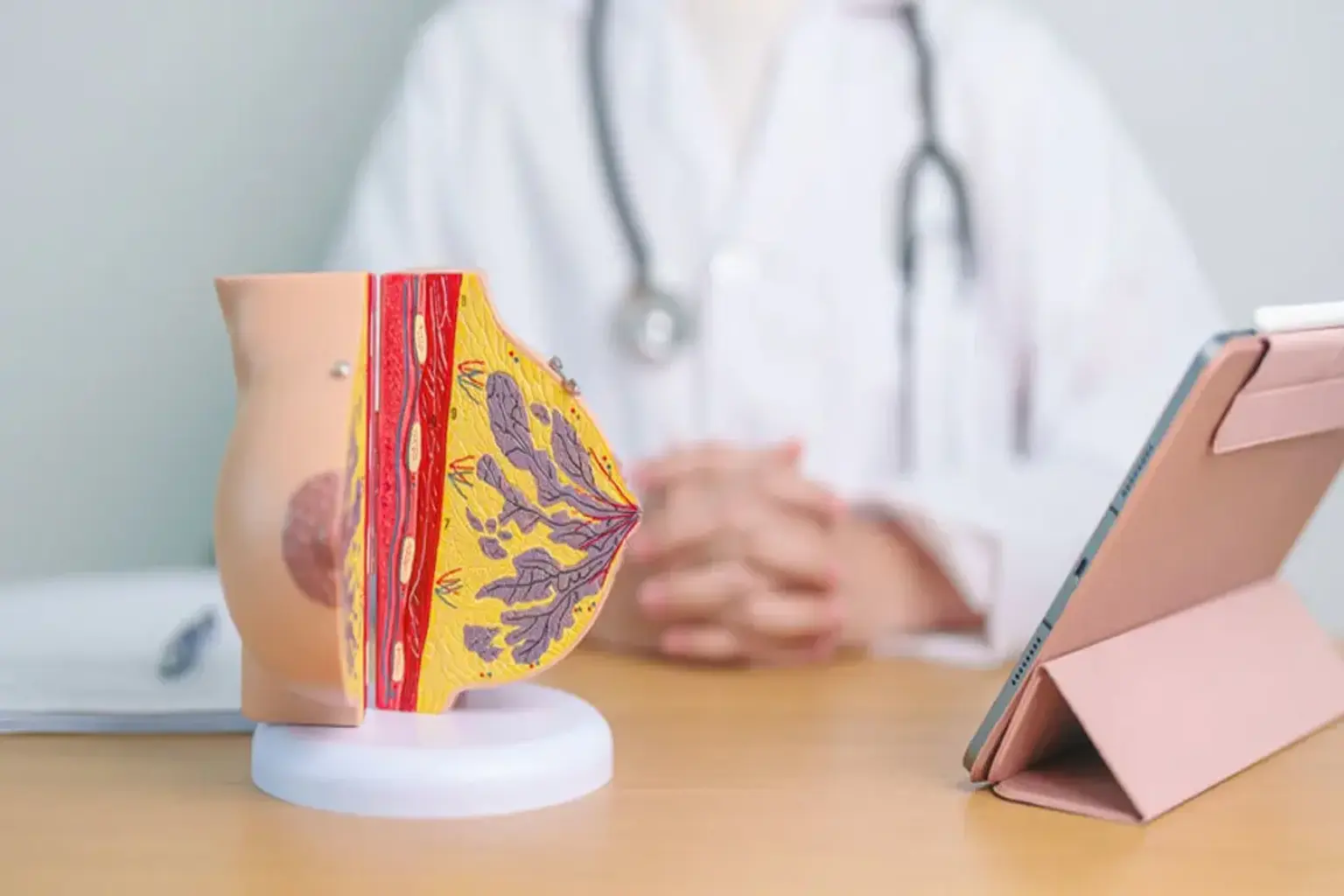
Breast cancer is a disease in which cells in the breast grow out of control. It typically forms in either the lobules, which are the glands that produce milk, or the ducts, the pathways that bring milk from the lobules to the nipple. The specific type of breast cancer depends on which cells in the breast turn into cancer. It can also spread outside the breast through blood vessels and lymph vessels. When breast cancer spreads to other parts of the body, it is said to have metastasized.
What Are the Main Causes and Risk Factors for Breast Cancer?
what-are-the-main-causes-and-risk-factors-for-breast-cancerThe primary cause of breast cancer is damage to a cell's DNA, but what prompts that damage is a combination of genetic, lifestyle, and environmental factors. No single cause explains all cases.
Unchangeable Risk Factors
Being Female: Women are far more likely to develop breast cancer than men.
Aging: The risk for breast cancer increases with age, with most cases diagnosed after age 50.
Genetic Mutations: Inherited mutations in certain genes, most notably BRCA1 and BRCA2, significantly increase risk. According to the National Cancer Institute, these mutations can elevate lifetime risk substantially.
Reproductive History: Starting menstrual periods before age 12 and starting menopause after age 55 expose women to hormones longer, raising the risk.
Dense Breasts: Women with dense breasts have more connective tissue than fatty tissue, which can increase risk and make tumors harder to see on a mammogram.
Personal or Family History: A previous breast cancer diagnosis or having a first degree relative mother, sister, or daughter with breast cancer increases your risk.
Lifestyle Related Risk Factors
Alcohol Consumption: The risk of breast cancer increases with the amount of alcohol consumed.
Being Overweight or Obese: Having more fat tissue after menopause can increase estrogen levels and raise the risk of developing breast cancer.
Physical Inactivity: A sedentary lifestyle is linked to a higher risk of breast cancer.
Hormone Use: Some forms of hormone replacement therapy taken during menopause that include both estrogen and progesterone can increase risk. Certain oral contraceptives also may raise risk.
What Are the Common Symptoms and Signs of Breast Cancer?
what-are-the-common-symptoms-and-signs-of-breast-cancerKnowing the potential signs can lead to earlier detection and treatment. While many of these symptoms can be caused by other non cancerous conditions, it is vital to have them checked by a doctor.
A new lump or mass in the breast or underarm area.
Thickening or swelling of part of the breast.
Irritation or dimpling of breast skin, sometimes resembling an orange peel.
Redness or flaky skin in the nipple area or the breast.
Pulling in of the nipple or pain in the nipple area.
Nipple discharge other than breast milk, including blood.
Any change in the size or the shape of the breast.
Pain in any area of the breast.
How Are Different Breast Cancer Types Diagnosed?
how-are-different-breast-cancer-types-diagnosedA precise diagnosis is the foundation of an effective treatment plan. The process involves multiple steps to identify the cancer and characterize its specific features.
1. Imaging Tests:
Mammogram: An X ray of the breast used to screen for or diagnose breast cancer.
Breast Ultrasound: Uses sound waves to create a picture of the tissues deep in the breast. It can help distinguish between a solid mass and a fluid filled cyst.
Breast MRI: Uses magnets and radio waves to create detailed pictures of the inside of the breast. It is often used for women at high risk or to get more information about a suspicious area found on a mammogram.
2. Biopsy:
A biopsy is the only definitive way to diagnose breast cancer. During this procedure, a doctor removes a small sample of tissue from the suspicious area. A pathologist then examines the tissue under a microscope to check for cancer cells.
3. Lab Analysis of Biopsy Tissue:
If cancer cells are present, they are tested to determine the cancer's characteristics:
Hormone Receptor Status: This checks if the cancer cells have receptors for the hormones estrogen ER or progesterone PR. ER positive and PR positive cancers can be treated with hormone therapy drugs.
HER2 Status: This test looks for the HER2 protein. HER2 positive breast cancers tend to be more aggressive but respond well to targeted therapy drugs.
Grade: The grade describes how much the cancer cells look like normal cells and suggests how quickly the cancer is likely to grow and spread.
How Do I Choose the Best Hospital for Breast Cancer Treatment?
how-do-i-choose-the-best-hospital-for-breast-cancer-treatmentSelecting the right facility is one of the most important decisions you will make. A top tier cancer center offers a multidisciplinary team approach and access to the latest technologies.
"The moment I received the diagnosis, the world went silent. It was the uncertainty that was the hardest part. Finding a medical team that not only had the best technology but also took the time to explain every single step made all the difference. That clarity gave me back a sense of control." – an anonymous patient, United States.
Key factors to consider include:
Specialized Breast Cancer Center: Look for hospitals with a dedicated breast cancer program or cancer institute.
Multidisciplinary Team: The best care involves a team of specialists including breast surgeons, medical oncologists, radiation oncologists, pathologists, and plastic surgeons who meet to discuss your case.
Access to Advanced Technology: Facilities offering technologies like 3D mammography, proton beam therapy, and robotic surgery may provide more precise and less invasive treatment options.
Experience and Volume: Hospitals that treat a high volume of breast cancer patients often have better outcomes.
Clinical Trials: Access to clinical trials can provide options for new and innovative treatments.
Recommended Clinics with Relevant Expertise in South Korea
recommended-clinics-with-relevant-expertise-in-south-koreaSouth Korea is recognized for its advanced medical infrastructure and expertise in oncology. The following hospitals are noted for their comprehensive cancer care programs.
Website | Clinic Name | Best Known For | Address | Contact |
|---|---|---|---|---|
Gangnam Severance Hospital | Advanced Robotic Surgery and Comprehensive Cancer Care | Gangnam-gu, Seoul, South Korea | ||
Seoul National University Hospital- ganganm district | Leading National Research and Treatment Center | Gangnam-gu, Seoul, South Korea | ||
Samsung Medical Center | World Class Comprehensive Cancer Center and Proton Therapy | Gangnam-gu, Seoul, South Korea | ||
Seoul St. Mary's Hospital‑Seocho | Specialized Women's Health and Breast & Thyroid Center | Seocho-gu, Seoul, South Korea | ||
Ulsan University Hospital | Major University Hospital with Specialized Medical Centers | Dong-gu, Ulsan, South Korea | ||
Cha University Bundang Medical Center | Major Regional Medical Center and Research Hub | Bundang-gu, Gyeonggi-do, South Korea | ||
Samyook Busan Adventist Hospital | Patient Centered Care and International Patient Services | Seo-gu, Busan, South Korea | ||
Kangdong Sacred Heart Hospital | Comprehensive Cancer Institute and Hematology Expertise | Gangdong-gu, Seoul, South Korea | ||
Seoul Miz Hospital | Advanced Research in Women's Medicine and Cell Therapy | Gangdong-gu, Seoul, South Korea |
Recommended Treatment and Procedure Options with Average Costs in South Korea
recommended-treatment-and-procedure-options-with-average-costs-in-south-koreaAdvanced cancer treatments are available at leading Korean medical centers. Costs are estimates and can vary based on the specifics of your case.
Treatment/Procedure Name | Duration | Hospitalization? | Avg. Cost (USD) in S. Korea | Contact |
|---|---|---|---|---|
CAR-T Cell Therapy | 1 to 2 hours | Needed (2 to 4 weeks) | $350,000 - $500,000+ | |
Proton Beam Therapy | 15-30 mins | Not Needed | $50,000 - $90,000 | |
Bone Marrow Transplant | 1 to 2 hours | Needed (3 to 6 weeks) | $80,000 - $200,000 | |
CyberKnife Radiosurgery | 30-90 mins | Not Needed | $10,000 - $25,000 | |
Robotic Cancer Surgery | 2-5 hours | Needed (2-5 days) | $15,000 - $40,000 | |
Immunotherapy | 30-90 mins | Not Needed | $5,000 - $15,000 | |
Targeted Therapy | 30 mins to 2 hours | Not Needed | $4,000 - $12,000 | |
Lung Cancer Surgery | 2-6 hours | Needed (4-7 days) | $20,000 - $50,000 | |
Brain Tumor Surgery | 3-8 hours | Needed (5-10 days) | $25,000 - $60,000 | |
Chemotherapy | 1-4 hours | Not Needed | $1,000 - $5,000 |
What Are Common Questions About Breast Cancer?
what-are-common-questions-about-breast-cancerNavigating a diagnosis involves many questions. Here are answers to some of the most frequent inquiries.
1. What questions should I ask my breast cancer specialist?
1.-what-questions-should-i-ask-my-breast-cancer-specialistPrepare a list of questions before your appointment. Key questions include: What type and stage of breast cancer do I have? What are my treatment options and what do you recommend? What are the potential side effects of this treatment? Are there clinical trials I should consider? Who will be part of my cancer care team?
2. Is breast cancer hereditary?
2.-is-breast-cancer-hereditaryWhile most breast cancers are not hereditary, about 5 to 10 percent of cases are thought to be caused by inherited gene mutations. If you have a strong family history of breast or ovarian cancer, your doctor may recommend genetic counseling and testing for mutations like BRCA1 and BRCA2.
3. Can diet and exercise make a difference?
3.-can-diet-and-exercise-make-a-differenceYes, a healthy lifestyle can be beneficial during and after breast cancer treatment. A balanced diet, regular physical activity, and maintaining a healthy weight can help manage treatment side effects, improve quality of life, and may lower the risk of recurrence. Always consult your oncology team before making significant changes.
4. What is the difference between a lumpectomy and a mastectomy?
4.-what-is-the-difference-between-a-lumpectomy-and-a-mastectomyA lumpectomy is a breast conserving surgery where only the tumor and a small margin of surrounding healthy tissue are removed. A mastectomy is the surgical removal of the entire breast. The choice between them depends on the tumor size, location, breast size, and patient preference.
5. Will I lose my hair with breast cancer treatment?
5.-will-i-lose-my-hair-with-breast-cancer-treatmentHair loss is a common side effect of many chemotherapy drugs, but not all of them. Whether you lose your hair depends on the specific drug and dosage. Treatments like hormone therapy, targeted therapy, and radiation therapy do not typically cause hair loss.
Navigate Your Breast Cancer Journey with Confidence Now!
navigate-your-breast-cancer-journey-with-confidenceTaking the next step after a diagnosis is a courageous and empowering act. Securing a consultation with a leading specialist is the most effective way to understand your unique situation and explore the most advanced treatment options available. With CloudHospital, you’ll receive personalized assistance and unwavering support. A dedicated Care Manager will guide you through a seamless, transparent process from your initial inquiry to post-treatment care ensuring you feel informed and supported every step of the way. And Start Your Confidential Inquiry today to receive a personalized treatment plan from South Korea’s top breast cancer specialists.