

The clinical information regarding Buccal Fat Pad Excision in this article has been rigorously verified against the latest procedural guidelines from the American Society of Plastic Surgeons (ASPS) and primary research from databases like PubMed. This piece was reviewed for accuracy and patient-centric clarity and was last updated in October 2023.
Introduction
introductionBuccal fat pad excision is a specialized surgical procedure designed to create a slimmer, more defined facial contour by selectively removing a portion of the fat pads located in the hollows of the cheeks. These pads, known as Bichat's fat pads, can contribute to a cherubic or rounded facial appearance, even in individuals with a low body fat percentage. As a prominent procedure within Plastic Surgery, it has gained significant attention for its ability to create more sculpted cheekbones and enhance overall facial harmony. This guide provides a detailed examination of the procedure for individuals seeking a deeper understanding of its benefits, considerations, and what to expect.
How is Buccal Fat Removal Performed?
how-is-buccal-fat-removal-performed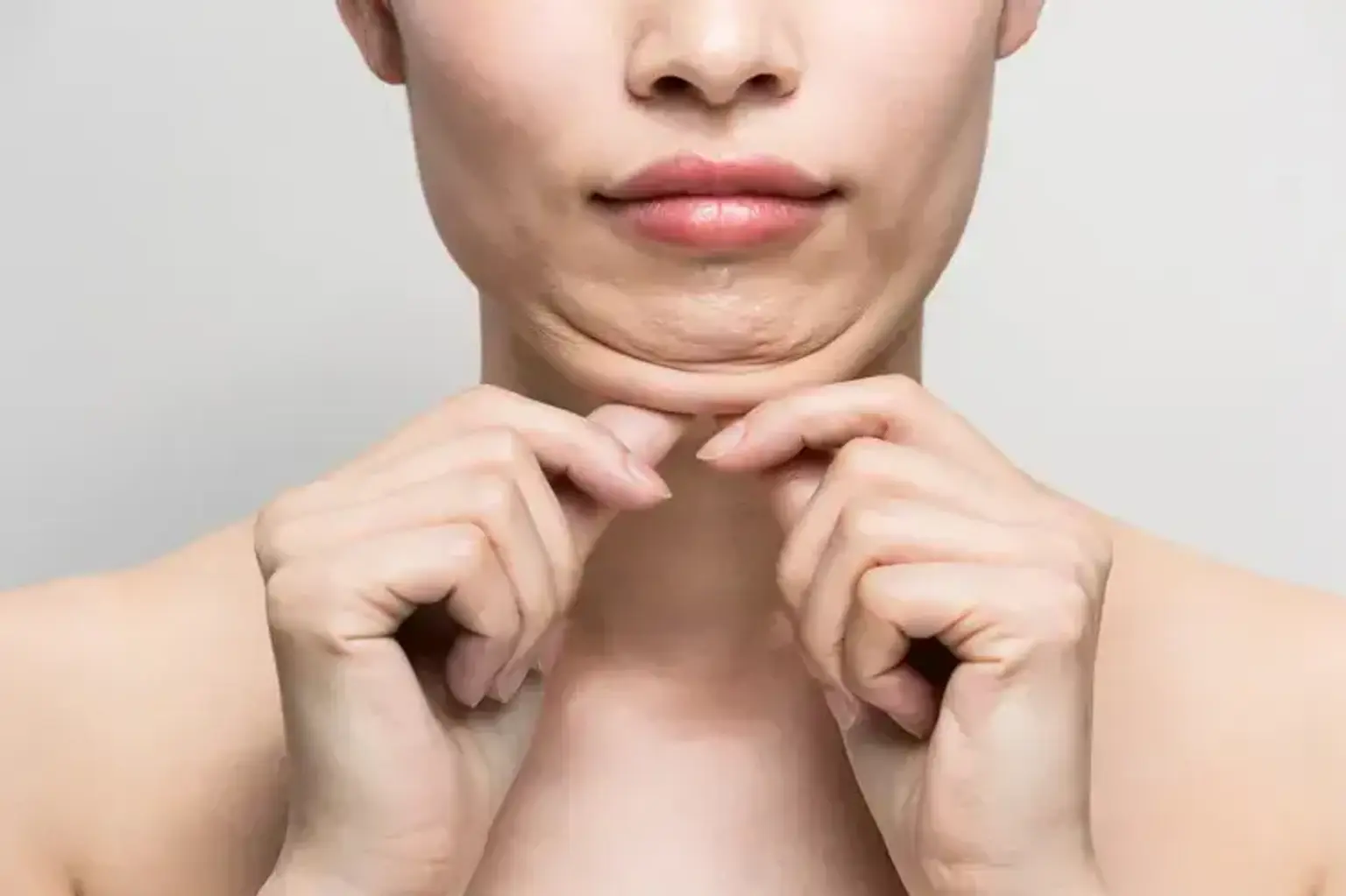
Buccal fat removal works by surgically extracting the specific, encapsulated fat mass from the lower cheek area. A board-certified plastic surgeon makes a small incision, typically 1-2 cm, inside the mouth on the inner cheek lining. This intraoral approach means there are no visible external scars. The surgeon then applies gentle pressure to the outside of the cheek, causing the buccal fat pad to protrude through the incision, where it can be carefully teased out and excised. The amount of fat removed is meticulously judged to achieve the desired contour without creating an overly hollowed appearance.
What are the Key Benefits of Buccal Fat Excision?
what-are-the-key-benefits-of-buccal-fat-excisionThe primary motivation for undergoing buccal fat excision is aesthetic enhancement. The procedure offers several distinct benefits for the right candidate:
Enhanced Facial Contour: Creates a more chiseled, V-line, or heart-shaped facial appearance by reducing lower cheek fullness.
Improved Cheekbone Definition: By slimming the area below the cheekbones zygomatic arch, the procedure makes the cheekbones appear more prominent and sculpted.
Subtle, Natural-Looking Results: When performed by a skilled surgeon, the outcome is a refined facial structure that does not look overtly done.
No Visible Scarring: The intraoral incision ensures that all evidence of the surgery is hidden inside the mouth.
Permanent Results: The fat pads that are removed do not grow back, making the change in facial contour permanent.
Who is a Good Candidate for Buccal Fat Removal?
who-is-a-good-candidate-for-buccal-fat-removalIdeal candidates for buccal fat pad excision are individuals who are bothered by the appearance of full, rounded, or chipmunk cheeks. Candidacy is determined during a thorough consultation with a plastic surgeon, but general criteria include:
Individuals with a stable weight and in good overall health.
Patients with realistic expectations about the outcome of the procedure.
Those with prominent buccal fat pads that contribute to a round facial shape. The procedure is less effective for individuals whose cheek fullness is due to well-developed masseter muscles or overall body weight.
Non-smokers, as smoking can significantly impair healing.
Typically, patients in their 20s to 40s. In older patients, natural facial fat loss can occur, and removing the buccal fat could potentially lead to a gaunt or prematurely aged appearance later in life.
What are the Risks and Long-Term Effects of Buccal Fat Removal?
what-are-the-risks-and-long-term-effects-of-buccal-fat-removalWhile generally safe, buccal fat removal is a surgical procedure and carries potential risks. The most significant long-term consideration is over resection, which can lead to a hollowed or gaunt look as the face naturally loses volume with age.
Asymmetry: Uneven removal of fat from each cheek.
Injury to Salivary Ducts: The parotid duct is near the buccal fat pad and could be injured.
Injury to Facial Nerve Branches: Branches of the facial nerve that control smiling and facial expression are in the vicinity, and injury could lead to temporary or permanent weakness.
Infection: As with any surgical incision, there is a risk of infection.
Hematoma: Collection of blood under the skin.
Dissatisfaction with Results: The outcome may be too subtle or too dramatic for the patient's preference.
What Are the Steps of the Buccal Fat Excision Procedure?
what-are-the-steps-of-the-buccal-fat-excision-procedureThe patient journey follows a clear and structured path from initial consultation to final recovery.
Before the Procedure: Consultation and Preparation
before-the-procedure:-consultation-and-preparationYour journey begins with a detailed consultation. The surgeon will evaluate your facial anatomy, discuss your aesthetic goals, and determine if you are a suitable candidate. They may use 3D imaging to simulate potential results. You will be given pre-operative instructions, which typically include avoiding blood-thinning medications like aspirin and certain anti-inflammatory drugs for two weeks prior to surgery.
During the Procedure: What Happens in the Operating Room
during-the-procedure:-what-happens-in-the-operating-roomBuccal fat excision is a relatively quick procedure, usually completed within 30 to 60 minutes. It is most often performed under local anesthesia with sedation, though general anesthesia may be used in some cases, particularly if combined with other procedures. After making the small incisions inside the mouth, the surgeon will remove the predetermined amount of fat and close the incisions with dissolvable sutures.
Immediately After the Procedure: The Initial Recovery Phase
immediately-after-the-procedure:-the-initial-recovery-phaseYou will be monitored for a short period before being discharged to go home the same day. You can expect some swelling and mild discomfort. Your surgeon may advise you to use a special antiseptic mouthwash and stick to a soft or liquid diet for the first few days to protect the internal incisions.
"The first few days were swollen, like I had my wisdom teeth out, but it was amazing to see my new cheekbones emerge as the swelling went down. The change was subtle but exactly what I wanted." – an anonymous patient, USA.
What is the Recovery Time for Buccal Fat Removal?
what-is-the-recovery-time-for-buccal-fat-removalThe recovery timeline is generally swift compared to more invasive facial surgeries.
First 3-5 Days: This is the period of most significant swelling and mild discomfort. A soft food diet is recommended.
Week 1: Most patients can return to work and light daily activities. The majority of the noticeable swelling subsides, but some residual puffiness remains.
Weeks 2-4: You can typically resume strenuous activities and exercise, per your surgeon's guidance. The internal incisions will be fully healed.
Months 2-3: The final, refined results become fully apparent as all residual swelling resolves and the skin conforms to the new underlying facial structure.
How Long Do Buccal Fat Removal Results Last?
how-long-do-buccal-fat-removal-results-lastThe results of a buccal fat pad excision are considered permanent. The fat cells that are surgically removed from the cheek do not regenerate. However, significant future weight gain can cause remaining facial fat cells to enlarge, which may slightly alter the overall facial appearance. Maintaining a stable weight is the best way to ensure the longevity of your sculpted results.
Recommended Clinics with Relevant Expertise in South Korea
recommended-clinics-with-relevant-expertise-in-south-koreaSouth Korea is globally recognized for its advanced techniques in facial contouring. The following clinics are noted for their expertise in plastic and cosmetic surgery.
Website | Clinic Name | Best Known For | Address | Contact |
|---|---|---|---|---|
Human Plastic Surgery | Specializes in natural-looking rhinoplasty and eye surgery. | Gangnam-gu, Seoul, South Korea | ||
Dite Plastic Surgery | Expertise in facial lifting and anti-aging procedures. | Gangnam-gu, Seoul, South Korea | ||
1mm Plastic Surgery | Known for meticulous detail in rhinoplasty and facial contouring. | Gangnam-gu, Seoul, South Korea | ||
Kowon Plastic Surgery | Focus on revision rhinoplasty and complex nasal reconstruction. | Gangnam-gu, Seoul, South Korea | ||
SoonPlus Plastic Surgery | Popular for eye surgery, canthoplasty, and fat grafting. | Gangnam-gu, Seoul, South Korea | ||
Face Plus Plastic Surgery | Expertise in facial bone surgery and complex contouring cases. | Gangnam-gu, Seoul, South Korea | ||
TJ plastic surgery | Known for body lifting, breast surgery, and customized anti-aging programs. | Gangnam-gu, Seoul, South Korea | ||
Hugo Plastic Surgery | Focus on male plastic surgery and detailed body sculpting procedures. | Gangnam-gu, Seoul, South Korea | ||
Yujin PS & Dermatology | Combined surgical/non-surgical Barbie makeovers | Gangnam-gu, Seoul, South Korea | ||
JK Plastic Surgery Center | High-precision facial bone surgery | Gangnam-gu, Seoul, South Korea | ||
ID Hospital | 3D imaging-guided jaw contouring | Gangnam-gu, Seoul, South Korea |
Recommended Treatment/Procedure Names with Average Costs in South Korea
recommended-treatmentprocedure-names-with-average-costs-in-south-koreaThe cost of plastic surgery in South Korea can vary based on the clinic's reputation, the surgeon's experience, and the complexity of the case. The following table provides estimated ranges for various popular procedures.
Treatment/Procedure Name | Duration | Hospitalization? | Avg. Cost (USD) in S.Korea | Contact |
|---|---|---|---|---|
Full Face Lifting | 3-5 hours | Needed (1 day) | $8,000 - $15,000 | |
SMAS Facelift | 2-4 hours | Needed (1 day) | $7,000 - $12,000 | |
Face Contouring | 1-3 hours | Needed (1 day) | $4,000 - $10,000 | |
Square Jaw Surgery | 2-3 hours | Needed (2 days) | $5,000 - $9,000 | |
Cheekbone Reduction | 1-2 hours | Needed (1 day) | $4,500 - $8,000 | |
Rhinoplasty | 1.5-3 hours | Not Needed | $3,500 - $7,000 | |
Breast Augmentation | 1-2 hours | Needed (1 day) | $6,000 - $12,000 | |
Hip-up Plastic Surgery | 2-3 hours | Needed (1-2 days) | $7,000 - $15,000 | |
Abdominal Liposuction | 1-3 hours | Not Needed | $3,000 - $6,000 | |
Genioplasty (Chin Surgery) | 1-2 hours | Needed (1 day) | $3,000 - $6,000 | |
Upper & Lower Blepharoplasty | 1.5-2 hours | Not Needed | $2,500 - $5,000 | |
Double Eyelid Surgery | 30-60 mins | Not Needed | $1,500 - $3,000 | |
Neck Lift | 2-3 hours | Needed (1 day) | $4,000 - $7,000 | |
Thread Lifting | 30-60 mins | Not Needed | $1,000 - $4,000 |
Frequently Asked Questions (FAQs) about Buccal Fat Pad Excision
frequently-asked-questions-(faqs)-about-buccal-fat-pad-excision1. Does buccal fat removal make you look older?
1.-does-buccal-fat-removal-make-you-look-olderThis is a critical consideration. If too much fat is removed, or if it is performed on a patient with an already thin face, it can lead to a gaunt, hollowed, or prematurely aged appearance over time. This is why careful candidate selection by an experienced surgeon is paramount. The goal is to create a refined contour, not to remove all the fat.
2. Will I have a visible scar from buccal fat removal?
2.-will-i-have-a-visible-scar-from-buccal-fat-removalNo, you will not have any visible scars. The entire procedure is performed through small incisions made on the inside of the cheeks, which heal without any external marks.
3. How soon can I exercise after the procedure?
3.-how-soon-can-i-exercise-after-the-procedureMost surgeons recommend avoiding strenuous activity, including heavy lifting and intense cardio, for at least 2 to 3 weeks. This precaution helps minimize swelling, bruising, and the risk of complications. Light walking is usually permissible after the first few days.
4. Is the buccal fat removal procedure painful?
4.-is-the-buccal-fat-removal-procedure-painfulThe procedure itself is not painful due to the use of local or general anesthesia. Post-operatively, patients typically report mild discomfort, swelling, and a sensation of pressure, which is often compared to the feeling after wisdom tooth extraction. This can be effectively managed with prescribed or over the counter pain medication.
5. Can buccal fat grow back after removal?
5.-can-buccal-fat-grow-back-after-removalNo, the buccal fat pads do not grow back once they have been surgically excised. The results are permanent. However, the size of any remaining facial fat cells can still fluctuate with significant changes in overall body weight.
6. What is the difference between buccal fat removal and facial liposuction?
6.-what-is-the-difference-between-buccal-fat-removal-and-facial-liposuctionBuccal fat removal targets a specific, deep pocket of fat Bichat's pad through an intraoral incision. Facial liposuction uses a cannula to remove more superficial, subcutaneous fat from areas like the jowls or under the chin. The two procedures address different types of fat in different facial compartments and are often used to achieve distinct contouring goals.
Define Your Features: Begin Your Confidential Consultation Today!
define-your-features:-begin-your-confidential-consultationRefining your facial profile is a big step, and success starts with expert guidance and a personalized plan. By inquiring through CloudHospital medical tourism platform, you access top surgeons and a seamless process. A dedicated Care Manager supports you from consultation to recovery. Start Your Confidential Inquiry and receive a personalized treatment plan from leading specialists in South Korea.