
The clinical information regarding Canker Sores on the Tongue in this article has been rigorously verified against the latest guidelines from the American Dental Association (ADA) and primary research from databases like PubMed. This piece was reviewed for accuracy and patient centric clarity and was last updated in May 2024.
Introduction
introductionA sudden, sharp pain on your tongue reveals a small, dreaded ulcer. This common nuisance, known as a canker sore, can make talking, eating, and drinking a painful ordeal. While they are typically harmless and resolve on their own, their recurrence and discomfort drive many to seek answers. An estimated 20% of the general population experiences recurrent canker sores, making them one of the most frequent oral health complaints. This guide offers a comprehensive overview of canker sores on the tongue, providing clear, authoritative information for those seeking to understand their causes and find effective relief.
What Are Canker Sores on the Tongue?
what-are-canker-sores-on-the-tongue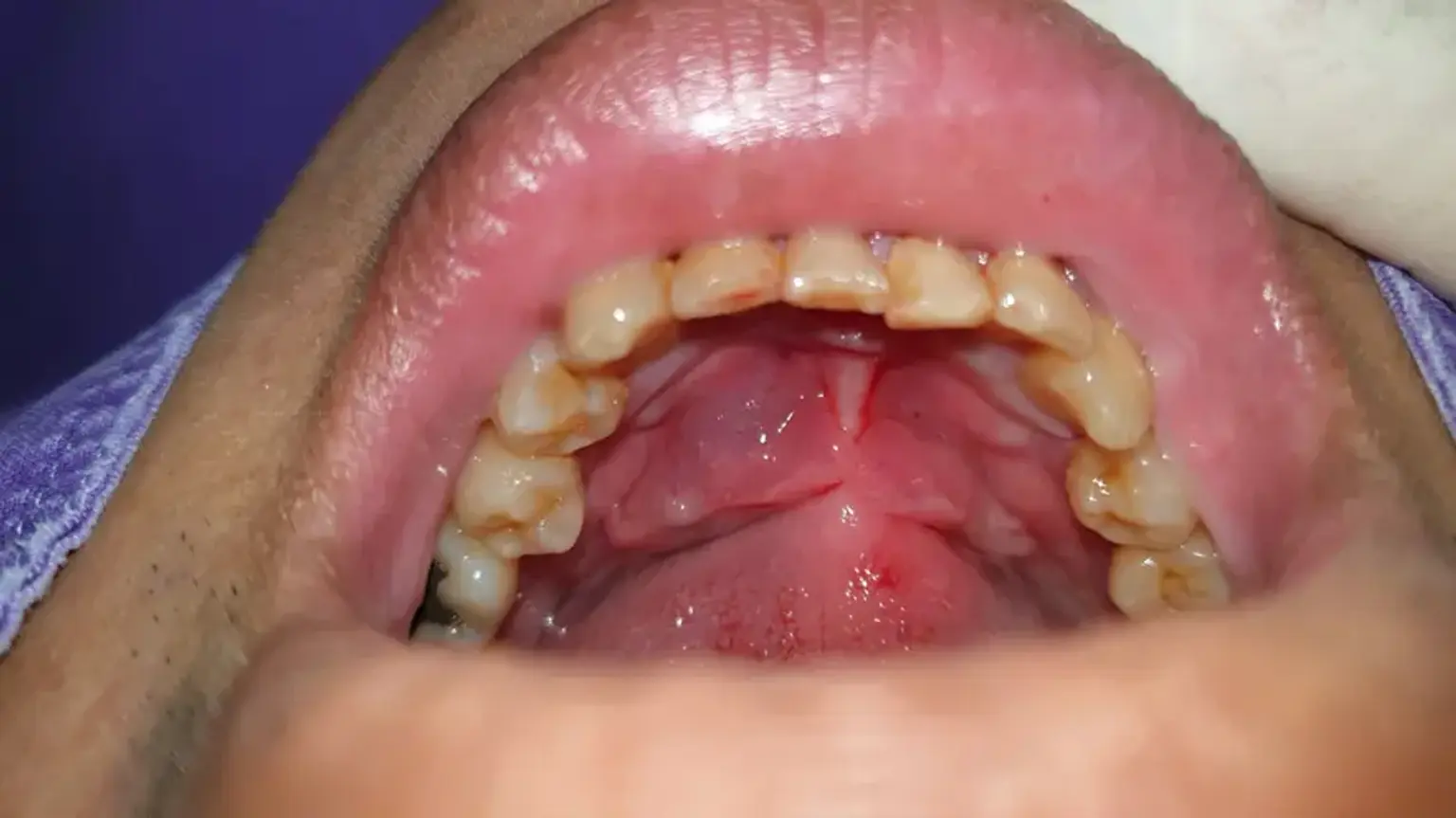
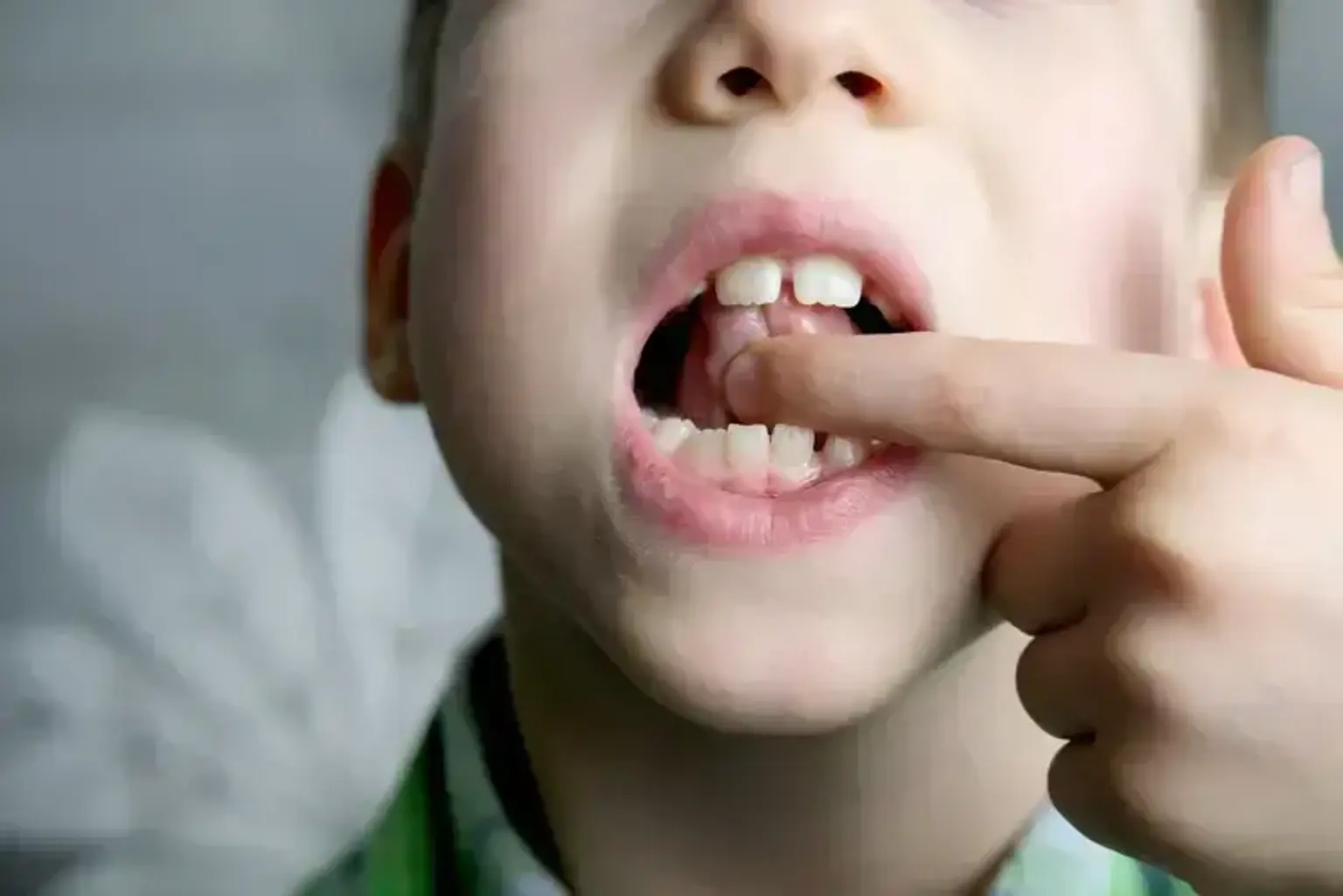
A canker sore on the tongue is a small, shallow ulcer, medically known as an aphthous ulcer or recurrent aphthous stomatitis (RAS). These sores develop on the soft tissues inside the mouth, such as the tongue, inside of the cheeks, or at the base of the gums. Unlike cold sores, which are caused by the herpes simplex virus and appear on the outside of the lips, canker sores are not contagious. They typically appear as a round or oval shaped white or yellowish spot with a red, inflamed border.
There are three main types of canker sores:
Minor aphthous ulcers: The most common type, these are small, heal within one to two weeks, and leave no scar.
Major aphthous ulcers: These are larger, deeper, and more painful. They can take up to six weeks to heal and may leave a scar.
Herpetiform ulcers: This is a rare form where dozens of tiny, pinhead sized sores cluster together, sometimes merging into one large ulcer. Despite the name, they are not related to the herpes virus.
What Causes Canker Sores to Appear on the Tongue?
what-causes-canker-sores-to-appear-on-the-tongueThe exact cause of canker sores remains unclear, but they are believed to be multifactorial, with several triggers and risk factors contributing to their development. A person's immune system response plays a central role.
Common triggers and contributing factors include:
Minor Oral Trauma: Accidental cheek or tongue bites, irritation from sharp foods, dental appliances like braces, or aggressive tooth brushing.
Food Sensitivities: Certain foods may trigger outbreaks in sensitive individuals, including acidic or spicy foods, chocolate, coffee, strawberries, eggs, nuts, and cheese.
Nutritional Deficiencies: A lack of essential vitamins and minerals, particularly vitamin B-12, zinc, folic acid, and iron, has been linked to canker sores.
Hormonal Fluctuations: Some women experience canker sores in correlation with their menstrual cycle.
Stress: Periods of high emotional or psychological stress are a well documented trigger for many people.
Harsh Oral Products: Toothpastes and mouth rinses containing the foaming agent sodium lauryl sulfate (SLS) can provoke canker sores in susceptible individuals.
Underlying Health Conditions: Recurrent, severe, or numerous canker sores can sometimes be a manifestation of a more significant health issue, such as Celiac disease, Crohn's disease, Behçet's disease, or immune system disorders like HIV/AIDS.
What Are the Symptoms and Signs of Tongue Canker Sores?
what-are-the-symptoms-and-signs-of-tongue-canker-soresThe primary symptom of a canker sore is a localized, distinct pain, which can feel disproportionately severe for the size of the lesion, especially when aggravated by food or drink.
Key signs and symptoms include:
A round or oval shaped sore, typically with a white or yellow center and a red border.
A tingling or burning sensation on the tongue 24-48 hours before the sore appears.
Sharp, localized pain, especially when eating, drinking, or talking.
In severe cases, you may also experience fever, swollen lymph nodes, and a general feeling of being unwell.
"The pain was so sharp and constant. Every time my tongue moved to talk or eat, it was a fresh jolt of agony. You feel completely miserable until that tiny little spot finally starts to heal." – an anonymous patient, USA.
How Are Canker Sores on the Tongue Diagnosed?
how-are-canker-sores-on-the-tongue-diagnosedA dentist or doctor can typically diagnose a canker sore based on a simple visual examination of the ulcer and a review of your medical history. No specific testing is usually required for simple, occasional canker sores.
However, if you experience frequent, large, or non healing ulcers, your doctor may recommend further investigation to rule out other conditions. This could involve:
Blood Tests: To check for nutritional deficiencies or signs of systemic inflammation.
Biopsy: In rare cases where a sore is unusually large, persistent, or has an irregular shape, a small tissue sample may be taken for laboratory analysis to rule out oral cancer or other conditions like lichen planus.
What are the Best Treatments for Canker Sores on the Tongue?
what-are-the-best-treatments-for-canker-sores-on-the-tongueWhile most minor canker sores heal on their own, treatment focuses on relieving pain, reducing inflammation, and accelerating the healing process.
Topical Anesthetics: Over the counter gels, pastes, or liquids containing agents like benzocaine or lidocaine can be applied directly to the sore to numb the area and provide temporary pain relief.
Antimicrobial Mouth Rinses: Medicated rinses can help reduce the bacterial load around the ulcer, preventing secondary infection and promoting a cleaner healing environment.
Corticosteroid Preparations: For more severe or persistent sores, a dentist may prescribe a topical corticosteroid paste or gel to reduce inflammation directly at the site.
Laser Therapy: Some dental clinics offer low level laser therapy, which can provide immediate pain relief and significantly speed up the healing time of a canker sore.
Addressing Underlying Causes: If a nutritional deficiency is identified, supplements will be recommended. If a trigger like an SLS containing toothpaste is suspected, switching to an SLS free alternative is a simple and effective management strategy.
When Should I See a Dentist for a Tongue Canker Sore?
when-should-i-see-a-dentist-for-a-tongue-canker-soreYou should consult a dentist or physician if you experience any of the following:
Unusually large canker sores.
Sores that last for three weeks or longer.
Frequent new sores developing before old ones heal.
Extreme pain that cannot be managed with over the counter remedies.
Sores that extend to the outer border of the lips.
Accompanying symptoms like high fever or rash.
Recommended Clinics with Relevant Expertise in South Korea
recommended-clinics-with-relevant-expertise-in-south-koreaSouth Korea is home to advanced dental hospitals staffed by specialists capable of diagnosing and managing a wide range of oral conditions, from common ulcers to complex surgical needs.
Website | Clinic Name | Best Known For | Address | Contact |
|---|---|---|---|---|
OnO Dental Clinic | Implants, Prosthodontics, General Oral Health | Gangnam-gu, Seoul, South Korea | ||
Ye-on Dental Clinic | Implants, Orthodontics, Cosmetic Dentistry | Namdong-gu, Incheon, South Korea | ||
S-PLANT Dental Hospital | Dental Implants, Navigation Surgery | Gangnam-gu, Seoul, South Korea | ||
Miju Dental Clinic | Implants, Orthodontics, General Dentistry | Busanjin-gu, Busan, South Korea | ||
Su Dental Hospital | Two-Jaw Surgery, Facial Contouring, Implants | Gangnam-gu, Seoul, South Korea | ||
Columbia Dental Hospital | Implants, Orthodontics, General Dentistry | Suwon-si, Gyeonggi-do, South Korea | ||
Dasan Barun Dental Clinic | Orthodontics, General Dentistry | Namyangju-si, Gyeonggi-do, South Korea | ||
Yonsei Hana Dental Clinic | Implants, Orthodontics, General Dentistry | Gyeonggi-do,Seoul, South Korea |
Recommended Treatment/Procedure Names with Average Costs in South Korea
recommended-treatmentprocedure-names-with-average-costs-in-south-koreaWhile direct treatment for a canker sore is low-cost, the clinics listed offer a full spectrum of advanced dental care. Investigating underlying dental issues, such as poorly fitting orthodontics that may cause trauma, is a key part of comprehensive care.
Treatment/Procedure Name | Treatment Duration | Hospitalization? | Avg Cost Range (USD) in S. Korea | Contact |
|---|---|---|---|---|
Same-Day Implant | 2-4 hours | Not Needed | $3,000 - $5,000 | |
Denture Implant | 2-3 visits | Not Needed | $4,000 - $8,000 | |
Conscious Sedation Implant | 1-3 hours | Not Needed | $1,500 - $3,500 | |
Computerized Analysis Implant | 1-2 hours | Not Needed | $1,300 - $3,000 | |
Systemic Disease Implant | 1-3 hours | Not Needed | $1,500 - $4,000 | |
HERI Implants | 1-2 hours | Not Needed | $1,200 - $2,800 | |
Dentium Superline Fixture Implant | 1-2 hours | Not Needed | $1,100 - $2,500 | |
Dental Implant Surgery | 1-2 hours | Not Needed | $1,000 - $2,500 | |
Health Insurance Implant | 2-3 visits | Not Needed | $4,000 - $15,000 | |
Bone Grafting | 1-2 hours | Not Needed | $400 - $1,200 | |
Gingival Flap Surgery | 1-2 hours | Not Needed | $500 - $1,500 | |
Temporomandibular Joint (TMJ) Treatment | 2-4 visits | Not Needed | $500 - $3,000 | |
Invisalign Braces | 12-18 months | Not Needed | $4,000 - $8,000 | |
Clippy-C Braces | 18-24 months | Not Needed | $3,500 - $7,000 | |
Pediatric/Adolescent Orthodontics | 1-3 years | Not Needed | $3,000 - $7,000 | |
Orthodontic Treatment | 1-3 years | Not Needed | $3,000 - $8,000 | |
Open Bite Treatment | 18-36 months | Not Needed | $5,000 - $9,000 | |
Protruding Mouth Correction | 18-36 months | Not Needed | $5,000 - $9,000 | |
Dental Crowding Treatment | 12-30 months | Not Needed | $3,500 - $7,500 | |
Prognathism Treatment | 18-36 months | Not Needed | $6,000 - $15,000 | |
Zirconia Crowns | 2 hours | Not Needed | $700 - $1,200 | |
E-MAX All-Ceramic Crowns | 2 hours | Not Needed | $800 - $1,400 | |
PFM (Porcelain-Fused-to-Metal) Crowns | 2 hours | Not Needed | $500 - $900 | |
Laminates (Porcelain Veneers) | 2-3 visits | Not Needed | $800 - $1,500 | |
No-Prep Laminates | 1-2 visits | Not Needed | $900 - $1,600 | |
Gum Treatments | 30-60 mins | Not Needed | $150 - $500 | |
Gum Contouring | 1-2 hours | Not Needed | $300 - $1,000 | |
Resin-Based Composites | 30-60 mins | Not Needed | $150 - $400 | |
Root Canal Treatment | 2-3hours | Not Needed | $500 - $1,200 | |
Cavity & Root Canal Treatment | 1-2 visits | Not Needed | $600 - $1,500 | |
Dentures | 3-5 visits | Not Needed | $1,000 - $4,000 | |
Professional Teeth Whitening | 1-1.5 hours | Not Needed | $300 - $800 |
What Are Common Questions About Canker Sores on the Tongue?
what-are-common-questions-about-canker-sores-on-the-tongueThis section addresses the most common practical questions patients have about this condition.
1. How can I get rid of a canker sore on my tongue fast?
1.-how-can-i-get-rid-of-a-canker-sore-on-my-tongue-fastTo speed up healing, rinse your mouth with a warm saltwater solution, avoid spicy and acidic foods, and apply an over the counter topical anesthetic gel for pain. For the fastest relief, ask your dentist about low level laser therapy, which can significantly accelerate recovery.
2. Are canker sores on the tongue a sign of cancer?
2.-are-canker-sores-on-the-tongue-a-sign-of-cancerIt is extremely rare for a lesion that looks and behaves like a typical canker sore to be cancerous. However, any mouth sore that persists for more than three weeks, is unusually large, has irregular borders, or is painless should be evaluated by a dentist to rule out oral cancer.
3. Are canker sores on the tongue contagious?
3.-are-canker-sores-on-the-tongue-contagiousNo, canker sores are not contagious. They cannot be spread through kissing, sharing utensils, or any other form of contact. This is a key difference from cold sores, which are caused by a highly contagious virus.
4. Can certain foods trigger canker sores on the tongue?
4.-can-certain-foods-trigger-canker-sores-on-the-tongueYes, for some individuals, specific foods can act as a trigger. Common culprits include citrus fruits, tomatoes, spicy foods, chocolate, and coffee. Keeping a food diary when you have a sore can help identify potential personal triggers.
Find Relief from Painful Mouth Sores: Get Your Expert Consultation Now!
find-relief-from-painful-mouth-sores:-get-your-expert-consultationLiving with recurrent or painful oral ulcers can be debilitating. You do not have to endure the discomfort alone. The first step toward effective management and lasting relief is a professional diagnosis to identify your specific triggers and rule out any underlying conditions. The world-class dental clinics in South Korea are equipped with the latest diagnostic tools and treatment modalities to help you. For a seamless and transparent process, CloudHospital can support you from your initial inquiry to your post-treatment care. And Start Your Confidential Inquiry to receive a personalized treatment plan and begin your journey toward better oral health today.