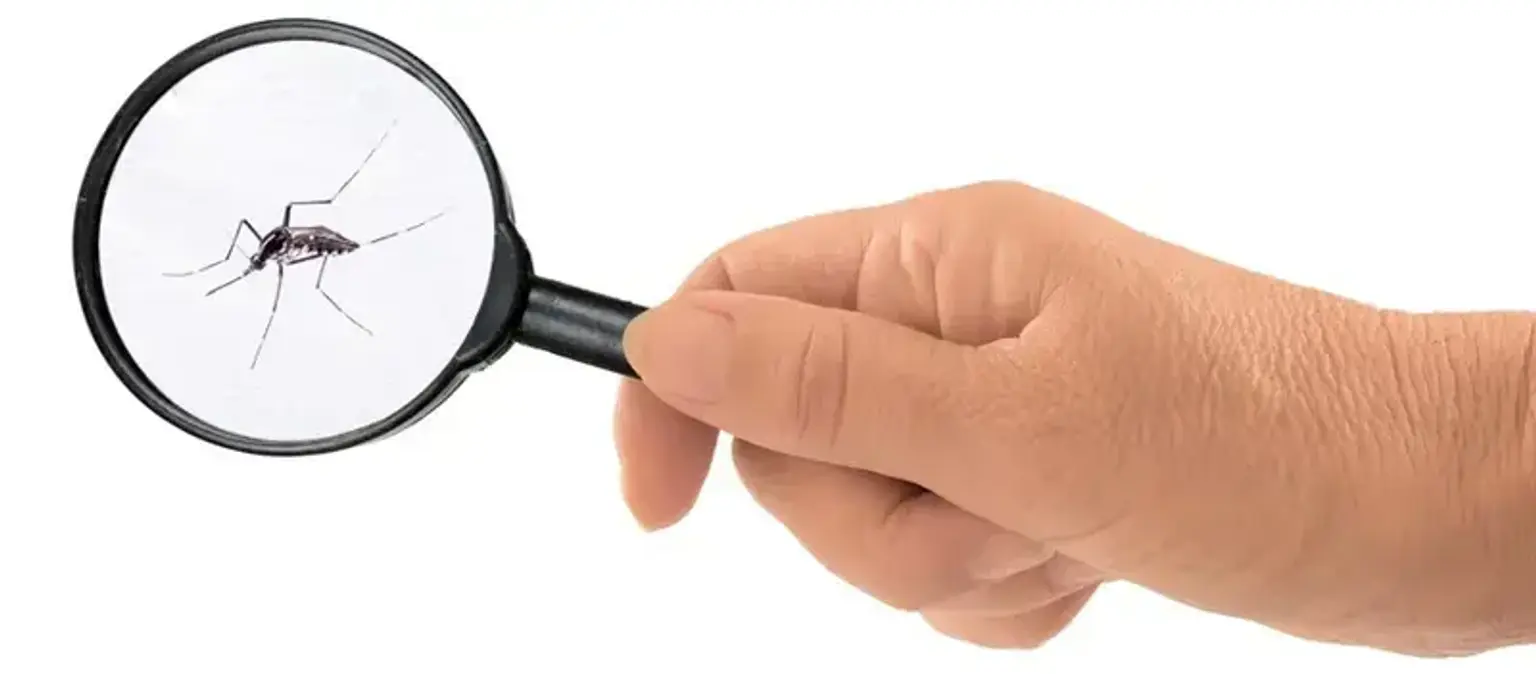


The clinical information regarding Dengue Fever in this article has been rigorously verified against the latest guidelines from the World Health Organization (WHO) and primary research from databases like PubMed. This piece was reviewed for accuracy and patient-centric clarity and was last updated in October 2023 based on the most recent comprehensive WHO data publications.
Introduction
introductionDengue fever is a mosquito borne viral infection rapidly spreading to new regions globally. Once considered a disease confined to tropical and sub-tropical climates, its footprint is expanding, posing a risk to nearly half the world's population. Understanding this complex illness is the first step toward protection and effective management. This guide provides a comprehensive overview of dengue fever, from initial symptoms to advanced treatment and prevention strategies.
What is Dengue Fever?
what-is-dengue-fever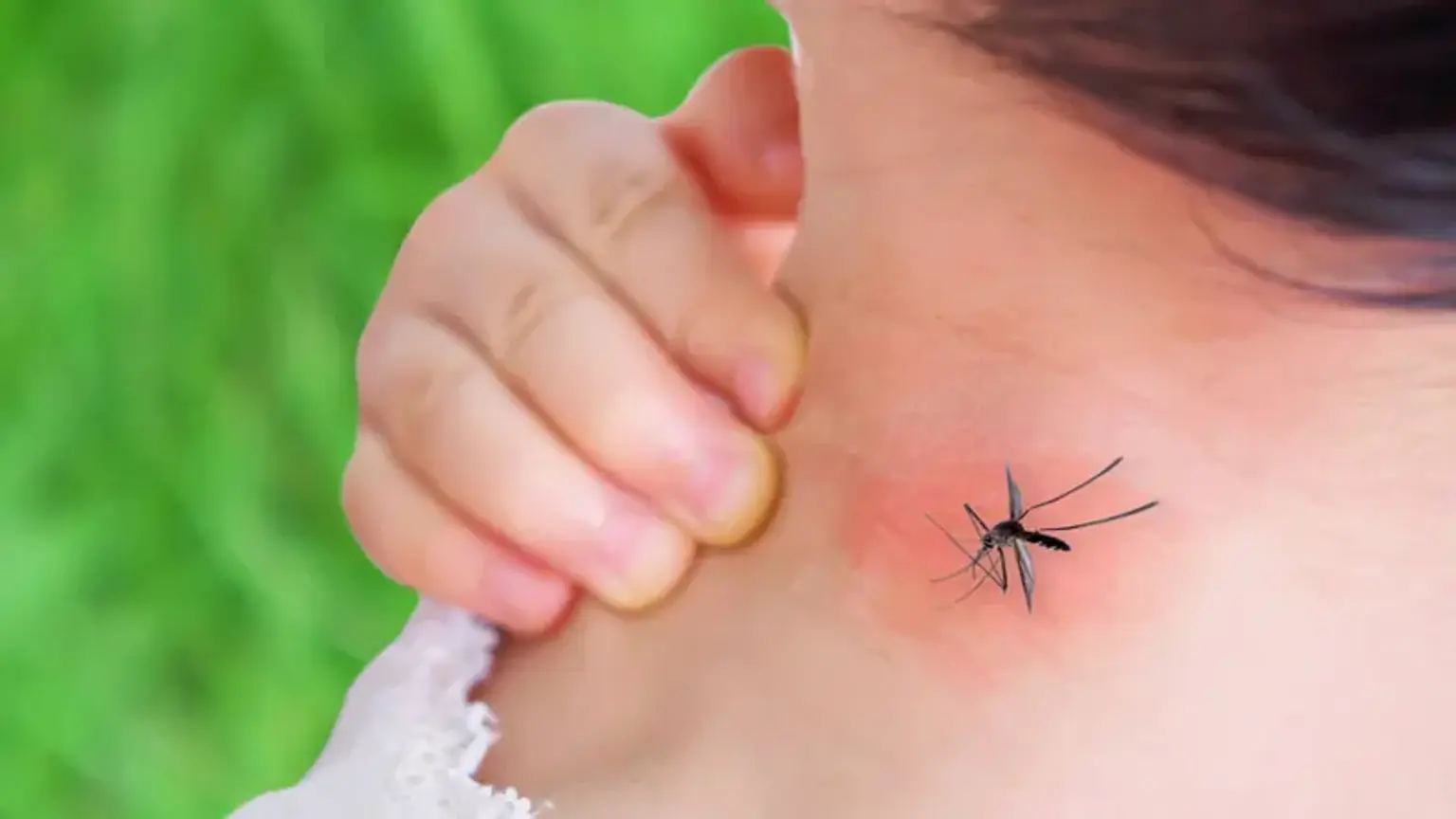
Dengue fever is caused by the dengue virus (DENV), a member of the flavivirus family. It is transmitted to humans primarily through the bite of an infected female Aedes aegypti mosquito, and to a lesser extent, the Aedes albopictus mosquito. These mosquitoes are most active during the day. There are four distinct, but closely related, serotypes of the virus that cause dengue (DENV-1, DENV-2, DENV-3, and DENV-4). Recovery from infection by one serotype provides lifelong immunity against that specific serotype but only temporary and partial immunity against the others. Subsequent infections with a different serotype increase the risk of developing severe dengue.
What are the Four Phases of Dengue Fever?
what-are-the-four-phases-of-dengue-feverThe clinical course of dengue typically follows a pattern that can be divided into three, not four, distinct phases. Understanding these phases is critical for patients and healthcare providers to monitor for warning signs and intervene appropriately.
Febrile Phase (Days 1-7): This phase begins abruptly after an incubation period of 4-10 days. It is characterized by a high fever (40°C/104°F), often accompanied by a severe headache, pain behind the eyes, muscle and joint pains, nausea, vomiting, swollen glands, and a rash. This phase typically lasts 2-7 days.
Critical Phase (Around Days 3-7): As the fever subsides, a small proportion of patients enter this phase. This is the period when warning signs of severe dengue appear. The primary issue is a sudden increase in capillary permeability, leading to plasma leakage. Fluid from the bloodstream leaks into the chest and abdominal cavities. This can lead to circulatory shock dengue shock syndrome and organ impairment if not managed promptly. Severe bleeding and a rapid drop in platelet count thrombocytopenia are hallmark features of this phase.
Recovery Phase (Following the Critical Phase): Patients who navigate the critical phase without progressing to shock enter the recovery phase. There is a gradual reabsorption of the leaked fluid back into the bloodstream. The general well-being of the patient improves, appetite returns, and the rash may reappear. Heart rate can be slow bradycardia, and some patients may experience extreme fatigue that can last for weeks.
What are the Warning Signs of Severe Dengue?
what-are-the-warning-signs-of-severe-dengueRecognizing the warning signs that herald the transition to the critical phase is the most crucial aspect of managing dengue. These signs typically appear 3-7 days after the first symptoms, often as the fever begins to drop. Seek immediate medical attention if any of the following are present:
Severe abdominal pain or tenderness
Persistent vomiting at least 3 times in 24 hours
Bleeding from the nose or gums
Vomiting blood or blood in the stool
Feeling tired, restless, or irritable
Rapid breathing
Cold or clammy skin
Plasma leakage evidenced by fluid accumulation (pleural effusion, ascites)
Severe dengue is a medical emergency requiring immediate hospitalization and expert care to manage fluid levels and prevent shock.
How is Dengue Fever Diagnosed?
how-is-dengue-fever-diagnosedDiagnosing dengue fever involves a combination of clinical assessment and laboratory tests. A doctor will suspect dengue based on symptoms, especially if the patient lives in or has recently traveled to an area where dengue is common.
Virological Tests: These tests detect components of the virus itself. The NS1 antigen test is most effective in the early febrile phase first 7 days and provides a rapid diagnosis. Polymerase chain reaction (PCR) can also detect viral RNA.
Serological Tests: These tests detect antibodies (IgM and IgG) produced by the immune system in response to the virus. IgM antibodies appear around day 4-5 of illness and can indicate a recent infection. IgG antibodies appear later and can signify a past infection.
A Complete Blood Count (CBC) is also essential to monitor platelet levels and check for hemoconcentration an increase in red blood cell count, which is a sign of plasma leakage.
What are the Treatment Options for Dengue Fever?
what-are-the-treatment-options-for-dengue-feverThere is no specific antiviral medication for dengue fever. Treatment is entirely supportive and focuses on managing symptoms and preventing complications.
Mild Dengue: For most cases, dengue can be managed at home with rest, ample fluid intake to prevent dehydration, and acetaminophen paracetamol to control fever and pain. It is critical to avoid non-steroidal anti inflammatory drugs (NSAIDs) like ibuprofen and aspirin, as they can increase the risk of bleeding.
Severe Dengue: This requires hospitalization for close monitoring and management. The cornerstone of treatment is careful intravenous (IV) fluid therapy to correct dehydration and plasma leakage without causing fluid overload. Vital signs and platelet counts are monitored continuously. In the most severe cases of dengue hemorrhagic fever or dengue shock syndrome, blood transfusions may be necessary.
"The joint pain was like nothing I'd ever felt. Every bone in my body ached, and the fever was relentless. Getting the diagnosis was a relief because it meant we could start watching for the warning signs my doctor explained. That vigilance made all the difference when I started feeling worse as the fever broke." – An anonymous patient, Thailand.
How Long Does Recovery from Dengue Fever Take?
how-long-does-recovery-from-dengue-fever-takeFor uncomplicated dengue fever, most people start to feel better within about a week, although the recovery phase can be marked by significant fatigue that lasts for several more weeks. For patients who experience severe dengue, the hospital stay can range from several days to over a week, depending on the severity of complications. Full recovery, including regaining strength and energy, can take a month or longer.
How Can You Prevent Dengue Fever When Traveling?
how-can-you-prevent-dengue-fever-when-travelingPrevention is the most effective strategy against dengue. Since the Aedes mosquito is a daytime biter, protective measures must be taken throughout the day.
Use Insect Repellent: Apply repellents containing DEET, picaridin, or oil of lemon eucalyptus to exposed skin.
Wear Protective Clothing: Opt for long sleeved shirts, long pants, socks, and shoes, especially during peak mosquito hours early morning and late afternoon.
Stay in Air-Conditioned or Screened Housing: Ensure window and door screens are secure and without holes. Use a mosquito net if sleeping areas are exposed to the outdoors.
Eliminate Mosquito Breeding Sites: The Aedes mosquito breeds in standing water. Empty and clean containers like flowerpots, buckets, and pet water dishes regularly.
Recommended Clinics with Relevant Expertise in South Korea
recommended-clinics-with-relevant-expertise-in-south-koreaWhile South Korea is not a dengue-endemic country, its world-class hospitals are fully equipped to diagnose and manage imported cases of tropical and infectious diseases with advanced supportive care.
Website | Clinic Name | Best Known For | Address | Contact |
|---|---|---|---|---|
Sangdo Woori Internal Medicine | Global and Internal Medicine, Health Checkups, Chronic Diseases | Dongjak-gu, Seoul, South Korea | ||
Asan Medical Center | Cancer, Organ Transplantation, Cardiology | Songpa-gu, Seoul, South Korea | ||
Samsung Medical Center | Cancer, Heart Disease, Organ Transplantation | Gangnam-gu, Seoul, South Korea | ||
Gangnam Severance Hospital | Cancer, Spine, Robotic Surgery | Gangnam-gu, Seoul, South Korea | ||
Seoul St. Mary's Hospital | Organ and Stem Cell Transplantation, Cancer | Seocho-gu, Seoul, South Korea | ||
Kangbuk Samsung Hospital | Comprehensive Health Screening, Diabetes, Thyroid Center | Jongno-gu, Seoul, South Korea | ||
Ajou University Hospital | Trauma Care, Cancer, Cardiovascular Disease | Yeongtong-gu, Gyeonggi-do, South Korea | ||
Seoul Miz Hospital | Obstetrics, Gynecology, Infertility | Gangdong-gu, Seoul, South Korea |
Associated Diagnostics & Supportive Care Costs in South Korea
associated-diagnostics-and-supportive-care-costs-in-south-koreaTreatment for dengue is supportive. The following table outlines the typical diagnostics and care involved in managing a case of dengue fever in a South Korean medical facility.
Treatment/Procedure Name | Duration | Hospitalization? | Avg. Cost (USD) in S. Korea? | Contact |
|---|---|---|---|---|
Dengue Diagnostic Panel (NS1, IgM/IgG) | 1 hour | Not Needed | $150 - $300 | |
Complete Blood Count (CBC) Monitoring | 1 hour | Not Needed | $50 - $150 | |
Supportive IV Therapy | 2-6 hours | Needed | $300 - $800 | |
Inpatient Hospital Monitoring (Severe Dengue) | 3-7 days | Needed | $1,000 - $3,500 |
What Are Common Questions About Dengue Fever?
what-are-common-questions-about-dengue-feverThis section addresses practical questions patients often have about dengue.
1. What is the first symptom of dengue?
1.-what-is-the-first-symptom-of-dengueThe most common first symptom is the sudden onset of a high fever, typically reaching 40°C (104°F). This is often accompanied by a severe headache and general malaise.
2. Is there a vaccine for dengue fever?
2.-is-there-a-vaccine-for-dengue-feverYes, a vaccine called Qdenga (TAK-003) has been approved in several countries. It is recommended for individuals living in dengue endemic areas. Another vaccine, Dengvaxia, is available but is only recommended for people who have had a previous dengue infection. Consult a healthcare provider to determine if a vaccine is appropriate for you.
3. Can dengue fever cause long-term problems?
3.-can-dengue-fever-cause-long-term-problemsFor most people, dengue does not cause long-term issues. However, the recovery period can be prolonged, with significant fatigue lasting for weeks or even months. In rare cases, severe dengue can cause damage to organs like the liver and heart, which may have lasting consequences. Some studies are also exploring a potential link to chronic fatigue syndrome.
4. Can you get dengue more than once?
4.-can-you-get-dengue-more-than-onceYes. There are four different serotypes of the dengue virus. Infection with one serotype provides lifelong immunity to that specific type, but not to the other three. A second infection with a different serotype significantly increases the risk of developing severe dengue.
5. Is dengue contagious from person to person?
5.-is-dengue-contagious-from-person-to-personNo, dengue cannot be spread directly from one person to another. It is transmitted only through the bite of an infected Aedes mosquito. The mosquito becomes infected when it bites a person who has the dengue virus in their blood.
6. What foods should be avoided during dengue?
6.-what-foods-should-be-avoided-during-dengueDuring a dengue infection, it is advisable to avoid oily, fried, and spicy foods that can be hard to digest and may worsen nausea. It is also critical to avoid alcohol, which can increase dehydration and potentially affect liver function.
7. Why do platelets drop in dengue?
7.-why-do-platelets-drop-in-dengueThe dengue virus can suppress the bone marrow, which is where platelets are produced. It can also cause the immune system to create antibodies that destroy platelets. This combination leads to thrombocytopenia, a low platelet count, which increases the risk of bleeding.
Take Control of Your Health: Get Expert Guidance Now!
take-control-of-your-health:-get-expert-guidance-nowWhether you are planning travel to a high-risk area or are concerned about symptoms after a trip, getting timely and accurate medical advice is paramount. The uncertainty of a serious infection can be overwhelming, but you do not have to navigate it alone. By inquiring through a trusted medical partner, you gain access to world-class infectious disease specialists in South Korea. The process is seamless and transparent, with a dedicated Care Manager to support you from your initial inquiry through CloudHospital to your recovery. And Start Your Confidential Inquiry. to receive a personalized assessment and connect with the right medical experts today.