

The clinical information regarding Effective Facial Contouring in this article has been rigorously verified against the latest guidelines from the American Society of Plastic Surgeons (ASPS) and primary research from databases like PubMed. This piece was reviewed for accuracy and patient-centric clarity and was last updated in October 2023.
Introduction
introductionFacial contouring refers to a collection of surgical and non-surgical procedures designed to enhance the structural harmony of the face. The primary goal is to reshape and refine features to create a more balanced and aesthetically pleasing profile. As a cornerstone of the Plastic Surgery department, these procedures address the underlying bone, fat, and soft tissue to achieve lasting and significant results. This guide provides a detailed examination of facial contouring, offering critical information for individuals considering these transformative procedures.
What is Facial Contouring and How Does It Work?
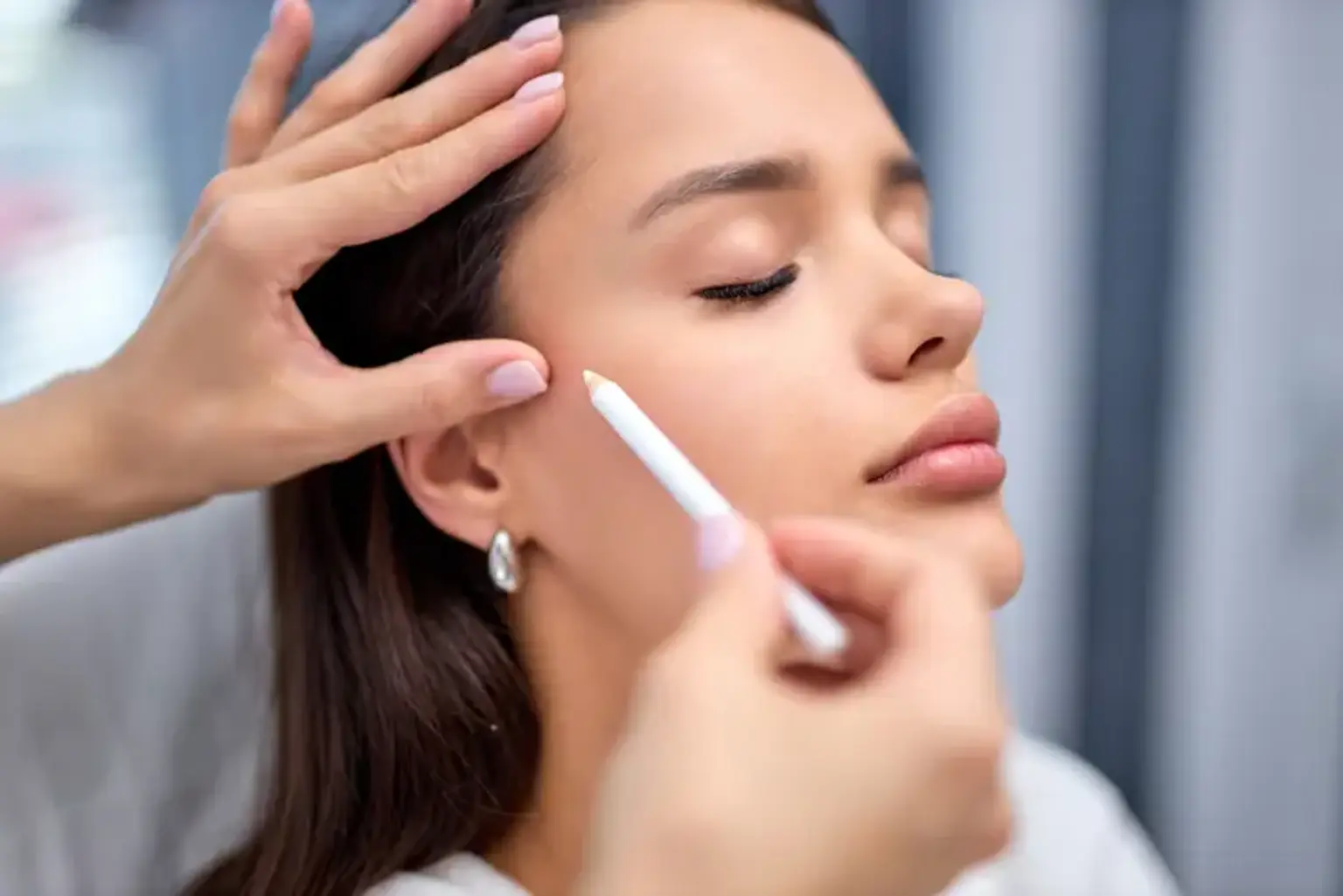
what-is-facial-contouring-and-how-does-it-workFacial contouring works by altering the foundational structures of the face to change its overall shape and proportions. The specific mechanism depends entirely on the chosen procedure, which can range from major bone surgery to minimally invasive injectables.
Surgical Contouring: This approach involves surgically modifying the facial skeleton. Procedures like V-line surgery reshape the mandible lower jaw and chin, while Zygoma reduction cheekbone reduction narrows the midface width. These techniques require incisions, general anesthesia, and direct manipulation of bone tissue for a permanent change in facial structure.
Soft Tissue Contouring: Procedures like a facelift or neck lift address sagging skin and muscle, repositioning soft tissues to a more youthful position. Liposuction can be used to remove localized fat deposits from areas like the jowls or under the chin.
Non-Surgical & Minimally Invasive Contouring: This category uses less invasive methods for subtle refinement. Thread lifts use biocompatible sutures to physically lift sagging tissue. Injectables like dermal fillers can add volume to cheeks or the chin, while neurotoxins like Botulinum toxin can relax the masseter muscle to slim the lower face.
What are the Key Benefits of Facial Contouring?
what-are-the-key-benefits-of-facial-contouringThe primary benefits of facial contouring center on improving facial balance and achieving a patient's desired aesthetic. When performed by a skilled, board-certified plastic surgeon, the results can be profoundly positive.
Improved Facial Harmony: Creates better balance between the forehead, midface, and lower third of the face.
Enhanced Definition: Sculpts a more defined jawline, chin, and cheekbones.
Feminization or Masculinization: Can be used to create softer, more feminine facial lines or a stronger, more angular masculine appearance.
Youthful Appearance: Restores volume and lifts sagging tissues associated with aging.
Correction of Asymmetry: Addresses congenital or post-traumatic facial imbalances.
Increased Self-Confidence: Aligning a person's external appearance with their self-perception often leads to a significant boost in confidence.
Who is a Good Candidate for Facial Contouring?
who-is-a-good-candidate-for-facial-contouringAn ideal candidate for facial contouring is an individual who seeks to improve the shape and balance of their facial features and has clear, realistic expectations. General candidacy criteria include:
Specific Anatomical Concerns: Individuals with a wide or square jaw, prominent or flat cheekbones, a weak chin, or age-related soft tissue laxity.
Good Physical Health: Candidates must be free from medical conditions that could impair healing or increase surgical risk. A thorough medical evaluation is mandatory.
Non-Smokers: Smoking severely compromises blood flow and can lead to poor wound healing, tissue death, and higher infection rates.
Realistic Expectations: Patients must understand the potential outcomes, limitations, and risks of the procedures. The goal is improvement, not perfection.
Psychological Stability: A patient should be pursuing surgery for their own personal satisfaction, not due to pressure from others.
What are the Steps of the Facial Contouring Procedure?
what-are-the-steps-of-the-facial-contouring-procedureThe patient journey for surgical facial contouring is a multi-stage process that prioritizes safety and optimal outcomes.
Before the Procedure: Consultation and Preparation
before-the-procedure:-consultation-and-preparationThis phase is critical for planning. It involves an in-depth consultation with a board-certified plastic surgeon. You will discuss your aesthetic goals, and the surgeon will evaluate your facial anatomy, bone structure, and skin quality. A 3D CT scan is often performed for bone surgeries to allow for precise surgical planning. You will be given pre-operative instructions, which typically include stopping certain medications like blood thinners and abstaining from alcohol and tobacco for several weeks before surgery.
During the Procedure: What Happens in the Operating Room
during-the-procedure:-what-happens-in-the-operating-roomSurgical facial contouring is performed under general anesthesia, administered by a board-certified anesthesiologist. Depending on the specific procedure, the surgeon will make carefully placed incisions, often inside the mouth to avoid visible scarring. Using specialized instruments, the surgeon will cut, reshape, or reposition the bone, securing it with tiny titanium plates and screws. The procedure can last anywhere from 2 to 5 hours, depending on the complexity and number of areas being addressed.
Immediately After the Procedure: The Initial Recovery Phase
immediately-after-the-procedure:-the-initial-recovery-phaseUpon waking from anesthesia, you will be moved to a recovery room for monitoring. Swelling, bruising, and discomfort are expected. For bone surgery, a compression garment is typically applied to the face to help manage swelling. You may need to stay in the hospital for 1 to 2 nights for observation. Pain is managed with prescribed medication.
"The first week was challenging with the swelling, but when I saw my new jawline emerge as it went down, I knew it was all worth it. The result is so natural, it just looks like the version of me I always envisioned." – an anonymous patient, South Korea.
What is the Recovery Timeline for Facial Contouring Surgery?
what-is-the-recovery-timeline-for-facial-contouring-surgeryRecovery varies significantly based on the invasiveness of the procedure. Surgical bone contouring has the longest recovery period.
First Week: Significant swelling and bruising are present. A soft or liquid diet is required. Discomfort is managed with medication. Strenuous activity is prohibited.
Weeks 2-4: Most major swelling and bruising begin to subside. Many patients feel comfortable returning to desk jobs or public life, though some residual swelling will be apparent. Light walking is encouraged.
Months 1-3: Most social swelling resolves, and you can begin to appreciate the initial results. You can typically resume most exercise routines, pending your surgeon's approval.
Months 6-12: Final results become fully apparent as all residual, subtle swelling disappears and the soft tissues settle completely over the new bone structure.
How Long Do Facial Contouring Results Last?
how-long-do-facial-contouring-results-lastThe longevity of the results depends on the type of procedure performed.
Surgical Contouring: Changes made to the bone, such as in square jaw surgery or cheekbone reduction, are considered permanent. The bone heals in its new position and will not revert.
Soft Tissue Lifts: A facelift can turn back the clock by many years, but the natural aging process will continue. Results can last 7-10 years or more.
Non-Surgical Options: Results are temporary. Thread lifts may last 1-2 years, while dermal fillers typically last 6-18 months. Neurotoxin treatments for jaw slimming last 4-6 months. All require maintenance treatments to preserve the effect.
Recommended Clinics with Relevant Expertise in South Korea
recommended-clinics-with-relevant-expertise-in-south-koreaSouth Korea is globally recognized for its advanced techniques and specialized clinics in facial plastic surgery. The following institutions are noted for their expertise in this field.
Website | Clinic Name | Best Known For | Address | Contact |
|---|---|---|---|---|
Human Plastic Surgery | Natural-looking results in facial, breast, and body surgery | Gangnam-gu, Seoul, South Korea | ||
1mm Plastic Surgery | Rhinoplasty, Eye Surgery, and Facial Contouring | Gangnam-gu, Seoul, South Korea | ||
SoonPlus Plastic Surgery | Focus on Eye Surgery, Rhinoplasty, and Lifting procedures | Gangnam-gu, Seoul, South Korea | ||
TJ plastic surgery | Anti-aging, Lifting procedures, and Breast Surgery | Gangnam-gu, Seoul, South Korea | ||
Hugo Plastic Surgery | Expertise in Eye, Nose, and Facial Contouring surgery | Gangnam-gu, Seoul, South Korea | ||
Face Plus Plastic Surgery | Facial Contouring and Two-Jaw Surgery | Gangnam-gu, Seoul, South Korea | ||
Yujin PS & Dermatology | Comprehensive plastic surgery, dermatology, and stem cell research | Gangnam-gu, Seoul, South Korea | ||
ID Hospital | Internationally renowned for specializing in facial bone surgery | Gangnam, Seoul, South Korea | ||
JK Plastic Surgery | Comprehensive one-stop center for a wide range of cosmetic procedures | Gangnam, Seoul, South Korea | ||
View Plastic Surgery | Eye Surgery, Facial Contouring, Rhinoplasty | Gangnam, Seoul, South Korea | ||
i line Plastic Surgery | Facial Contouring, Eye Surgery, Rhinoplasty | Gangnam, Seoul, South Korea |
Recommended Treatment/Procedure Names with Average Costs in South Korea
recommended-treatmentprocedure-names-with-average-costs-in-south-koreaThe following table provides an overview of common facial contouring and related procedures, along with estimated costs in South Korea. Costs are approximate and can vary based on clinic reputation and procedure complexity.
Treatment/Procedure Name | Treatment Duration | Hospitalization? | Avg Cost Range (USD) in S. Korea | Contact |
|---|---|---|---|---|
Square Jaw Surgery (V-Line) | 2-3 hours | Needed (1-2 days) | $6,000 - $12,000 | |
Cheekbone Reduction Surgery | 1.5-2.5 hours | Needed (1 day) | $5,500 - $9,000 | |
Genioplasty (Chin Surgery) | 1-2 hours | Needed (1 day) | $4,000 - $7,500 | |
SMAS Facelift | 3-5 hours | Needed (1-2 days) | $8,000 - $18,000 | |
Neck Lift | 2-3 hours | Needed (1 day) | $5,000 - $9,000 | |
Forehead Lift / Brow Lift | 1.5-2.5 hours | Needed (1 day) | $4,500 - $8,000 | |
Rhinoplasty | 2-4 hours | Needed (1 day) | $4,500 - $9,500 | |
Revision Rhinoplasty | 3-5 hours | Needed (1 day) | $7,000 - $15,000 | |
Double Eyelid Surgery | 1-1.5 hours | Not Needed | $2,000 - $4,500 | |
Upper & Lower Blepharoplasty | 2-3 hours | Not Needed | $4,000 - $7,000 | |
Canthoplasty | 30-60 mins | Not Needed | $1,500 - $3,000 | |
Thread Lifting | 45-90 mins | Not Needed | $2,500 - $6,000 | |
Refill (Lifting + Filler) | 30-60 mins | Not Needed | $1,000 - $3,500 | |
Abdominal Liposuction | 2-4 hours | Needed (1 day) | $5,000 - $10,000 | |
Breast Augmentation | 1.5-2.5 hours | Needed (1 day) | $8,000 - $15,000 | |
Hip-up Plastic Surgery | 2-3 hours | Needed (1-2 days) | $7,000 - $14,000 |
Frequently Asked Questions (FAQs) about Facial Contouring
frequently-asked-questions-(faqs)-about-facial-contouring1. Will I have visible scars from facial contouring surgery?
1.-will-i-have-visible-scars-from-facial-contouring-surgeryFor most facial bone surgeries like V-line or cheekbone reduction, surgeons make incisions inside the mouth. This technique, known as an intraoral approach, ensures that there are no visible external scars on the face. For procedures like a facelift or brow lift, incisions are meticulously placed within the hairline or in natural skin creases to make them as inconspicuous as possible once healed.
2. Is the facial contouring procedure painful?
2.-is-the-facial-contouring-procedure-painfulThe surgery itself is not painful as it is performed under general anesthesia. Post-operative pain and discomfort are expected, especially in the first few days, and are most pronounced with bone surgery. This pain is effectively managed with prescribed pain medication. Most patients report the sensation is more of a deep ache and pressure from swelling rather than sharp pain.
3. How soon can I exercise after the procedure?
3.-how-soon-can-i-exercise-after-the-procedureLight walking is typically encouraged within a few days of surgery to promote circulation. However, you must avoid all strenuous exercise, heavy lifting, and activities that raise your blood pressure for at least 4 to 6 weeks. Your surgeon will provide a specific timeline for gradually reintroducing physical activities based on your healing progress.
4. What are the major risks of facial contouring surgery?
4.-what-are-the-major-risks-of-facial-contouring-surgeryLike any major surgery, risks include those related to anesthesia, infection, bleeding, and poor scarring. Specific risks for facial contouring can include nerve damage leading to temporary or, rarely, permanent numbness or muscle weakness, asymmetry, and dissatisfaction with the cosmetic result. Choosing a highly experienced, board-certified plastic surgeon who operates in an accredited facility is the most important step in mitigating these risks.
5. Do I need to have teeth removed for jaw surgery?
5.-do-i-need-to-have-teeth-removed-for-jaw-surgeryNo, facial contouring surgery is distinct from orthognathic corrective jaw surgery, which addresses bite and alignment issues. For aesthetic V-line or jaw reduction surgery, the procedure modifies the outer border of the jawbone, and there is no need to remove healthy teeth.
6. Can non-surgical and surgical contouring be combined?
6.-can-non-surgical-and-surgical-contouring-be-combinedYes, combining modalities is very common for comprehensive results. A patient might undergo V-line surgery to create a new jaw structure and later use dermal fillers to add definition to the cheeks or chin, or a facelift to address skin laxity. This layered approach allows for total facial harmonization.
Define Your Ideal Look: Begin Your Facial Contouring Consultation Now!
define-your-ideal-look:-begin-your-facial-contouring-consultationChoosing to enhance your natural features is a significant and personal decision. The journey begins with expert guidance and a clear understanding of your options. The leading clinics in South Korea offer a seamless and transparent process, supported by a dedicated Care Manager who assists you from the initial inquiry all the way through to your post-recovery care. Take the first step toward achieving the facial harmony you desire. And Start Your Confidential Inquiry with CloudHospital.