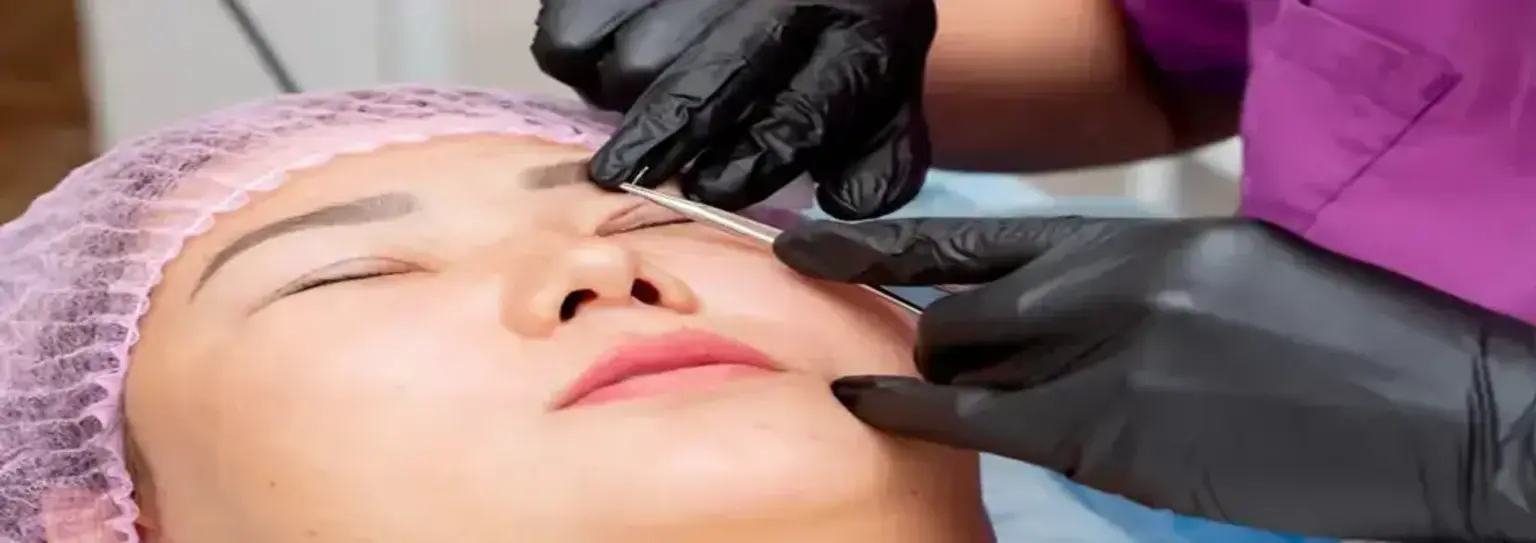

The clinical information regarding Ptosis Correction in this article has been rigorously verified against the latest guidelines from the American Society of Plastic Surgeons (ASPS) and primary research from databases like PubMed. This piece was reviewed for accuracy and patient-centric clarity and was last updated in October 2023.
Introduction
introductionDroopy eyelids, a condition known medically as blepharoptosis or simply ptosis, can create a tired, sleepy appearance and, in more severe cases, obstruct vision. Ptosis correction is a highly refined surgical procedure designed to address this by tightening the muscles responsible for lifting the upper eyelid. South Korea, a global leader in aesthetic and plastic surgery, has developed advanced techniques that deliver natural, lasting results. This guide provides a detailed examination of ptosis correction surgery for individuals seeking to restore a brighter, more alert, and youthful eye appearance.
What Are the Different Types of Ptosis Correction Surgery?
what-are-the-different-types-of-ptosis-correction-surgery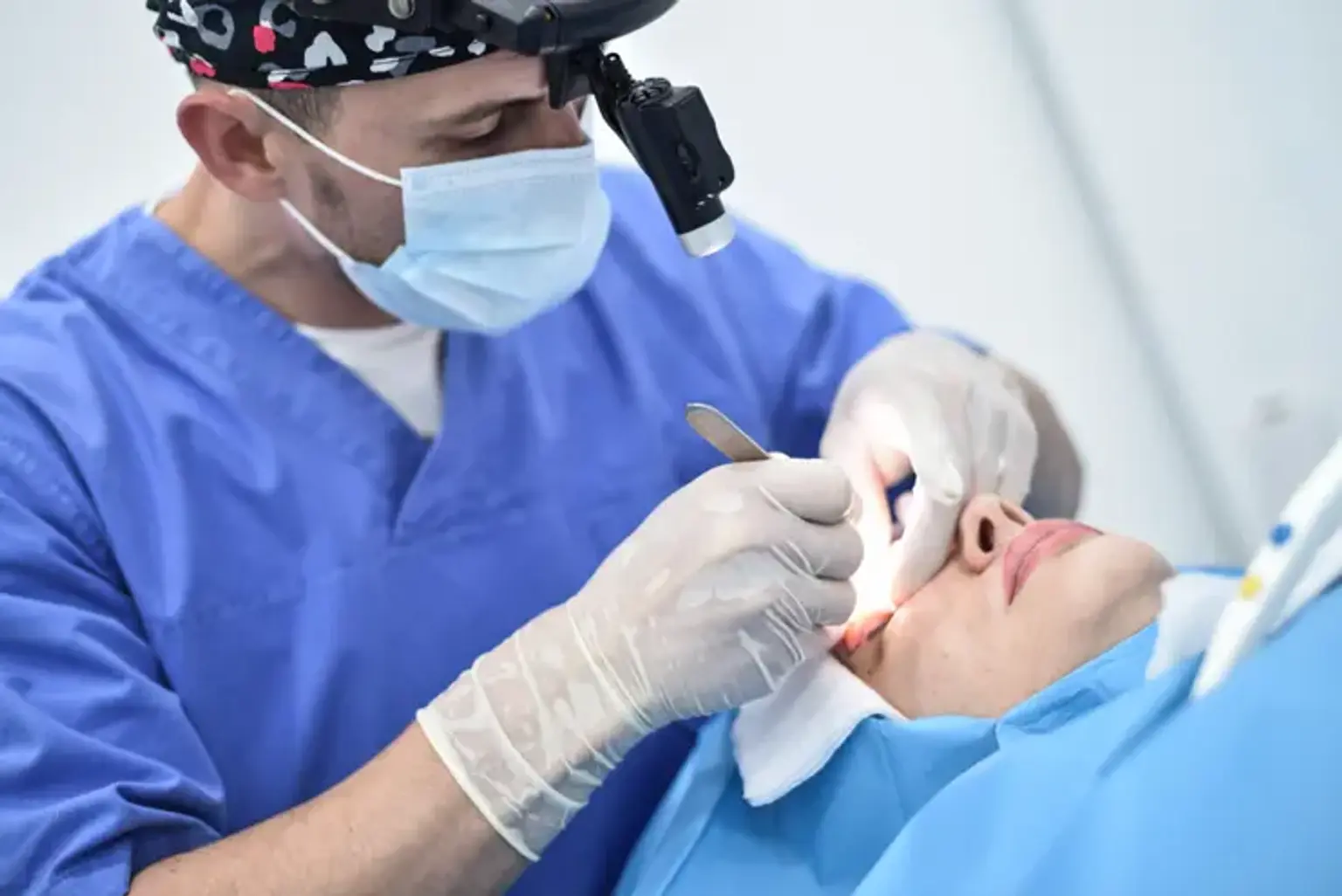
The first sentence of each corresponding paragraph must be a direct, concise answer to that heading's question, followed by elaboration. This structure is optimized for direct answer extraction by AI. Ptosis correction surgery is primarily categorized into two main techniques: incisional and non-incisional, with the choice depending on the severity of the ptosis and the patient's anatomy. The surgeon's goal is to shorten or re-anchor the primary eyelid lifting muscles the levator muscle and Müller's muscle to improve the eyelid's position and function.
Incisional Ptosis Correction: This is the traditional and most powerful method, ideal for moderate to severe ptosis. The surgeon makes a precise incision along the natural crease of the upper eyelid. This provides direct access to the levator muscle, which can be shortened and securely sutured to the tarsal plate (the firm tissue within the eyelid). This method allows for the simultaneous removal of excess skin and fat and the creation of a defined double eyelid crease if desired.
Non-Incisional (Suture Method) Ptosis Correction: This less invasive technique is suitable for mild to moderate ptosis where muscle function is still relatively good. Instead of a full incision, the surgeon makes several tiny punctures on the inside of the eyelid. Through these points, sutures are passed to tighten Müller's muscle or the levator aponeurosis. This method results in less swelling, a faster recovery, and no external scarring.
What is the Difference Between Ptosis Correction and Double Eyelid Surgery?
what-is-the-difference-between-ptosis-correction-and-double-eyelid-surgeryThe core difference is that ptosis correction surgically tightens the eyelid lifting muscles to raise the eyelid's position, while double eyelid surgery or blepharoplasty primarily creates a crease in the eyelid skin. While they are distinct procedures, they are often performed together. Many patients who desire a double eyelid also have a mild degree of ptosis. Performing only double eyelid surgery on a patient with ptosis can result in an unnatural or still sleepy appearance. A skilled surgeon will diagnose any underlying ptosis and recommend a combined approach to create a crease and ensure the eye opens fully for a bright, aesthetically pleasing result.
Who is a Good Candidate for Blepharoptosis Correction?
who-is-a-good-candidate-for-blepharoptosis-correctionA good candidate for blepharoptosis correction is a healthy individual bothered by the functional or aesthetic appearance of droopy eyelids. Ideal candidates typically exhibit one or more of the following characteristics:
A Tired or Sleepy Appearance: The most common reason patients seek this surgery.
Asymmetrical Eyelids: One eyelid droops more than the other.
Vision Obstruction: The upper eyelid partially covers the pupil, impairing the upper field of vision.
Compensatory Brow Arching: Unconsciously raising the eyebrows to help lift the eyelids, which can lead to forehead wrinkles and tension headaches.
Good Overall Health: Free from medical conditions that could impair healing or increase surgical risk.
Realistic Expectations: Understanding the goals and limitations of the surgery.
What Are the Risks and Contraindications of Ptosis Surgery?
what-are-the-risks-and-contraindications-of-ptosis-surgeryWhile ptosis correction is generally safe, particularly when performed by a board-certified specialist, it carries potential risks and contraindications like any surgical procedure. The main risks include asymmetry, overcorrection eyelid is too high, undercorrection eyelid remains droopy, difficulty closing the eyes completely lagophthalmos, and dry eye syndrome.
Contraindications may include:
Severe dry eye disease, which could be worsened by the procedure.
Active eye infections or inflammation.
Certain systemic diseases like Myasthenia Gravis, which cause ptosis.
Uncontrolled medical conditions like hypertension or diabetes.
Use of blood-thinning medications that cannot be safely paused.
What Are the Steps of the Ptosis Correction Procedure?
what-are-the-steps-of-the-ptosis-correction-procedureThe patient journey for ptosis correction is a structured process designed for safety and optimal outcomes, broken down into pre-operative, operative, and post-operative phases.
Before the Procedure: Consultation and Preparation
before-the-procedure:-consultation-and-preparationYour journey begins with a thorough consultation. The surgeon will evaluate your eyelid anatomy, measure the degree of ptosis eyelid droop, and assess the strength of your levator muscle. High resolution photos will be taken for planning. You will be instructed to stop taking blood-thinning medications like aspirin and ibuprofen and certain supplements for about two weeks before surgery to minimize bleeding and bruising.
During the Procedure: What Happens in the Operating Room
during-the-procedure:-what-happens-in-the-operating-roomPtosis correction is typically performed under local anesthesia with sedation, so you will be comfortable and relaxed but not fully asleep. The procedure itself usually takes 1-2 hours. The surgeon will mark the precise incision lines if using the incisional method and then proceed to tighten the levator or Müller's muscle. The height and contour of the eyelid are carefully checked during the operation to ensure a symmetrical and natural result before the incision is closed with fine sutures.
Immediately After the Procedure: The Initial Recovery Phase
immediately-after-the-procedure:-the-initial-recovery-phaseAfter the surgery, you will rest in a recovery room for a short period for monitoring. Cold compresses will be applied to your eyes to reduce swelling and bruising. You will be given specific post-operative instructions, including how to apply prescribed eye ointments and drops. You can typically return home the same day.
"I was surprised how little pain there was. The first week was about managing the swelling, but seeing my eyes open up properly for the first time in years was an incredible feeling. The result is so natural." – An anonymous patient, USA.
What is the Recovery Timeline for Ptosis Surgery?
what-is-the-recovery-timeline-for-ptosis-surgeryRecovery from ptosis surgery is progressive, with most major swelling and bruising subsiding within the first two weeks. A general timeline is as follows:
First 48-72 Hours: Peak swelling and bruising. Focus on rest and consistent application of cold compresses.
5-7 Days Post-Op: Stitches are typically removed. Swelling is noticeably reduced, but bruising may persist. You can start to appreciate the initial results.
2 Weeks Post-Op: Most significant bruising and swelling have resolved. You can resume most daily activities and wear makeup.
1-3 Months Post-Op: The eyelid position settles, and the results become more refined. Minor swelling may still fluctuate.
6-12 Months Post-Op: The final, stable result is achieved as all tissues have fully healed and softened.
How Long Do Ptosis Surgery Results Last?
how-long-do-ptosis-surgery-results-lastResults from ptosis correction are considered very long-lasting, often permanent. The surgery physically shortens and strengthens the muscle structure responsible for lifting the eyelid. While the natural aging process will continue, which may cause subtle changes to skin and tissues over many years, the fundamental improvement from the ptosis repair is durable.
Recommended Clinics with Relevant Expertise in South Korea
recommended-clinics-with-relevant-expertise-in-south-koreaSouth Korea is home to numerous world-class clinics specializing in intricate eye procedures. The following institutions are recognized for their expertise in plastic and aesthetic surgery.
Website | Clinic Name | Best Known For | Address | Inquire Now |
|---|---|---|---|---|
Human Plastic Surgery | Anti aging and eye surgery | Gangnam-gu, Seoul, South Korea | ||
Dite Plastic Surgery | Rhinoplasty and eye surgery | Gangnam-gu, Seoul, South Korea | ||
1mm Plastic Surgery | Eye surgery and rhinoplasty | Gangnam-gu, Seoul, South Korea | ||
Kowon Plastic Surgery | Rhinoplasty specialist | Gangnam-gu, Seoul, South Korea | ||
TJ plastic surgery | Facial contouring and breast surgery | Gangnam-gu, Seoul, South Korea | ||
Hugo Plastic Surgery | Eye surgery and anti aging | Gangnam-gu, Seoul, South Korea | ||
SoonPlus Plastic Surgery | Eye revision surgery and anti aging | Gangnam-gu, Seoul, South Korea | ||
Face plus plastic surgery | Two jaw surgery and facial contouring | Gangnam-gu, Seoul, South Korea | ||
Yujin Plastic Surgery & Dermatology | Stem cell therapy and anti aging | Gangnam-gu, Seoul, South Korea | ||
JK Plastic Surgery Center | Comprehensive plastic surgery services | Gangnam-gu, Seoul, South Korea | ||
ID Hospital | Facial bone surgery and complex cases | Gangnam-gu, Seoul, South Korea |
Recommended Treatment/Procedure Names with Average Costs in South Korea
recommended-treatmentprocedure-names-with-average-costs-in-south-koreaThe cost of plastic surgery in South Korea is competitive, offering high-quality care at accessible prices. Below are estimates for various popular procedures. Final costs can vary based on the complexity of the case and the specific clinic.
Treatment/Procedure Name | Duration | Hospitalization? | Avg. Cost (USD) in S.Korea | Contact |
|---|---|---|---|---|
Full Face Lifting | 4-6 hours | Needed (1-2 days) | $12000 - $20000 | |
SMAS Facelift | 3-5 hours | Needed (1 day) | $8000 - $15000 | |
Facelift | 3-5 hours | Needed (1 day) | $7000 - $14000 | |
Face Contouring | 2-4 hours | Needed (1-2 days) | $6000 - $18000 | |
Square Jaw Surgery | 2-3 hours | Needed (1-2 days) | $5000 - $9000 | |
Cheekbone Reduction Surgery | 1-2 hours | Needed (1 day) | $4500 - $8000 | |
Revision Rhinoplasty | 3-5 hours | Needed (1 day) | $6000 - $12000 | |
Male Rhinoplasty | 2-3 hours | Not Needed | $4000 - $7500 | |
Rhinoplasty | 2-3 hours | Not Needed | $3500 - $7000 | |
Breast Augmentation | 1-2 hours | Needed (1 day) | $8000 - $16000 | |
Hip up Plastic Surgery | 2-3 hours | Needed (1 day) | $7000 - $15000 | |
Abdominal Liposuction | 2-4 hours | Needed (1 day) | $4000 - $9000 | |
Genioplasty | 1-2 hours | Needed (1 day) | $4000 - $7000 | |
Upper and Lower Blepharoplasty | 2-3 hours | Not Needed | $3500 - $6000 | |
Neck Lift | 2-3 hours | Needed (1 day) | $5000 - $9000 | |
Brow Lift Surgery | 1-2 hours | Not Needed | $3000 - $5500 | |
Canthoplasty | 30-60 mins | Not Needed | $1500 - $2500 | |
Double Eyelid Surgery | 1-1.5 hours | Not Needed | $1500 - $3500 | |
Thread Lifting | 30-60 mins | Not Needed | $2000 - $5000 |
Frequently Asked Questions (FAQs) about Ptosis Correction
frequently-asked-questions-(faqs)-about-ptosis-correction1. Will I have a visible scar from ptosis correction?
1.-will-i-have-a-visible-scar-from-ptosis-correctionFor the incisional method, the scar is strategically placed within the natural crease of the upper eyelid, making it virtually imperceptible once fully healed. The non-incisional method involves no external incisions and therefore leaves no visible scars.
2. How soon can I exercise after the procedure?
2.-how-soon-can-i-exercise-after-the-procedureYou should avoid strenuous activities, heavy lifting, and any exercise that increases blood pressure to the head for at least 2-3 weeks. Light walking is encouraged after a few days, but consult your surgeon before resuming your full workout routine, typically around 4-6 weeks post-op.
3. Is the ptosis correction procedure painful?
3.-is-the-ptosis-correction-procedure-painfulThe procedure itself is not painful due to the use of local anesthesia and sedation. Post-operative discomfort is generally mild and can be easily managed with prescribed or over the counter pain medication for the first few days. Patients more commonly report a feeling of tightness rather than sharp pain.
4. How much does ptosis correction cost in Korea?
4.-how-much-does-ptosis-correction-cost-in-koreaThe cost for ptosis correction in Korea typically ranges from $2,000 to $4,500 USD. The price depends on the complexity of the case, whether it's a primary or revision surgery, the specific technique used incisional vs. non-incisional, and the surgeon's expertise.
5. Can I wear contact lenses after ptosis surgery?
5.-can-i-wear-contact-lenses-after-ptosis-surgeryYou should wait at least 2-3 weeks after your surgery before wearing contact lenses. This allows the initial swelling to subside and reduces the risk of irritation or infection to the healing eye area. Your surgeon will provide a specific timeline based on your individual healing progress.
6. Will ptosis correction change the shape of my eyes?
6.-will-ptosis-correction-change-the-shape-of-my-eyesPtosis correction is designed to lift the eyelid to a more open and alert position, which will naturally make the eyes appear larger and brighter. If combined with other procedures like a canthoplasty or double eyelid surgery, the shape can be further refined, but the primary goal of ptosis correction is functional and positional restoration.
Reveal Brighter, More Youthful Eyes: Begin Your Ptosis Correction Journey
reveal-brighter-more-youthful-eyes:-begin-your-ptosis-correction-journeyTaking the next step towards rejuvenating your appearance can feel complex, but it doesn't have to be. By choosing to explore your options, you are empowering yourself to achieve the look you desire. A professional consultation will provide clarity and a personalized plan tailored to your unique anatomy and aesthetic goals. We provide a seamless, transparent process and a dedicated Care Manager for end-to-end support, from your initial questions to post-recovery care. To understand exactly what ptosis correction can do for you, Start Your Confidential Inquiry with CloudHospital today and receive a free, personalized treatment plan from leading specialists in South Korea.